Why Temperature Controls Everything in Asphalt Work
Timing matters in asphalt work more than most property owners realize. You can have high-quality materials, skilled crews, and proper grading, but if the temperature is wrong at installation, the pavement will fail early regardless of everything else that went right.
Asphalt is a heat-sensitive material. It must stay hot enough during installation to remain workable and compact properly, but the ambient conditions can’t be so cold that the mix stiffens before the crew can roll and bond it to the base layer. That window is narrower than most people expect, and in Denver’s climate, it closes faster than it does in most parts of the country.
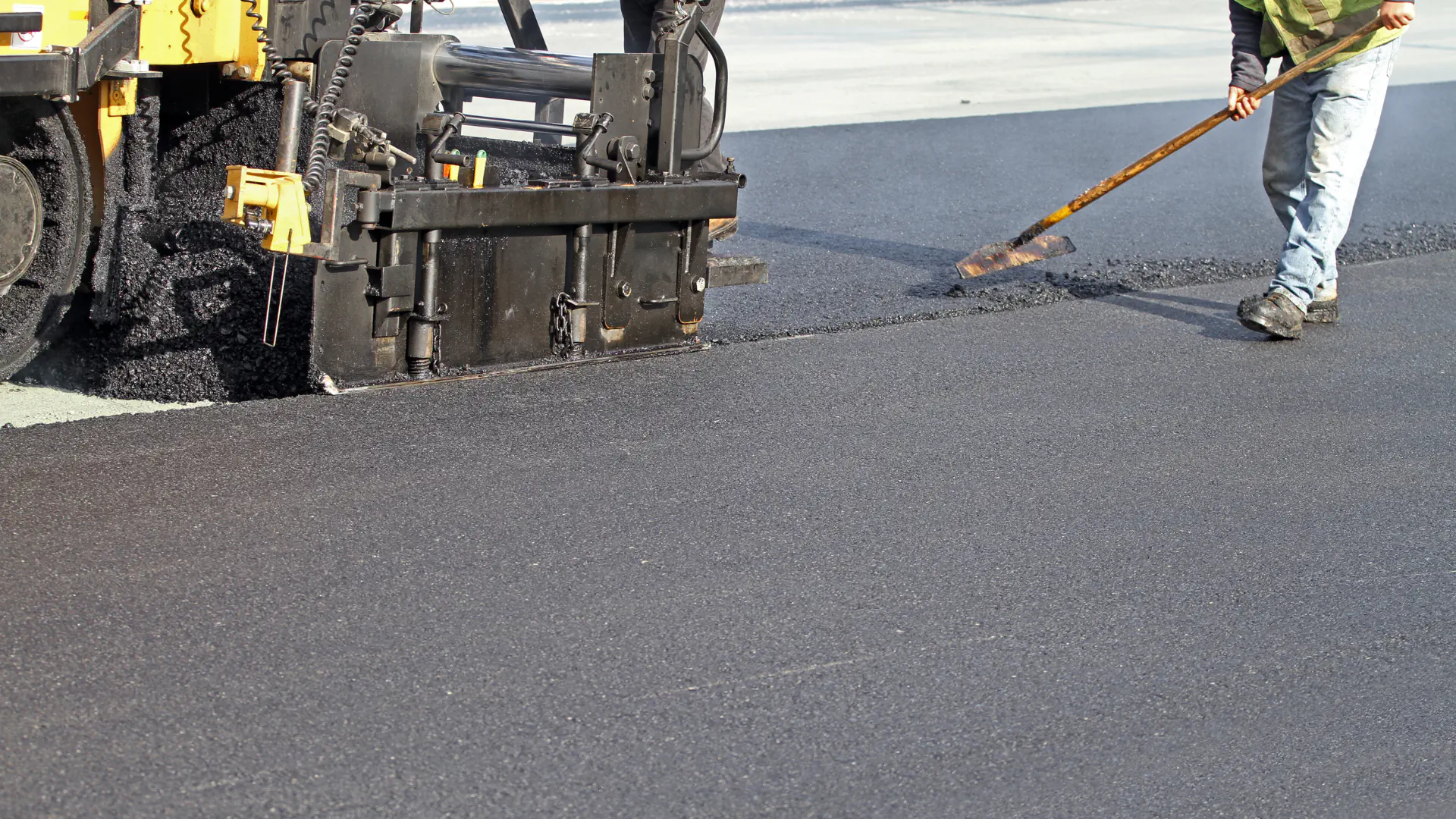
In most professional paving standards, the ideal air temperature for asphalt paving in Denver falls between 50°F and 85°F. Ground temperature is equally important and should generally stay above 50°F to ensure proper adhesion to the base layer. When temperatures drop too low, asphalt cools too quickly after being laid, preventing full compaction. The result is weak spots, early surface cracking, and accelerated raveling. In the opposite direction, extreme summer heat can make the mix too soft under rolling traffic, causing surface deformation before the pavement stabilizes.
In a climate like Denver’s, with significant seasonal swings and daily temperature fluctuation, experienced asphalt companies in Denver carefully select installation windows and adjust schedules in real time based on forecast conditions. DMH Site Services monitors those windows closely on every project, because a properly timed installation is one of the most cost-effective decisions a property owner can make.
At What Temperature Is It Too Cold to Lay Asphalt?
As a general rule, it becomes too risky to lay asphalt when air temperatures fall below 50°F and ground temperatures drop under 40 to 50°F. At those levels, the mix loses heat too quickly after being placed, which prevents the compaction that gives pavement its structural integrity.
When asphalt cools too fast during installation:
- Proper rolling and compaction become difficult or impossible
- Air pockets remain trapped inside the surface layer
- The finished pavement becomes significantly more prone to cracking and pothole formation
- Adhesion to the base layer weakens, accelerating structural deterioration
Professional crews from established asphalt companies in Denver can sometimes work in cooler conditions using specialized techniques, but quality risk increases substantially, and most experienced contractors won’t commit to a standard installation when conditions fall outside the reliable threshold. The short-term schedule convenience rarely justifies the long-term pavement performance trade-off.
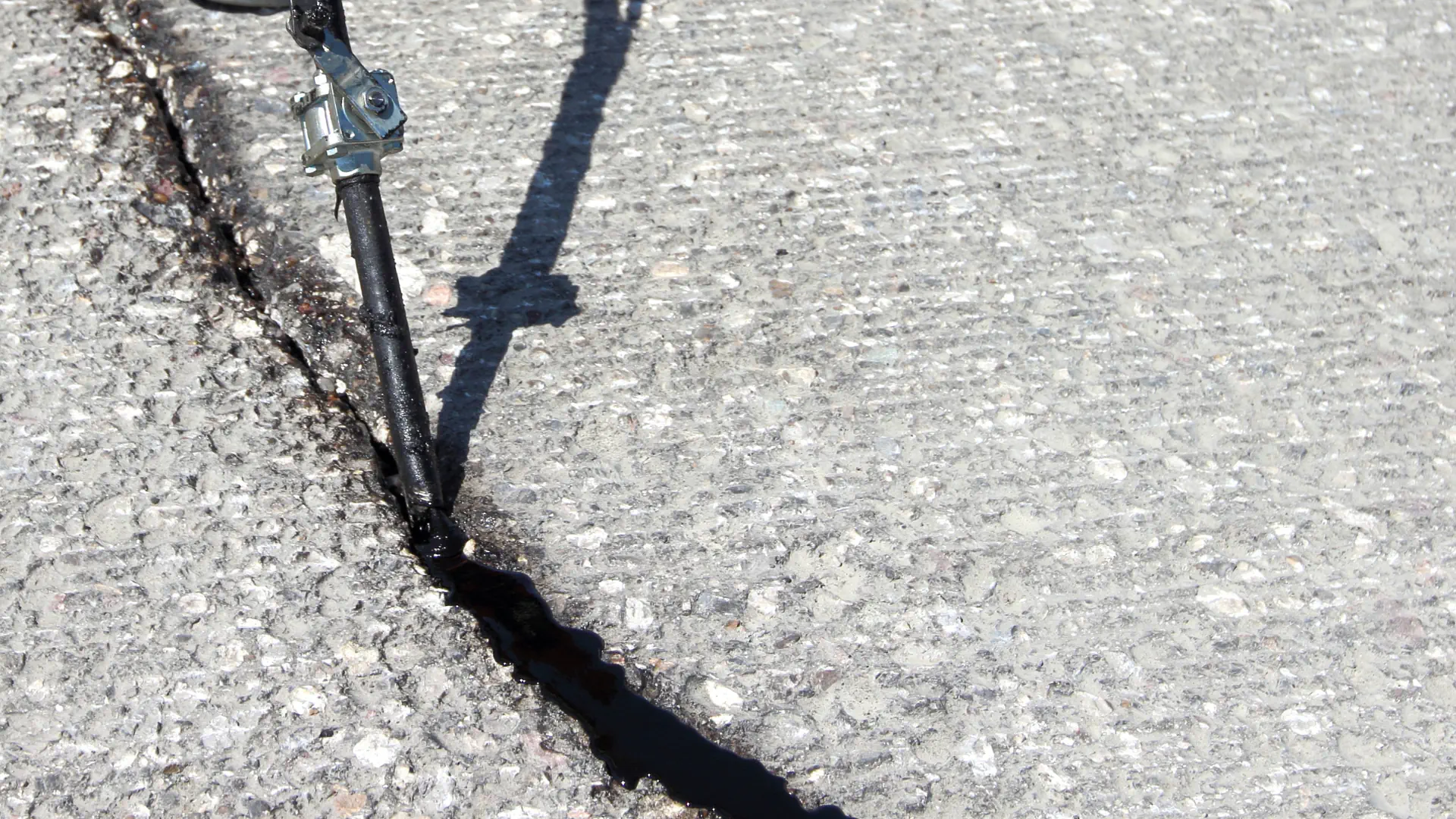
For asphalt maintenance in Denver CO work like crack sealing and sealcoating, the cold-weather limitations are equally relevant, and in some cases more restrictive, since surface treatments depend on proper evaporation and bonding that cold temperatures directly inhibit.
How Late in the Year Can You Lay Asphalt?
Asphalt installation is typically viable from late spring through early fall, with the key factor being consistent daytime warmth rather than the calendar date specifically.
In most regions, paving can continue reliably until:
- Daytime temperatures stay consistently above 50 to 55°F
- Nighttime temperatures don’t drop sharply below 40°F
- The ground remains unfrozen and structurally stable
In Denver, asphalt paving in Denver projects typically wrap up in late October or early November depending on the year. After that point, cold weather makes reliable compaction increasingly difficult, and any installation that proceeds outside those conditions carries elevated risk of early failure.
That seasonal closing window is one reason DMH Site Services recommends that commercial property managers plan asphalt paving in Denver projects and asphalt maintenance in Denver CO programs earlier in the season than feels urgent. Once October arrives in Denver, the scheduling options narrow quickly, and waiting until pavement problems become visible often means waiting until the installation window has already closed for the year.
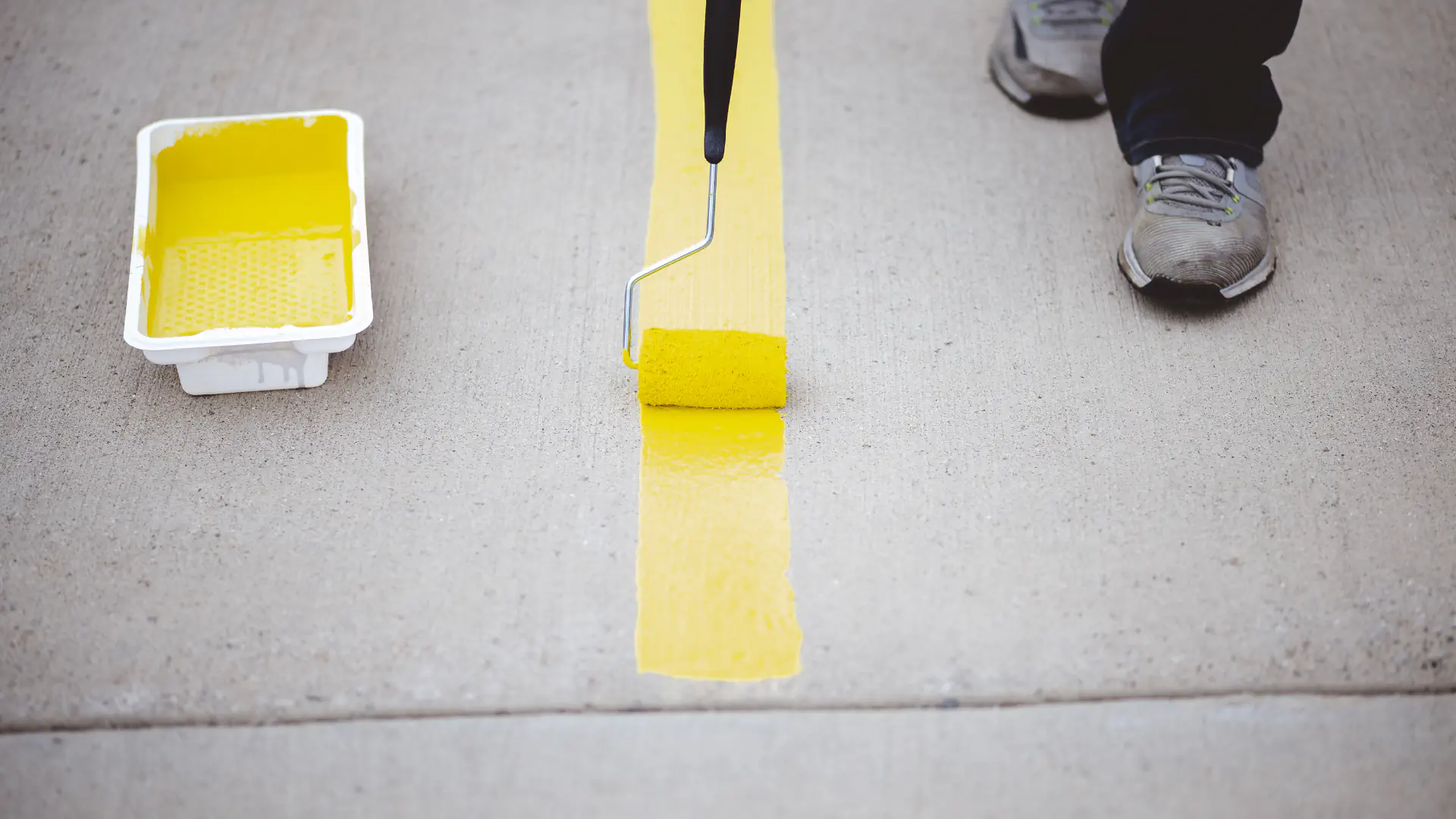
For properties that also require parking lot striping in Denver after repaving or resurfacing, the timing relationship between paving and striping adds another scheduling layer. Striping should follow after the asphalt has had adequate time to cool and stabilize, which means projects that start late in the season may find themselves bridging striping work into the following spring.
Is 63 degrees Too Hot to Walk My Dog Outside in the Asphalt?
This question comes up frequently during Denver’s milder seasons, and the short answer is no, 63°F air temperature is completely safe for walking on asphalt. That temperature is considered mild, and asphalt surface temperatures at that air temperature stay close to ambient levels with no meaningful heat risk.
The real concern surfaces during hot summer days. Asphalt becomes genuinely dangerous for paws when surface temperatures exceed 120°F or higher, which can occur on dark pavement under direct summer sunlight even when air temperature feels comfortable to people. A rule of thumb: if you can’t hold your palm flat on the asphalt surface for seven seconds comfortably, it’s too hot for unprotected paws.
At 63°F, however, the surface temperature stays within a comfortable range for both pets and pedestrians. No risk of paw burns, and no concern about asphalt softening from heat exposure at that air temperature.
Can You Seal a Driveway in 50 Degree Weather?
Fifty degrees Fahrenheit is the absolute lower threshold for sealcoating, it can be done, but professional crews strongly prefer conditions between 60°F and 80°F with temperatures trending upward through the day.
Sealcoating depends on evaporation and proper chemical bonding to the asphalt surface. When temperatures fall too low:
- The sealer dries too slowly, extending vulnerability to rain, traffic, and contamination
- Bonding to the asphalt surface weakens, reducing adhesion and coating lifespan
- Any moisture exposure before full cure can wash the application away entirely
For a reliable sealcoating application, conditions should meet all of the following:
- Air and surface temperatures above 50°F for at least 24 hours before and after application
- No rain forecast for 24 to 48 hours following the work
- Surface clean, dry, and free of debris before application begins
As part of comprehensive asphalt maintenance in Denver CO programs, DMH Site Services monitors forecast windows carefully before scheduling any sealcoating work, because a sealcoat applied in marginal conditions may look fine initially while delivering a fraction of its intended protection once winter arrives.
Why Temperature Windows Matter More in Denver Than Most Cities
Denver presents a specific challenge that makes temperature management more demanding for asphalt companies in Denver than in more climatically stable regions. A project morning might start at 55°F, rise to 75°F by midday, and drop sharply after sunset, all in the same workday. That fluctuation directly influences how quickly asphalt cools during installation and how consistently it compacts across the surface.
This is why the most experienced asphalt companies in Denver adjust installation schedules daily based on forecast data rather than locking in dates weeks in advance. Missing the right temperature window doesn’t just delay a project, it can reduce the structural integrity of the finished pavement in ways that don’t become visible until that first hard winter tests the surface.
The same temperature discipline applies across the broader asphalt maintenance in Denver CO calendar. Crack sealing, sealcoating, patching, and parking lot striping in Denver all have their own temperature sensitivities, and coordinating those services within Denver’s viable seasonal windows requires the kind of scheduling experience that only comes from working in this specific climate year after year.
For commercial properties also managing commercial snow removal in Denver CO contracts and working with concrete contractors in Denver on adjacent flatwork, that seasonal coordination becomes even more consequential, because every service has a closing window, and the properties that plan proactively consistently get better outcomes than those that react once conditions have already turned.
DMH Site Services brings that full seasonal perspective to every client relationship, helping property owners sequence their pavement work, maintenance programs, and winter preparations in a way that protects both the pavement and the investment behind it.
Planning an Asphalt Project? Timing Is Everything
Choosing the right temperature window is just as important as choosing the right contractor. A properly timed asphalt paving in Denver installation delivers stronger compaction, better bonding, fewer early repairs, and a pavement surface built to survive multiple Colorado winters, rather than one that looks finished on day one and starts deteriorating by spring.
DMH Site Services helps Denver property owners schedule asphalt paving in Denver, asphalt maintenance in Denver CO, parking lot striping in Denver, and commercial snow removal in Denver CO within the seasonal windows that produce the most reliable, longest-lasting results. As a full-service Denver commercial asphalt company, the team also coordinates with concrete contractors in Denver for properties managing complete exterior maintenance programs.
If you’re planning a paving or sealcoating project in Denver, contact DMH Site Services to schedule a professional evaluation before your installation window closes. Getting the timing right from the start is one of the most straightforward ways to protect the long-term value of your pavement investment.