If Your Pavement Is Wearing Down, Timing Is Everything
If your driveway or parking lot in Denver is starting to look worn, cracked, or uneven, but not completely falling apart, you’re likely at the stage where resurfacing becomes the most cost-effective option. The challenge most property owners face isn’t recognizing the damage; it’s understanding whether resurfacing is actually worth it or if full replacement is the smarter long-term move.
In a city where constant freeze-thaw cycles and intense UV exposure accelerate pavement wear faster than almost anywhere else in the country, timing matters more than most people realize. At DMH Site Services, we’ve seen firsthand how choosing correctly can extend the life of your asphalt by a decade or more, while delaying too long can turn a manageable repair into a full reconstruction project. Whether you need routine asphalt maintenance in Denver, CO or a complete overhaul, knowing where your pavement stands is the first step toward making the right call.
What Is Asphalt Resurfacing?
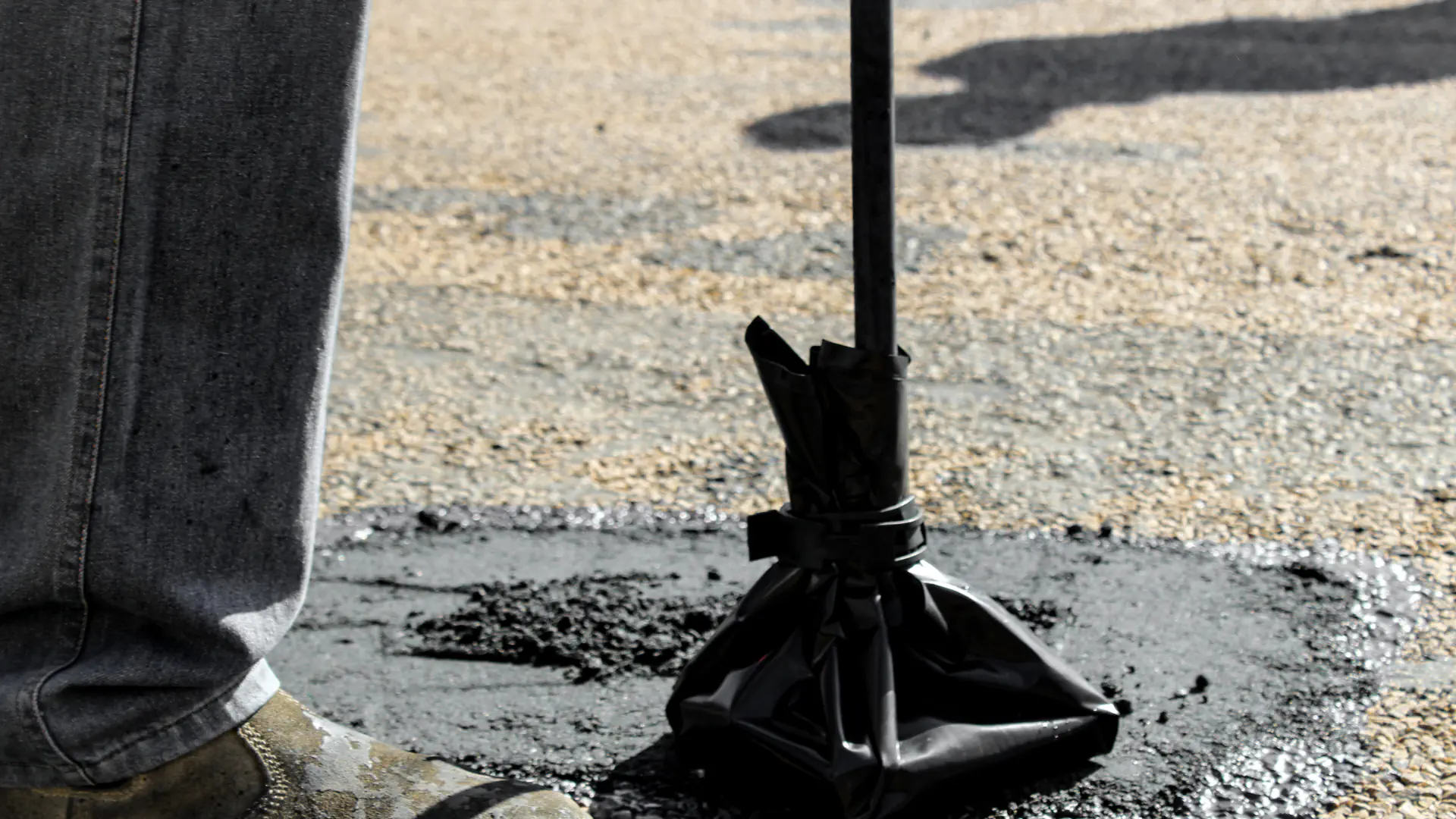
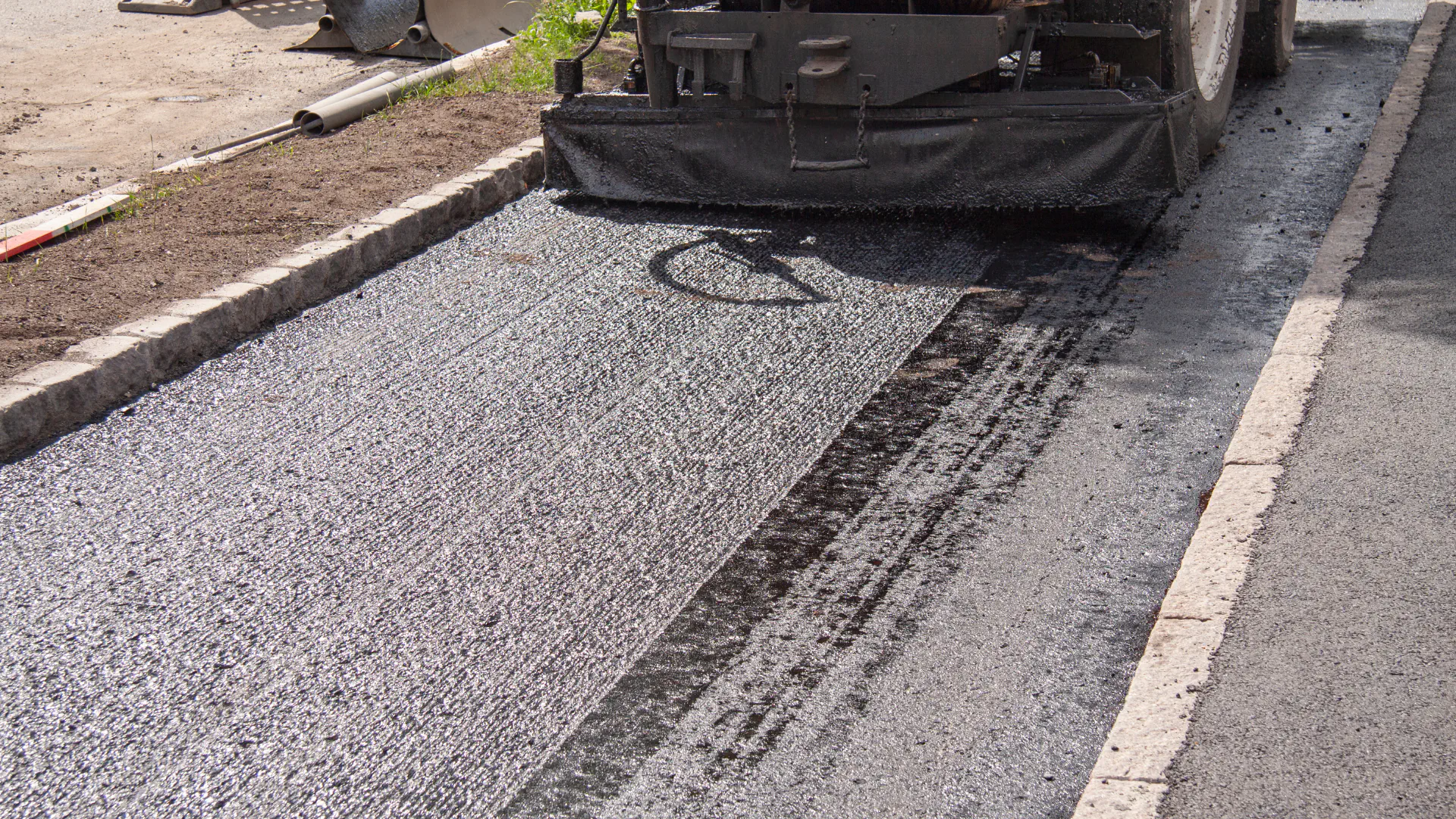
Asphalt resurfacing, often called an asphalt overlay, is the process of adding a new layer of asphalt over an existing surface that is structurally sound but showing signs of wear, such as surface cracks, fading, minor potholes, or rough texture. Instead of tearing out the entire driveway or parking lot, contractors repair damaged areas, level the surface, and then apply a fresh 1.5 to 2-inch layer of new asphalt on top.
This restores appearance, improves safety, and extends pavement life at a fraction of the cost of full replacement. For property owners looking at asphalt paving in Denver, resurfacing is especially valuable because it defends against UV oxidation and freeze-thaw expansion, the two primary forces that break asphalt down in Colorado’s climate.
However, resurfacing is only effective when the base layer is still structurally stable. If the foundation is failing, adding a new layer will not solve the deeper problem. When done at the right time, typically every 8 to 15 years depending on usage, resurfacing can significantly delay the need for a full tear-out while restoring a smooth, durable surface for both residential driveways and commercial lots.
Why Denver’s Climate Changes the Equation
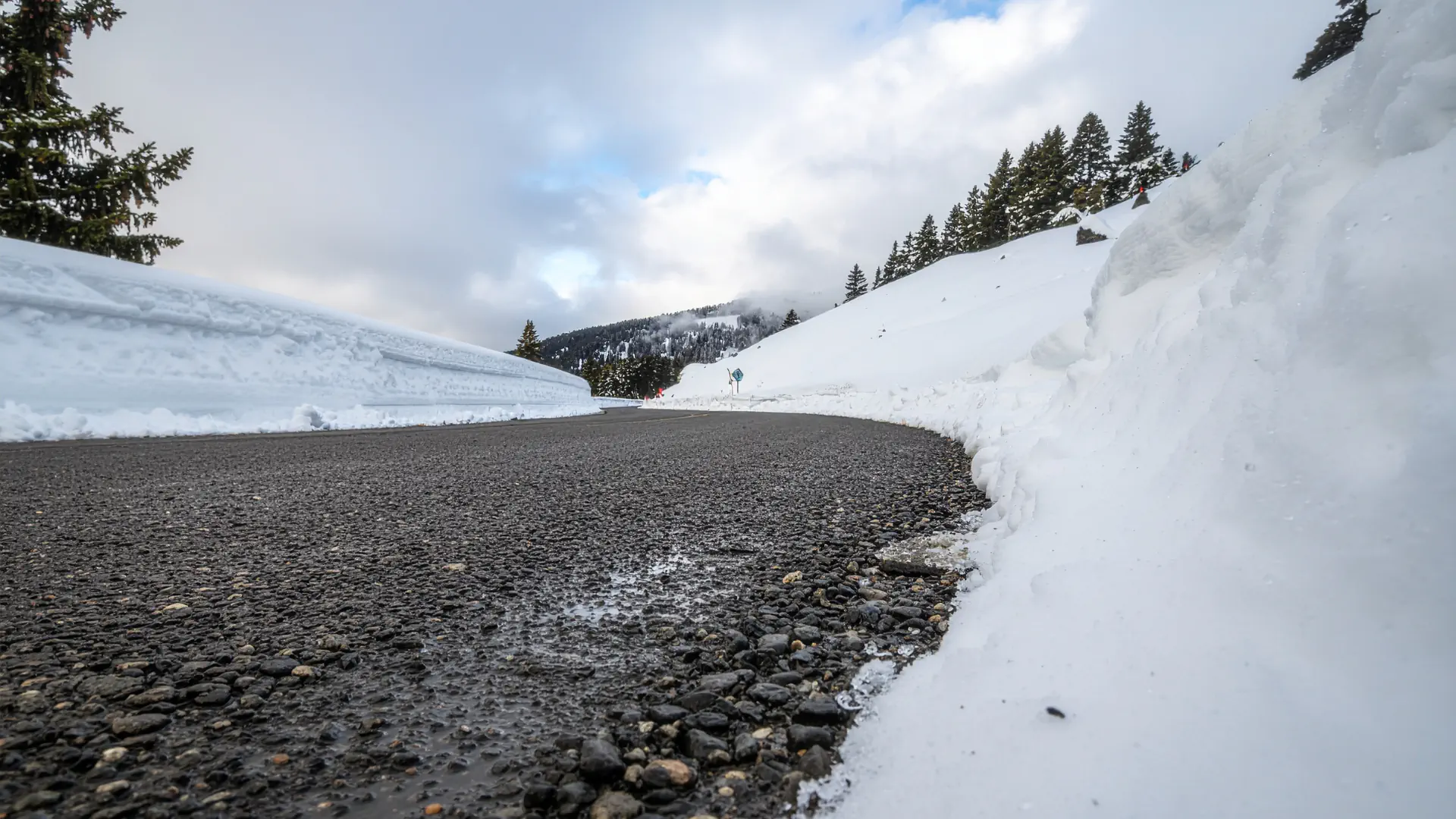
In Denver, asphalt doesn’t age the same way it does in milder regions. With nearly 300 days of sun per year, UV exposure dries out and weakens the asphalt binder faster than most homeowners expect. Then winter arrives, moisture seeps into hairline cracks, freezes overnight, and forces the pavement apart from the inside out. This cycle repeats relentlessly, which is why a driveway that looks fine in October can show visible cracking by March.
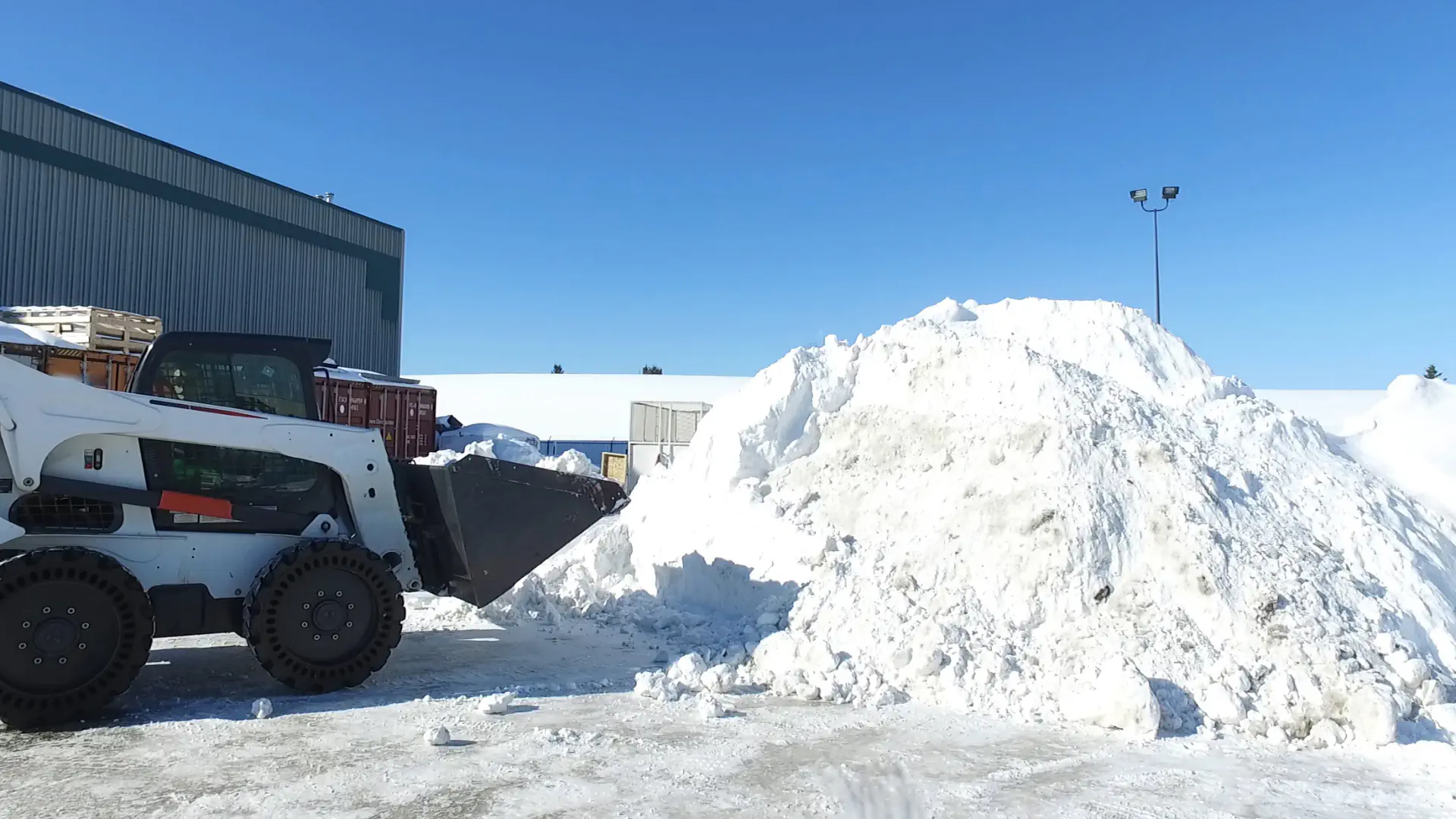
That same climate is exactly why commercial snow removal in Denver, CO is such a critical part of pavement longevity. When snow is improperly removed or left to refreeze repeatedly, it accelerates the very damage that makes resurfacing necessary sooner. DMH Site Services approaches asphalt care as a full-season responsibility, not just a warm-weather project.
Local contractors, including our team at DMH Site Services, often recommend resurfacing as the most practical middle-ground solution because it restores structural usability without the cost or disruption of full replacement. In neighborhoods with older homes and aging infrastructure, it’s a proven maintenance strategy that keeps driveways and lots functional without triggering major reconstruction.
Is Resurfacing an Asphalt Driveway Worth It?
Yes, if the base is still stable.
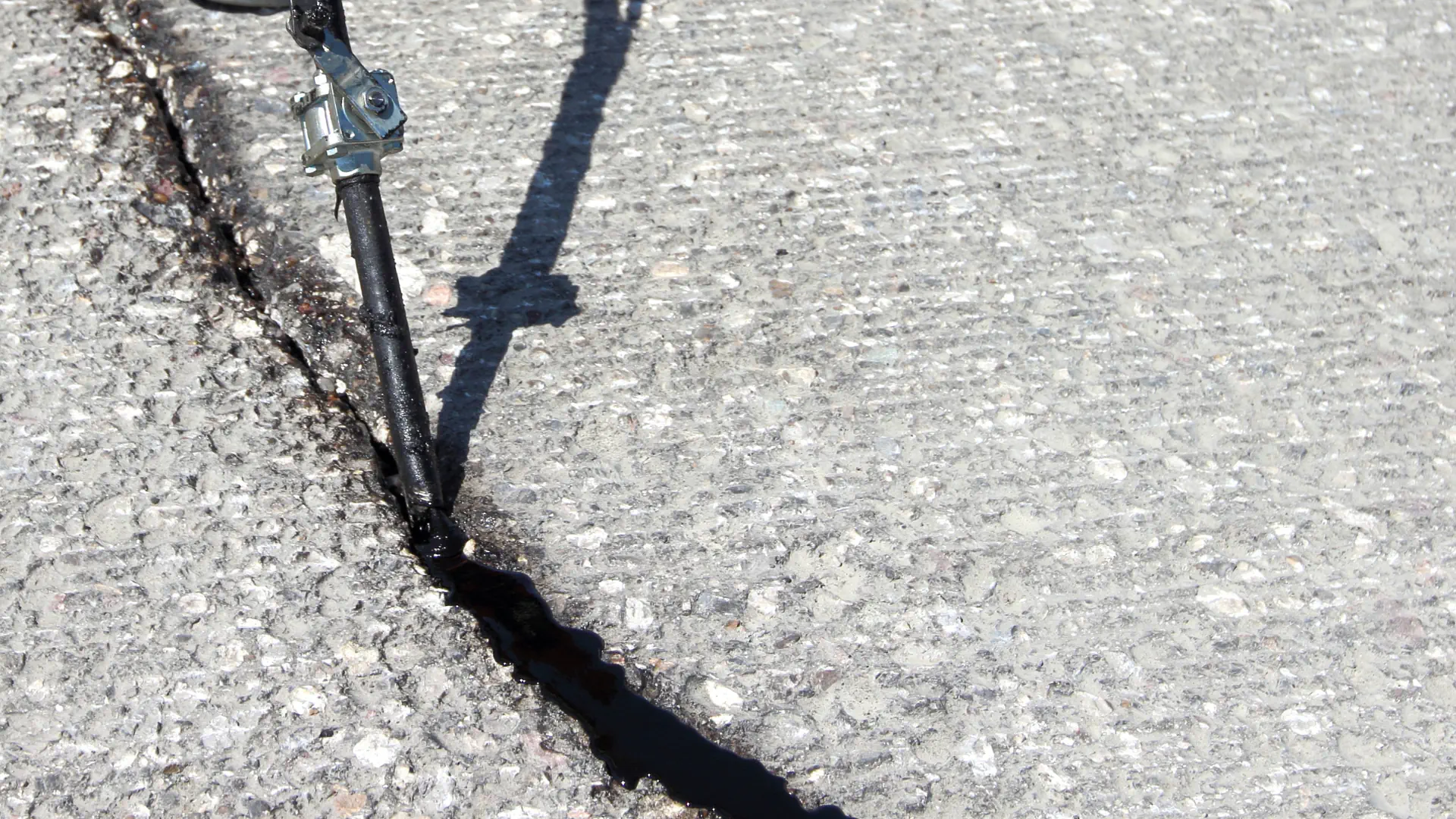
Resurfacing delivers strong return on investment when damage is mostly surface-level: cracks, fading, minor potholes, or roughened texture. It restores both function and appearance at roughly half the cost of full replacement, making it one of the most efficient forms of asphalt maintenance in Denver, CO available to homeowners and commercial property managers alike.
However, if you’re seeing deep alligator cracking, sunken sections, or widespread base failure, resurfacing alone won’t solve the problem. In those cases, DMH Site Services will recommend a full tear-out and repave, because layering new asphalt over a failing foundation only delays an inevitable and more expensive repair.
The key is getting a professional assessment early, before surface wear becomes structural failure.
How Much Should Asphalt Resurfacing Cost?
Costs vary based on surface size, thickness of the new layer, and how much prep work is required before the overlay goes down. For residential driveways, pricing is typically calculated per square foot, with additional line items for crack filling, patching, and grading corrections.
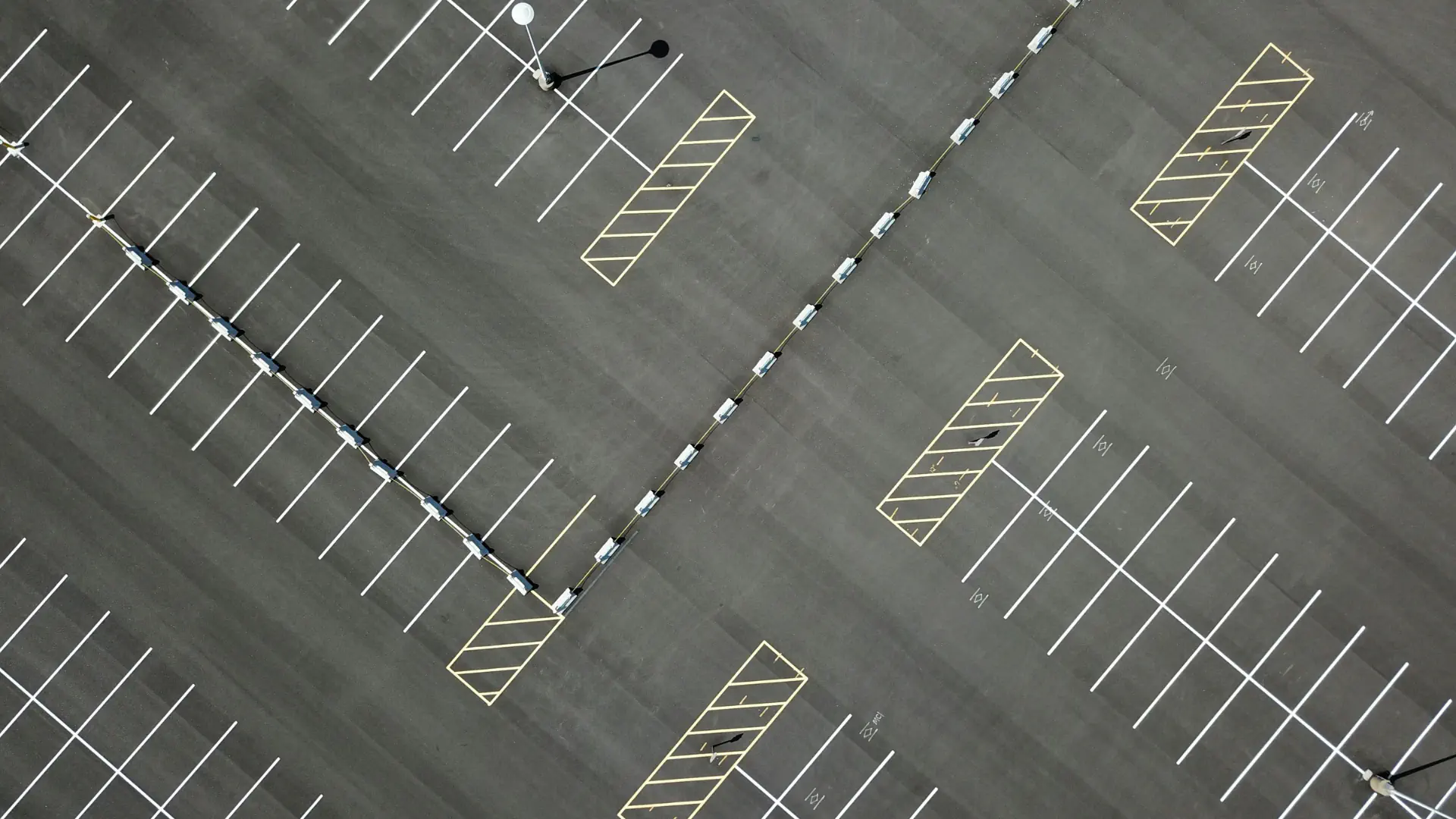
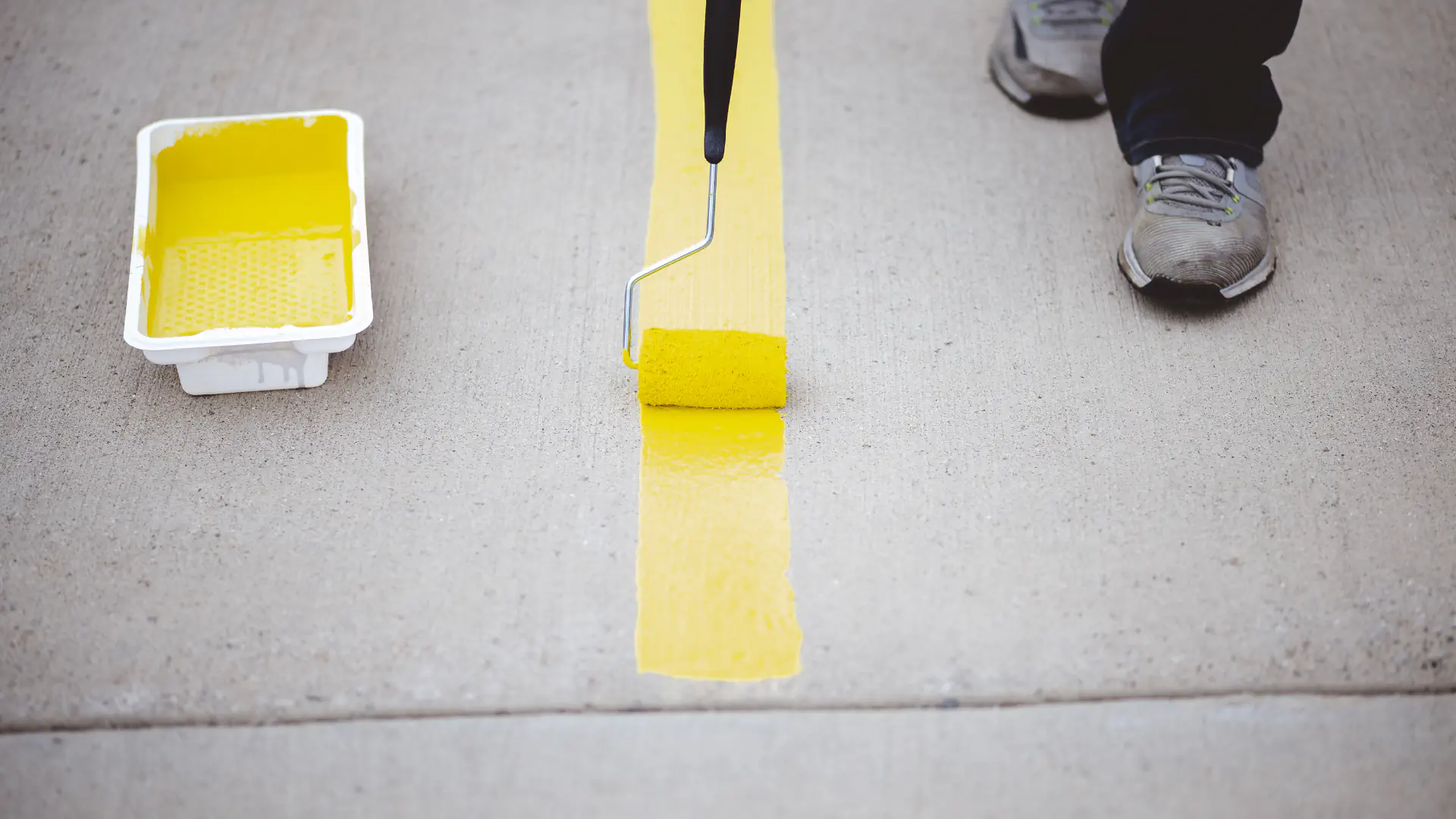
Commercial properties, where DMH Site Services frequently works as a trusted Denver commercial asphalt company, often involve additional scope: drainage corrections, parking lot striping in Denver, ADA compliance updates, and curb transitions. These factors can meaningfully affect the final project cost, which is why we always recommend a site evaluation before quoting.
The single biggest cost driver across any resurfacing project is prep work. A surface that requires extensive patching and base repair before the overlay will cost more than one that’s ready to resurface immediately, but skipping that prep to save money upfront almost always leads to premature failure.
How Long Does Asphalt Resurfacing Last?
When properly installed and maintained, resurfaced asphalt in Denver generally lasts 8 to 15 years. Lifespan depends on traffic load, drainage quality, and how consistently the property owner stays ahead of small repairs.
Properties that invest in routine asphalt maintenance in Denver, CO, crack sealing, sealcoating every 2 to 3 years, and prompt pothole repair, consistently land toward the upper end of that range. Those that defer maintenance tend to resurface again sooner, or find themselves needing full replacement earlier than necessary.
DMH Site Services recommends pairing any resurfacing project with a long-term maintenance plan to protect the investment and maximize the pavement’s useful life.
What Are the Disadvantages of Asphalt Overlay?
While resurfacing is cost-effective, it does have real limitations worth understanding before committing.
It cannot fix base failures. If the structural layer beneath is compromised, a new overlay will reflect those problems back to the surface within a few years. This is why DMH Site Services, as one of the more thorough asphalt companies in Denver, always evaluates base condition before recommending resurfacing over replacement.
It raises the surface height. Adding 1.5 to 2 inches of new asphalt can create clearance issues at garage thresholds, sidewalk transitions, and curb lines. Depending on the site, utility adjustments or edge tapering may be needed, costs that should be accounted for in the project estimate.
Timing is critical. Resurfacing too late in the pavement’s life cycle may only buy a year or two before full replacement becomes unavoidable. Done at the right time, it’s a smart investment. Done too late, it’s an expensive delay.
For commercial properties, concrete contractors in Denver and asphalt specialists often work in tandem on projects where curb replacements, sidewalk repairs, or apron work accompany a resurfacing job, something the DMH Site Services team coordinates regularly.
Ready to Find Out If Your Pavement Is a Good Candidate?
If you’re unsure whether your driveway or parking lot in Denver needs resurfacing or full replacement, DMH Site Services offers professional evaluations that take the guesswork out of the decision. As an established Denver commercial asphalt company with experience across residential driveways, commercial parking lots, and municipal properties, we assess base condition, surface damage, drainage, and long-term maintenance needs, so you get a clear recommendation, not just a sales pitch.
From asphalt paving in Denver to parking lot striping, commercial snow removal in Denver, CO, and year-round asphalt maintenance, DMH Site Services handles every phase of pavement care under one roof.
Contact DMH Site Services today to schedule your site evaluation and find out exactly what your pavement needs, before small problems become expensive ones.