If you’ve noticed small cracks forming in your driveway or parking lot, it’s tempting to push the repair to next year’s to-do list. After all, they’re only small cracks, right?
In Denver, that mindset can get expensive fast. Between intense UV exposure, sudden temperature swings, and the region’s notorious freeze-thaw cycles, minor cracks can quickly grow into potholes, surface failures, and costly structural repairs. For practical property owners who prefer preventing problems over reacting to them, understanding the cost of asphalt crack sealing is a smart first step, and DMH Site Services is here to help you make sense of it all.
How Much Does It Cost to Seal Asphalt Cracks?
Asphalt crack sealing in Denver typically ranges from a few hundred dollars for a residential driveway to several thousand dollars for larger commercial parking lots. The final price depends on the total length and width of the cracks, pavement condition, site accessibility, and whether additional asphalt maintenance Denver CO services are needed.
For most property owners, crack sealing is one of the most cost-effective pavement maintenance investments available. Rather than replacing damaged asphalt after moisture penetrates the base layers, crack sealing blocks water infiltration before major deterioration sets in. This matters especially in Denver’s climate, where snowmelt and rain can seep into small cracks during the day and freeze overnight. As water expands, those cracks widen, creating larger structural problems with each freeze-thaw cycle.
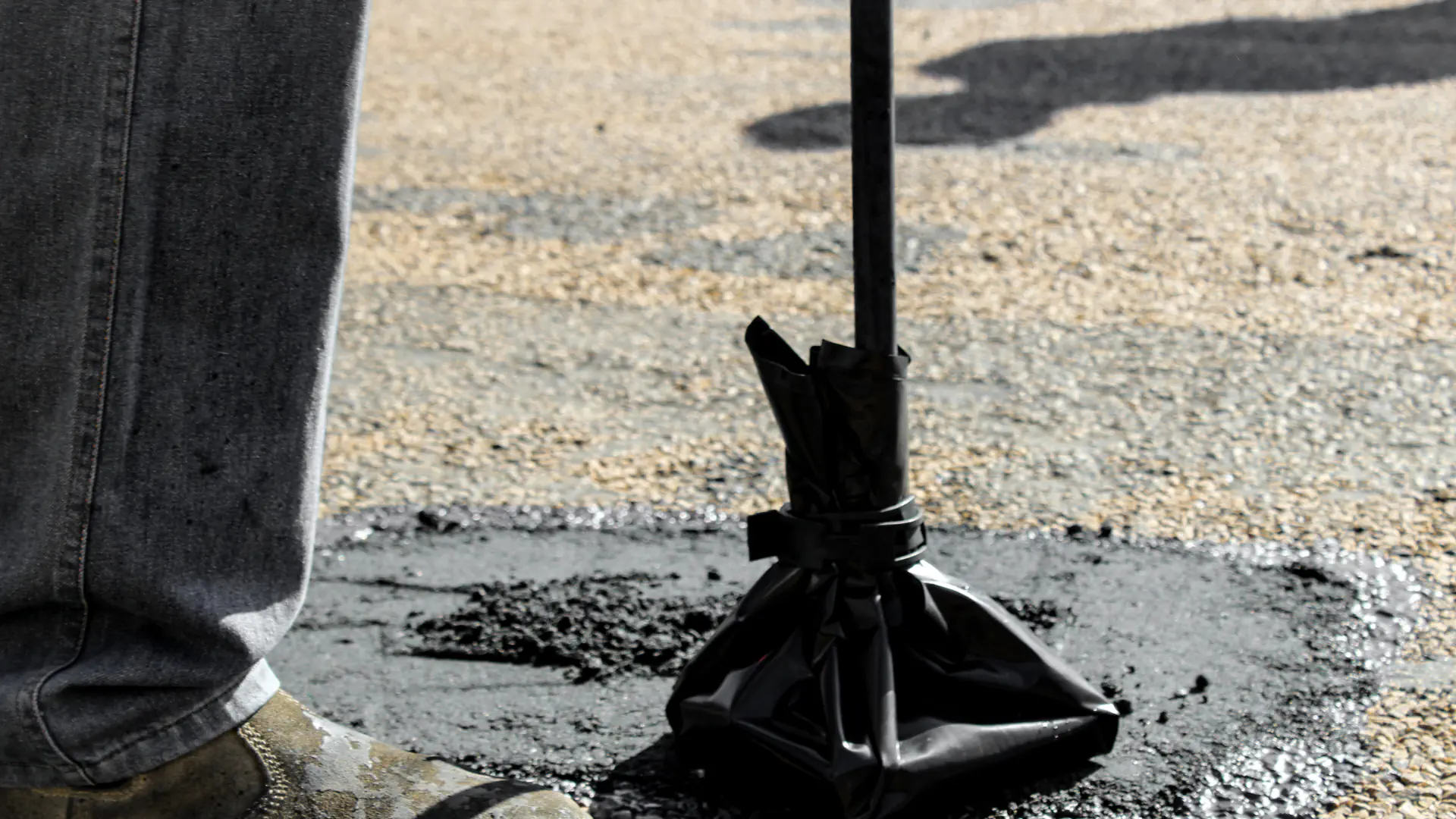
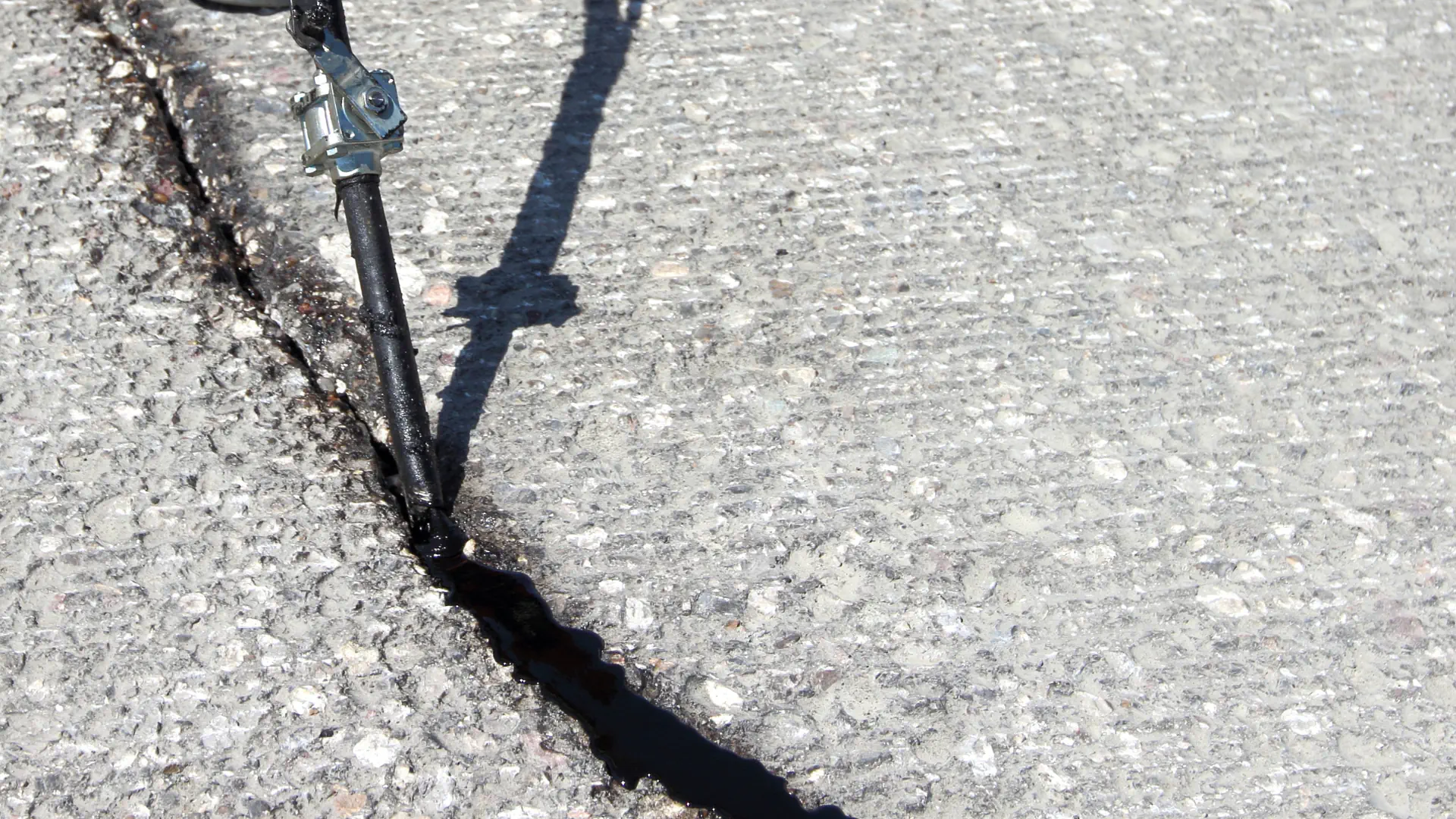
DMH Site Services uses hot rubberized sealants specifically designed to remain flexible as temperatures shift throughout the year. This flexibility lets the material expand and contract with the pavement while maintaining a watertight seal. Compared to the cost of resurfacing or full asphalt paving Denver replacement, crack sealing is a relatively modest investment that can significantly extend pavement life and reduce future repair expenses. For most Denver property owners, the real question isn’t whether crack sealing is worth it, it’s whether delaying it could lead to far greater costs later.
Why Denver’s Climate Makes Crack Sealing More Important
Think of it like leaving a small gap in your roof before a Colorado snowstorm. You might not see a problem right away, but eventually, moisture finds a way in.
The same principle applies to asphalt.
Denver’s combination of high-altitude UV exposure and aggressive freeze-thaw cycles makes it one of the toughest environments for pavement in the country. The sun gradually dries out asphalt binders, making surfaces more brittle over time. Once cracks form, moisture accelerates the damage from the inside out.
That’s why property managers throughout Denver, Aurora, Lakewood, and the surrounding Front Range communities schedule regular pavement inspections, especially before winter arrives. As a trusted Denver commercial asphalt company, DMH Site Services works with both residential and commercial clients to identify vulnerable areas before seasonal damage takes hold. A targeted maintenance expense today consistently prevents major repairs come spring.
How Long Does Asphalt Crack Sealing Last?
A professionally installed crack seal typically lasts between 3 and 5 years, though longevity depends on traffic volume, weather conditions, pavement movement, and sealant quality.
Residential driveways often see longer-lasting results because they endure less stress than commercial parking lots. That said, Denver’s climate can shorten the lifespan of lower-grade materials, which is why DMH Site Services only uses commercial-quality sealants rated for Colorado’s temperature extremes.
Regular inspections remain essential even after sealing. Catching new cracks early allows property owners to maintain protection continuously, rather than waiting for widespread deterioration before calling in a crew. Whether you need parking lot striping Denver services after a seal job or a full pavement assessment, staying ahead of maintenance keeps costs manageable year after year.
Is It Worth Sealing a Cracked Driveway?
In most cases, absolutely.
Crack sealing stops water intrusion, the leading cause of asphalt deterioration. Once water reaches the pavement base, repairs become significantly more involved and expensive. Property owners who treat crack sealing as preventative maintenance, rather than reactive repair work, consistently protect more of their investment over time.
Think of it like routine oil changes for a vehicle. The goal isn’t to fix what’s already broken, it’s to preserve what’s working and avoid a much larger bill later.
The benefits of professional crack sealing with DMH Site Services include:
- Extending pavement lifespan
- Reducing future repair costs
- Improving curb appeal and property appearance
- Preventing potholes and surface failures
- Protecting the asphalt foundation from moisture damage
For driveways and parking lots showing early signs of wear, crack sealing typically delivers one of the highest maintenance returns available. When combined with asphalt maintenance Denver CO services like sealcoating and line marking, it forms the foundation of a proactive pavement care plan.
Is October Too Late to Seal a Driveway?
October can still be an excellent window for crack sealing in Denver, provided weather conditions cooperate.
Professional contractors generally prefer daytime temperatures above 50°F to ensure proper sealant adhesion and curing. Early and mid-October often provide exactly those conditions, though scheduling becomes more limited as winter approaches.
Many property owners strategically complete crack sealing before the first major snow events of the season. Sealing cracks before winter prevents moisture from entering the pavement and expanding during freezing temperatures, which is one of the primary drivers of accelerated pavement damage across the region.
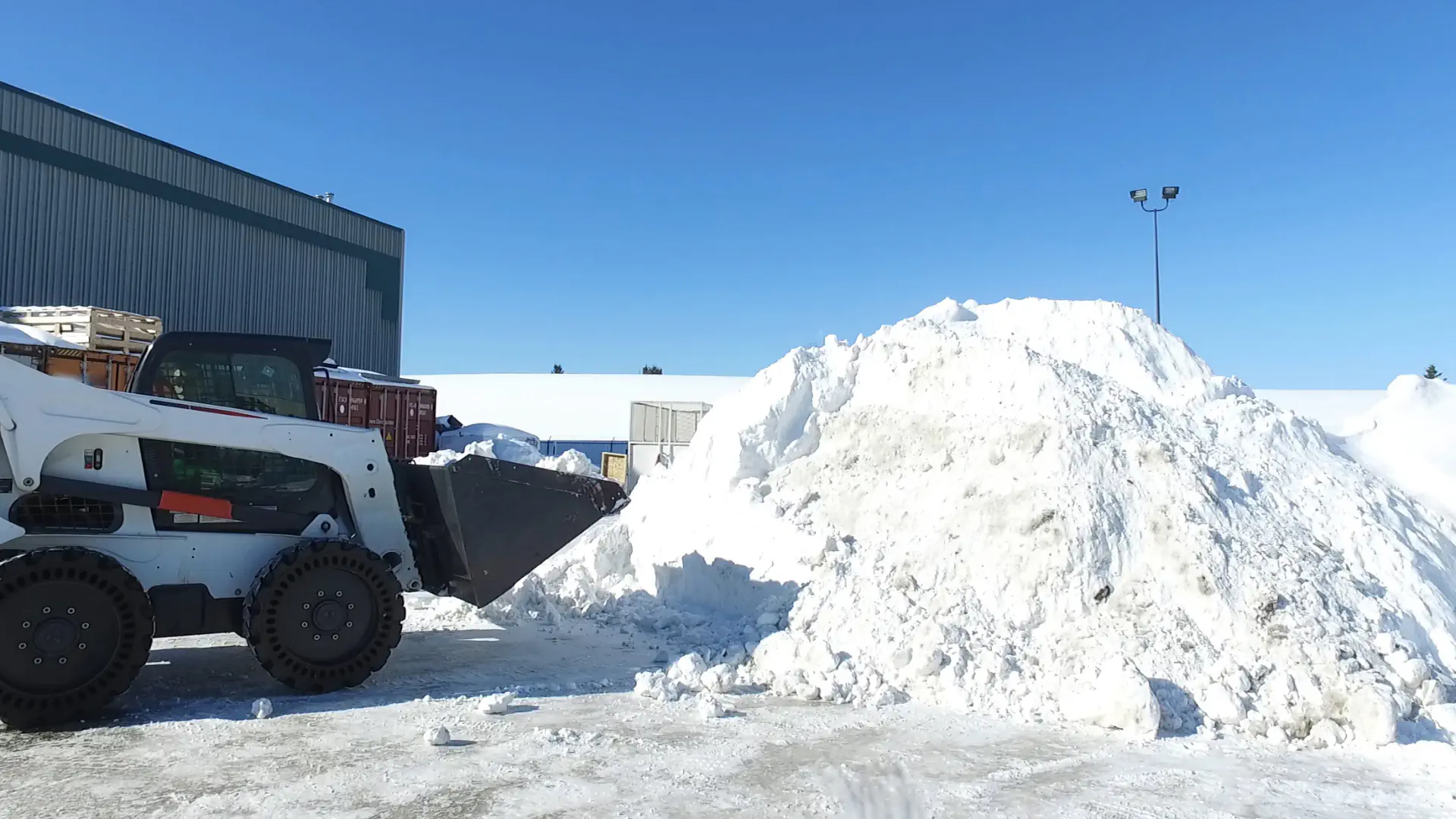
Waiting until spring may leave cracks exposed through an entire freeze-thaw season, compounding repair needs significantly. If you’re also budgeting for commercial snow removal Denver CO services this season, bundling that conversation with a fall pavement assessment is a smart way to prepare your property comprehensively.
Protect Your Pavement Before Small Cracks Become Big Problems
For practical property owners, asphalt crack sealing is less about fixing today’s cracks and more about preventing tomorrow’s pavement failures.
Denver’s climate can be unforgiving, but proactive maintenance extends pavement life and protects your investment through every season. Whether you manage a commercial parking lot or maintain a residential driveway, addressing cracks early is almost always the most economical path forward.
DMH Site Services provides comprehensive pavement maintenance throughout the Denver metro area, from crack sealing and sealcoating to parking lot striping Denver projects, concrete contractors Denver services, and full asphalt paving Denver solutions. As an established Denver commercial asphalt company, we also serve clients who need asphalt companies Denver can trust for consistent, high-quality results across both residential and commercial properties.
If you’re unsure whether your pavement needs attention, a professional evaluation from DMH Site Services can identify existing damage, estimate costs, and build the right maintenance schedule for your property, before minor issues turn into major repairs.