Same Material, Completely Different Engineering
At first glance, asphalt is asphalt, black, dense, and built to handle traffic. But if you’ve ever compared a residential driveway to a commercial parking lot, you’ve likely noticed they don’t perform the same way over time. One handles a couple of passenger vehicles per day. The other absorbs constant traffic, delivery trucks, service vehicles, and the compounding stress of thousands of load cycles per week.
That difference in use changes everything about how asphalt is designed, installed, and maintained. Understanding the distinction isn’t just useful trivia, it helps property owners make smarter decisions, avoid premature damage, and invest in the right pavement structure for their specific needs.
At DMH Site Services, we work across both sides of this equation. Whether we’re installing a residential driveway or managing asphalt paving in Denver for a large commercial property, the engineering behind each project reflects exactly what that surface needs to perform, not a one-size-fits-all approach.
Commercial vs. Residential Asphalt: What’s Actually Different?
The core difference comes down to design strength, thickness, and load capacity.
Residential asphalt is built for lighter use. A standard driveway typically supports passenger vehicles on a relatively predictable schedule. The asphalt layer is usually 2 to 3 inches thick, laid over a prepared aggregate base. For most homes, that’s sufficient, provided the base is properly compacted and the surface receives routine asphalt maintenance in Denver, CO throughout its life.
Commercial asphalt is engineered for a fundamentally different set of demands. Heavy and continuous traffic, delivery trucks, service vehicles, high-volume parking, requires a thicker asphalt layer, often 4 to 6 inches or more, supported by a stronger, more extensively compacted base underneath. The base design itself is more sophisticated, accounting for load distribution across the full surface rather than isolated point loads from a personal vehicle.
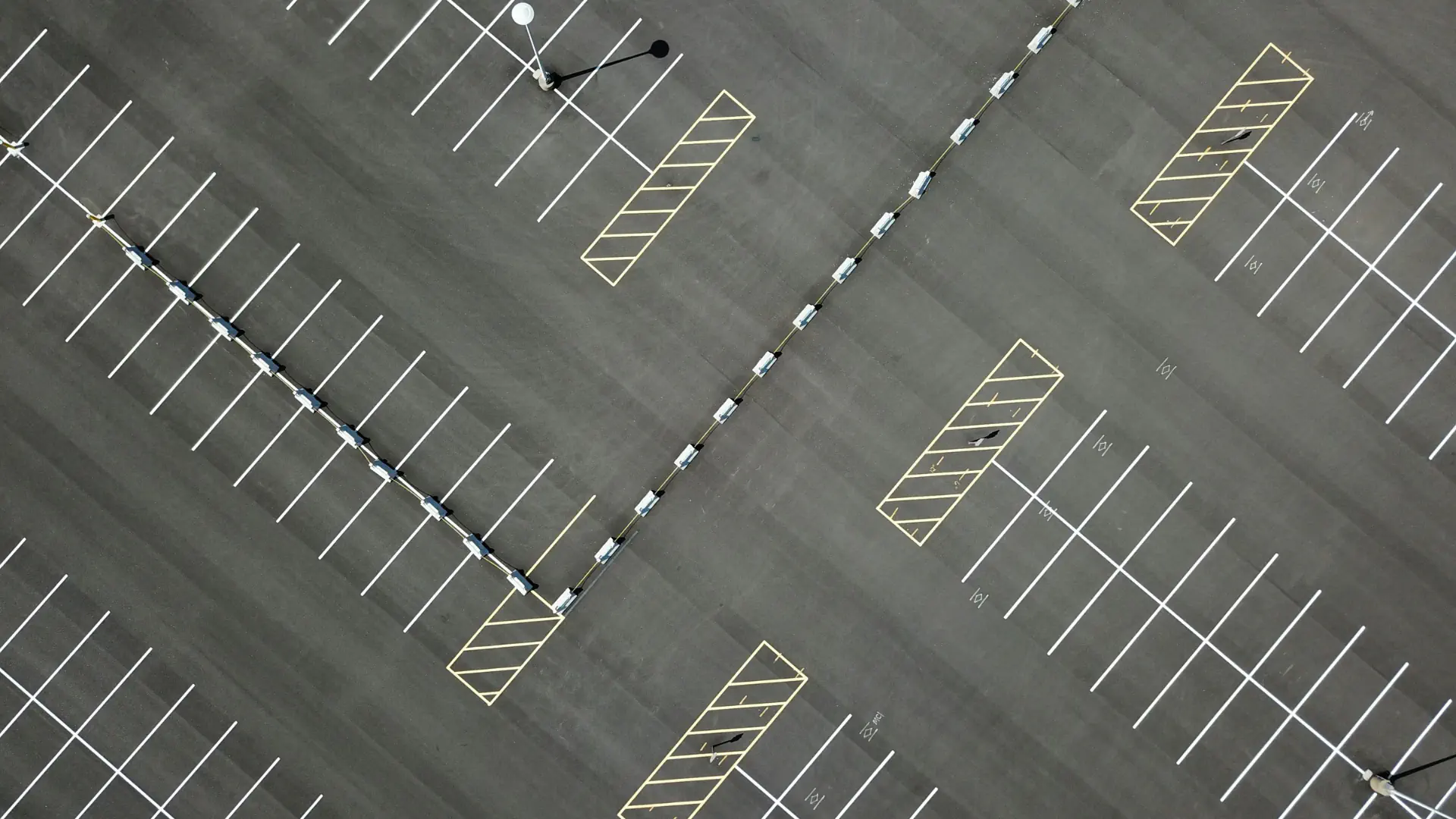
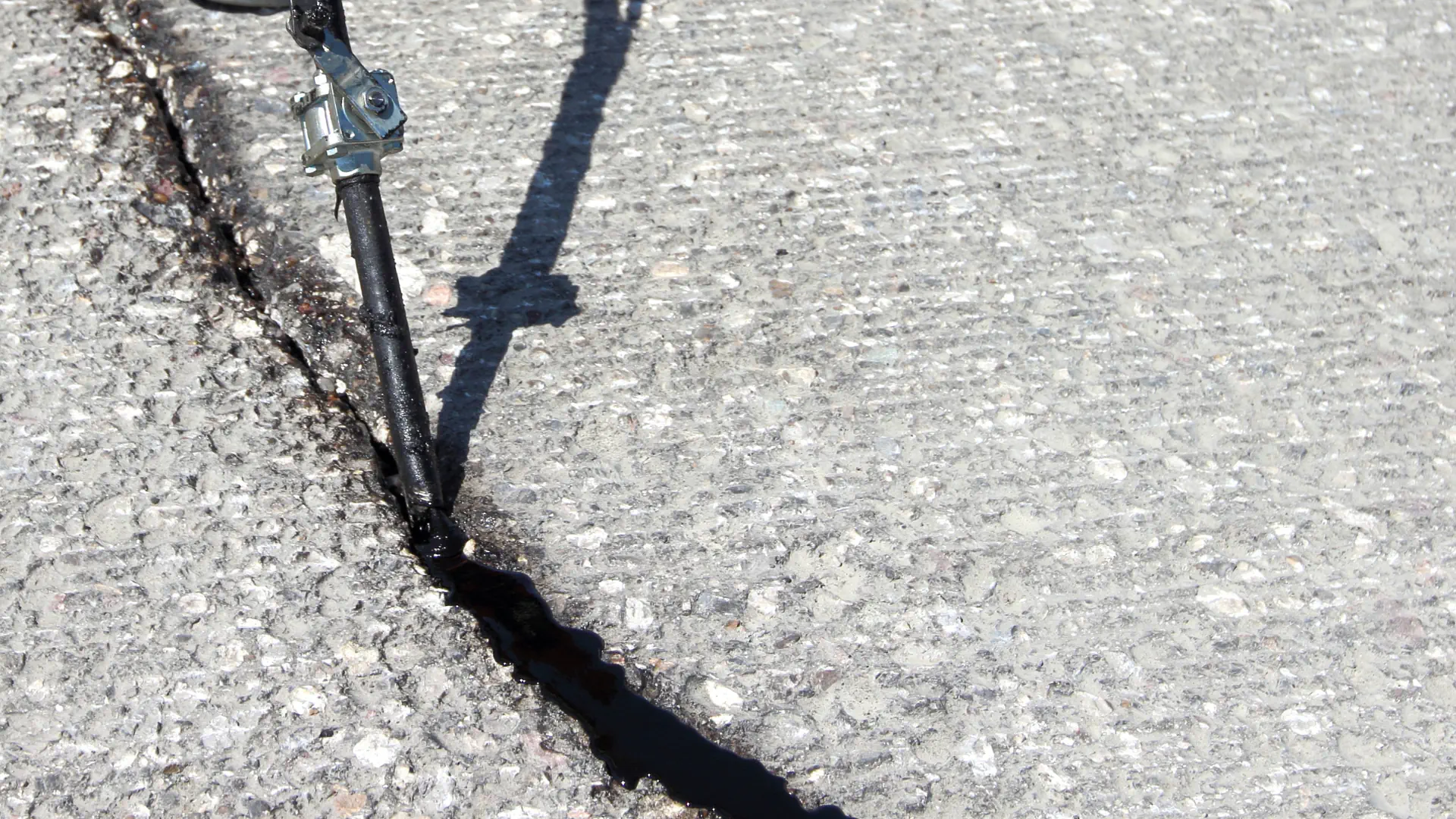
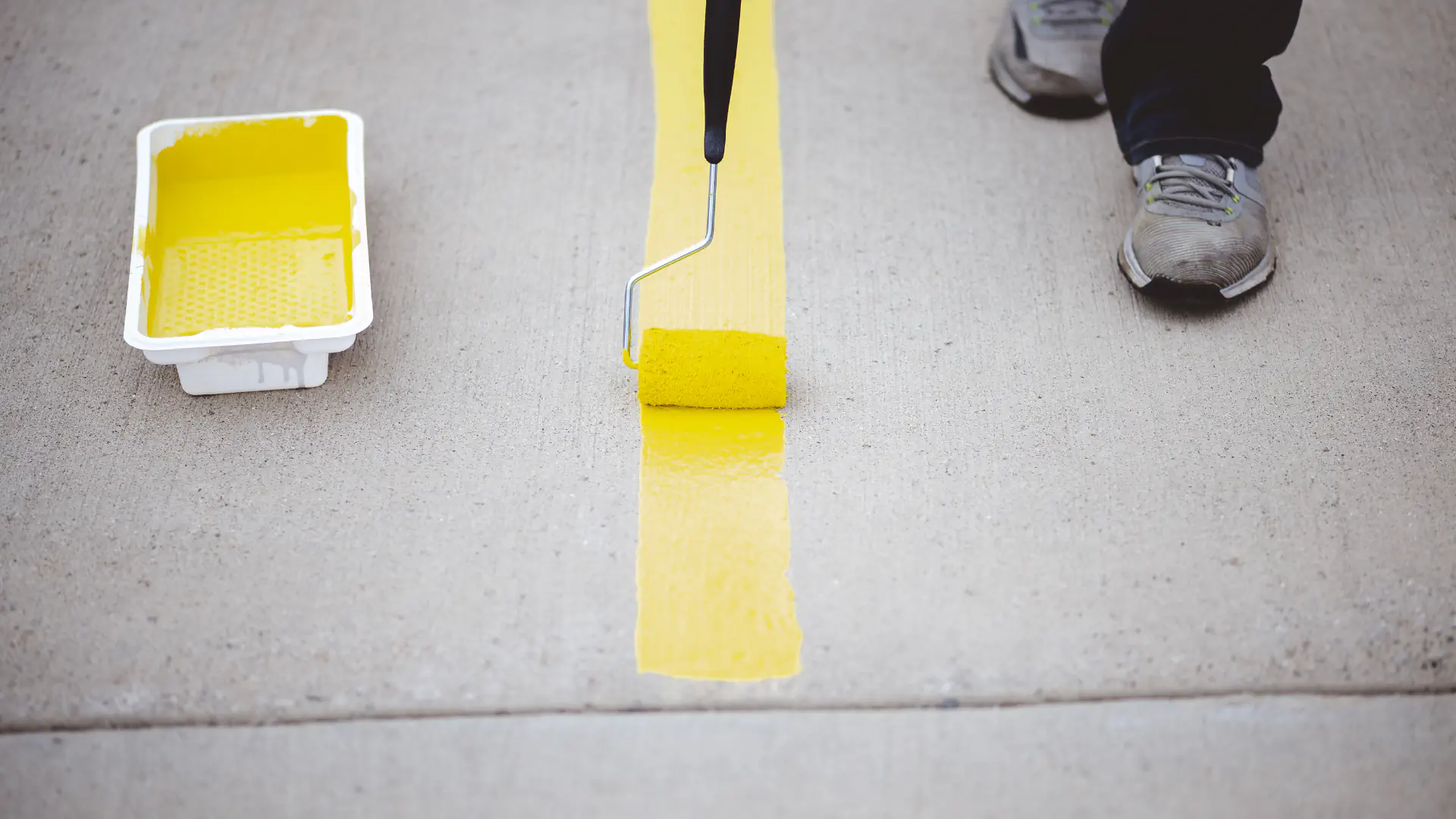
The preparation process for commercial work is also more intensive. Advanced drainage planning, precise grading, ADA compliance, and coordination with parking lot striping in Denver are all standard components of a commercial installation. Maintenance expectations reflect the added stress as well: commercial surfaces require more frequent inspections, crack sealing, and line striping to stay safe and functional under constant use.
Choosing the wrong structure for a property, or underbuilding a commercial surface to reduce upfront cost, leads to early cracking, accelerated pothole formation, and repair bills that far exceed what proper engineering would have cost from the start. Every Denver commercial asphalt company worth hiring will size the installation to the actual demands of the property, not the minimum spec that keeps the initial price low.
Is There a Difference Between Commercial and Residential Asphalt?
Yes, and it’s more significant than most property owners initially expect.
The structural gap between commercial and residential asphalt isn’t just about thickness. It’s about how the entire system, surface layer, base material, drainage design, and compaction method, is engineered to handle the specific load and traffic pattern of that property.
Commercial pavement built to residential spec will fail. The base won’t distribute heavy loads properly, the surface layer will deform under repeated stress, and drainage inadequacies will accelerate freeze-thaw damage through Denver’s winters. DMH Site Services evaluates each project independently to determine the right specification, whether that’s a straightforward residential install or a full commercial build with engineered drainage, heavy-duty base compaction, and coordination across concrete contractors in Denver for curb and apron work.
The investment in proper commercial engineering isn’t an upsell. It’s the reason the pavement still looks and performs well ten years later.
How Much Does a 20×20 Asphalt Driveway Cost?
A 20×20 driveway, roughly 400 square feet, falls on the smaller end of residential projects, and cost varies based on several site-specific factors:
Excavation and grading requirements: If the existing surface needs significant regrading or excavation before base material can be placed, that adds to the project scope.
Asphalt layer thickness: Residential driveways are typically 2 to 3 inches. Choosing the appropriate thickness for your traffic pattern and soil conditions matters more than simply choosing the thinnest option to reduce cost.
Base material quality and compaction: A well-compacted aggregate base is what separates pavement that lasts 15 to 20 years from pavement that fails in five. DMH Site Services never compromises on base preparation regardless of project size.
Drainage corrections or slope adjustments: Sites with existing drainage problems require corrections before paving begins. Ignoring them means the new surface inherits the same failure modes as the old one.
Smaller projects often carry a higher cost per square foot because equipment mobilization and setup costs are distributed across a limited area. If the existing base is still sound, resurfacing may reduce total cost compared to a full tear-out and reinstall, something our team evaluates during every site assessment as part of our broader asphalt maintenance in Denver, CO services.
How Long Does a 2-Inch Asphalt Layer Last?
In residential applications with light vehicle traffic, a properly installed 2-inch layer can last anywhere from 10 to 20 years. Properties that stay consistent with routine maintenance, crack sealing, sealcoating every 2 to 3 years, and prompt pothole repair, reliably reach the upper end of that range.
In Denver specifically, the variables that compress that lifespan are well-documented: freeze-thaw cycles that exploit every unsealed crack, UV oxidation that dries out the asphalt binder faster than in lower-elevation climates, and the occasional heavy load from a moving truck or delivery vehicle that a 2-inch residential surface wasn’t designed to absorb repeatedly.
This is exactly why asphalt maintenance in Denver, CO isn’t optional maintenance, it’s the difference between a surface that needs resurfacing at year 10 versus full replacement at year 7. DMH Site Services builds maintenance schedules into every project recommendation so property owners know what the surface needs and when, rather than reacting to damage after it’s already progressed.
For commercial applications, 2 inches is simply not sufficient. The additional thickness requirements of commercial work exist for a reason, and asphalt companies in Denver that cut those specifications to win a bid are doing their clients a disservice that shows up clearly within the first few years of use.
What Should You Never Do on a New Asphalt Driveway?
Fresh asphalt requires a curing window before it can be treated as fully hardened pavement. One of the most consistent mistakes DMH Site Services sees from homeowners is treating a new surface like it’s immediately ready for full use. It isn’t, and early stress can create permanent damage that no amount of maintenance will correct.
Here’s what to avoid in the weeks following a new installation:
Parking heavy vehicles or trailers too soon. The surface remains pliable during early curing, and heavy concentrated loads can create permanent impressions before the asphalt has fully stabilized.
Turning wheels sharply while the vehicle is stationary. This scuffs and displaces the surface material, leaving marks that harden into visible defects as the asphalt cures.
Ignoring soft spots during hot weather. Denver’s summer heat can keep fresh asphalt pliable longer than expected. Soft areas need to be identified and avoided until temperatures drop and curing progresses.
Allowing chemical spills to sit on the surface. Oil, gasoline, and other petroleum-based fluids break down asphalt binder. On a fresh surface, the damage is faster and deeper than on a fully cured one.
Placing heavy objects like dumpsters or equipment before full cure. Point loads from stationary heavy objects are among the most reliable ways to create permanent surface deformation in new asphalt.
Following proper curing protocols protects the investment that went into the installation. DMH Site Services provides clear post-installation guidance on every project, residential or commercial, so clients know exactly how to protect their new surface from day one.
Getting the Right Asphalt for the Right Application
The engineering behind your pavement should match what you’re asking it to do. A residential driveway and a commercial parking lot have different structural requirements, different maintenance schedules, and different consequences when those specifications aren’t met.
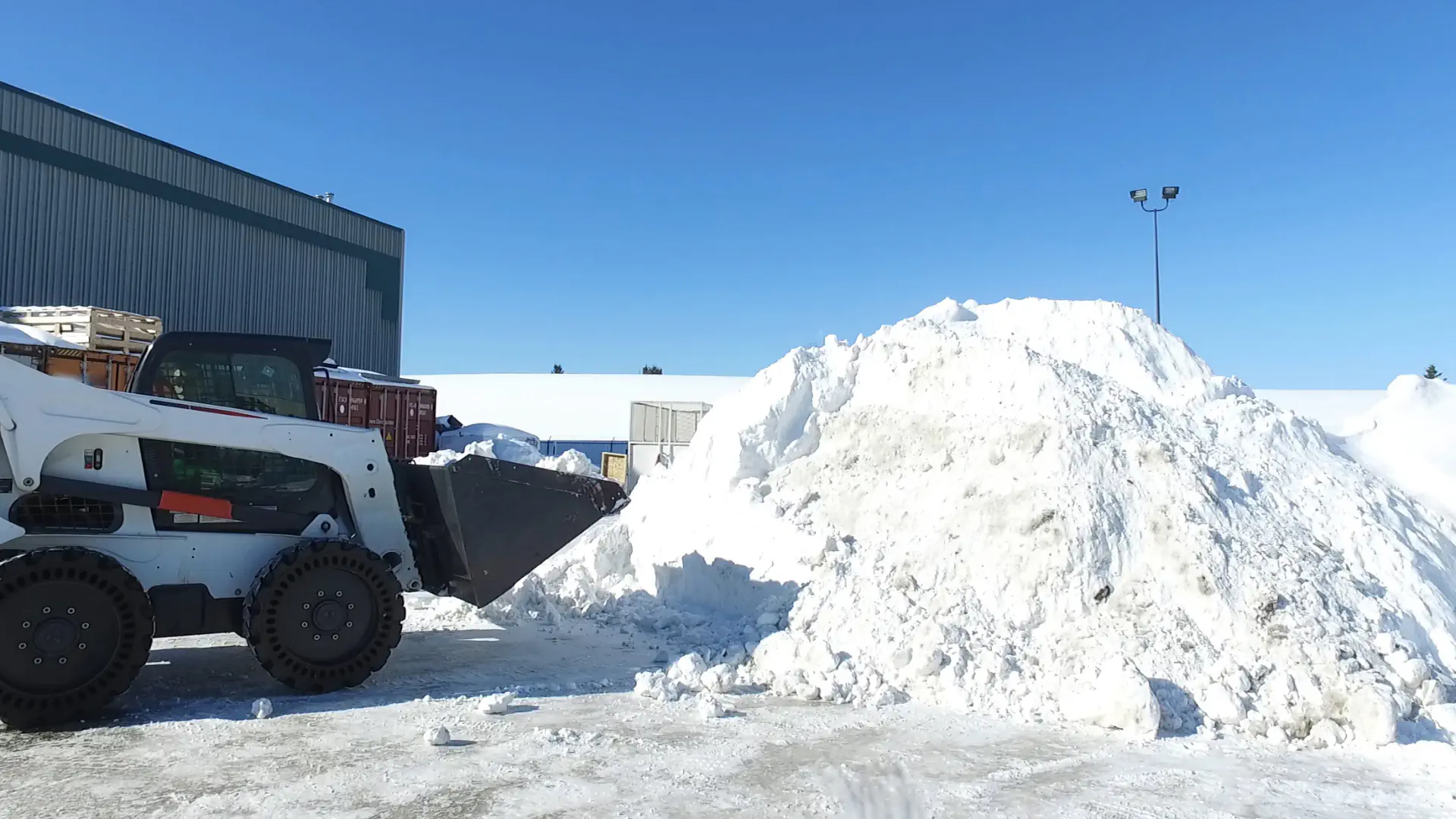
DMH Site Services handles both, and handles them correctly. From residential asphalt paving in Denver and long-term asphalt maintenance to full commercial installations with engineered bases, parking lot striping in Denver, and commercial snow removal in Denver, CO that protects your investment through the winter, our team covers every phase of pavement care with the same attention to detail.
As an established Denver commercial asphalt company with experience across a wide range of project types and property sizes, DMH Site Services brings the right specification, the right materials, and the right crew to every job, whether it’s a 400-square-foot driveway or a 40,000-square-foot commercial lot.
Contact DMH Site Services today for a site evaluation and a straight answer about what your property actually needs, built to last, not just to look good on the day it’s finished.