Why Timing Matters More Than You Think
If you’ve ever had new concrete poured and felt the urge to step on it, park on it, or “just check it”, you’re not alone. But in a place like Denver, timing isn’t just a recommendation. It’s what determines whether your slab lasts five years or twenty-five.
Concrete curing is a slow chemical process, not a simple drying phase. Even when the surface looks and feels solid within a day or two, internal strength is still actively developing beneath what you can see. Add Denver’s high-altitude sun, low humidity, and sudden freeze-thaw temperature swings, and the curing process becomes considerably more sensitive than most homeowners expect.
In general, concrete reaches about 70% of its designed strength within seven days and continues gaining strength for weeks after that. Light foot traffic is typically safe after 24 to 48 hours, but vehicles should wait at least seven days, and full curing takes approximately 28 days under ideal conditions. In colder climates or during temperature swings, both of which Denver delivers regularly, that timeline can stretch.
Moisture retention, proper sealing, and controlled curing conditions all influence whether a slab reaches its intended durability or develops early cracking that shortens its functional life. Concrete may set quickly, but it doesn’t truly finish for nearly a month, and rushing it is one of the most consistent causes of premature surface failure that experienced concrete contractors in Denver work to prevent.
DMH Site Services approaches every concrete project with that full-timeline standard in mind, because a slab that cures correctly from the start avoids the repair costs that cut-corner installations create within just a few winters.
Why Denver Changes the Concrete Curing Rules
Concrete doesn’t cure in a neutral environment anywhere in Denver. Several local conditions make the process more demanding than national general guidelines account for.
Denver’s elevation increases UV intensity, which accelerates surface drying. That sounds beneficial until you understand what it actually means for curing: when moisture escapes the surface too quickly, the internal hydration process that builds strength gets disrupted. The slab can appear finished while the chemistry underneath remains incomplete.
Then there’s the freeze-thaw cycle, arguably the single biggest threat to concrete longevity in Colorado. Water that seeps into partially cured concrete can freeze overnight, expand inside the material, and create micro-fractures that widen progressively over subsequent winters. A slab that wasn’t protected during its critical early curing window may look intact for a season or two before those internal cracks reach the surface.
That’s why concrete contractors in Denver who understand local conditions use curing compounds, moisture-retaining coverings, and temperature-aware scheduling practices that contractors in milder climates simply don’t need to prioritize. Techniques that produce durable results in Houston or Phoenix don’t translate directly to Denver’s elevation, UV exposure, and overnight temperature behavior.
This is also why asphalt maintenance in Denver CO professionals apply the same climate-aware thinking to adjacent flatwork, because the pavement and concrete surfaces around a property age together, and they’re both subject to the same freeze-thaw forces that test installation quality every winter.
How Long Does it Take a 4 Inch Slab of Concrete to Cure?
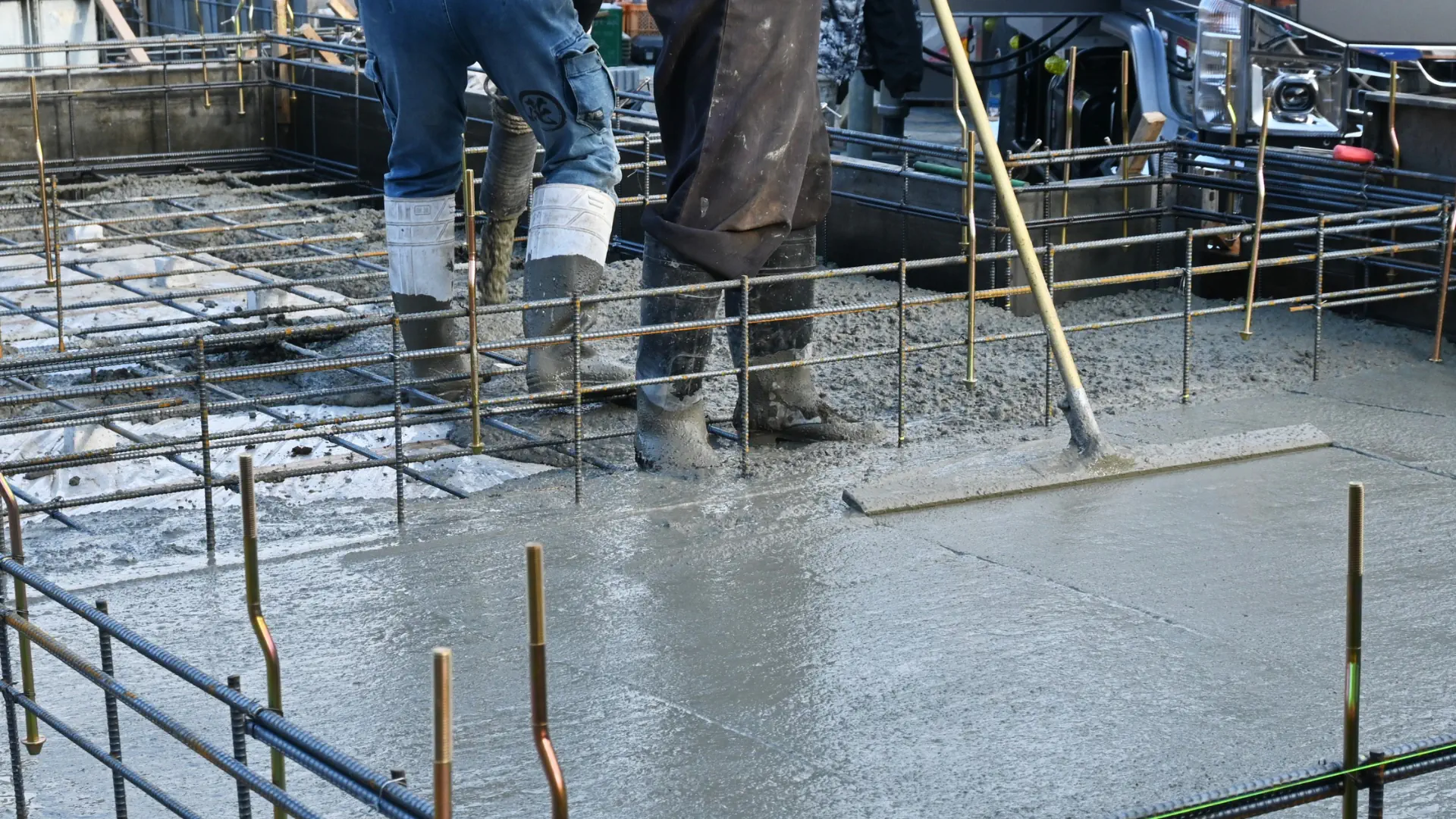
A standard 4-inch concrete slab typically becomes walkable within 24 to 48 hours after the pour. It supports light use around days three to five, and reaches functional vehicle-bearing strength at approximately seven days. Full curing, meaning maximum designed durability, still requires roughly 28 days under favorable conditions.
In Denver, experienced concrete contractors in Denver often recommend treating that 28-day window conservatively, especially for slabs poured during spring or fall when overnight temperatures can drop below freezing unexpectedly. A slab that was protected well during curing performs measurably better over its full lifespan than one that was exposed too early to vehicle loading or freeze-thaw stress.
What Is the 1 2 3 Rule for Concrete?
The 1-2-3 rule is a practical field guideline used to communicate early curing milestones:
- 1 day: Initial set, avoid any disturbance to the surface
- 2 days: Light foot traffic becomes possible
- 3 days: Early strength development is underway
This isn’t an engineering standard or a final clearance for load, it’s a practical early-timeline reference that helps property owners and crews communicate expectations during the first critical days after a pour.
What Is the 4 2 1 Rule for Concrete?
The 4-2-1 rule is another contractor shorthand used in field settings to convey a compressed curing sequence:
- 4 hours: Initial set begins
- 2 days: Partial usable strength reached
- 1 week: Functional load-bearing stage
Like the 1-2-3 rule, this serves as a quick reference rather than a strict engineering standard. Both guidelines help project teams align expectations, but neither replaces the 28-day full-cure standard that governs when a slab has reached its designed performance level.
How Strong Is Concrete After 3 Days?
At the three-day mark, concrete typically reaches approximately 30 to 50% of its designed strength. It may feel solid underfoot, but it remains vulnerable to heavy loads, impact stress, and moisture intrusion. Early outdoor protection, particularly in Denver’s variable conditions, is critical during this window.
DMH Site Services routinely advises property owners on exactly these milestones after each concrete installation, because knowing what the slab can and cannot handle at each stage prevents the kind of unintentional damage that appears weeks later and gets attributed to poor installation rather than premature loading.
What the Curing Timeline Means for Your Full Property
Concrete curing timelines don’t exist in isolation from the rest of a property’s maintenance needs. For commercial properties especially, a new concrete pour often connects directly to adjacent asphalt paving in Denver work, parking lot striping in Denver schedules, and broader asphalt maintenance in Denver CO planning.
Coordinating those timelines matters. Striping a parking lot before adjacent concrete curb work is complete, or scheduling sealcoating before a new concrete apron has fully cured, creates sequencing problems that cost time and money to correct. A full-service Denver commercial asphalt company that also manages concrete work understands how those timelines interact, and plans projects so each phase protects the one that follows.
DMH Site Services coordinates concrete, asphalt, and striping work across commercial properties with exactly that sequencing awareness, ensuring that each surface is properly cured, prepared, and protected before the next phase begins.
For properties in Denver that also require commercial snow removal in Denver CO, that coordination extends into winter planning as well, because newly cured concrete and fresh asphalt surfaces both benefit from snow removal approaches that protect the pavement rather than damage it during its first winter season.
Practical Guidance: What Denver Property Owners Should Do
The safest approach for anyone managing a new concrete installation is straightforward: treat the first seven days as a protected window. Avoid vehicle traffic, keep heavy equipment off the surface, and protect the slab from rapid drying or unexpected rain and freeze events.
After the seven-day mark, gradually reintroduce load, but keep full operational use and heavy vehicle traffic off the surface until the 28-day threshold. In Denver’s climate, that patience pays measurable dividends in surface longevity.
Proper curing practices, moisture control, temperature-aware scheduling, and protective covering when conditions require it, are as important as the concrete mix itself. The best concrete contractors in Denver engineer both sides of that equation, and the difference shows up clearly after the first few Colorado winters.
Get the Curing Process Right From the Start
Concrete may set quickly, but it earns its durability over nearly a month, and in Denver’s demanding climate, the decisions made during that window define how the slab performs for the next decade or more.
DMH Site Services brings that standard to every concrete and asphalt project across the Denver metro. Whether you need experienced concrete contractors in Denver for a new driveway apron, commercial flatwork, or curb and sidewalk repairs, or a full-service Denver commercial asphalt company to manage asphalt paving in Denver, asphalt maintenance in Denver CO, parking lot striping in Denver, and commercial snow removal in Denver CO, the team delivers work built to hold up through every Colorado season.
If you’re planning a concrete project in Denver and want the installation, curing process, and long-term maintenance handled correctly from the start, contact DMH Site Services for a professional assessment. Getting it right the first time is always less expensive than repairing it after the damage is done.