When people hear “commercial grade asphalt,” it often sounds like the obvious premium choice, stronger, longer-lasting, and automatically superior. But the reality is more nuanced, and understanding the difference can save you real money.
Commercial asphalt is engineered for heavy traffic loads: delivery trucks, forklifts, constantly turning vehicles, and high-volume parking lots. Residential asphalt is designed for lighter, more predictable use, everyday cars and small SUVs. So while commercial grade asphalt does carry a higher load-bearing capacity, it is not always the right fit for a home driveway. In many residential applications, specifying commercial-grade material adds cost without delivering any meaningful performance advantage.
The real distinction comes down to mix design, binder strength, and how the material responds to sustained pressure, not raw quality. Both types can last 15 to 25 years when properly installed and maintained. The key word is matched, the right asphalt for the right application.
At DMH Site Services, we help property owners across DENVER make that call with confidence, whether the project is a residential driveway or a full commercial lot requiring the expertise of a seasoned Denver commercial asphalt company.
Is There a Difference Between Commercial and Residential Asphalt?
Yes, and the difference matters more than most property owners realize.
Commercial asphalt uses a higher-strength binder and a more robust aggregate structure built to withstand constant heavy loads and frequent turning movements, like those found in parking lots or loading zones. Residential asphalt prioritizes a smoother ride, surface flexibility, and moderate vehicle traffic without the need for extreme load tolerance.
The thickness difference is also significant. Commercial surfaces are typically built three to six inches deep, sometimes more depending on usage, while residential driveways are usually two to three inches. Commercial base layers are also more heavily reinforced to prevent rutting and deformation under sustained pressure.
Both types use similar foundational materials, but the engineering behind them is calibrated for completely different stress environments. For property managers working with asphalt companies in DENVER, understanding this distinction helps avoid over-specifying on residential jobs and under-specifying on commercial ones.
DMH Site Services assesses each project individually, measuring traffic load, site conditions, and long-term use expectations before recommending a mix design. That approach is what separates a driveway that lasts from one that starts cracking after three winters.
How Much Would a 200 ft Asphalt Driveway Cost?
Asphalt driveway cost is calculated by square footage, not linear footage alone. A 200-foot driveway that is 10 feet wide covers roughly 2,000 square feet, a useful baseline for cost planning.
Current installation rates for asphalt paving in DENVER typically range from $4 to $10 per square foot, depending on base preparation requirements, material thickness, drainage conditions, and local market factors.
For a 200-foot driveway, that translates to:
- Low range: approximately $8,000
- High range: approximately $20,000
Key factors that shift pricing include soil conditions, excavation scope, drainage work, and whether the existing base needs reinforcement before paving begins. Commercial-grade mixes can increase the per-square-foot cost, but they are rarely the right specification for standard residential driveways unless the property sees consistent heavy vehicle traffic.
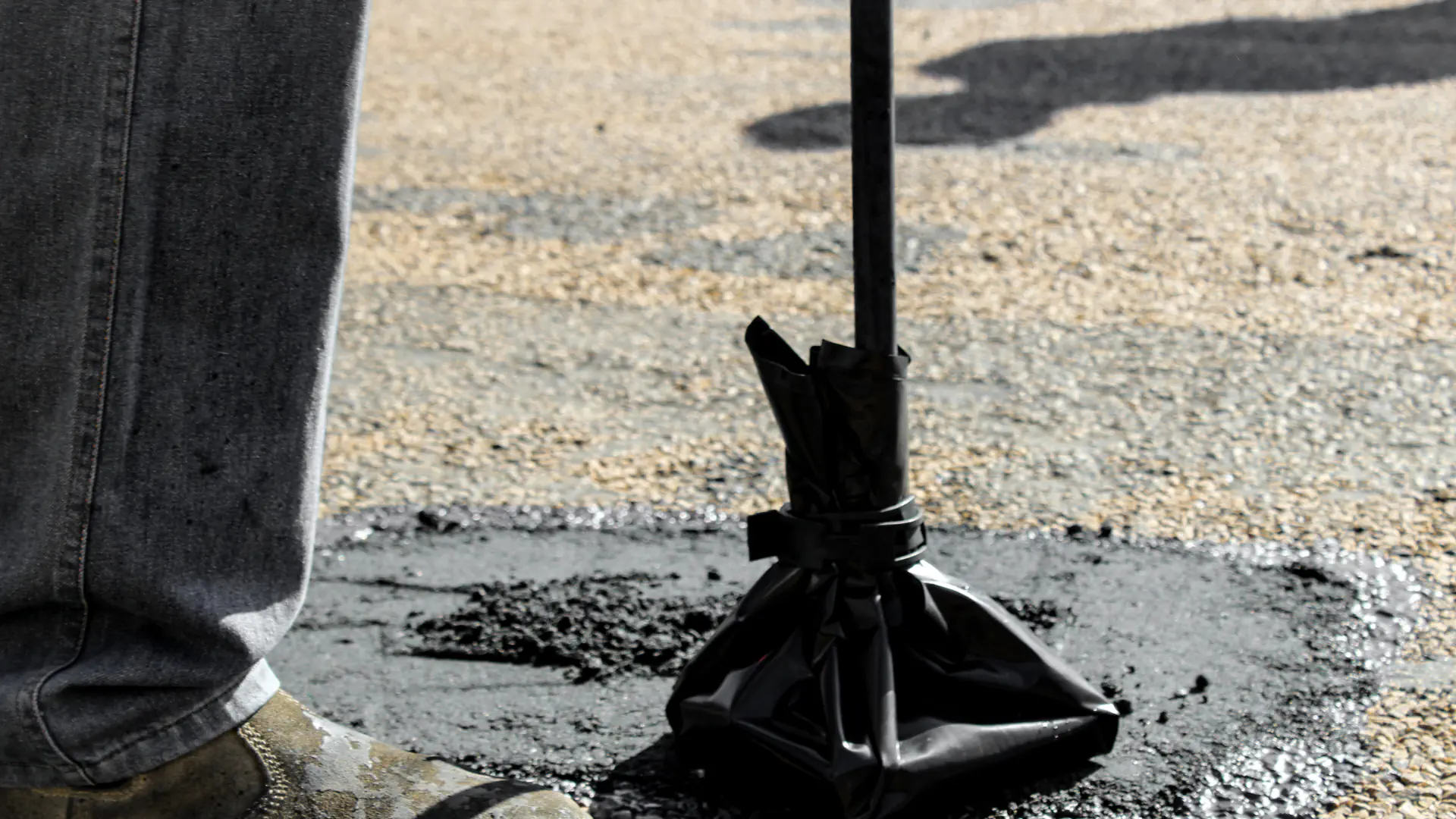
Proper asphalt maintenance in DENVER CO also plays a role in long-term cost. A well-maintained surface, sealcoated on schedule, with cracks addressed early, dramatically extends pavement life and delays the expense of full replacement. DMH Site Services offers ongoing maintenance programs designed to protect your investment well beyond the initial installation.
What Is the Best Quality Asphalt for a Driveway?
For most residential driveways, the highest-performing and most cost-effective option is hot mix asphalt (HMA) with a dense-graded aggregate structure. It compacts tightly, finishes smoothly, and holds up well under normal vehicle use for years when installed correctly.
For higher-performance needs, contractors may recommend:
- Polymer-modified asphalt, improves flexibility and resistance to temperature-related cracking
- Dense-graded mix, balances structural strength with effective water drainage
- Stone matrix asphalt (SMA), a premium option for extreme durability and superior rut resistance, typically used in commercial applications
For residential driveways in DENVER, a properly installed hot mix asphalt over a well-prepared base layer is almost always the right answer. The grade of the material matters, but the quality of the installation matters more. A premium mix laid over a poorly prepared base will still fail prematurely.
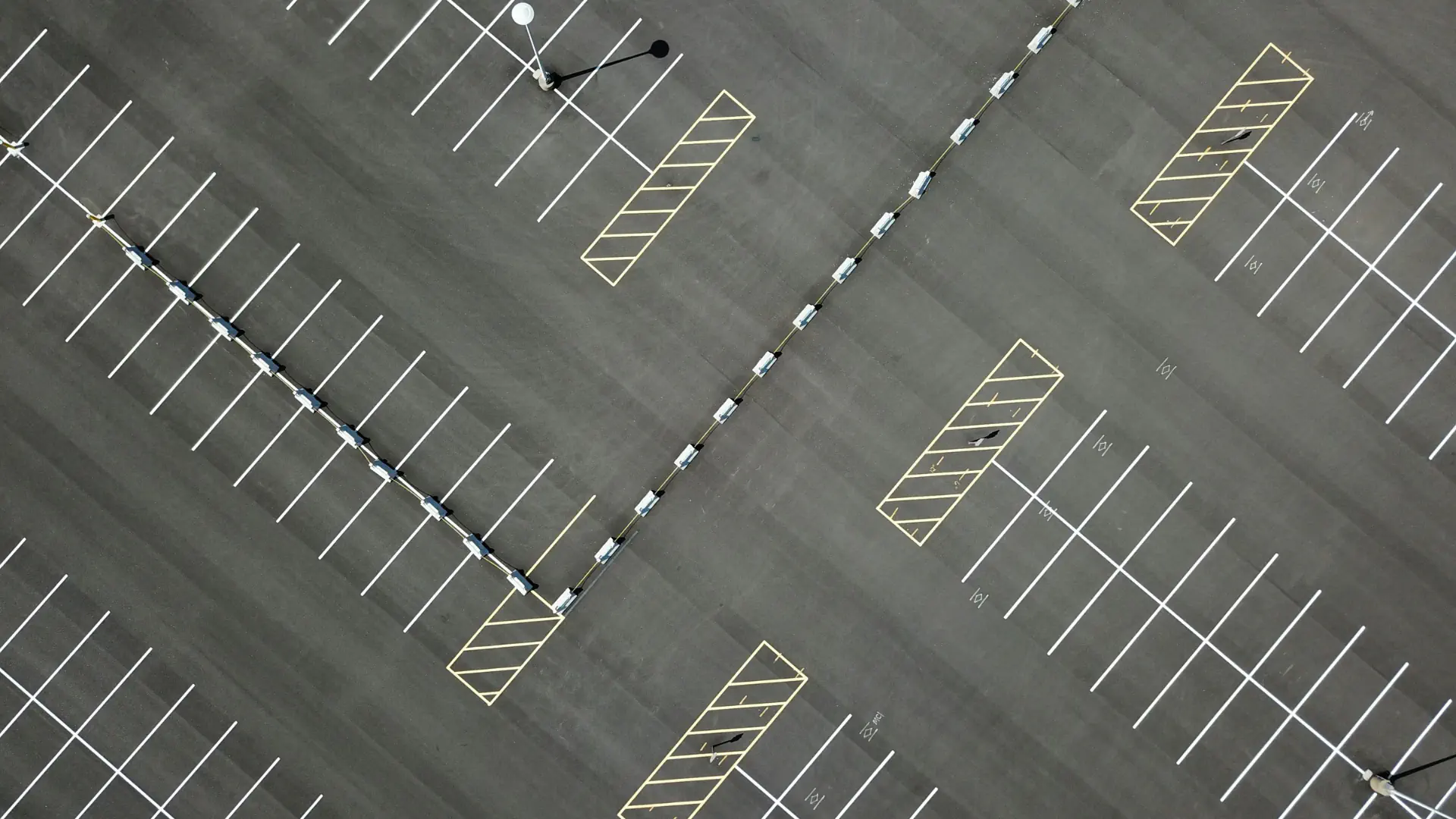
This is why experienced asphalt companies in DENVER invest as much attention in base grading and compaction as they do in material selection. DMH Site Services treats every project, from residential driveways to commercial lots requiring parking lot striping in DENVER, with the same standard of base preparation and finish quality.
Why Can’t You Pave in the Winter?
This is one of the most common questions property owners ask, and the answer is rooted in basic material science.
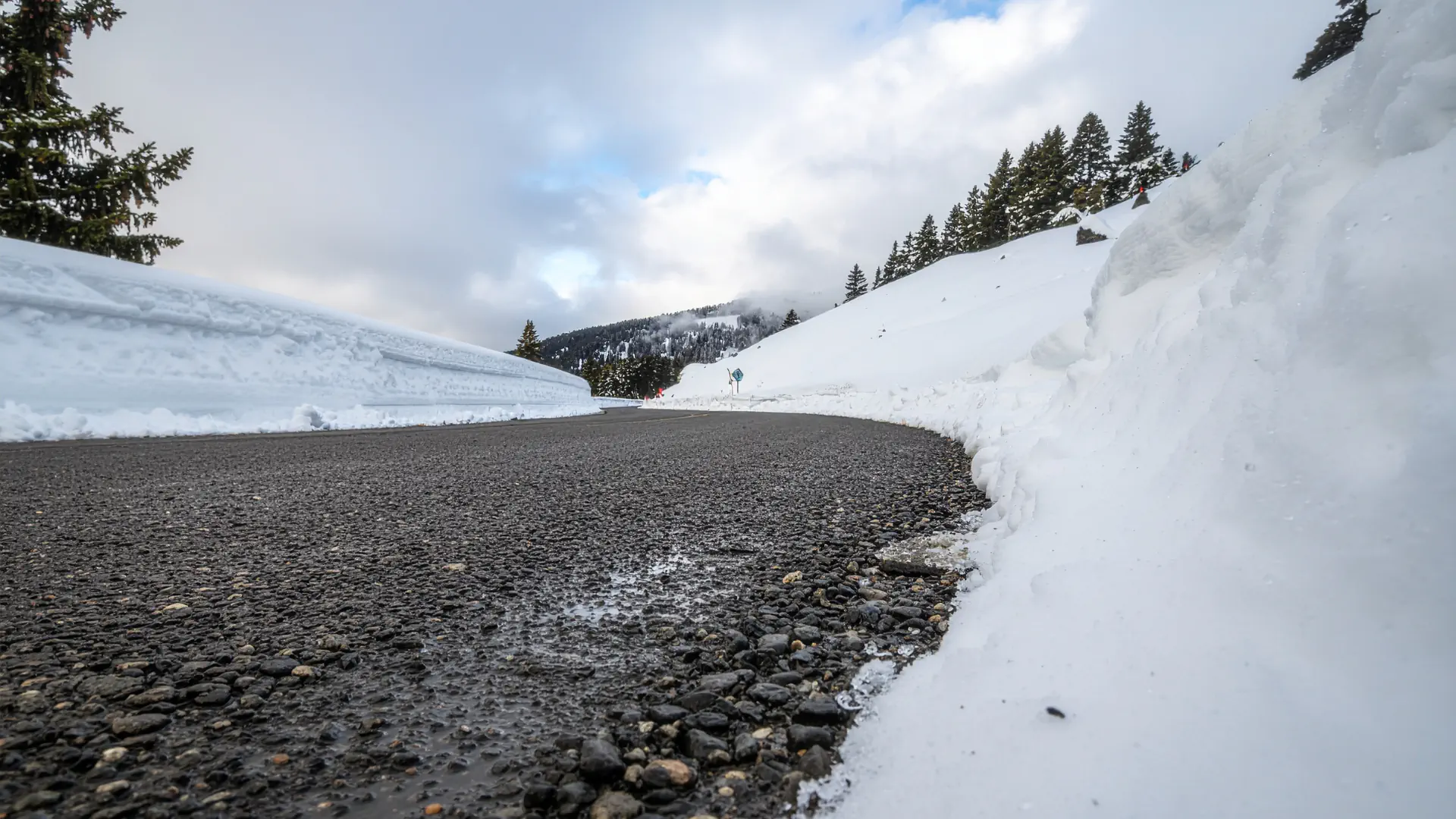
Asphalt is highly temperature-sensitive. It must be laid and compacted while hot, and the surrounding conditions, both ground temperature and air temperature, must be warm enough to allow proper bonding and curing. In cold weather, that window disappears quickly.
Here is why winter paving consistently produces poor results:
- Asphalt cools too rapidly to compact properly before it stiffens
- Cold ground prevents the material from bonding effectively with the base layer
- Moisture from snow, ice, or frost weakens the structural interface
- Incomplete curing leads to early cracking, surface deterioration, and premature failure
Most reputable contractors pause major paving operations when temperatures drop consistently below 50°F (10°C). In DENVER, that typically means asphalt paving in DENVER is most reliably performed between late spring and early fall, with scheduling dependent on both daytime and overnight temperature forecasts.
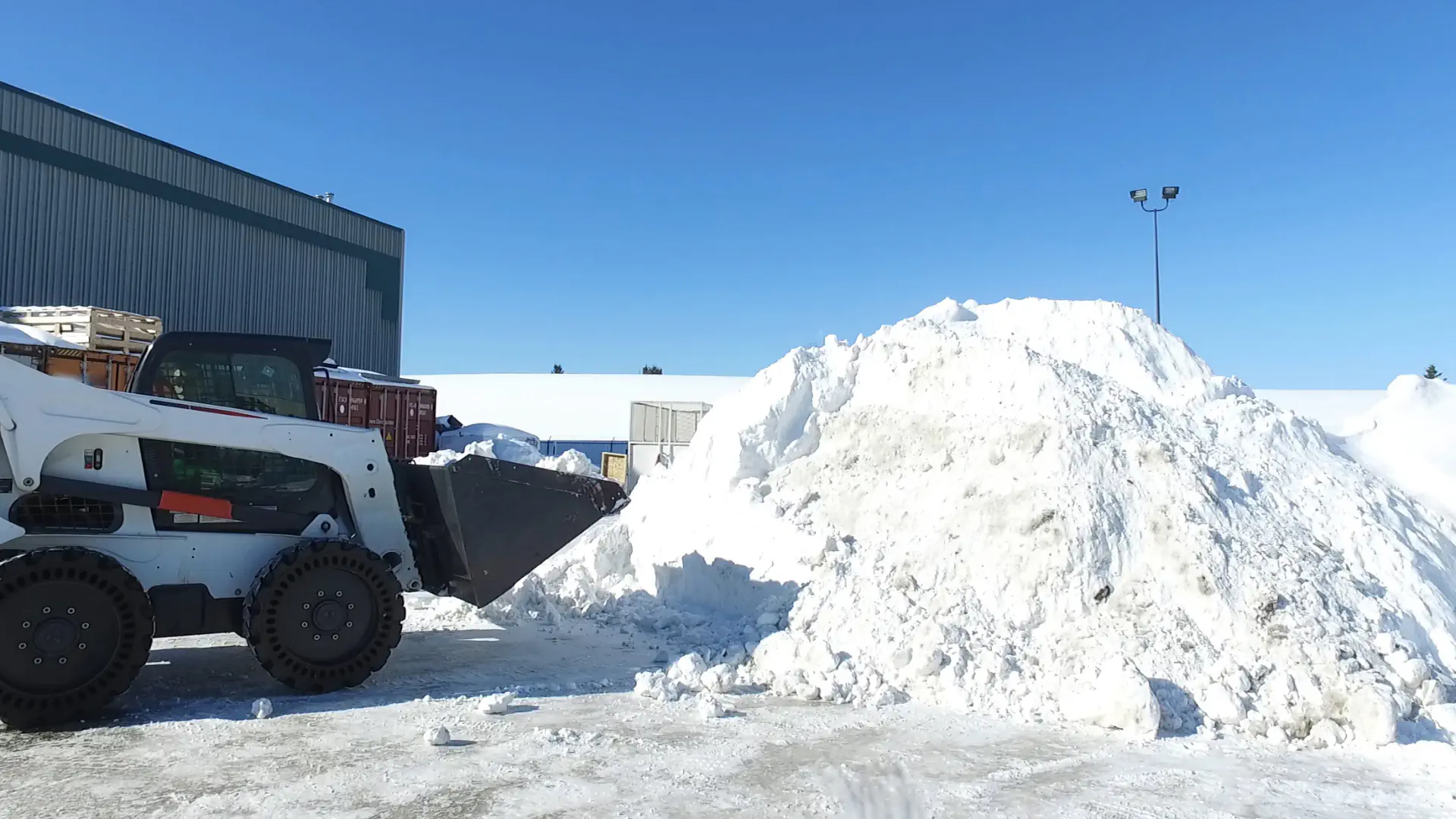
During winter months, DMH Site Services shifts focus to services that perform well in cold conditions, including commercial snow removal in DENVER CO, surface repairs on existing pavement, and planning consultations for spring paving projects. Working with concrete contractors in DENVER for interior or sheltered installations can also keep projects moving through the colder months.
Final Takeaway
Commercial grade asphalt is not automatically better, it is purpose-built for heavier, more demanding environments. For most homeowners, residential-grade hot mix asphalt installed over a properly prepared base is the smarter, more cost-effective choice. The grade of material you choose matters, but it is only one piece of a larger equation that includes installation quality, base preparation, timing, and long-term maintenance.
Whether you are planning a new driveway, managing a commercial parking lot, or evaluating options for asphalt maintenance in DENVER CO, the right contractor makes the difference between a surface that lasts and one that costs you more every few years.
DMH Site Services brings the experience and local knowledge to match every project with the right materials, the right process, and the right timing, from asphalt paving in DENVER to concrete contractors in DENVER, parking lot striping, and commercial snow removal in DENVER CO. Reach out before the season changes and get a clear, honest assessment of what your property actually needs.