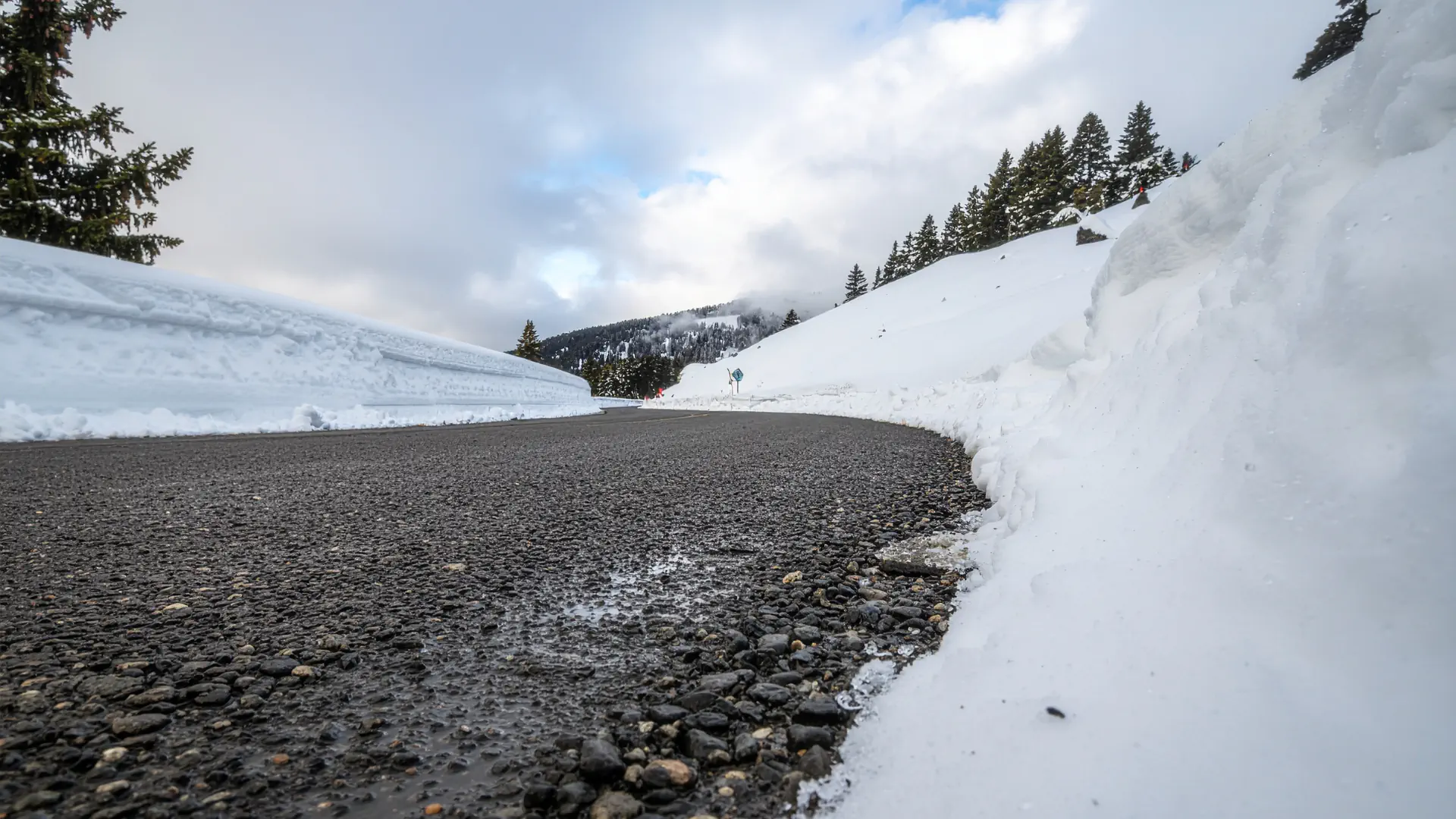
If you’ve lived in Denver long enough, you already know the weather has commitment issues. One afternoon it’s sunny and dry, the next morning there’s snow packed into driveway cracks. For asphalt surfaces, that constant expansion, contraction, UV exposure, and moisture creates the perfect recipe for early wear.
That’s why asphalt maintenance in Denver CO isn’t something property owners should treat as optional cosmetic upkeep. It’s preventative protection, similar to staining a deck before winter or replacing worn caulking before water damage spreads. At DMH Site Services, we’ve seen firsthand what happens when Denver property owners wait too long, and the cost difference between early maintenance and emergency repair is rarely small.
For practical homeowners and property managers who prefer solving problems before they become expensive, understanding the right sealcoating schedule can save thousands in premature repairs or full resurfacing costs.
How Frequently Should You Seal Coat Asphalt?
In Denver’s climate, asphalt should generally be sealcoated every one to two years depending on traffic volume, sun exposure, drainage quality, and the current condition of the pavement. Because Colorado sits at high altitude with intense UV exposure and frequent freeze-thaw cycles, asphalt oxidizes and dries out faster than it would in milder climates. For any reputable Denver commercial asphalt company, that reality shapes every maintenance recommendation.
Sealcoating acts as a protective barrier, shielding asphalt from:
- UV damage
- Water penetration
- Snow and ice chemicals
- Oil and fuel stains
- Surface cracking
For residential driveways, most professionals recommend resealing every two years when the surface remains in good condition. Commercial parking lots and high-traffic areas often require annual inspections and more frequent service cycles because vehicle weight and repeated turning movements wear down protective coatings faster. DMH Site Services works with both residential and commercial clients across the Denver metro to determine the right schedule for each property, not just a generic timeline.
The timing of application matters as much as the frequency. In Denver, sealcoating performs best between late spring and early fall when temperatures consistently stay above 50°F. Applying sealer during unstable weather or before cold nights can prevent proper curing and shorten the lifespan of the entire application.
One of the biggest misconceptions property owners hold is waiting until asphalt “looks bad” before scheduling maintenance. By the time major cracking or potholes appear, water may already be undermining the pavement base beneath the surface. Preventative asphalt paving in Denver and routine sealcoating is significantly more cost-effective than full resurfacing or replacement.
What Is the Average Cost to Seal an Asphalt Driveway?
For most Denver-area homeowners, sealcoating an asphalt driveway typically costs between $0.15 and $0.35 per square foot depending on:
- Driveway size and layout
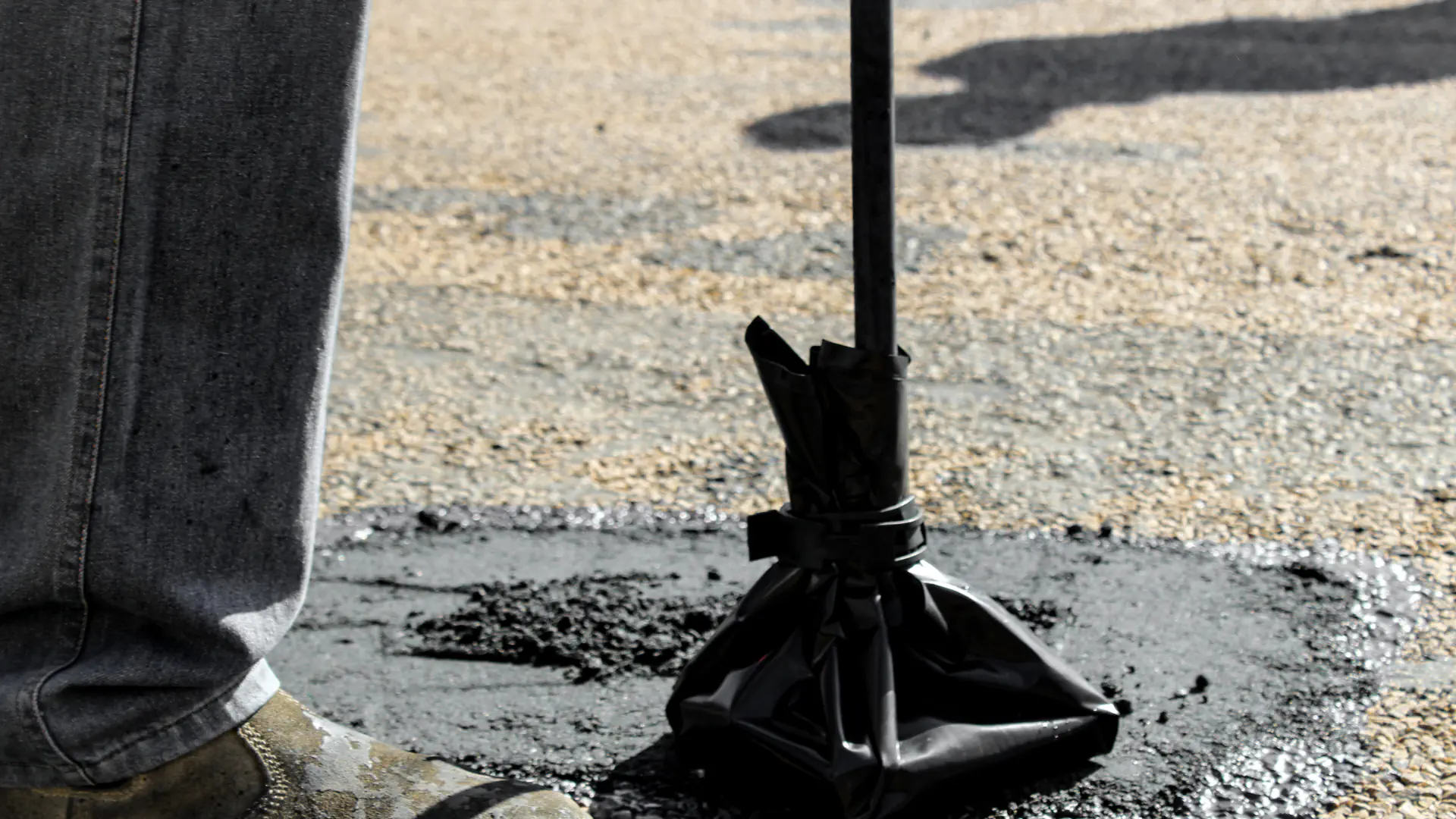
- Existing crack damage requiring repair
- Site accessibility
- Prep work needed
- Type and quality of sealant used
A standard residential driveway may cost anywhere from a few hundred dollars to over a thousand for larger properties with significant repair needs.
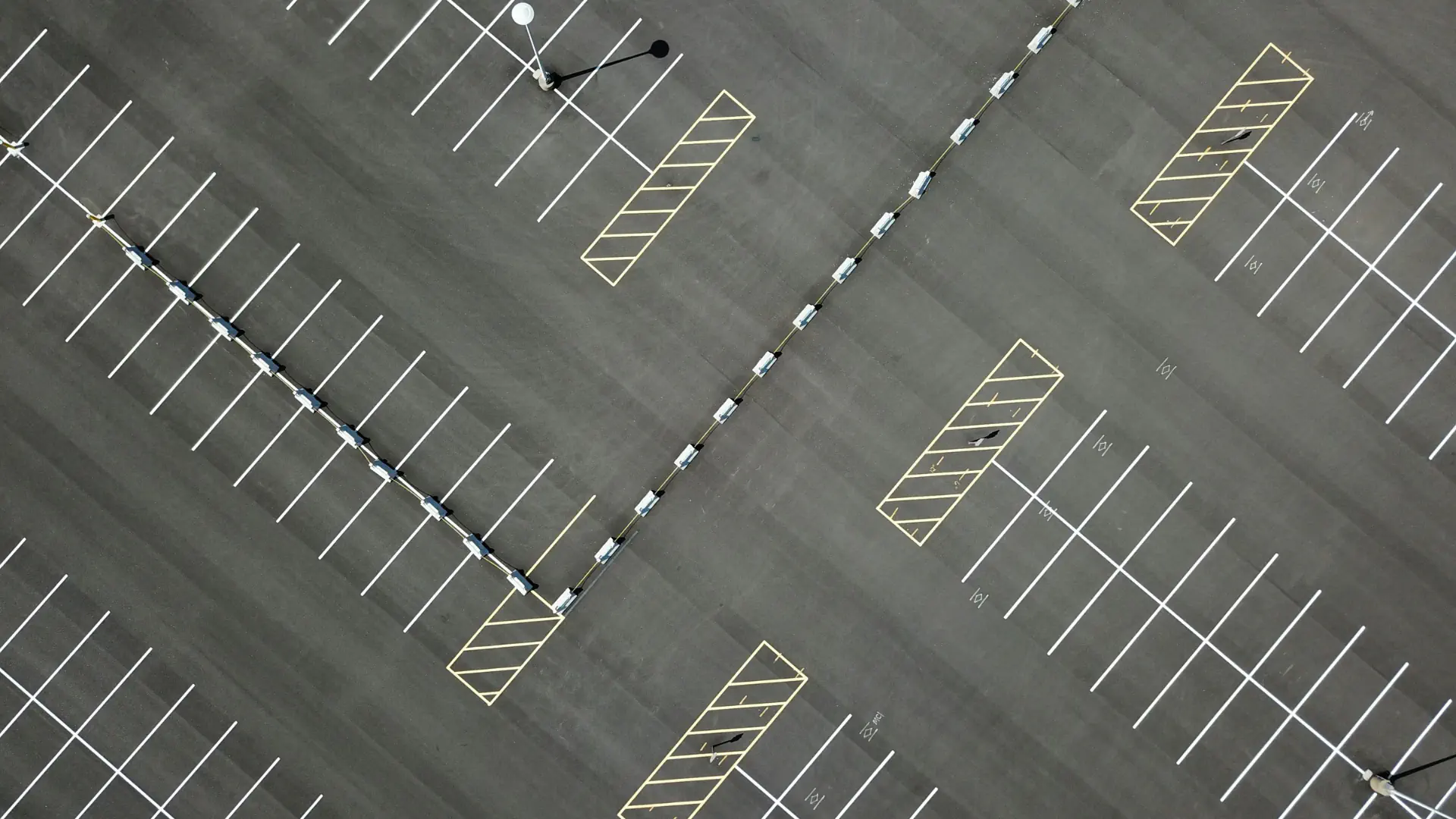
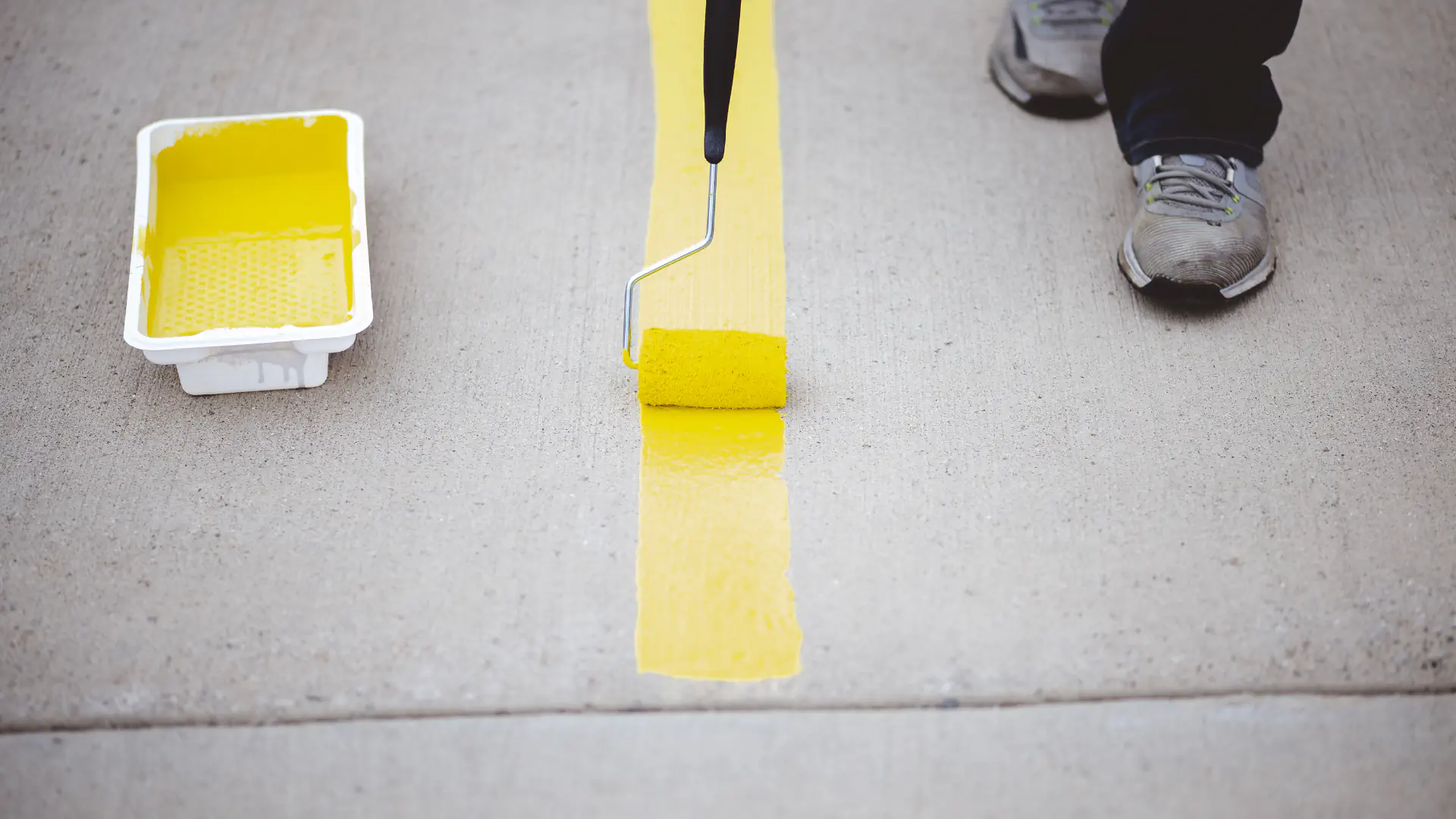
Commercial parking lots are priced differently. Parking lot striping in Denver, traffic control, crack filling, and staging all factor into labor and material costs, and skipping any of those steps tends to show up fast in Denver winters.
It’s also worth understanding that cheaper isn’t always better. Low-cost applications sometimes use watered-down materials or skip surface preparation entirely. In Denver’s climate, poor prep work rarely survives more than one winter. DMH Site Services uses materials and processes rated for Colorado’s demanding elevation and temperature swings, because cutting corners here isn’t a savings, it’s a delayed expense.
Why Is Sealing Your Driveway Pointless?
People usually raise this question after watching a driveway fail shortly after being sealed. In most cases, the problem wasn’t the concept of sealcoating, it was the execution.
Sealcoating becomes ineffective when:
- Existing cracks are left unaddressed
- Water drainage problems remain unresolved
- The asphalt foundation is already failing
- Low-quality materials are used
- The coating is applied too frequently or too thinly
Think of sealcoating like sunscreen for your pavement. It helps prevent damage, but it cannot reverse structural problems or deterioration already occurring beneath the surface.
For aging asphalt with widespread potholes or major sinking, resurfacing may make more financial sense than repeated cosmetic sealing. That’s a conversation the team at DMH Site Services is always willing to have honestly, because recommending the right solution for your specific pavement condition is more important than selling a service that won’t hold.
What Are the Common Driveway Sealing Mistakes?
One of the most frequent mistakes Denver property owners make is sealing too late. Small cracks expand rapidly during freeze-thaw cycles, especially after snowmelt refreezes overnight. By the time those cracks become visible concerns, the damage is often already progressing below the surface.
Other common sealing mistakes include:
- Applying sealer before new asphalt has fully cured
- Scheduling work immediately before rain or freezing temperatures
- Ignoring drainage slopes during prep
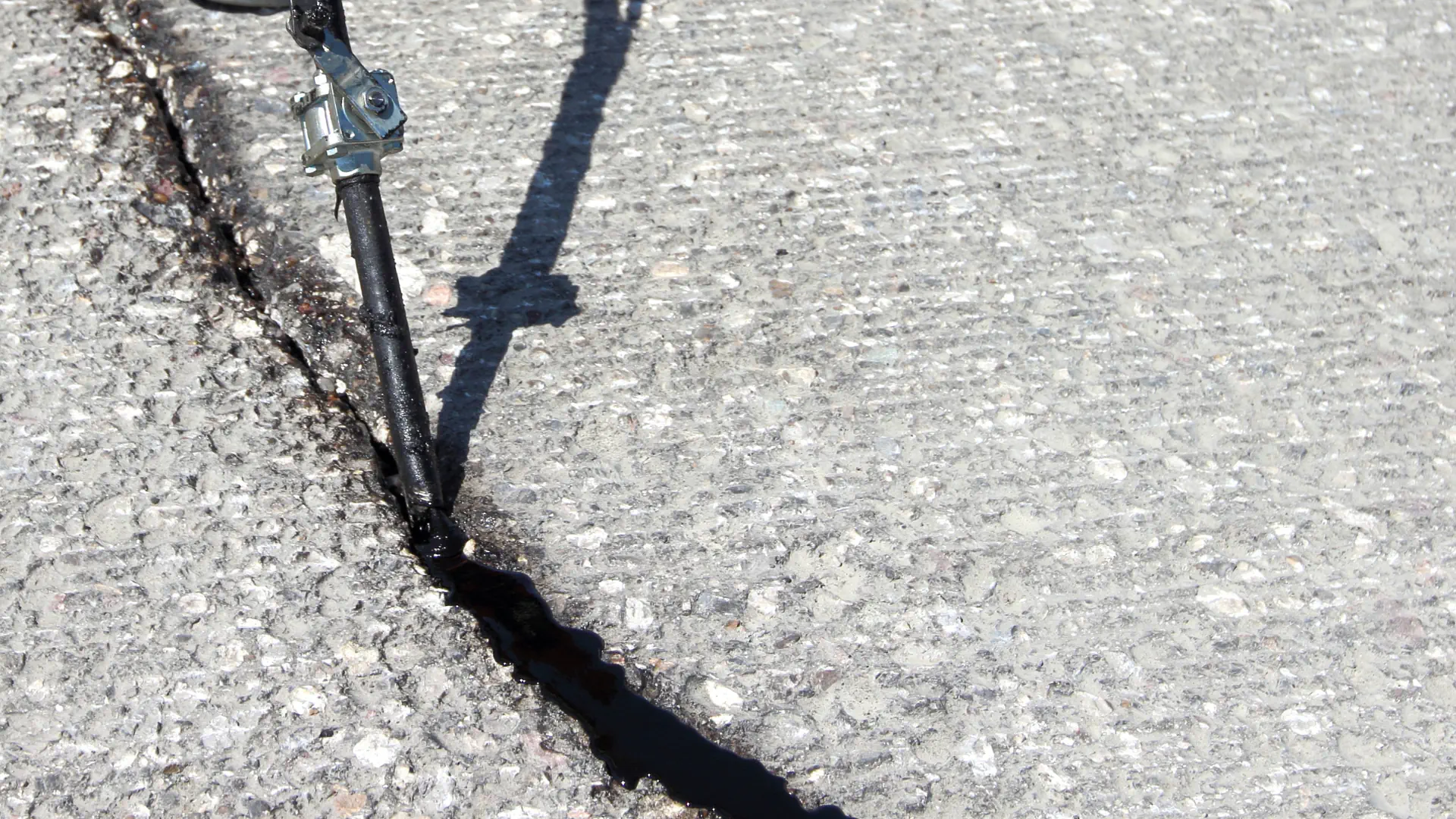
- Skipping crack filling before sealing
- Hiring crews that rush surface preparation
- Over-applying sealer, which leads to peeling or tire tracking
Another issue specific to Colorado is UV intensity. At Denver’s elevation, sunlight breaks down asphalt binders faster than most homeowners expect. A driveway that looks fine heading into fall can become surprisingly brittle after a full cycle of sun exposure and winter moisture intrusion.
That’s why asphalt maintenance in Denver CO tends to follow a more aggressive schedule than recommendations for milder climates, and why working with experienced asphalt companies in Denver who understand local conditions makes a measurable difference in long-term pavement life.
A Local Denver Reality Most Property Owners Notice Too Late
A lot of driveway and parking lot problems in Denver don’t start dramatically. They start with a thin crack after one winter. Then another. Then a small edge break near the curb where snow accumulates and compresses.
By the following season, moisture has already reached deeper layers.
Property owners who stay ahead of maintenance with DMH Site Services consistently spend less over the lifespan of their asphalt, because they’re protecting the structure before base damage begins. It’s not flashy work. But it’s practical, predictable, and far less stressful than emergency repairs after a harsh Colorado winter.
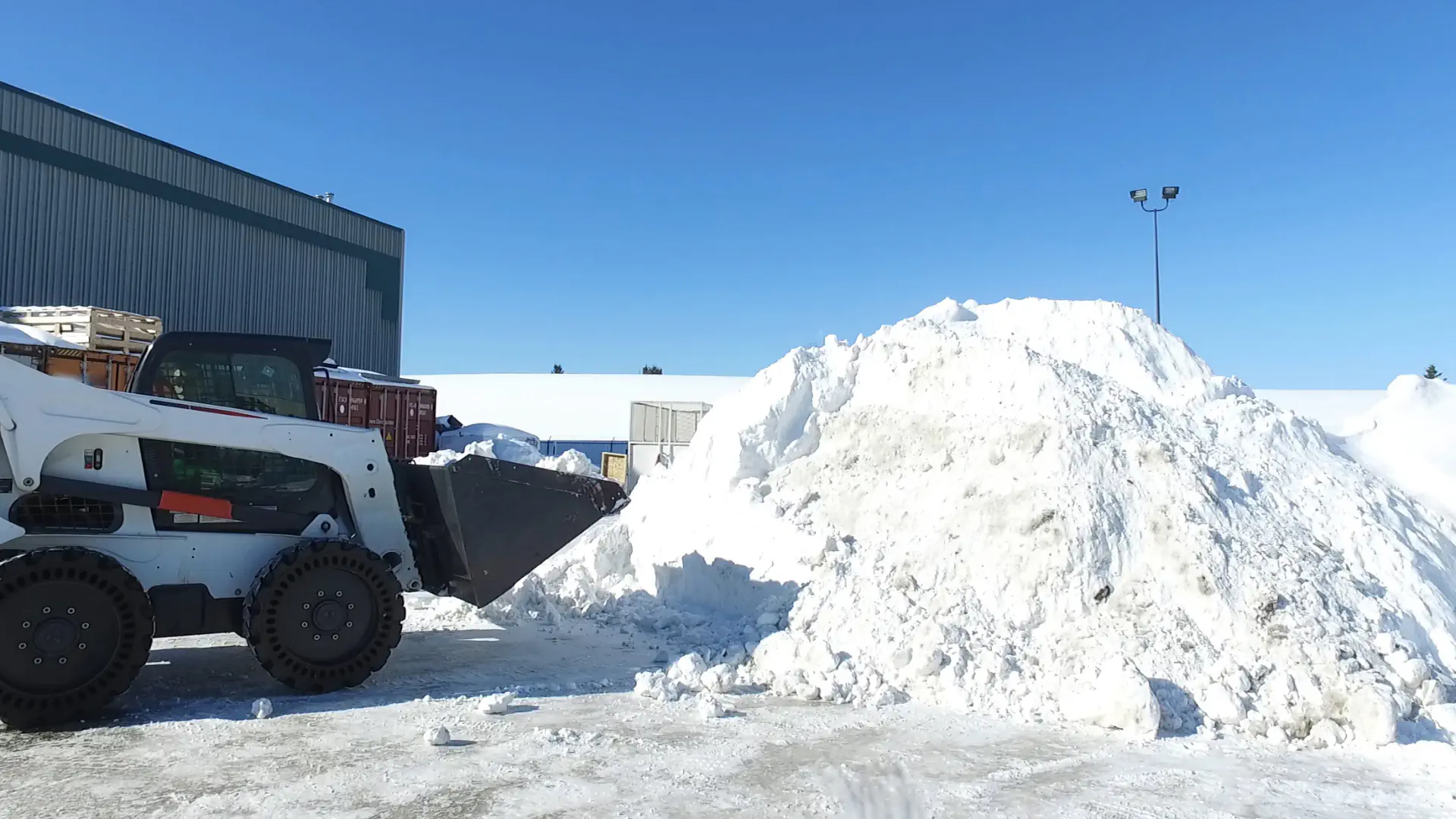
For commercial properties, that proactive approach also extends to services like commercial snow removal in Denver CO and parking lot striping in Denver, because pavement protection doesn’t stop at sealcoating. It’s a complete maintenance picture.
Protecting Asphalt Before Denver Weather Wins
In Denver, asphalt maintenance is less about appearance and more about longevity. Sealcoating every one to two years, addressing cracks early, and using climate-appropriate materials can dramatically extend pavement life under Colorado’s demanding conditions.
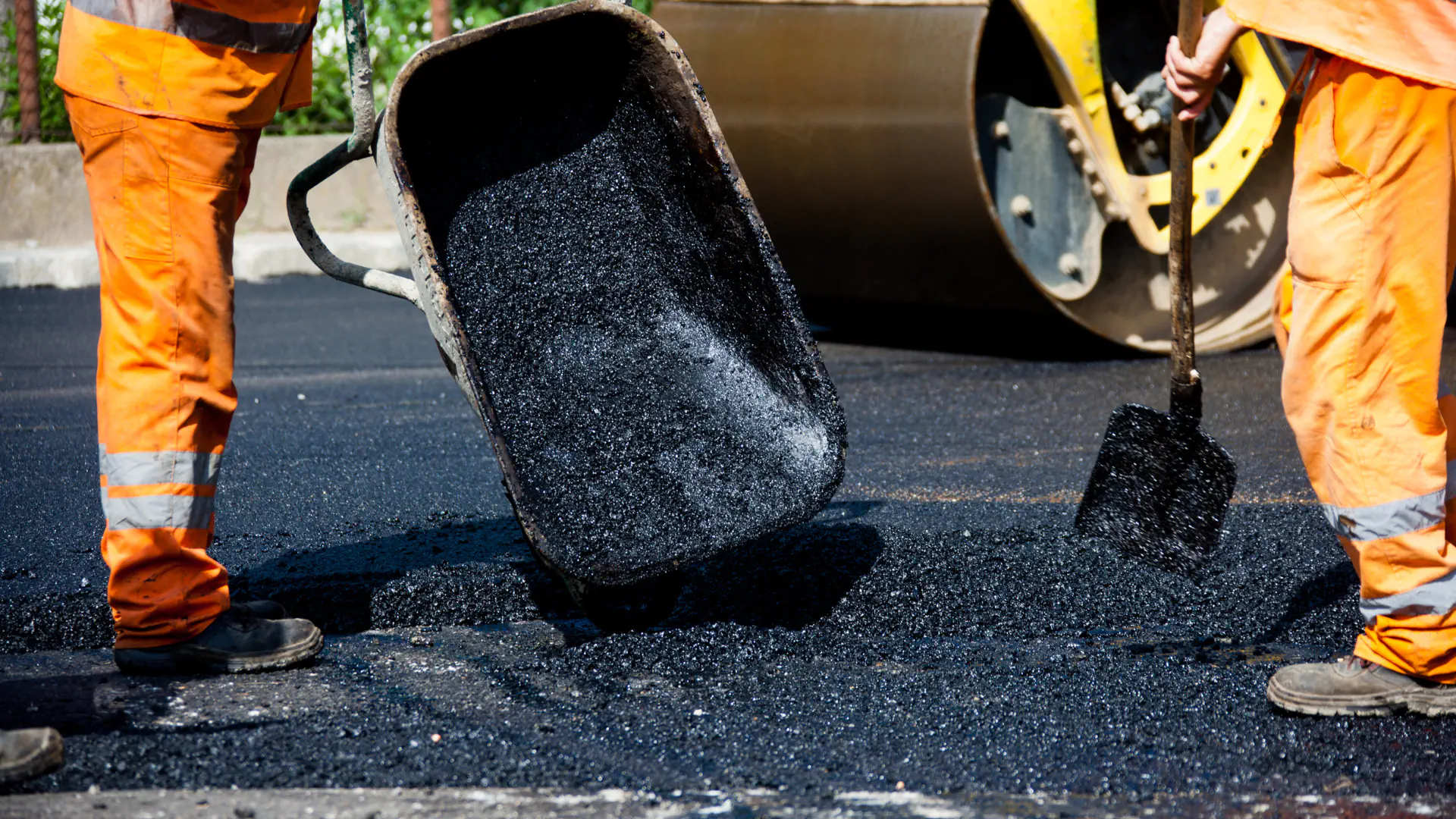
Whether you’re managing a residential driveway or overseeing a commercial property, DMH Site Services brings the experience and local knowledge that asphalt paving in Denver requires. From sealcoating and crack repair to parking lot striping in Denver and commercial snow removal in Denver CO, the team provides the full scope of pavement care that keeps properties protected season after season.
If you’re unsure whether your asphalt needs sealing, crack repair, or resurfacing, DMH Site Services offers professional inspections to help you understand the true condition of your pavement, before small issues become expensive structural problems.
Contact DMH Site Services today to schedule an assessment and get ahead of Denver’s next season before it gets ahead of you.