The Difference Between a Surface That Lasts and One That Doesn’t Often Comes Down to This
On the surface, asphalt work might look the same everywhere, grade the base, lay the mix, compact it, and move on. But the difference between pavement that holds up for decades and pavement that starts cracking within a couple of years often traces back to one factor: local experience.
Asphalt behaves differently depending on climate, soil conditions, elevation, and seasonal temperature swings. A contractor who understands those local variables can adjust materials, timing, and installation methods to match real-world conditions, not just textbook standards. In Denver, where UV exposure is relentless, freeze-thaw cycles are severe, and soil conditions vary significantly across the metro, that kind of ground-level knowledge isn’t a bonus. It’s the foundation of quality work.
That’s the standard DMH Site Services holds itself to on every project. As one of the established asphalt companies in Denver with direct experience across the region’s most demanding conditions, our team brings local insight to every job, from residential driveways to large-scale commercial lots.
Why Local Knowledge Produces Better Asphalt
Pavement performance is shaped by the environment it lives in. Asphalt installed in a hot, dry region behaves differently than asphalt exposed to Denver’s combination of high-altitude UV radiation, rapid temperature swings, and hard winter freezes. A contractor without direct local experience is essentially guessing at how those variables will interact with their materials and methods.
A contractor with local experience isn’t guessing at any of it.
For asphalt paving in Denver, that means understanding how the city’s freeze-thaw cycles affect compaction decisions, how drainage patterns vary across different neighborhoods and property grades, and which asphalt mixes hold up best under Colorado’s specific UV and thermal stress conditions. It means knowing the common failure points that appear in Denver driveways and parking lots, and engineering the base preparation to address them before the first layer of asphalt ever goes down.
Local experience also means navigating Denver’s municipal permit requirements and seasonal work windows without delays. For property managers who need work completed on a schedule, that operational familiarity is worth as much as the technical knowledge behind it.
DMH Site Services brings both. When you work with our team on asphalt paving in Denver, you’re getting a contractor that has seen how this city’s environment tests pavement, and knows exactly how to build surfaces that pass that test.
What Skills Do You Need to be an Asphalt Laborer?
For property owners evaluating contractors, understanding what separates a skilled asphalt crew from an inexperienced one is a useful context. Asphalt work demands far more than physical effort, though there’s no shortage of that either.
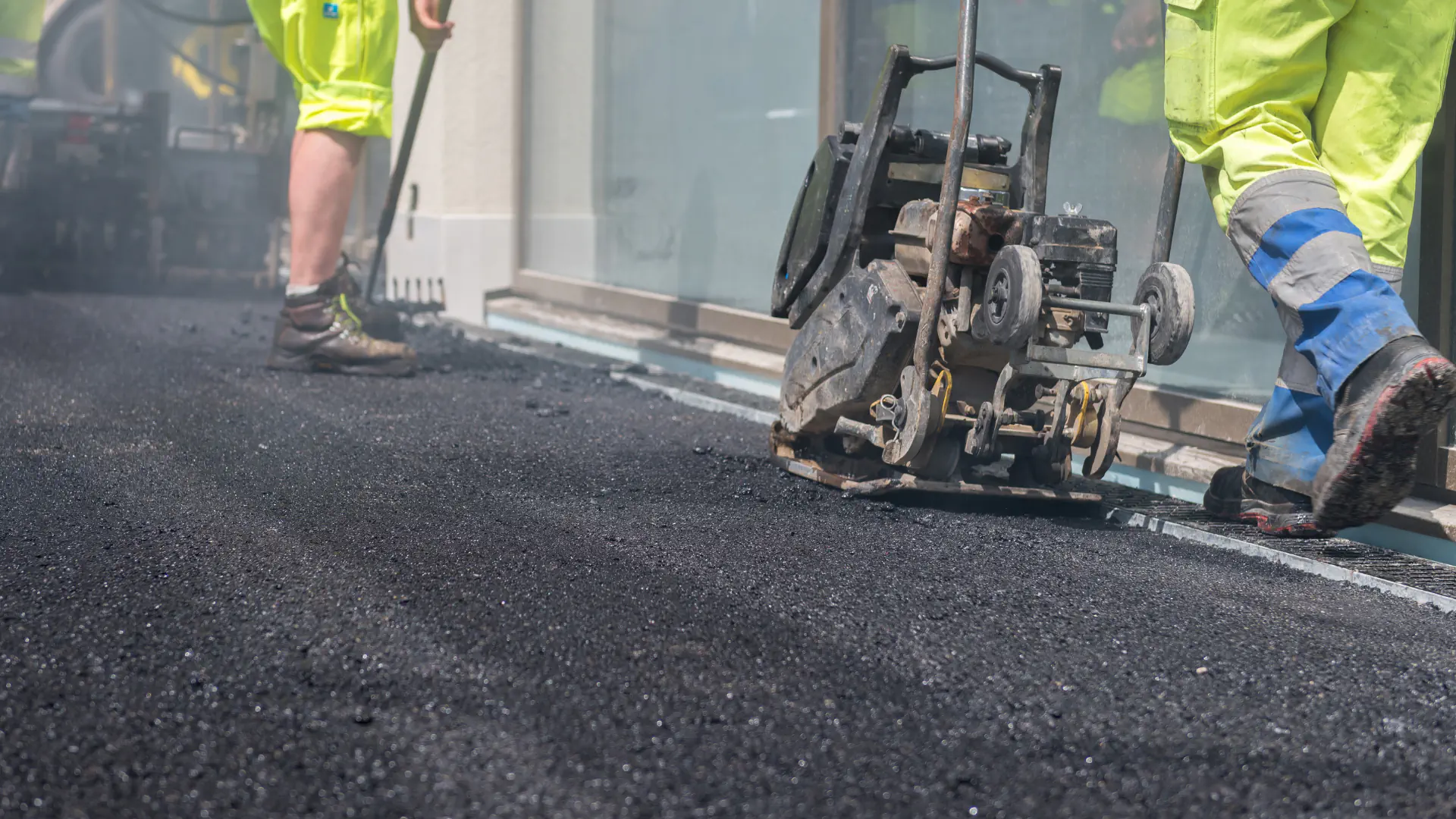
A capable asphalt laborer needs to understand asphalt temperature and timing well enough to know exactly when the material is workable and when the window is closing. They need proficiency with hand tools, rakes, shovels, lutes, and a working knowledge of compaction fundamentals and surface leveling. They need awareness of safety protocols around heavy equipment and the communication skills to stay coordinated with operators and crew leads in a fast-moving environment.
What formal training rarely teaches, and what only comes with time on the ground, is instinct, the ability to read a surface, anticipate how conditions are shifting, and make the right call before something goes wrong. The crews at DMH Site Services develop that instinct through real project experience in Denver’s specific conditions, not just general construction training.
That depth of field experience is what property owners are paying for when they hire a qualified Denver commercial asphalt company, and it’s what separates a reliable installation from one that looks fine in the short term but underperforms within a few seasons.
Is Asphalt One of the Hardest Jobs?
Yes, and then some. Asphalt work is consistently ranked among the most physically demanding trades in construction. Crews work in direct contact with fresh asphalt that can reach temperatures well above 300°F, while simultaneously managing heavy lifting, repetitive motion, and precision timing under weather conditions that rarely cooperate.
The pace is unforgiving. Once asphalt is laid, it must be leveled and compacted before it cools, which means the entire crew is working against the clock on every pass. In Denver, where temperatures can shift significantly between morning and afternoon, that window can be shorter than crews in milder climates typically deal with.
The physical and mental demands of the trade are exactly why experience compounds so quickly in this industry. A crew that has worked hundreds of projects in Denver’s conditions has learned how to manage those pressures efficiently, protect pavement quality under variable conditions, and deliver consistent results regardless of what the weather is doing. The team at DMH Site Services has built that depth through years of asphalt maintenance in Denver, CO, commercial paving, and full-site services across the region.
What To Ask an Asphalt Contractor?
If you’re evaluating contractors for a paving or maintenance project, these questions will quickly reveal whether you’re talking to someone with genuine local expertise or a generalist who’s less familiar with your specific conditions:
How long have you worked in this local area? Experience in Denver specifically matters. A contractor with a regional track record understands the soil, the climate, and the common failure patterns that shape how work should be approached here.
What asphalt mix do you recommend for my climate? A knowledgeable contractor can explain why a particular mix is appropriate for Denver’s UV exposure and freeze-thaw environment, not just quote a standard spec.
Do you handle base preparation and drainage correction? Surface work that skips proper base preparation won’t last. Any Denver commercial asphalt company worth hiring will evaluate and address the foundation before laying a single inch of new asphalt.
What does your warranty or workmanship guarantee cover? Confidence in the work shows up in how a contractor stands behind it.
Can you provide recent local project examples? References and completed projects in Denver, not just a general portfolio, demonstrate that the contractor’s experience translates to your specific conditions.
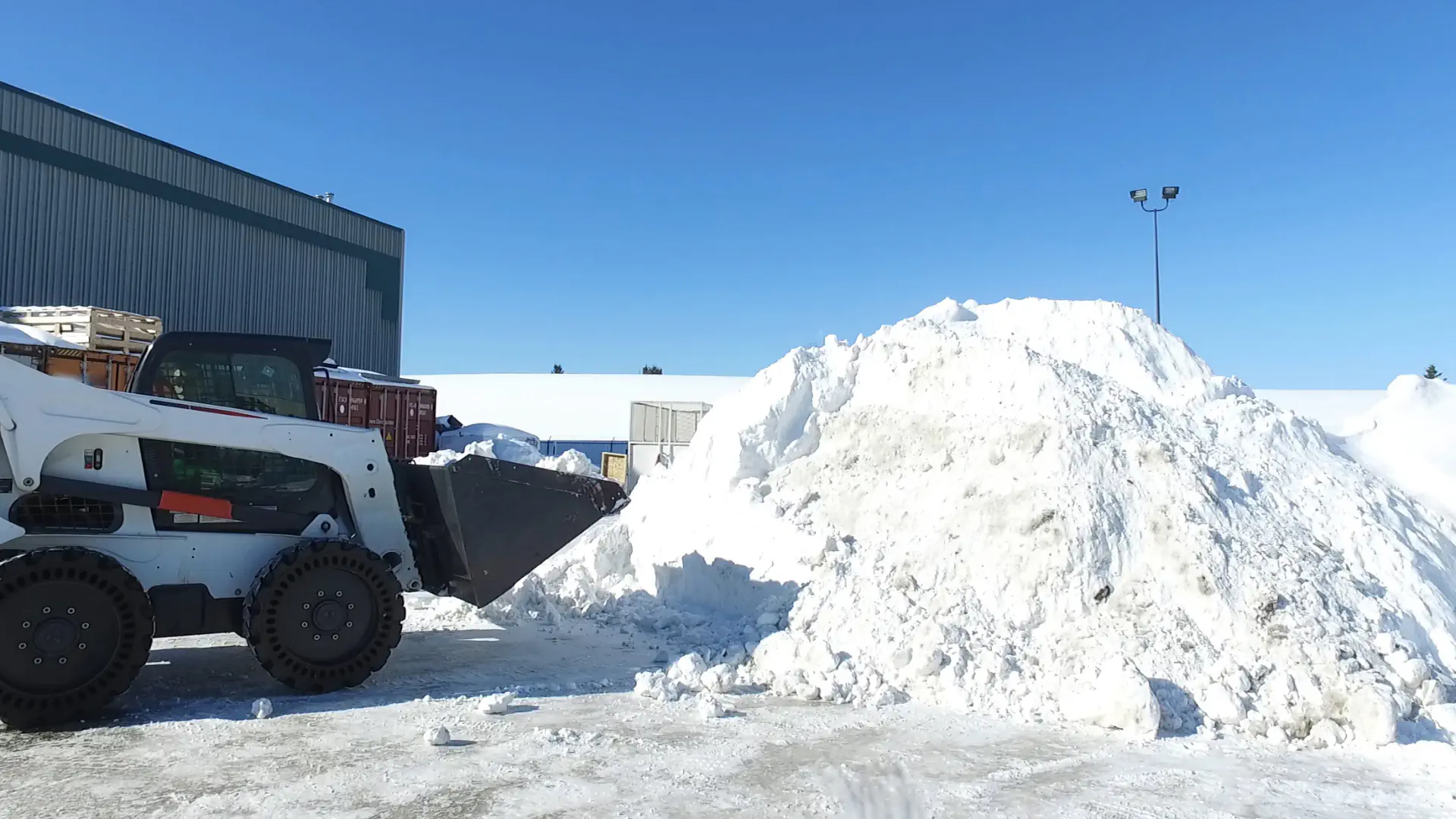
DMH Site Services welcomes every one of these questions. Our history of asphalt paving in Denver, parking lot striping, commercial snow removal in Denver, CO, and year-round asphalt maintenance across the region gives us direct, verifiable answers to all of them.
How Much Do Asphalt Pavers Make Hourly?
This question comes up often from property owners trying to understand what they’re paying for when they hire a professional crew. The short answer: skilled asphalt work is compensated accordingly, and the rates reflect the demands of the trade.
Entry-level laborers start at the lower end of the skilled trades pay scale, while experienced pavers, equipment operators, and crew leads earn significantly more, reflecting the precision and responsibility their roles require. Overtime during peak paving seasons, which in Denver typically runs from late spring through fall, can add substantially to total earnings.
Understanding this helps property owners evaluate bids more clearly. Unusually low quotes from asphalt companies in Denver often reflect reduced crew experience, lower-grade materials, or shortcuts in base preparation, all of which show up in the pavement’s performance within a few years. The investment in a qualified crew is the investment in a surface that doesn’t need to be redone.
Local Experience Is the Investment That Pays Off in Pavement Longevity
Denver’s climate doesn’t give asphalt much room for error. The UV exposure degrades binder faster than most property owners expect. The freeze-thaw cycles exploit every weakness in a surface that wasn’t installed or maintained correctly. And the cost of fixing pavement that was done wrong always exceeds the cost of doing it right the first time.
DMH Site Services was built on that understanding. As one of the more experienced asphalt companies in Denver, we combine local climate knowledge, rigorous base preparation, and full-season site services, from asphalt paving and parking lot striping in Denver to commercial snow removal in Denver, CO and ongoing asphalt maintenance, to deliver pavement that performs the way Denver property owners need it to.
When concrete contractors in Denver and asphalt specialists work from genuine local experience, the results speak for themselves in surfaces that hold up year after year without constant intervention.
Contact DMH Site Services today to discuss your project, get a site evaluation from a team that knows Denver’s conditions firsthand, and build a pavement plan designed to last.