Fresh asphalt always looks solid within hours, which is why many homeowners assume it’s ready for normal use almost immediately. But new asphalt is a little deceptive. While the surface hardens quickly, the material beneath is still working through a long curing process that temperature, traffic, and time all influence.
Driving on asphalt too early, especially in Denver’s fluctuating temperatures, can leave tire marks, soft spots, and surface dents that shorten pavement lifespan before it ever fully settles. For homeowners who prefer getting things right the first time, understanding curing timelines protects the investment and avoids repairs that could have been prevented entirely.
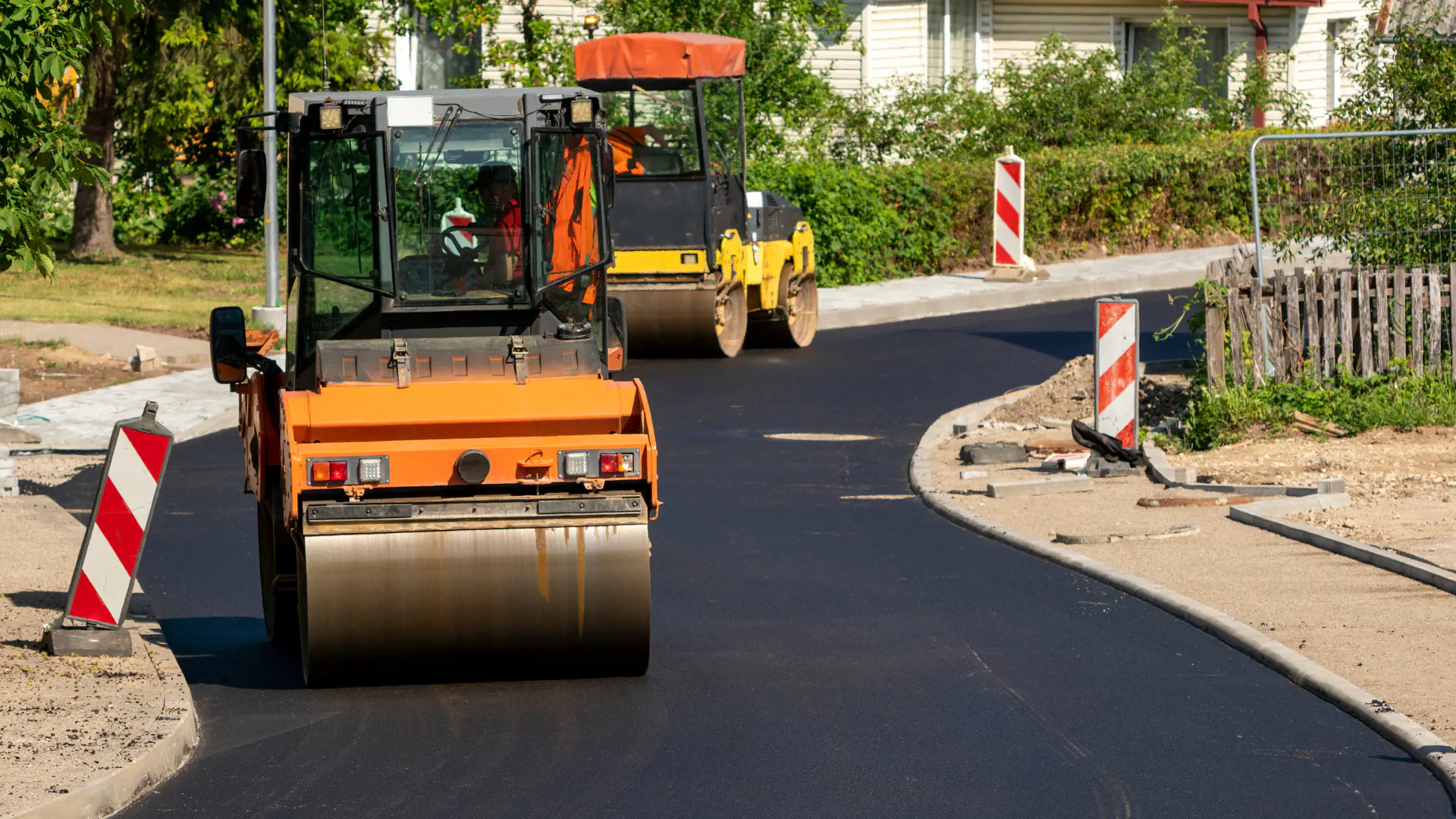
DMH Site Services works with Denver homeowners and commercial property managers on asphalt paving in Denver projects of every scale, and post-installation guidance is always part of that process, because what happens in the first few days after paving matters more than most people realize.
How Long Do You Have to Stay Off a New Driveway After Paving?
In most cases, you should wait at least 24 to 72 hours before driving on newly installed asphalt. The exact timeline depends on weather conditions, asphalt thickness, sunlight exposure, and vehicle weight, all of which vary considerably in Colorado.
In Denver’s climate, experienced asphalt companies in Denver typically recommend waiting closer to 48 to 72 hours because overnight temperature drops slow the hardening process in ways that aren’t visible from the surface. The asphalt may look and feel dry, but the material underneath remains flexible and vulnerable to pressure during those early stages.
Even after driving is permitted, new asphalt continues curing for six to twelve months. During that period, the pavement gradually hardens as internal oils evaporate and the surface fully stabilizes under normal temperature cycles.
To protect new asphalt during the curing phase, property owners should avoid:
- Parking heavy vehicles in the same spot repeatedly
- Sharp turning movements while stationary
- Motorcycle kickstands on warm days
- Heavy dumpsters or equipment trailers
- Parking along unsupported driveway edges
One of the most common misconceptions homeowners bring up is the comparison to concrete. Asphalt remains slightly flexible by design, which helps it manage temperature-driven expansion and contraction, but that same flexibility makes it more sensitive to pressure during early curing. Treating it like concrete in the first few weeks is a reliable path to surface damage.
How Long Do 2 Inches of Asphalt Last?
A properly installed 2-inch asphalt surface can last approximately 15 to 25 years with consistent maintenance, depending on traffic volume, drainage quality, climate conditions, and how proactively the surface is cared for.
For residential driveways in Denver, lifespan is heavily shaped by freeze-thaw cycles and UV exposure. Water that enters small cracks during winter freezes overnight, expands, and gradually undermines the pavement foundation, a cycle that repeats with every cold snap until the damage becomes structural.
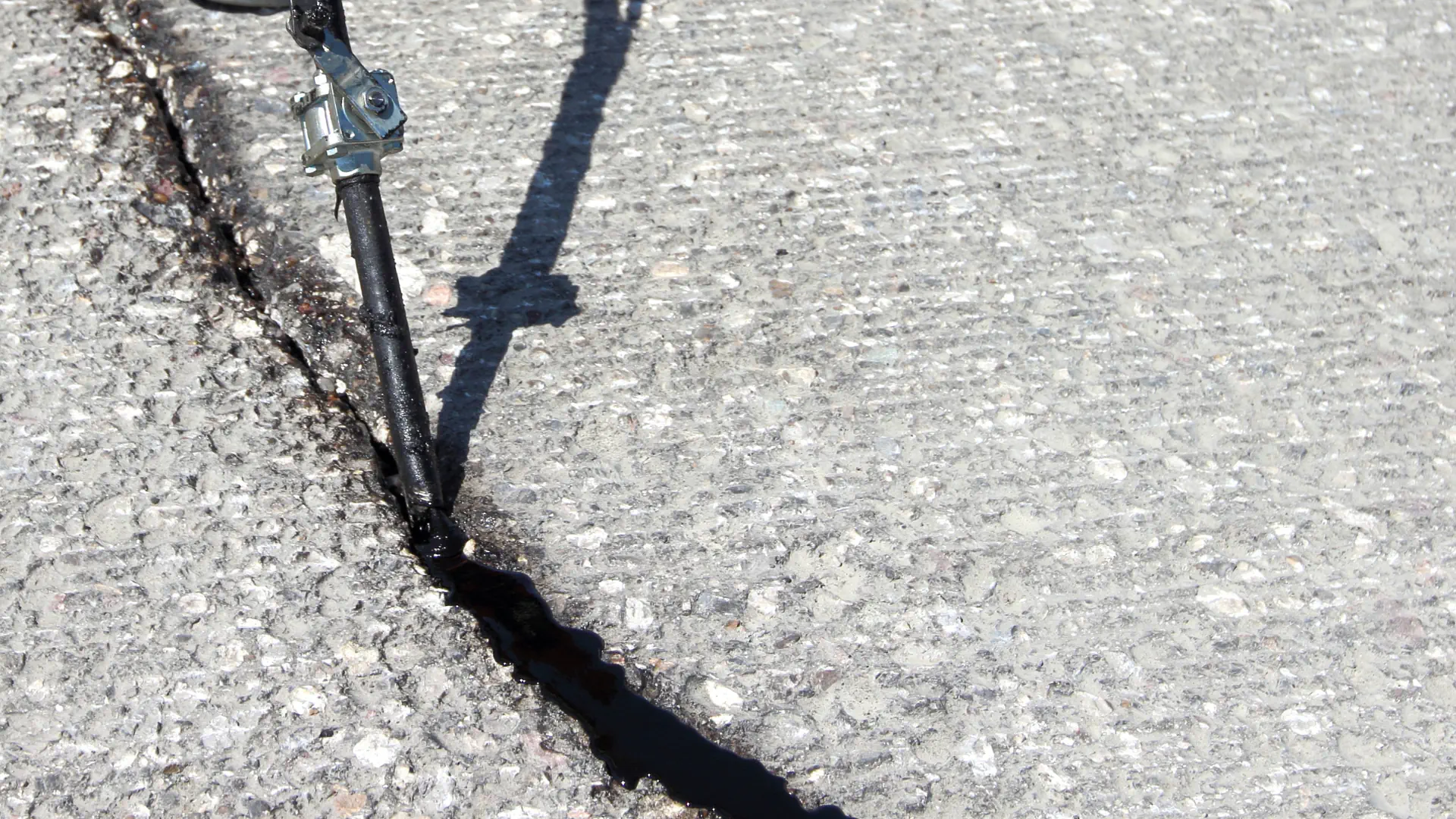
Routine asphalt maintenance in Denver CO dramatically extends longevity. Driveways that receive regular crack sealing, sealcoating every one to two years, proper drainage maintenance, and careful snow removal consistently outlast neglected surfaces by years.
The foundation beneath the asphalt matters just as much as the asphalt itself. Poor compaction or inadequate sub-base preparation is frequently the real cause when driveways fail years before they should. Reputable asphalt companies in Denver invest in that foundational work because the surface is only as durable as what supports it.
DMH Site Services approaches every asphalt paving in Denver project with that long-term performance standard in mind, because a driveway that holds up through ten Colorado winters is a better outcome for everyone than one that looks great on day one and deteriorates by year three.
How Much Would a 20×20 Asphalt Driveway Cost?
Driveway costs depend on several variables: excavation requirements, grading, drainage corrections, material thickness, and current local labor and material pricing. In Denver, smaller residential asphalt installations typically range from a few thousand dollars upward, depending on site conditions and the level of preparation required.
Factors that commonly affect asphalt paving in Denver project pricing include:
- Existing surface removal and disposal
- Soil stability and sub-base depth
- Grading and drainage improvements
- Equipment access and site logistics
- Asphalt thickness specifications
Homeowners often focus on the installation price alone, but long-term durability depends far more on proper preparation than on finding the lowest bid. A cheaper installation that skips foundational work rarely survives more than one or two Denver winters before repairs begin. Any credible Denver commercial asphalt company, and the same applies to residential contractors, will be transparent about what preparation is required and why it affects the final price.
For properties where adjacent concrete work is also needed, curb replacement, apron repair, sidewalk sections, coordinating with experienced concrete contractors in Denver alongside your asphalt project avoids the scheduling gaps and surface inconsistencies that come with using separate vendors.
Does Asphalt Cure Faster in Cold Weather?
Asphalt cures more slowly in cold weather, not faster.
Warm temperatures and direct sunlight help asphalt harden and stabilize efficiently. In colder conditions, particularly during Denver’s spring and fall nights, asphalt can remain soft longer than expected because temperature drops slow the internal evaporation process that drives curing.
That’s why professional asphalt companies in Denver monitor ground temperature, overnight lows, surface moisture, incoming rain, and seasonal timing before scheduling installations. Cold-weather paving can be executed successfully, but it demands tighter scheduling windows and additional precautions to ensure proper compaction and a full cure.
DMH Site Services plans every asphalt paving in Denver project around those seasonal variables, because Colorado’s weather doesn’t accommodate shortcuts, and a job timed and executed correctly lasts significantly longer than one rushed through an unstable forecast.
Why New Asphalt Needs Extra Patience in Denver’s Climate
Denver’s weather creates specific challenges for fresh pavement that homeowners in milder climates don’t face at the same intensity. A warm afternoon can shift into freezing overnight temperatures within hours, and those rapid swings directly affect how asphalt settles during its earliest and most vulnerable stages.
Homeowners sometimes notice small tire impressions or soft spots after driving too soon and assume something went wrong during installation. In most cases, the asphalt was installed correctly, the surface simply needed more curing time before handling full vehicle weight and turning movements. Protecting the surface early prevents the kind of damage that leads to unnecessary repair calls later.
This is also where asphalt maintenance in Denver CO begins, not months down the road. The decisions made in the first season after installation, when to apply the first sealcoat, how to manage snow removal, whether to address hairline cracks before they widen, set the trajectory for the entire lifespan of the pavement.
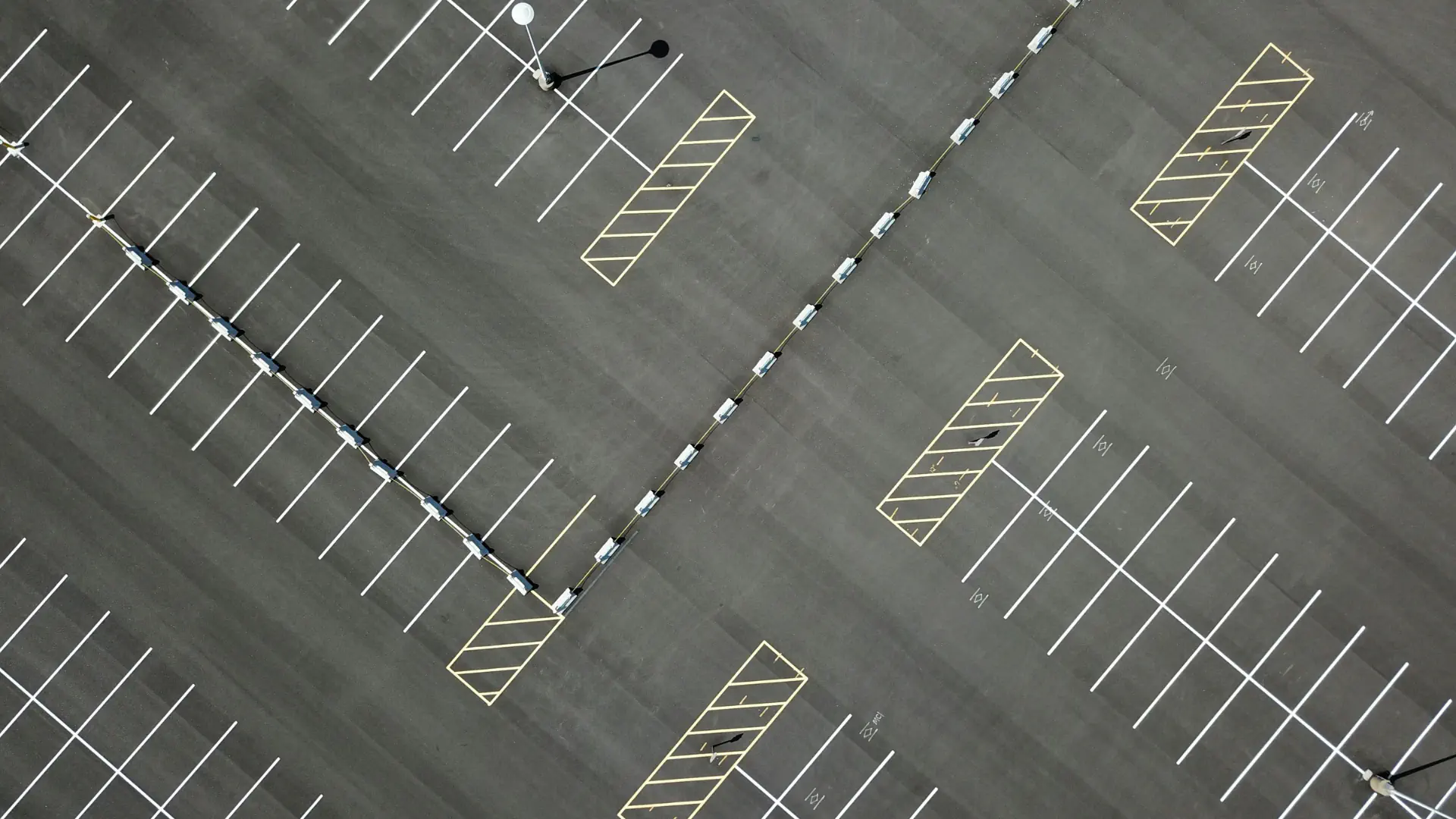
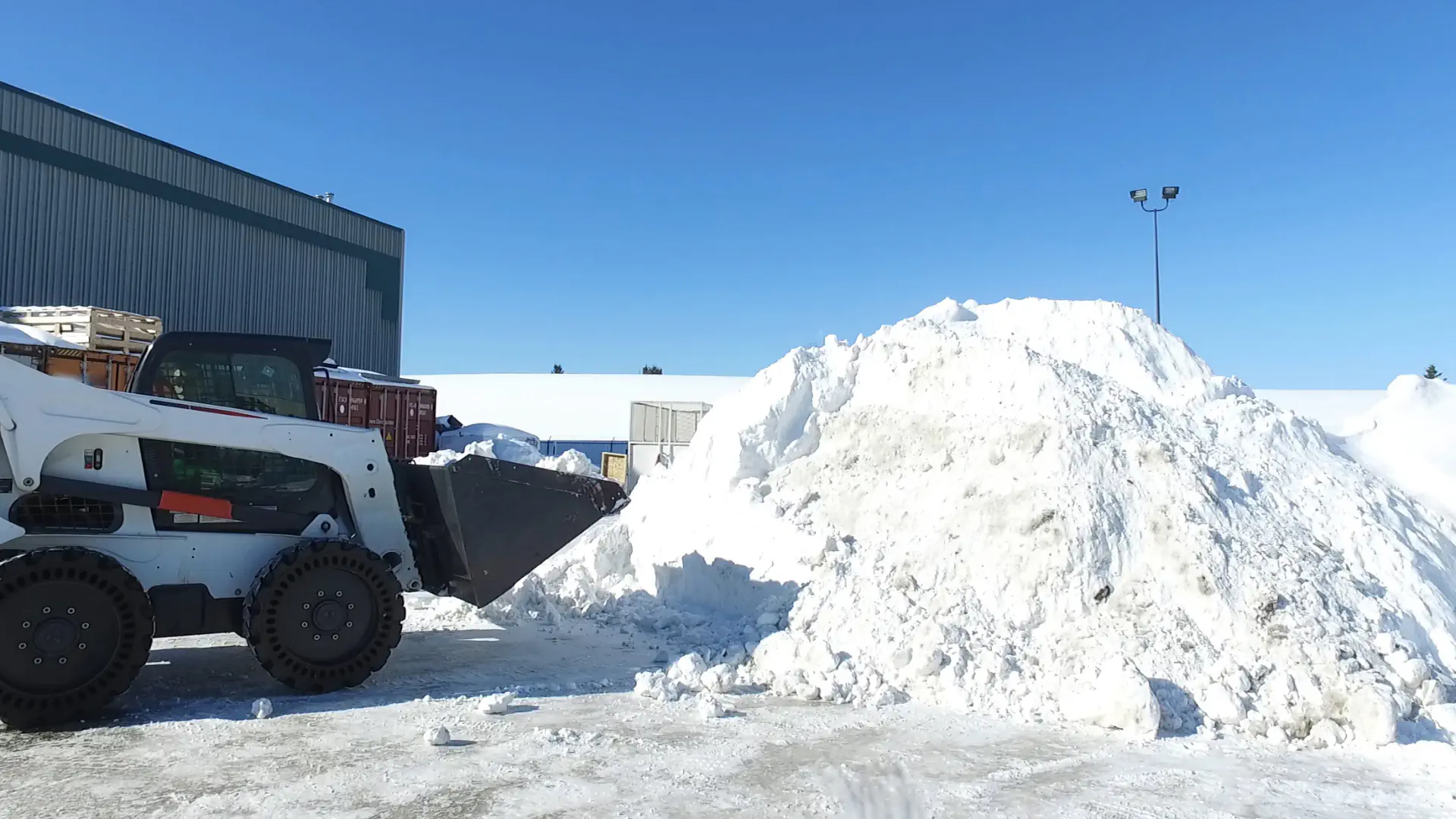
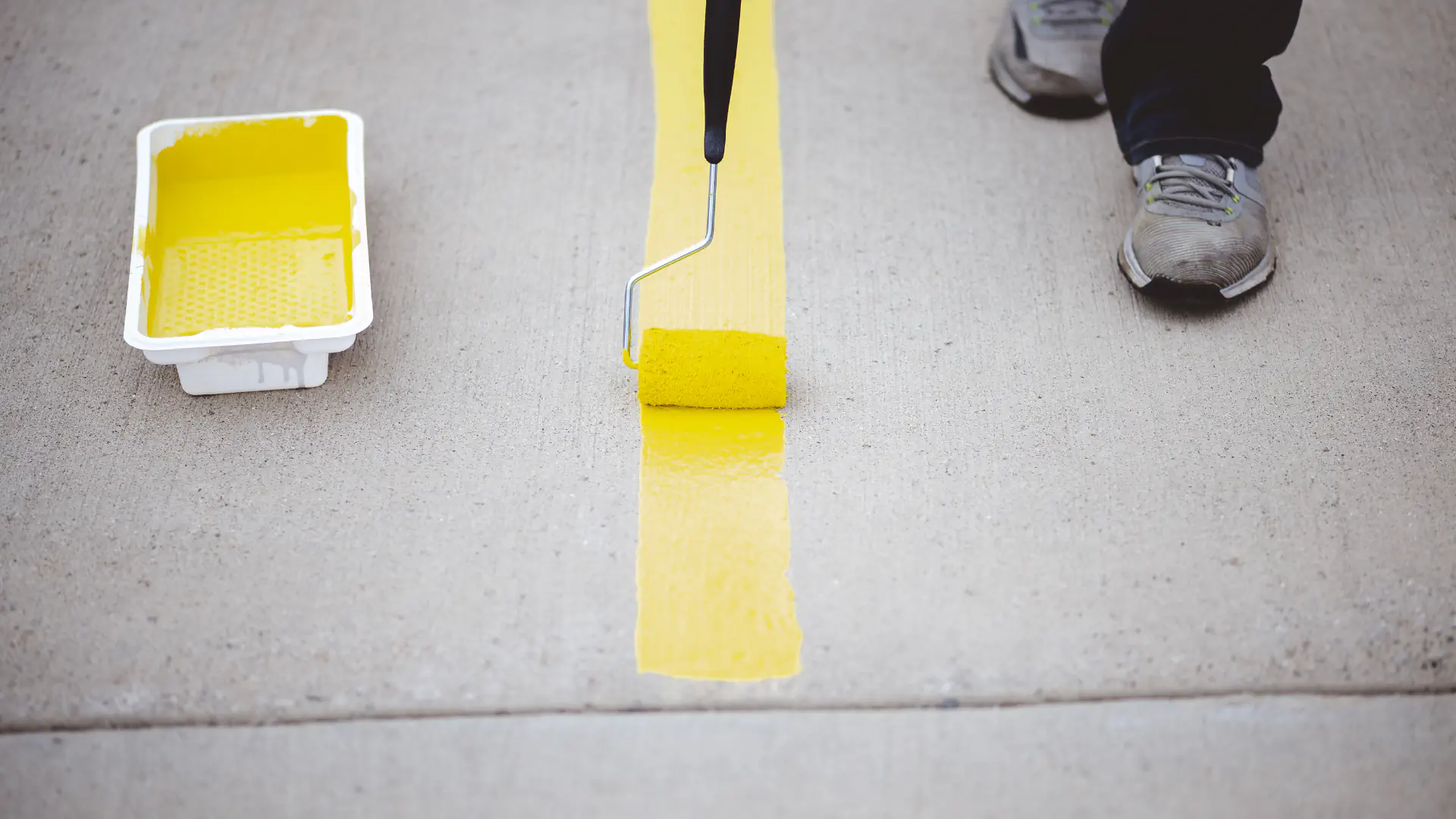
For commercial properties, those early decisions also connect directly to parking lot striping in Denver, commercial snow removal in Denver CO, and long-term pavement maintenance planning. Getting those services coordinated from the start means fewer gaps, fewer vendors, and better outcomes across every season.
Protecting Your Asphalt Investment From Day One
New asphalt may look finished quickly, but proper curing takes time and attention. Waiting at least 24 to 72 hours before driving, avoiding heavy pressure during the first several months, and staying proactive with ongoing maintenance can add years to the life of your pavement, and save significantly on repair costs down the road.
DMH Site Services brings that full-picture approach to every project, whether it’s a residential driveway, a commercial parking lot, or a large-scale asphalt paving in Denver installation. From the first pour through seasonal asphalt maintenance in Denver CO, parking lot striping in Denver, and commercial snow removal in Denver CO, the team provides the continuity and local expertise that Denver’s climate demands.If you’re considering new asphalt installation or repairs in Denver, contact DMH Site Services for a professional consultation. Getting the installation and the curing process right from the start is the most cost-effective investment you can make in the long-term performance of your pavement.