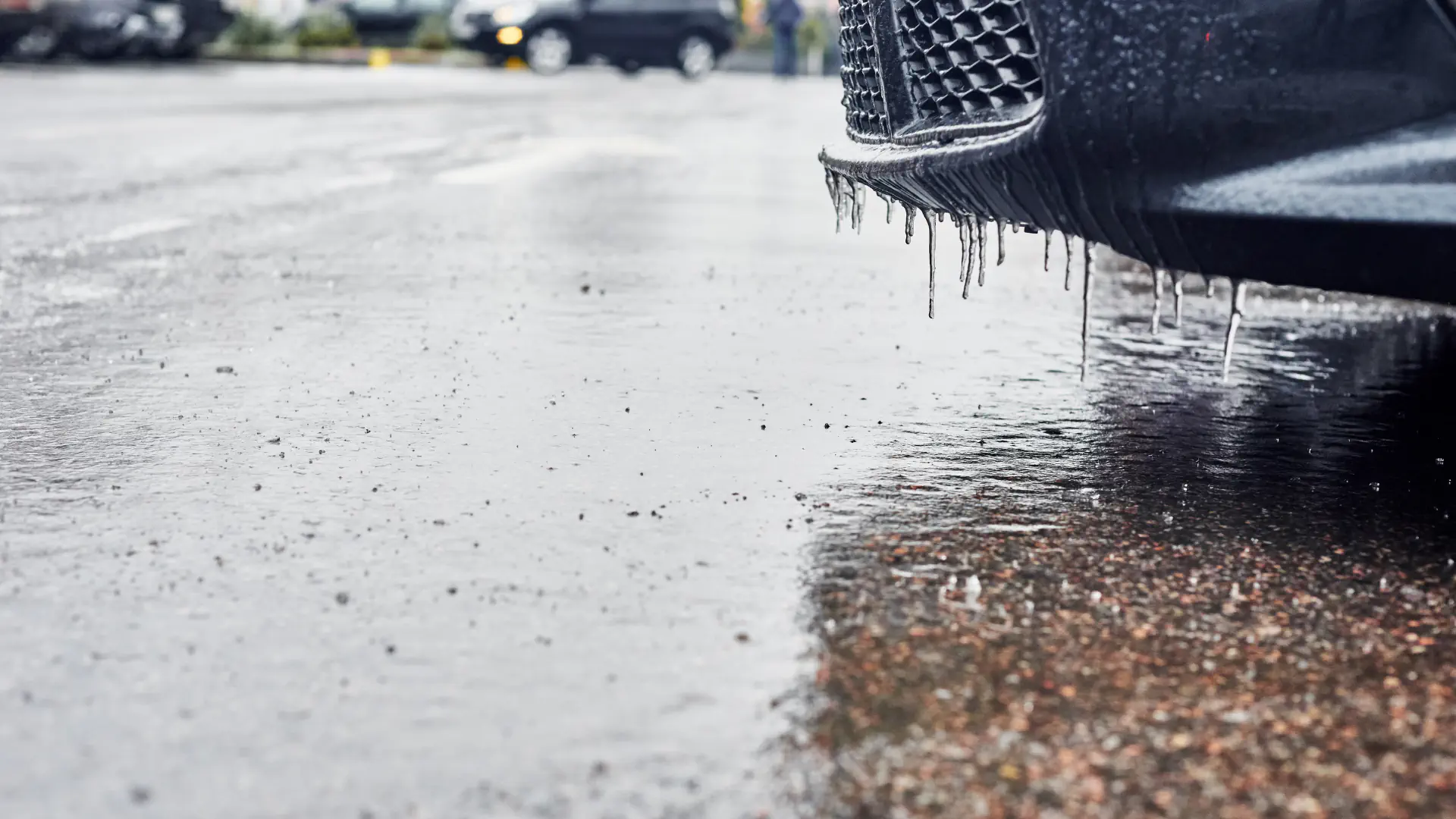
When winter storms roll through Denver, parking lots become one of the most dangerous and overlooked areas on any property. Slippery surfaces, hidden ice patches, poor drainage, and delayed snow removal can transform a routine parking area into a serious liability risk for businesses, property managers, and homeowners alike.
Preparing ahead of time isn’t just about convenience, it’s about safety, reducing repair costs, and preventing accidents that lead to legal exposure or operational shutdowns. The approach that consistently works isn’t reactive; it’s proactive. At DMH Site Services, we’ve helped commercial and residential property owners across Denver build winter-ready pavement plans that hold up when conditions get serious. The goal is always the same: prepare before the first snowfall, not after it.
What Does Proper Winter Preparation Actually Look Like?
Preparing a parking lot for winter storms requires a combination of proactive maintenance, safety planning, and smart snow management. Done right, it reduces hazards like ice formation, surface damage, and blocked access points before they become emergencies.
Here’s what a complete preparation strategy covers:
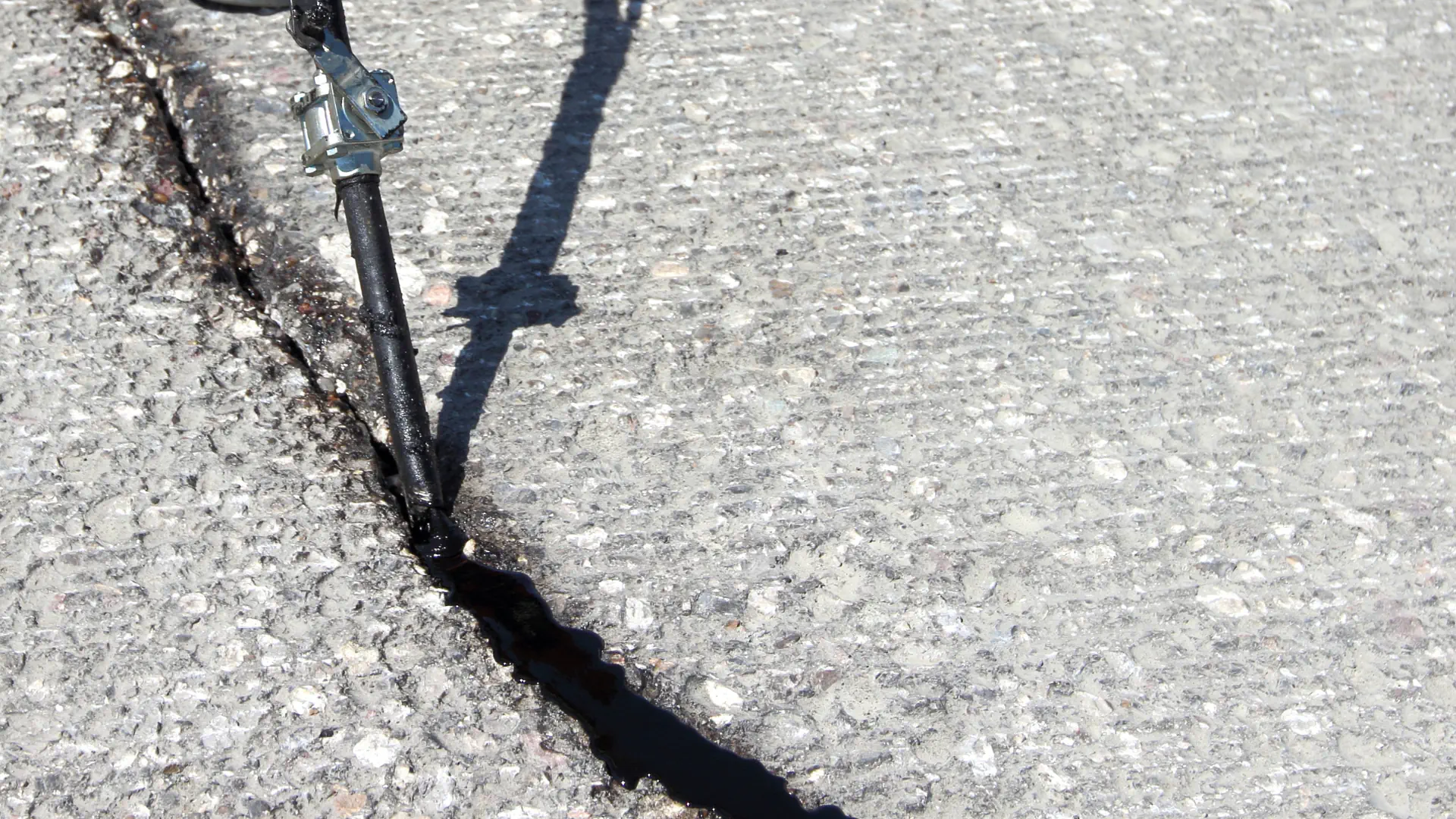
Inspect and repair cracks before the season starts. Water infiltration followed by freezing is the primary way small cracks become large potholes. Any property owner investing in asphalt maintenance in Denver, CO knows that sealing cracks in late summer or fall is far cheaper than repaving in spring.
Apply sealcoating and confirm drainage is functioning. A properly sealed surface repels moisture instead of absorbing it. Combined with clear drainage channels, this is your first line of defense against freeze-thaw damage, the most common form of asphalt deterioration in Denver’s climate.
Establish a snow removal plan with trigger points. Waiting until accumulation becomes visible is already too late. Effective commercial snow removal in Denver, CO starts when snow begins, not after it compacts into ice. DMH Site Services builds trigger-based plans for commercial lots that define exactly when plowing begins, typically at one to two inches of accumulation.
Pre-stock and pre-position de-icing materials. Salt and liquid de-icers applied before a storm prevents ice from bonding to pavement in the first place. Strategic placement at entrances, slopes, and high-traffic zones makes a significant difference in both safety and surface protection.
Mark pedestrian walkways and designate snow storage areas. Clear signage and marked paths protect pedestrians and give plow operators defined spaces to push accumulation without blocking traffic flow or drainage.
Communicate parking restrictions to tenants and users. Blocked plow routes are one of the most common reasons snow removal takes longer than necessary. Property managers who communicate storm parking protocols in advance keep operations moving and reduce the risk of vehicles getting trapped in snow piles.
What Are the 4 P’s of Winter Safety?
The “4 P’s of winter safety” provide a simple framework that professional pavement teams and property managers use to structure their cold-weather planning:
Plan: Anticipate storms before they arrive. Schedule snow removal services, identify high-risk zones like slopes and drainage inlets, and confirm your service provider’s response protocols. As one of the more established asphalt companies in Denver, DMH Site Services works with property managers every fall to build customized winter response plans.
Prepare: Stock de-icing materials, inspect pavement conditions, and confirm equipment is operational. This is also the right time to address any lingering surface repairs before freezing temperatures arrive and make paving work impractical.
Protect: Apply protective treatments, confirm sealcoating is current, and make sure pedestrian walkways and lot markings are clearly visible. Parking lot striping in Denver is often overlooked heading into winter, but faded lines create confusion during low-visibility conditions and increase the risk of accidents.
Prevent: Eliminate hazards before they develop. Fix cracks, improve drainage, and address areas that historically accumulate ice. Prevention in pavement care is exactly what separates properties that emerge from winter with minor wear from those that need significant repairs every spring.
How Long Does Asphalt Take to Cure in Cold Weather?
This is one of the most common questions DMH Site Services receives from property managers who need pavement work done late in the season.
The short answer: cold temperatures slow the curing process significantly. In ideal warm-weather conditions, asphalt reaches surface stability within a few weeks. In cold conditions, full curing can stretch to several months, and in freezing temperatures, the binder simply doesn’t set the way it’s designed to.
New asphalt should be installed when temperatures are consistently above 50°F (10°C) to allow proper compaction and bonding. Below that threshold, fresh asphalt becomes vulnerable to cracking and surface damage before it ever has a chance to fully cure. This is why most asphalt paving in Denver is completed between late spring and early fall, and why contractors typically avoid major paving work once nighttime temperatures drop consistently below freezing.
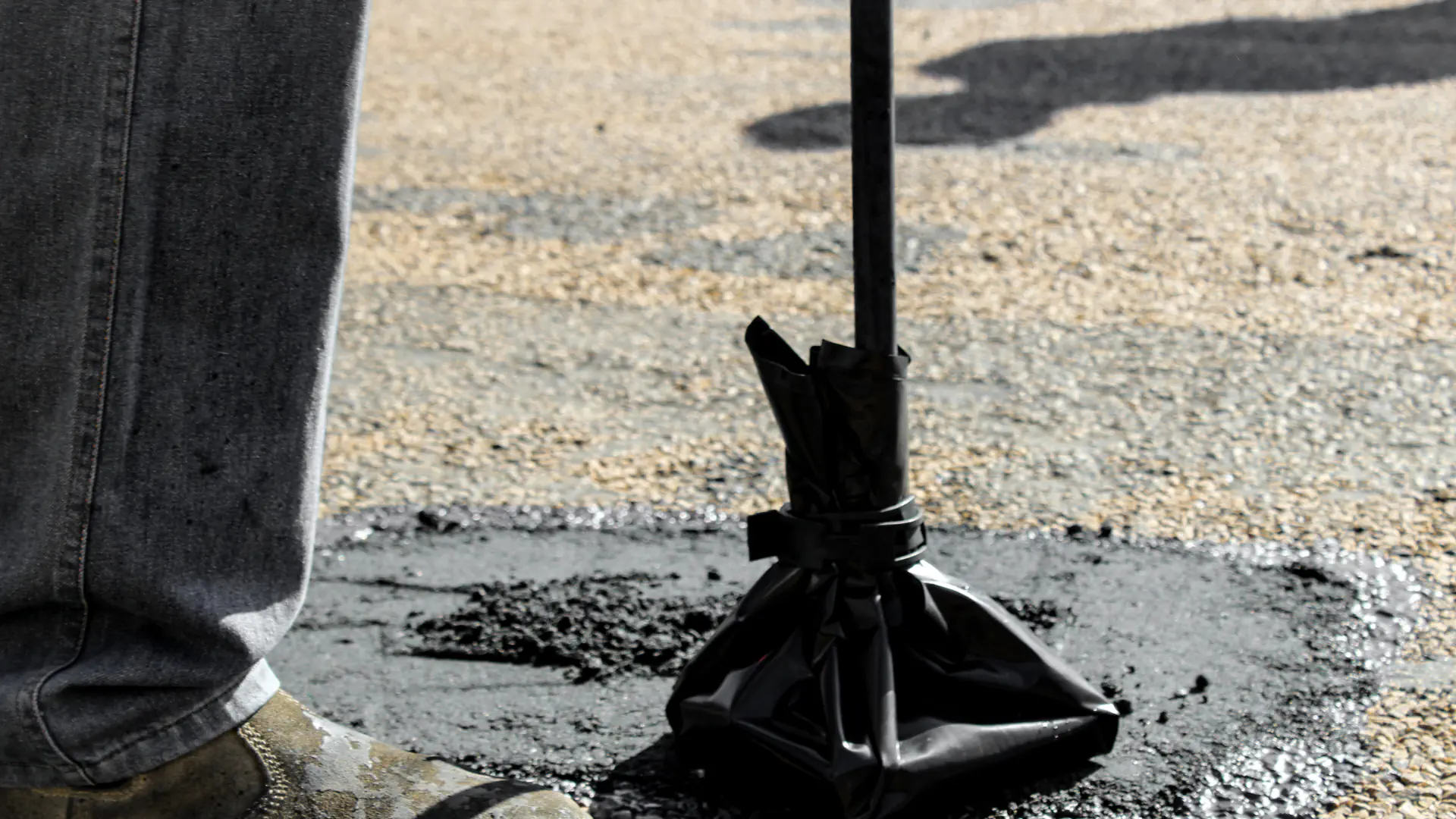
When emergency repairs are unavoidable in winter, cold-mix asphalt offers a temporary fix that can hold until a permanent repair is feasible in warmer conditions. DMH Site Services uses cold-mix strategically for exactly this purpose, keeping surfaces safe through the season without risking the integrity of a warm-mix installation done under the wrong conditions.
How Do You Remove Snow From a Parking Lot?
Snow removal in a commercial parking lot is less about brute force and more about timing, coordination, and protecting the surface underneath. Here’s the framework DMH Site Services follows for commercial snow removal in Denver, CO:
Start early. Plowing before snow compacts or turns to ice is the single most important factor in effective removal. Compacted snow bonds to asphalt and requires far more effort, and more aggressive scraping, to remove safely.
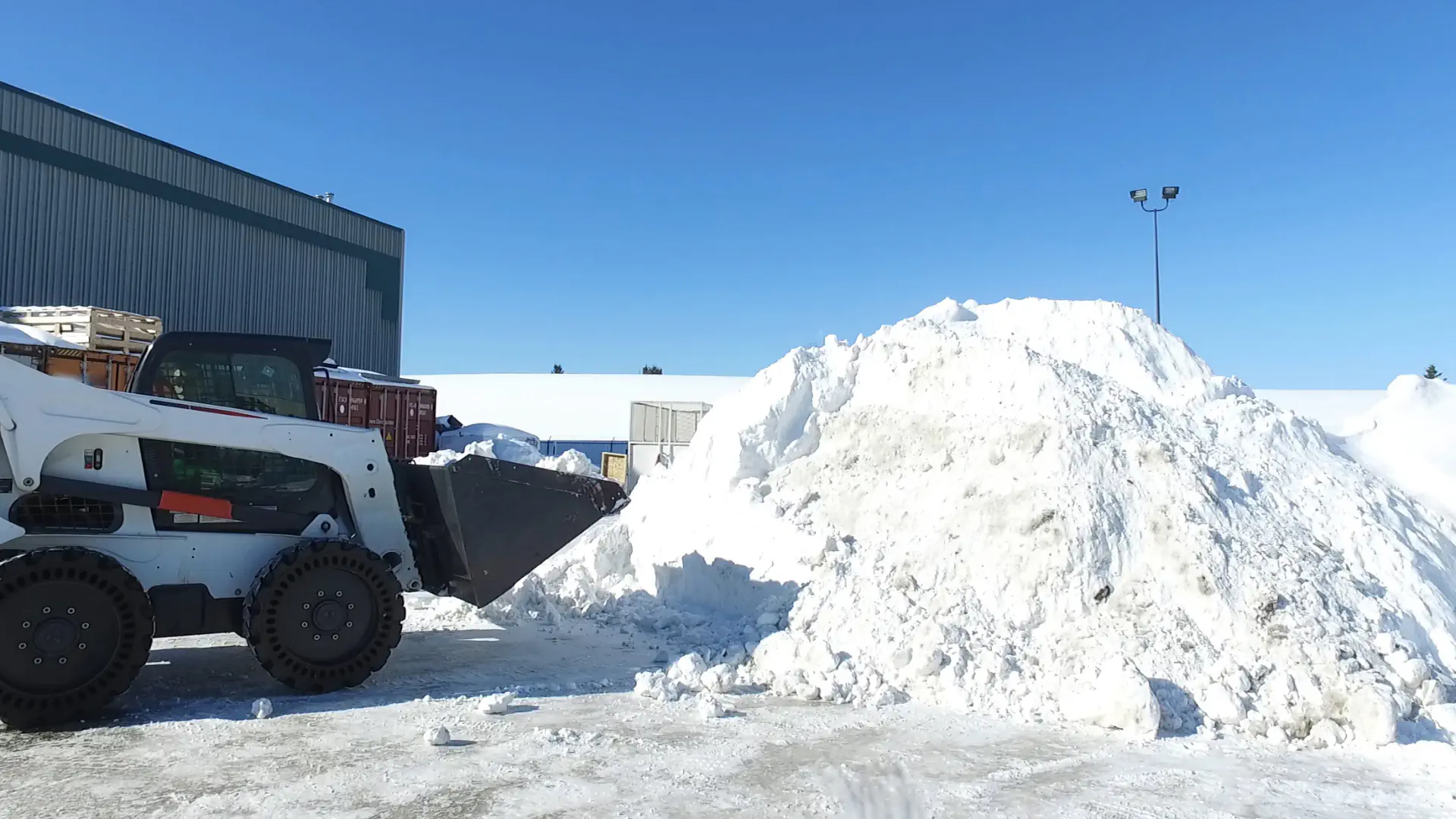
Use designated pile areas. Every commercial lot served by DMH Site Services has pre-identified snow storage zones that avoid blocking traffic lanes, fire lanes, pedestrian paths, and drainage inlets. Poor pile placement is one of the most common causes of secondary flooding and refreezing as temperatures rise.
Apply de-icing materials strategically. Blanket application wastes material and can damage pavement and surrounding landscaping over time. Focused application at entrances, slopes, crosswalks, and high-traffic zones delivers better results with less product.
Prioritize pedestrian access. Sidewalks and building entries get cleared before vehicle lanes in every plan we execute. Slip-and-fall incidents at building entrances represent the highest liability exposure for commercial property owners.
Calibrate plow blade height. Improperly set blades scrape and gouge asphalt surfaces, creating damage that becomes a repair cost by spring. Experienced operators with properly maintained equipment make a measurable difference in surface longevity, something any reputable Denver commercial asphalt company will stand behind.
Where Should I Park My Car During a Winter Storm?
For tenants and users of properties managed by DMH Site Services clients, here’s the practical guidance:
The safest option is always covered parking, a garage or carport that shields the vehicle from snow accumulation and freezing. When covered parking isn’t available, choose a flat, open area away from trees, utility poles, and structures where ice or snow could fall.
Avoid parking near designated snow storage zones. Plows push large volumes of accumulation into these areas, and vehicles parked there often end up buried or blocked. Similarly, avoid low-lying areas and the bottoms of slopes where meltwater collects and refreezes overnight.
In shared or commercial lots, follow posted storm parking instructions from property managers. Designated storm zones exist to keep plow routes clear and ensure efficient, complete snow removal, which ultimately protects every vehicle and every person using the property
Winter Is Predictable. Your Preparation Should Be Too.
Denver winters follow a reliable pattern: early cold snaps, heavy mid-season storms, and unpredictable freeze-thaw swings that stress pavement throughout the season. The property owners who come out of spring with minimal damage and no liability incidents are the ones who treated preparation as a scheduled process, not an emergency response.
DMH Site Services provides full-season pavement support, from fall asphalt maintenance in Denver, CO and parking lot striping before the first storm, to commercial snow removal throughout the season, to spring assessments that catch damage before it compounds. Whether you need the expertise of experienced concrete contractors in Denver for surface repairs, routine maintenance from one of the most trusted asphalt companies in Denver, or a comprehensive winter operations plan for your commercial property, DMH Site Services is ready before the forecast changes.
Contact DMH Site Services today to schedule your pre-winter property evaluation and build a maintenance and snow management plan that keeps your lot safe, accessible, and protected all season long.