The Price Nobody Seems to Agree On
If you’ve ever tried getting quotes for an asphalt driveway or parking lot, you’ve probably noticed something frustrating right away, no two prices are the same. One contractor gives you a number that feels reasonable, another comes in significantly higher, and a third lands somewhere in between. It’s not inconsistency for the sake of it. Asphalt pricing is a layered calculation shaped by materials, labor, site conditions, and timing, and every one of those variables shifts from job to job.
The single biggest factor is that asphalt is tied directly to petroleum markets. When oil prices rise, so does the cost of liquid asphalt binder, the material that holds everything together. But that’s only one layer of the equation. Contractors also factor in aggregates like crushed stone and sand, hauling distances, equipment mobilization costs, and local labor availability. Then comes the job-specific scope: how much grading is required, whether old asphalt must be removed and disposed of, and how stable the existing base layer actually is.
A straightforward overlay on flat, stable ground can cost dramatically less than a full-depth installation on compromised soil, even if both projects look identical from the street when they’re finished.
For asphalt paving in Denver, those variables are compounded by Colorado-specific conditions. Freeze-thaw cycles, high-altitude UV exposure, and drainage requirements all influence how a project needs to be engineered, and how it needs to be priced to hold up long-term. DMH Site Services walks every client through that calculation before work begins, because understanding what drives the cost is the only way to evaluate a quote with confidence.
How Much Would a 20×20 Asphalt Driveway Cost?
A 20×20 driveway covers 400 square feet. In Denver, asphalt installation generally ranges from $7 to $15 per square foot depending on base preparation, material thickness, and site-specific conditions. That puts a typical 20×20 driveway at roughly $2,800 to $6,000 for most standard installations.
If the site requires excavation, drainage correction, or a new compacted gravel base, pricing moves toward the higher end of that range. A straightforward resurfacing job over an existing stable base will typically land closer to the lower end, though any reputable Denver commercial asphalt company will assess the sub-base condition before committing to a resurfacing-only approach, because paving over a failing foundation simply delays and amplifies the problem.
For residential projects, asphalt paving in Denver quotes should always include a clear breakdown of what base preparation is and isn’t included, because that line item is where the real cost difference between a durable driveway and a short-lived one actually lives.
Why Is Asphalt So Expensive Now?
Asphalt costs have increased in recent years due to several compounding pressures that affect the entire supply chain:
- Rising petroleum prices, since asphalt binder is an oil-derived product
- Higher transportation and fuel costs affecting material delivery
- Labor shortages among skilled paving crews
- Increased demand for infrastructure repair and replacement
- Equipment and general material cost inflation
In many regions, contractors also face compressed seasonal installation windows, which concentrates demand into the warmer months. In Denver specifically, the viable paving season runs roughly from late spring through early fall, a window that fills quickly and can drive up pricing as scheduling competition tightens.
That’s one reason why property owners who plan asphalt paving in Denver projects early in the season often secure better scheduling availability and more competitive pricing than those who call in July. DMH Site Services recommends that commercial property managers in particular schedule assessments well in advance of their intended installation window, especially for larger projects that require equipment coordination and material staging.
How Much Does 2000 Sq Ft of Asphalt Cost?
For a 2,000 square foot area, which covers many mid-size residential driveways and smaller commercial lots, most projects in Denver fall between $14,000 and $30,000.
Lower-end pricing typically applies when:
- The existing base is stable and well-compacted
- Minimal grading or site correction is required
- Standard 2-inch residential thickness is appropriate for the use case
Higher-end pricing applies when:
- Full excavation and regrading are required
- Drainage issues need to be corrected before paving
- Thicker asphalt layers are specified for heavier load requirements
- Commercial compliance requirements add scope to the project
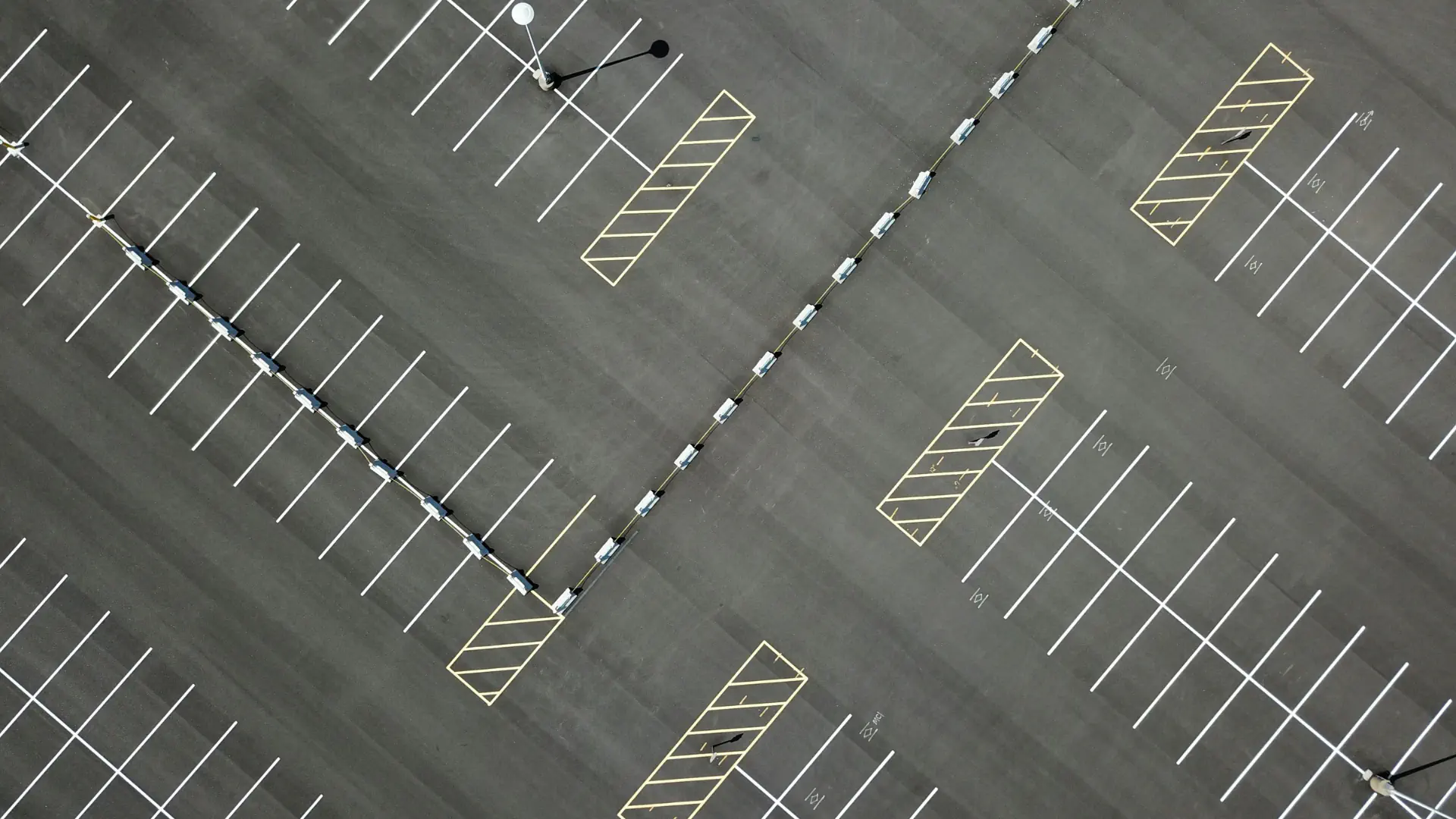
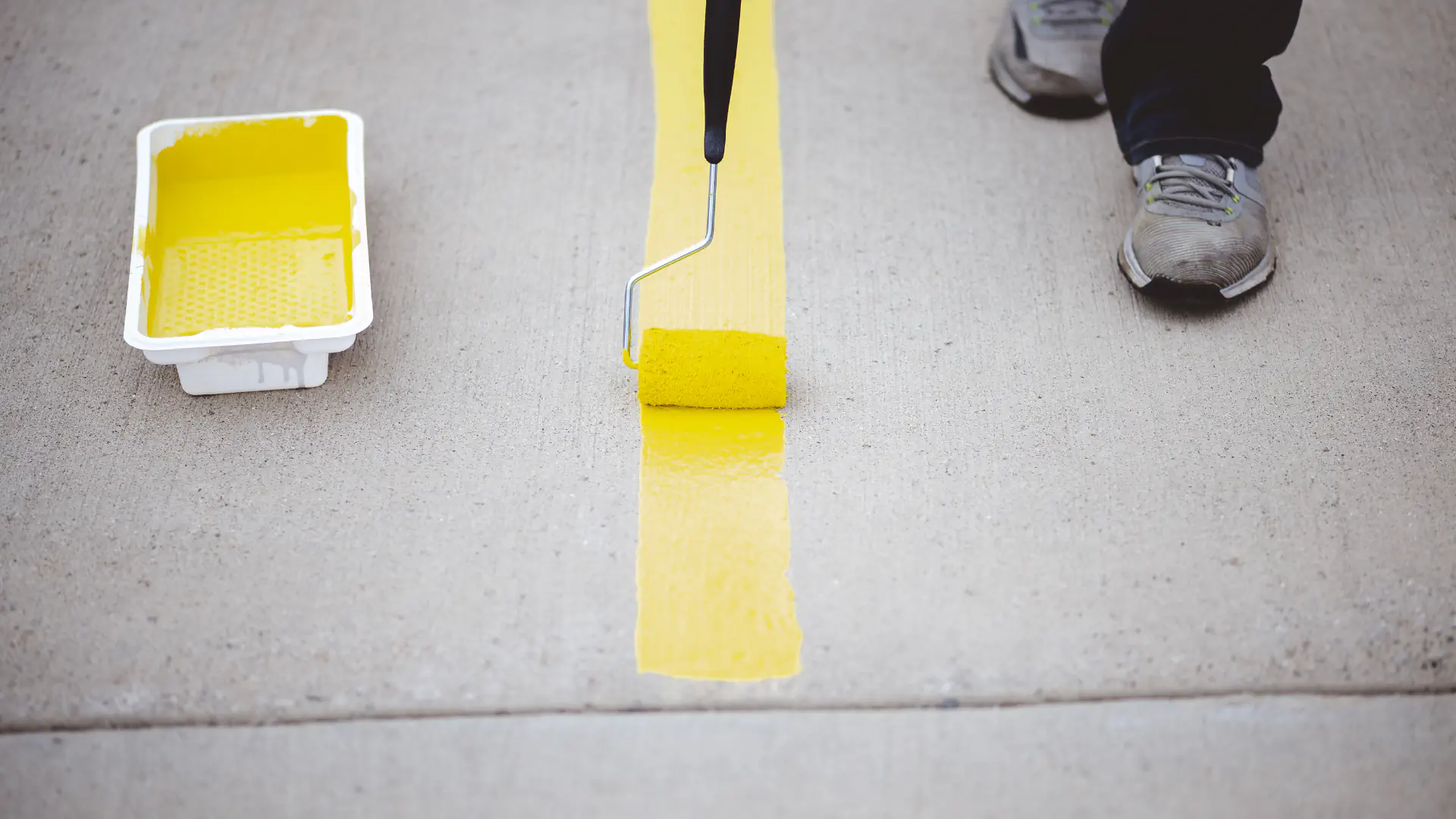
For commercial properties, that higher-end range often also incorporates parking lot striping in Denver, ADA-compliant space markings, directional arrows, and fire lane designations, all of which are part of a complete, code-compliant installation rather than optional add-ons.
DMH Site Services provides itemized estimates for every asphalt paving in Denver project so that property owners understand exactly where each cost originates, what it prevents, and what the long-term maintenance implications are. A price that looks high on day one often reflects preparation work that saves significantly more over the first five years.
Is 2 Inches of Asphalt Enough for a Driveway?
In most residential applications, 2 inches of compacted asphalt is considered the standard minimum for the top surface layer, but the surface layer is only part of the structure. The real strength of any driveway comes from what’s beneath it.
A typical durable driveway system in Denver is built like this:
- 4 to 8 inches of compacted gravel base
- 2 inches of asphalt surface layer
For heavier vehicles, trailers, delivery trucks, or any commercial use, experienced asphalt companies in Denver typically recommend a 3-inch or thicker asphalt layer combined with a reinforced base to prevent rutting, edge cracking, and premature structural failure.
In Denver’s climate, that base engineering is especially important. Freeze-thaw cycles place repeated stress on pavement foundations throughout the winter, and a base that was compacted inadequately or graded without drainage in mind will show that failure within one to three winters. The asphalt surface on top simply cannot compensate for what’s happening below it.
This is also where concrete contractors in Denver play a connected role for properties with mixed-surface driveways, aprons, curb transitions, and flatwork sections all need to be engineered with the same freeze-thaw and drainage awareness that governs the asphalt portions of the project.
Why Pricing Feels Even More Variable on Real Denver Projects
In freeze-thaw climates like Denver’s, asphalt pricing also reflects risk assessment. Experienced contractors adjust quotes based on the probability of base movement, drainage challenges, and long-term durability requirements specific to the site. A quote that appears low on the surface may be omitting base preparation costs that will show up as repair bills within a few seasons.
That’s one of the clearest reasons why asphalt maintenance in Denver CO costs less over the long run when the original installation was done correctly. Properties that invest in proper base preparation, drainage grading, and quality materials at installation tend to need less frequent intervention, and when they do need asphalt maintenance in Denver CO attention, the issues are surface-level rather than structural.
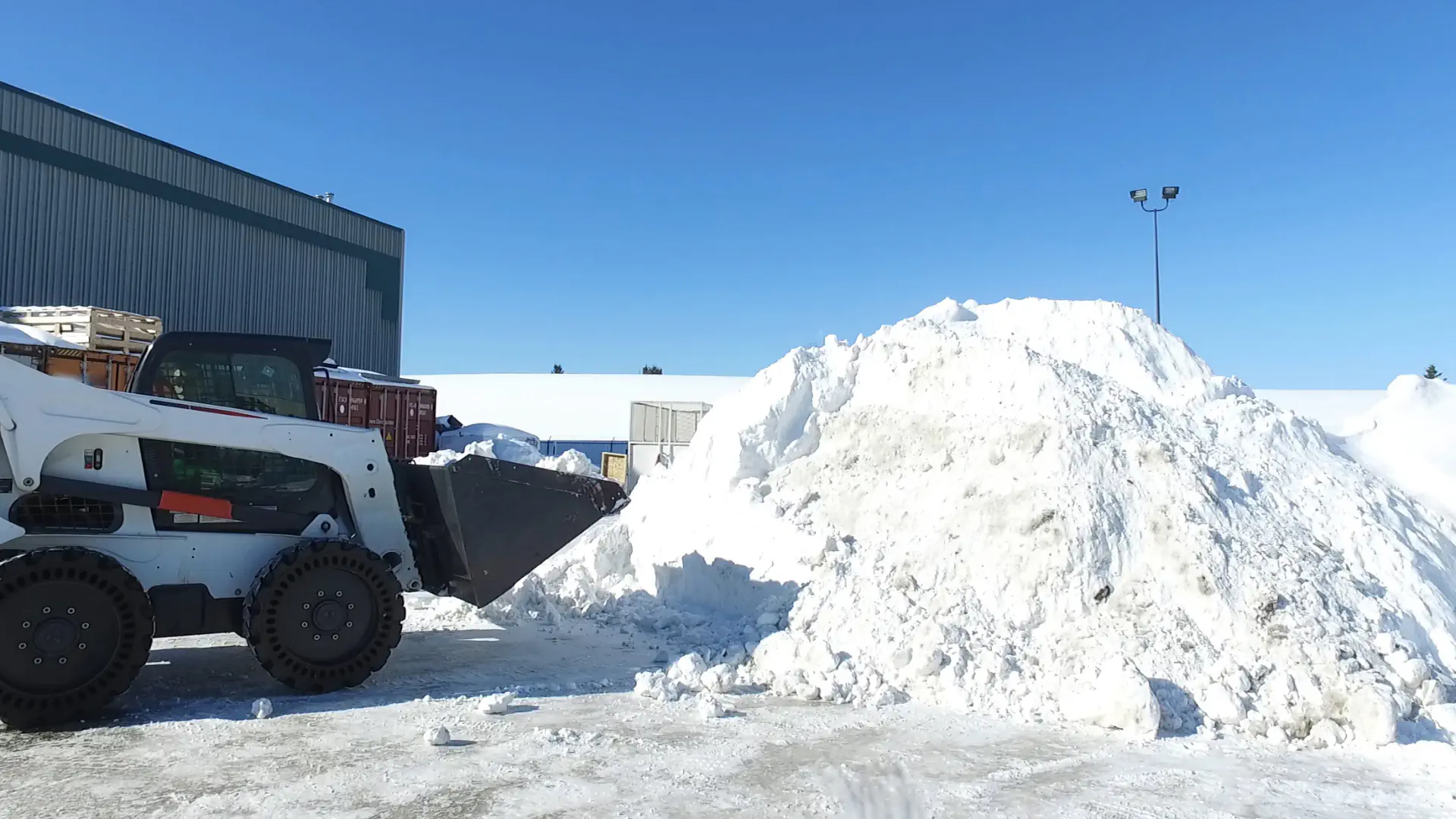
Commercial snow removal in Denver CO adds another layer to that cost picture. Properties with well-graded drainage and quality pavement sustain significantly less plow damage over multiple winters than those with soft edges, poor drainage, or thin asphalt applications. The pavement investment and the winter maintenance investment are directly connected.
DMH Site Services accounts for that full lifecycle, from the initial asphalt paving in Denver installation through seasonal asphalt maintenance in Denver CO, parking lot striping in Denver, and commercial snow removal in Denver CO, so that every project decision made at the start protects the value of what follows.
Want a More Accurate Price for Your Denver Property?
Asphalt pricing varies because no two properties are identical, and because the decisions made beneath the surface determine how well the finished pavement performs for the next decade. The most reliable way to understand true project cost is an on-site evaluation that accounts for your specific grading, drainage, base conditions, and intended use.
DMH Site Services provides professional on-site assessments for asphalt paving in Denver projects of all sizes, residential driveways, commercial parking lots, and everything in between. As a full-service Denver commercial asphalt company, the team also covers asphalt maintenance in Denver CO, parking lot striping in Denver, commercial snow removal in Denver CO, and coordination with concrete contractors in Denver for properties managing complete exterior pavement programs.
Contact DMH Site Services today to schedule your assessment and get a clear, itemized picture of what your project actually requires, and what it will cost to do it right the first time.