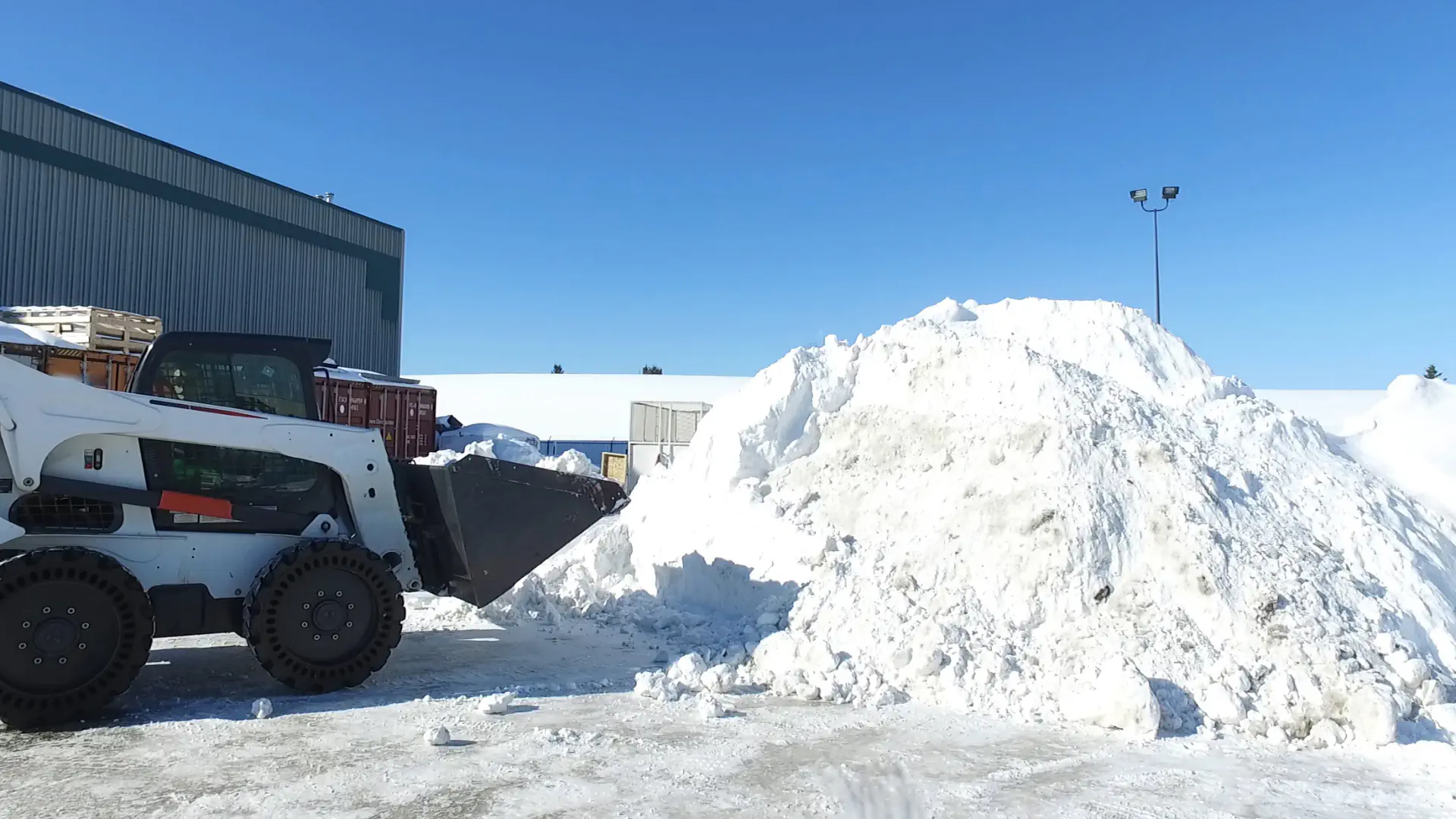
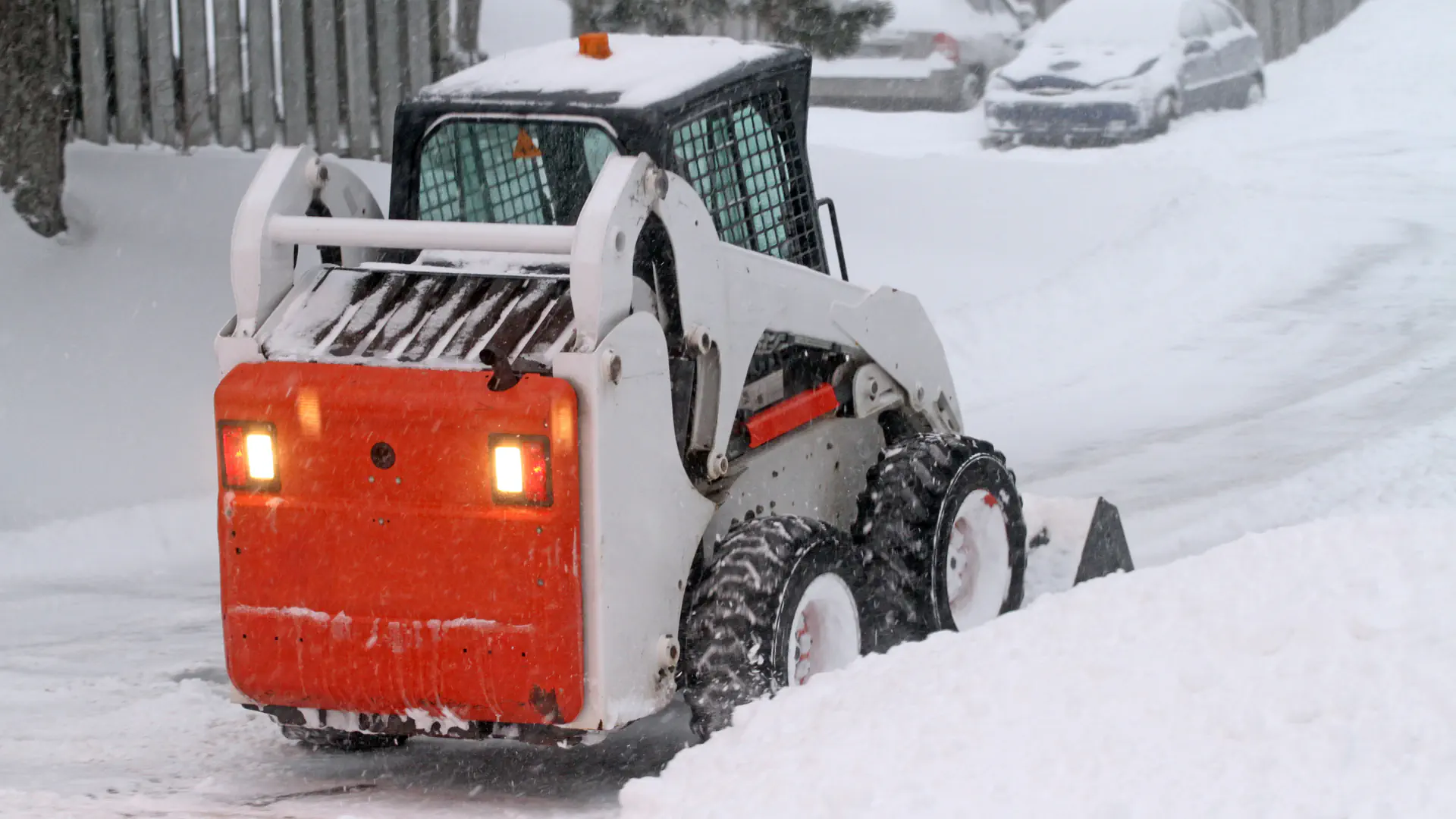
Commercial snow removal contracts are designed to keep businesses, parking lots, apartment complexes, and commercial properties safe and operational during winter weather. But unlike residential snow shoveling, commercial snow management is rarely a simple “show up when it snows” arrangement.
In Denver, commercial snow removal in Denver CO contracts are typically structured around liability prevention, response timing, and weather triggers. Property managers aren’t just paying for snow to disappear, they’re paying for reduced slip-and-fall risk, tenant accessibility, emergency response planning, and reliable site management during storms that don’t follow a schedule.
DMH Site Services builds commercial snow removal in Denver CO contracts around exactly those priorities, because a plan written before the first storm arrives is the only one that holds up when conditions deteriorate fast.
For organized property owners who prefer systems over last-minute scrambling, understanding how these contracts work can make winter operations significantly more predictable, and significantly less stressful.
What Does a Snow Removal Contract Consist Of?
A commercial snow removal contract outlines precisely how and when a contractor will respond during winter weather events. The goal is to eliminate confusion and establish clear expectations before storms arrive, not during them.
Most contracts offered by established asphalt companies in Denver and full-service site providers include:
- Snow plowing for parking lots and access roads
- Sidewalk clearing and pedestrian pathway management
- Ice management and de-icing treatments
- Salting and sand applications
- Trigger depth requirements
- Guaranteed response times
- Defined service areas and priority zones
- Equipment responsibilities
- Storm monitoring procedures
- Liability limitations and documentation standards
One of the most operationally important contract elements is the trigger depth, the accumulation threshold at which crews are automatically dispatched, without the property manager needing to make a call.
Common trigger thresholds include:
- 0–2 inches (immediate response)
- 2–4 inches
- 4+ inches (heavy storm response)
A contract might specify, for example, that plowing begins automatically once snowfall reaches two inches, giving property managers one less urgent decision during an already disrupted morning.
Many Denver commercial properties also require pre-treatment services before storms begin. Anti-icing applications reduce snow bonding to pavement surfaces and improve safety when temperatures drop suddenly, a scenario any Denver property manager has experienced firsthand.
Contracts also define priority service areas such as emergency access lanes, ADA walkways, loading docks, main entrances, and fire lanes. The more precisely those details are documented before winter begins, the fewer disputes and service gaps occur when a major storm tests the agreement.
DMH Site Services coordinates commercial snow removal in Denver CO alongside ongoing asphalt maintenance in Denver CO to ensure that plowing operations protect, rather than damage, the pavement and parking lot striping in Denver beneath the snow. That coordination matters more than most property managers realize until they see the effect of aggressive plowing on a freshly sealed or recently restriped surface.
How Much Is a Typical Snow Removal Contract?
Commercial snow removal pricing depends on a combination of property-specific factors that vary considerably from one site to the next.
Pricing is typically influenced by:
- Total property size and square footage
- Historical snowfall frequency for the area
- Selected trigger depth
- Site complexity and layout
- Number and length of sidewalks
- Ice management requirements
- Required response speed and staffing availability
In Denver, commercial snow removal in Denver CO contracts are commonly structured in one of several ways:
- Seasonal flat-rate contracts: a fixed price covering all qualifying snow events for the season
- Per-push pricing: charged per visit when snowfall meets the trigger threshold
- Per-inch billing: cost scales with accumulation depth
- Hourly emergency rates: applied to storm events outside normal contract parameters
Large commercial sites with 24/7 operational demands, distribution centers, hospital campuses, retail centers, typically pay more because they require faster response times, higher crew availability, and more thorough documentation for liability management.
Properties with steep grades, heavy pedestrian traffic, or extensive sidewalk networks also carry higher service costs because of the increased labor and liability exposure involved.
As a full-service Denver commercial asphalt company, DMH Site Services structures snow contracts to align with each property’s operational needs and budget cycle, including bundled options that combine commercial snow removal in Denver CO with asphalt maintenance in Denver CO and parking lot striping in Denver for properties that prefer a single consolidated vendor relationship.
What Is a Good Profit Margin for a Snow Removal Company?
Snow removal can be a highly profitable service during active winter seasons, but profitability in this industry fluctuates with weather conditions in ways that few other service businesses experience. Labor costs, equipment maintenance, fuel prices, and storm frequency all affect margins within the same season.
Well-managed commercial snow removal in Denver CO operations generate stable recurring revenue through emergency service demand, seasonal retainers, ice management add-ons, and multi-year contract renewals. But the most resilient snow companies in Denver don’t rely on winter weather alone to sustain healthy margins.
The contractors that build lasting businesses typically balance snow operations with year-round pavement services including asphalt maintenance in Denver CO, asphalt paving in Denver, parking lot striping in Denver, and coordination with concrete contractors in Denver for curb and flatwork maintenance. That diversification keeps crews and equipment productive through every season, and keeps client relationships active rather than dormant for eight months of the year.
DMH Site Services operates on exactly that model, giving property managers a single point of contact for pavement maintenance, striping, snow removal, and site services across all four Colorado seasons.
How Much Do Snow Removal Businesses Make?
Revenue and operational scope vary considerably based on company size, contract portfolio, equipment capacity, and local climate conditions. Smaller operators may service a handful of retail lots or apartment complexes, while larger contractors manage distribution centers, hospital campuses, shopping centers, industrial parks, and municipal contracts simultaneously.
In a growing metro area like Denver, demand for commercial snow removal in Denver CO stays consistently strong because businesses cannot afford unsafe parking lots, inaccessible walkways, or operational shutdowns during storms. The financial and reputational cost of a single slip-and-fall incident or a storm-related closure often exceeds an entire season’s worth of snow contract costs, which is a calculation more property managers are making proactively each year.
The contractors that perform best over time, across both snow season and the broader asphalt maintenance in Denver CO calendar, are those with reliable response systems, strong dispatch coordination, well-maintained equipment, proactive weather monitoring, and clear communication that lets property managers focus on their own operations rather than tracking down their snow crew during a storm.
Working with a full-service Denver commercial asphalt company that also manages winter operations means that the team clearing your lot in January already understands your pavement’s drainage grades, striping layout, and surface condition, context that makes commercial snow removal in Denver CO safer and more precise than it would be with a contractor encountering your property for the first time in a snowstorm.
Why Snow Contracts Matter More in Denver
Denver winters shift fast. A clear, sunny afternoon can become an overnight accumulation event with freezing temperatures by early morning, and that forecast can change within hours. That unpredictability is precisely why structured commercial snow removal in Denver CO contracts exist, and why vague verbal agreements consistently fail property managers the moment conditions get serious.
Without a documented agreement in place, property managers end up competing for contractor availability during the same storm that every other unprepared property in the city is calling about. Tenants, customers, and employees deal with hazardous conditions in the meantime. Liability exposure climbs with every hour the lot stays uncleared.
A strong contract with DMH Site Services creates operational predictability before winter problems arrive, not a reactive scramble after they already have.
Build Your Winter Plan Before the First Storm
Commercial snow removal contracts protect businesses, reduce liability exposure, and maintain safe property access through Colorado’s unpredictable winter season. The strongest contracts clearly define response expectations, trigger depths, priority service zones, and ice management responsibilities, in writing, before the season begins.
DMH Site Services provides commercial snow removal in Denver CO as part of a complete suite of property services that includes asphalt paving in Denver, asphalt maintenance in Denver CO, parking lot striping in Denver, and support from experienced concrete contractors in Denver for properties managing full exterior maintenance programs.
If you manage a commercial property in Denver and want a winter plan built around your property’s specific layout, operational requirements, and risk profile, contact DMH Site Services before the season starts. The best time to finalize a snow contract is well before the forecast makes the decision for you.