Colorado weather is famously unpredictable. A sunny morning can turn into a freezing afternoon, making it tough to know exactly when it’s safe to schedule a paving project. If you’re planning a new driveway or parking lot in DENVER, timing matters more than most people realize. Asphalt can handle Colorado’s climate just fine once it’s installed, but it needs the right conditions during installation to reach proper strength and durability, which is exactly where an experienced Denver commercial asphalt company like DMH Site Services makes the difference between pavement that lasts and pavement that fails early.
Understanding how temperature affects asphalt helps your investment last for years instead of developing premature cracks or weak spots.
Yes, asphalt can be installed in cool weather, but contractors have to follow real temperature limits to guarantee a quality result. Hot mix asphalt has to stay hot while it’s transported, placed, and compacted. As outside temperatures drop, the asphalt cools much faster, leaving less time to compact it properly before it hardens. If compaction isn’t done right, the pavement can end up with air voids that let water penetrate the surface, raising the risk of cracking, potholes, and premature failure. In DENVER, contractors also have to weigh wind, ground temperature, and the chance of overnight freezing. Even when the air temperature looks acceptable, frozen ground or a sudden weather swing can still compromise the job. DMH Site Services monitors forecasts closely on every asphalt paving Denver CO project and won’t hesitate to postpone work when conditions threaten long-term performance. Waiting for the right weather consistently produces stronger pavement, better density, and a surface that lasts longer.
How Cold Is Too Cold to Lay Asphalt?
Exact recommendations vary by project, but most paving contractors want air temperatures of at least 50°F and rising before standard asphalt installation begins. Several factors influence whether conditions are acceptable:
- Air temperature
- Ground or surface temperature
- Wind speed
- Thickness of the asphalt layer
- Amount of sunlight
- Expected overnight temperatures
Thicker asphalt applications hold heat longer and can sometimes go down in slightly cooler conditions, while thinner pavement needs warmer weather for proper compaction. This is one reason a seasoned Denver commercial asphalt company evaluates each site individually instead of applying a single blanket rule to every job.
How Late in the Season Can You Lay Asphalt?
In DENVER, paving season typically runs from late spring through early fall, though projects can continue into late autumn if conditions stay favorable. Contractors often schedule work between:
- May through October for the most consistent conditions
- Early November if daytime temperatures stay warm enough
- Earlier or later depending on that year’s seasonal patterns
Rather than relying on the calendar alone, DMH Site Services checks daily forecasts before moving forward with any installation, so property owners aren’t stuck with a rushed job squeezed into a shrinking weather window.
Can You Lay Asphalt in 50 Degree Weather?
Yes. Fifty-degree weather is generally acceptable for paving, especially if temperatures are expected to climb during the day and the pavement surface is dry. Successful installation at this temperature depends on:
- Dry pavement conditions
- Warm ground temperatures
- Minimal wind
- Proper asphalt delivery temperature
- Efficient placement and compaction
Experienced crews move quickly to compact the asphalt before it cools, so the finished surface reaches the density it needs to hold up long-term. It’s the same attention to detail DMH Site Services brings to every asphalt paving Denver job, regardless of the season.
Can Asphalt Be Laid in Freezing Weather?
Generally, no. Installing asphalt at or below freezing isn’t recommended. Freezing conditions create real problems:
- Asphalt cools too fast for proper compaction.
- Frozen ground prevents a stable foundation.
- Moisture or ice interferes with bonding.
- Lower pavement density reduces durability.
- Premature cracking and potholes become more likely.
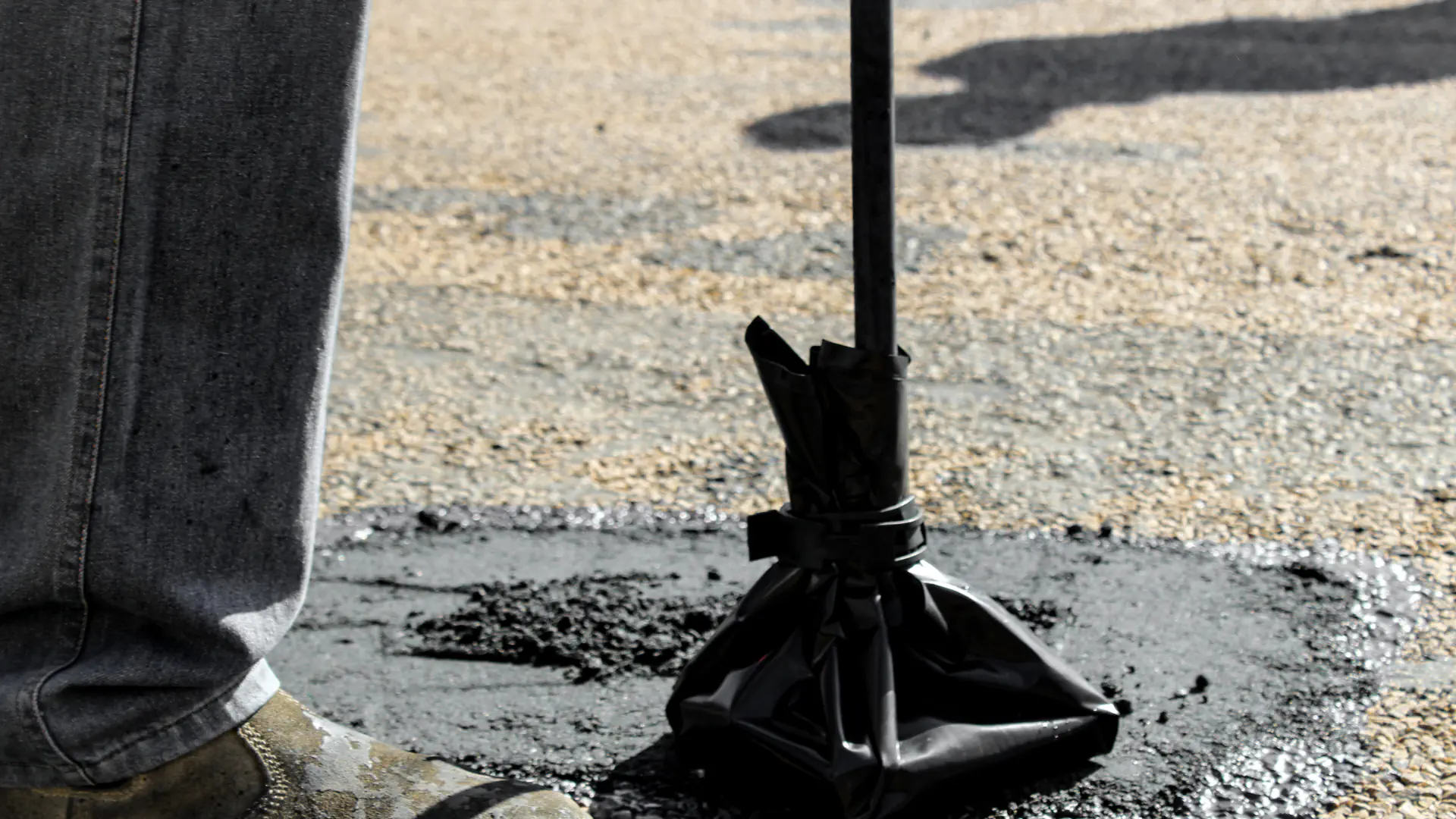
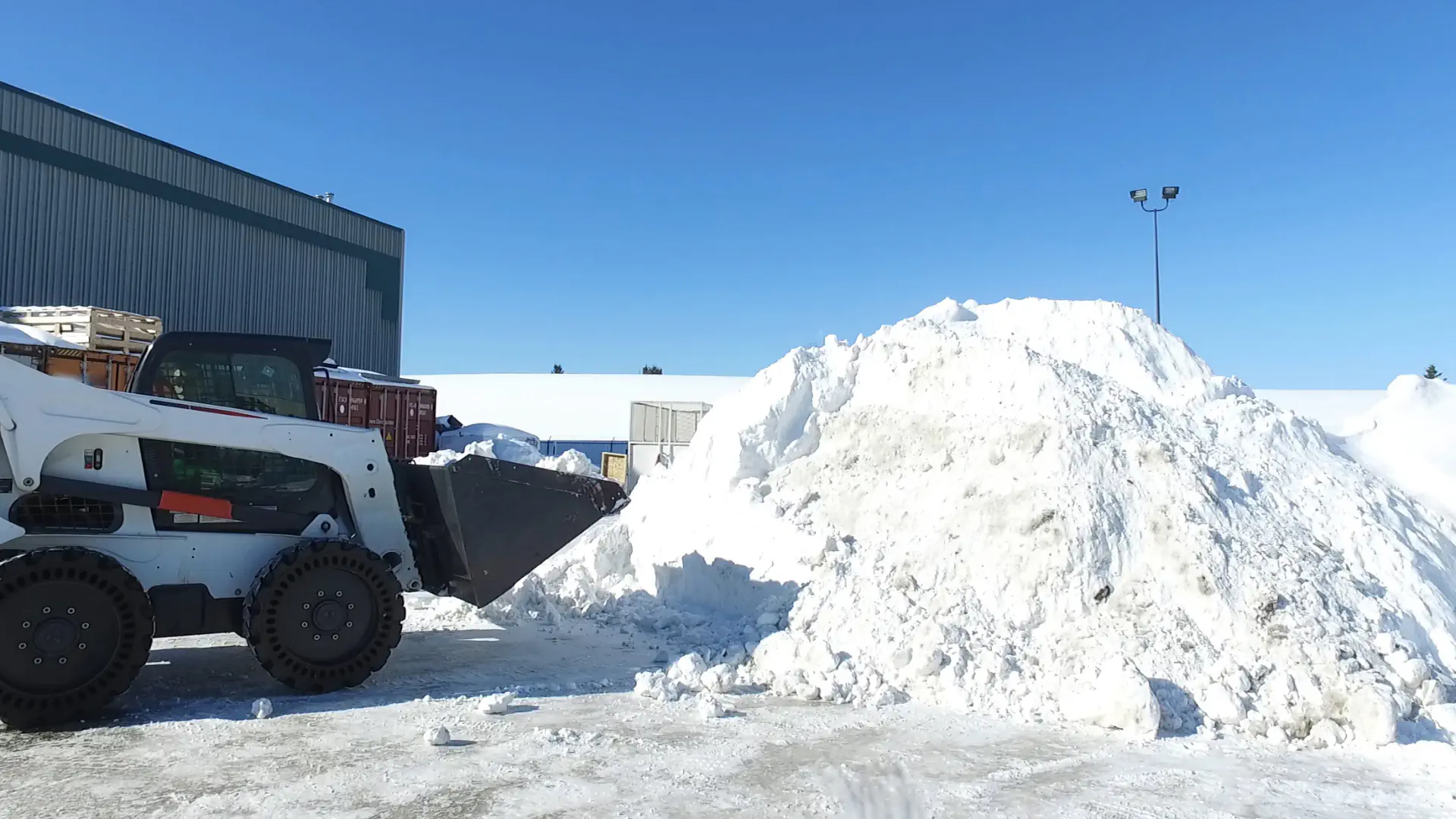
Emergency repairs sometimes use temporary materials during winter, but permanent paving is usually postponed until conditions improve. For property owners dealing with winter surface hazards in the meantime, pairing seasonal upkeep with reliable commercial snow removal Denver CO service helps protect existing pavement until the ground is ready for permanent repair work.
Proper Timing Leads to Longer-Lasting Asphalt
Colorado’s climate is demanding, but that doesn’t mean paving projects have to sit on hold indefinitely. Choosing the right installation window helps ensure the pavement compacts properly, resists moisture, and stands up to DENVER’s freeze-thaw cycles and intense UV exposure.
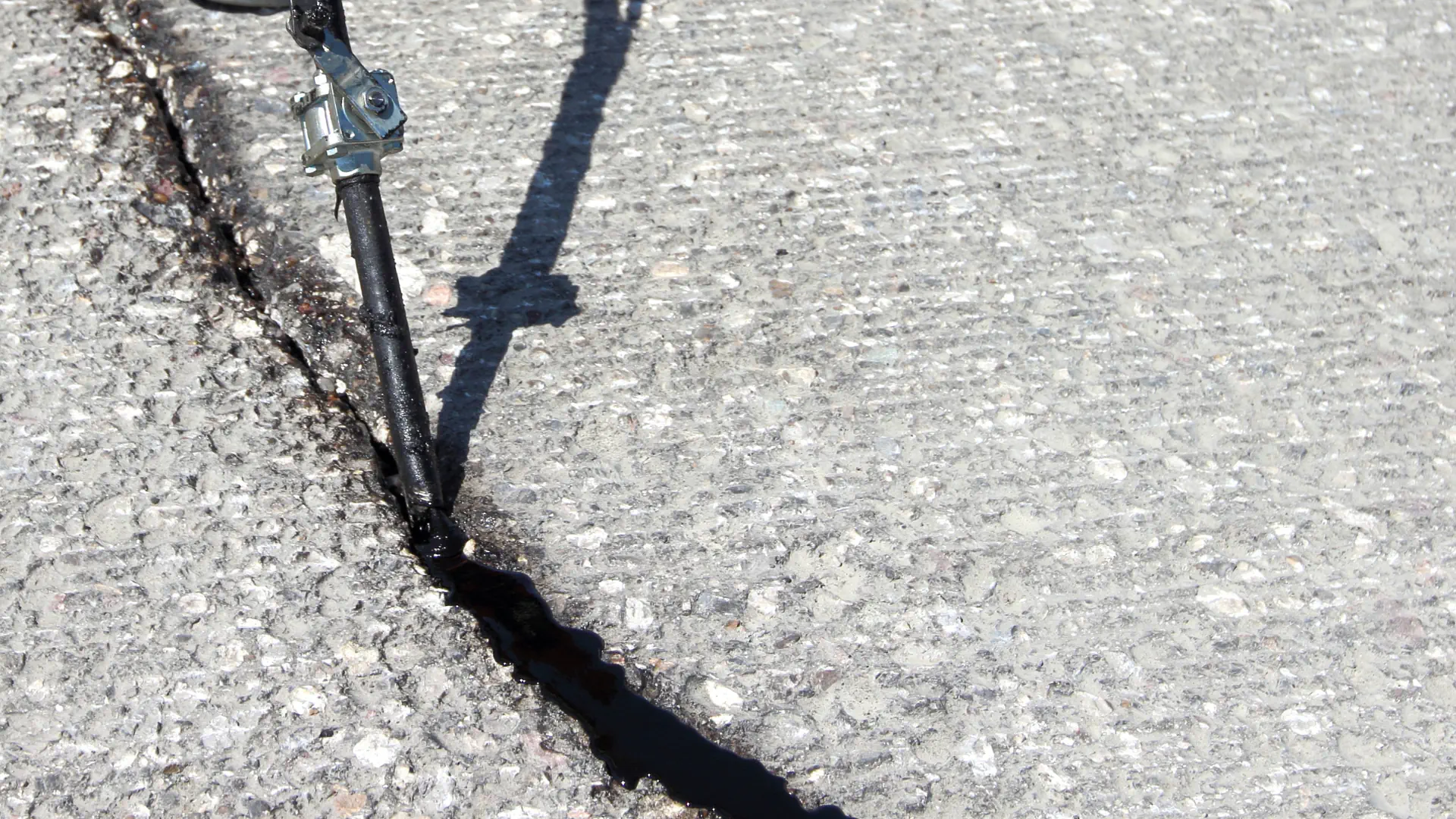
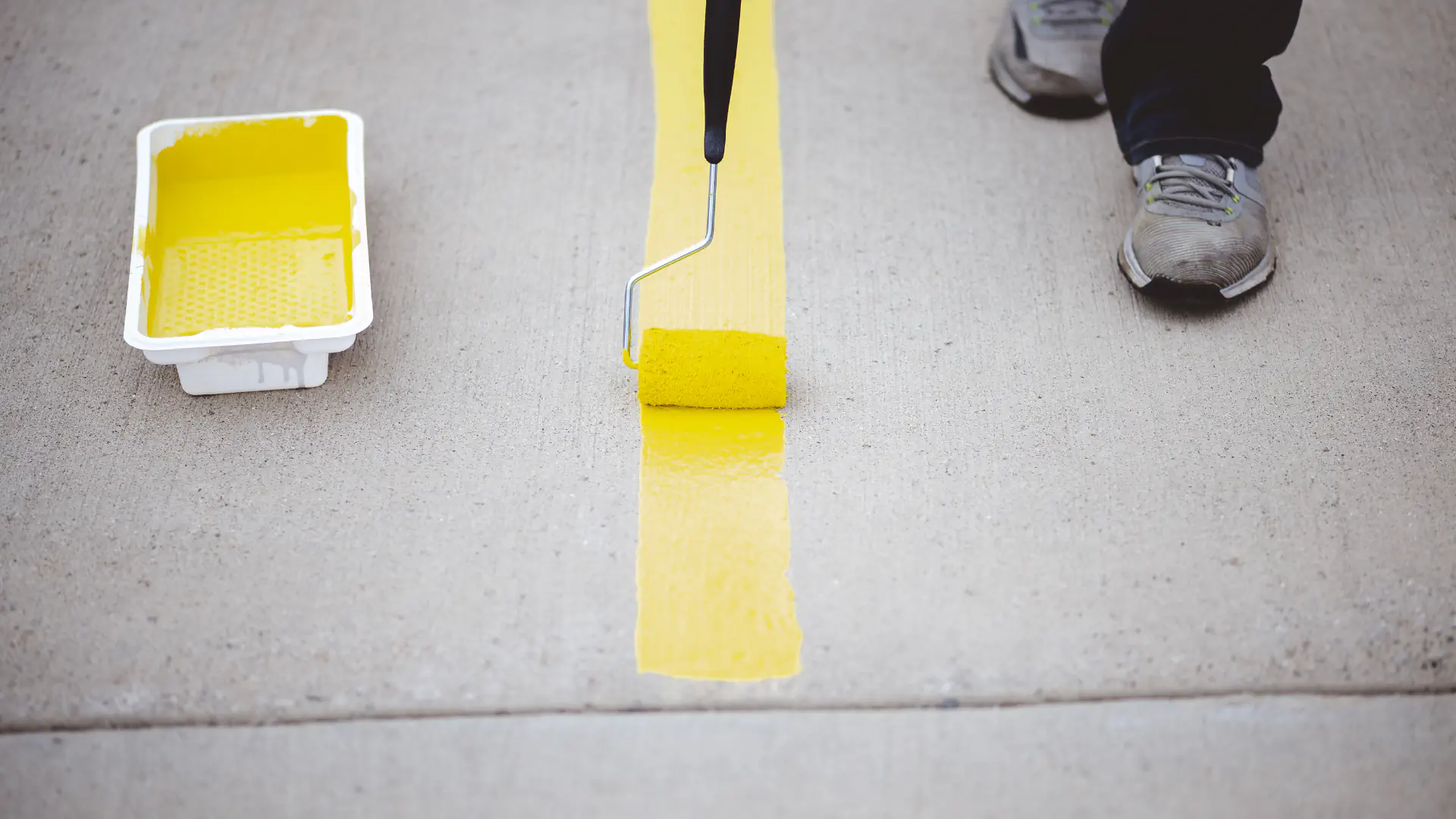
If you’re planning a driveway, parking lot, or commercial paving project in DENVER, DMH Site Services can evaluate current conditions and recommend the ideal window for your installation. Beyond new paving, our team also handles ongoing asphalt maintenance Denver CO property owners need between installations, along with parking lot striping Denver and general concrete contractors Denver work for sites that need more than just asphalt. Contact DMH Site Services today to schedule a weather evaluation and get your project timed right the first time.