When asphalt starts showing signs of wear, most property owners hit the same fork in the road: repair it or replace it?
The right answer depends on the condition of the pavement, the extent of the damage, and the long-term goals for the property. In Denver, where asphalt endures intense UV exposure, relentless freeze-thaw cycles, and heavy traffic, understanding the difference between repair and replacement can save you from pouring money into short-term fixes when a more permanent solution is what the pavement actually needs.
For practical property owners, the goal isn’t finding the cheapest option, it’s finding the option that delivers the best long-term value. DMH Site Services helps Denver property owners make that determination with straightforward assessments grounded in real pavement conditions, not sales incentives.
Is It Better to Repair or Replace an Asphalt Driveway?
In many situations, repairing asphalt is the most cost-effective path forward, particularly when damage is limited to isolated cracks, potholes, or surface deterioration. Targeted repairs address specific problem areas while preserving the rest of the pavement structure and extending its useful life.
Replacement becomes the stronger option when damage is widespread or the underlying foundation has already failed.
A reliable benchmark: if more than 25% to 30% of the pavement surface is damaged, replacement often delivers better long-term value than continued repairs. Extensive alligator cracking, chronic potholes, drainage problems, and multiple failed patches usually point to deeper structural issues that surface-level repairs can’t resolve.
Denver’s freeze-thaw climate makes this distinction especially important. Water that penetrates damaged pavement weakens the base layer progressively, causing the same problems to return even after repairs are completed. Experienced asphalt companies Denver property owners trust will evaluate base condition, not just surface appearance, before recommending a direction.
Is Repair and Replacement the Same Thing?
No, asphalt repair and asphalt replacement are fundamentally different services, and confusing the two can lead to costly missteps.
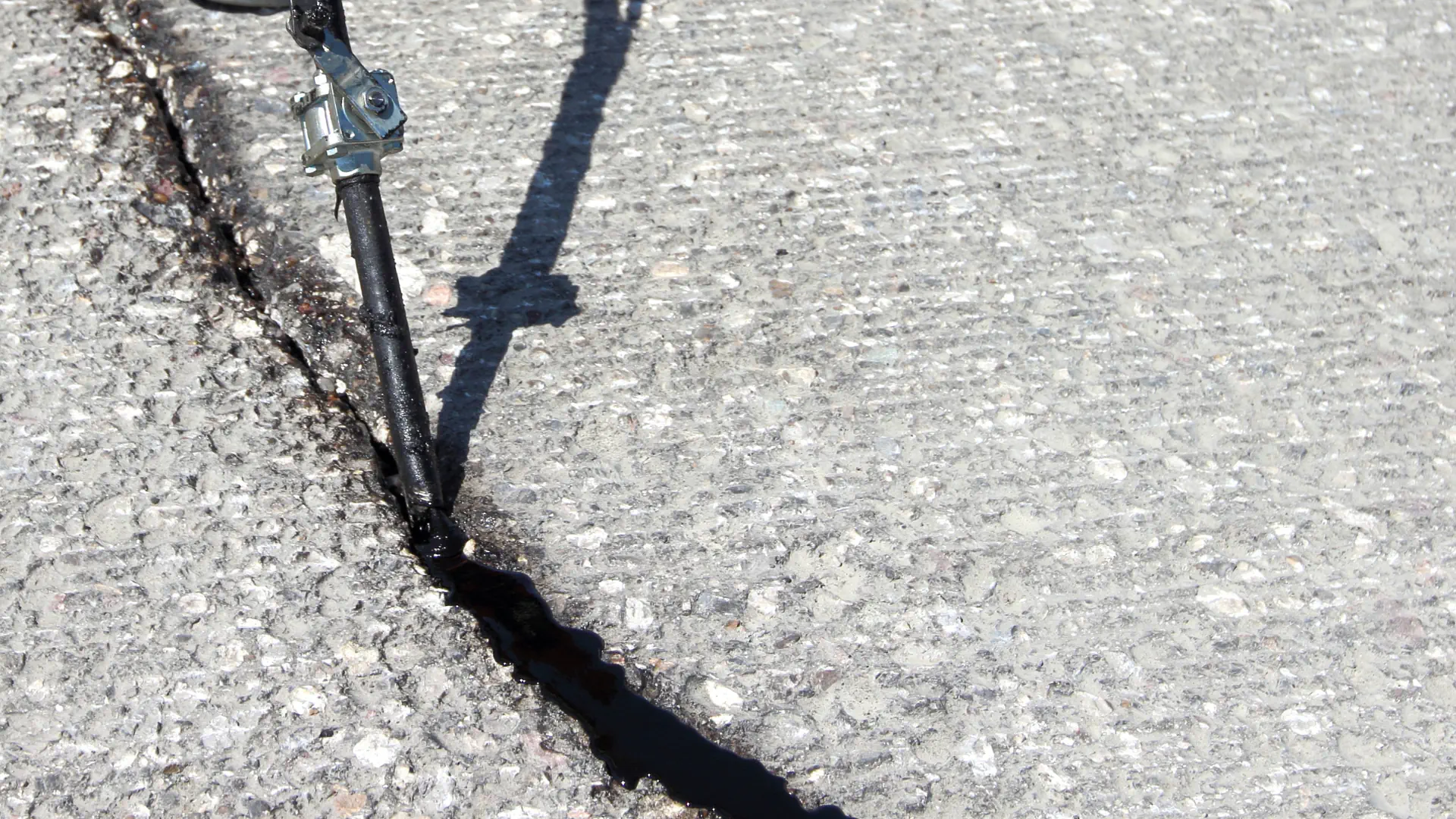
Asphalt repair focuses on correcting specific damaged areas while preserving the majority of the existing pavement. Common repair methods include crack sealing, pothole repair, infrared asphalt patching, surface patching, and localized removal and replacement of isolated sections.
Asphalt replacement involves removing and rebuilding all or a significant portion of the existing pavement structure. Depending on base condition, the process may include excavation, base repairs, grading improvements, drainage corrections, and full asphalt paving Denver installation from the ground up.
Think of it like a roof. Swapping out a few damaged shingles is a repair. Tearing off the entire roof and starting fresh is a replacement. Both solve problems, but they address very different levels of deterioration, and applying the wrong solution wastes money regardless of which direction you go.
DMH Site Services handles both repair and replacement across residential and commercial properties throughout DENVER, giving property owners a single point of contact rather than juggling multiple contractors for interconnected pavement issues.
How Often Should You Replace Asphalt?
Most asphalt surfaces in Denver last between 15 and 25 years before full replacement becomes necessary. The actual lifespan varies considerably based on traffic volume, installation quality, drainage performance, maintenance frequency, and weather exposure.
Property owners who consistently invest in asphalt maintenance Denver CO, crack sealing, sealcoating, drainage management, and timely repairs, routinely extend pavement life toward the upper end of that range. Without routine upkeep, asphalt can require replacement much sooner due to accelerated cracking, oxidation, and structural failure from moisture infiltration.
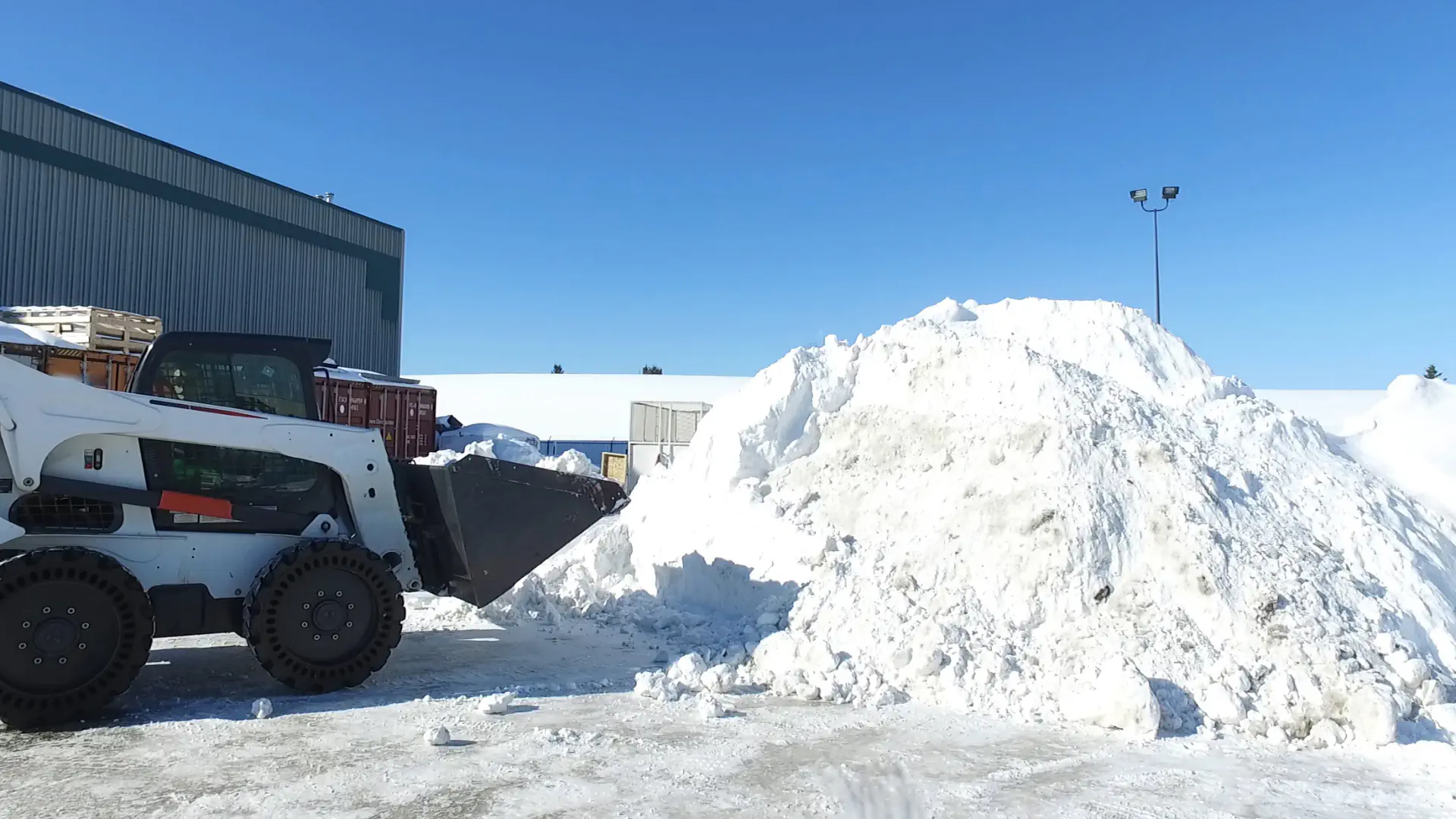
Regular inspections are one of the most underused tools available to property managers. Catching issues early enough to repair rather than replace can defer major asphalt paving Denver investments by years. Properties that also schedule commercial snow removal Denver CO services benefit from built-in opportunities to assess pavement condition each spring, right after winter has done its worst.
How Much Does Asphalt Replacement Cost?
Replacement costs vary considerably based on total project size, asphalt thickness requirements, existing pavement condition, excavation needs, base reconstruction requirements, drainage improvements, and site accessibility.
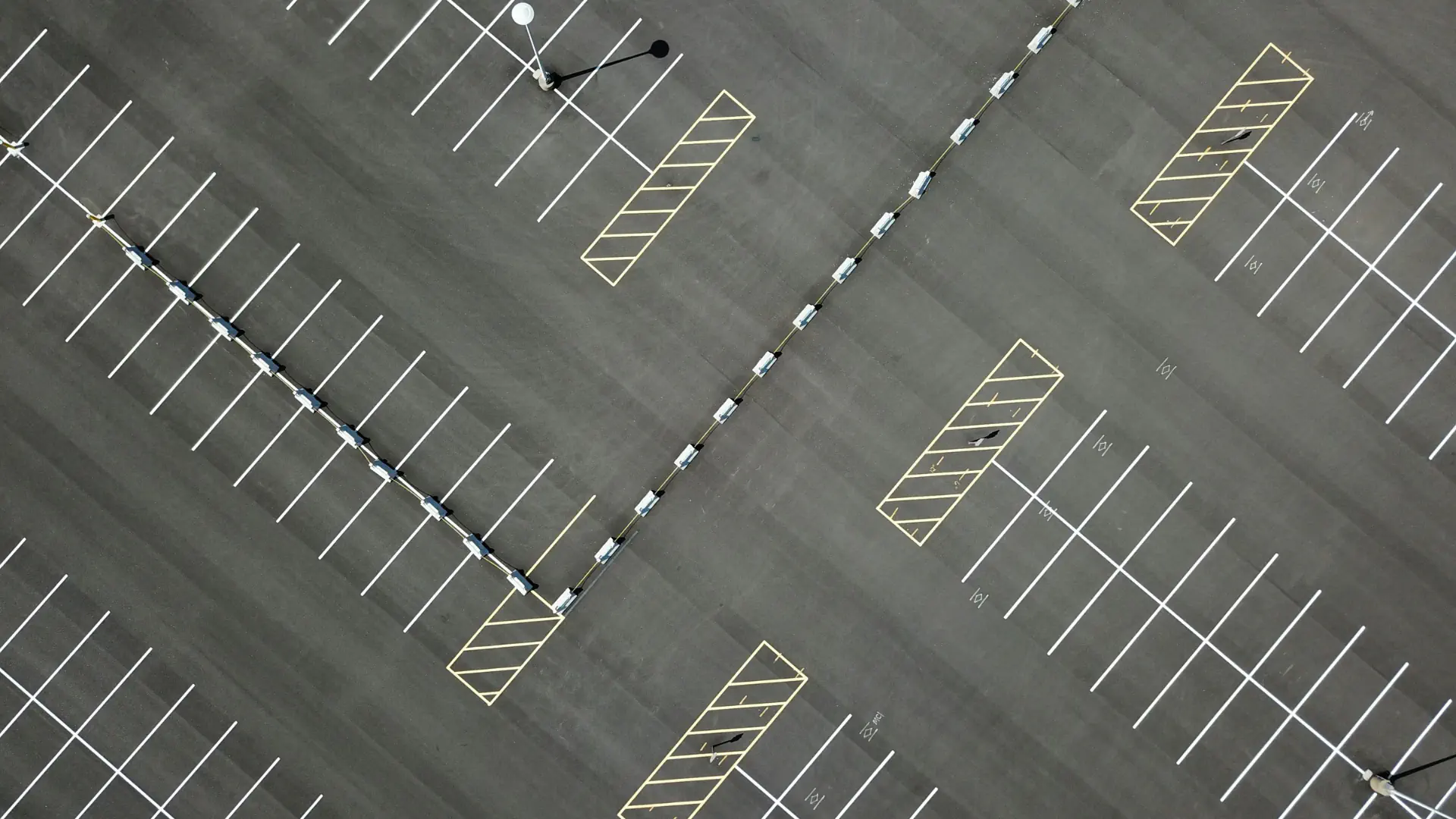
For residential driveways, replacement may range from several thousand dollars to significantly more depending on scope. Commercial parking lots often involve larger investments due to square footage, traffic demands, and compliance requirements, including parking lot striping Denver and ADA markings as part of the finished project.
As a full-service Denver commercial asphalt company, DMH Site Services builds detailed project estimates that account for every variable rather than offering generic per-square-foot pricing that leaves scope gaps until the final invoice. We also coordinate with concrete contractors Denver where mixed-surface properties require both asphalt and concrete work within the same project, streamlining scheduling and keeping the process straightforward for property managers.
While replacement carries a higher upfront cost than repairs, it eliminates recurring maintenance expenses tied to failing pavement and resets the full pavement lifecycle, making it a sound investment when structural damage has reached the point where continued repairs stop making financial sense.
How Denver’s Climate Shapes the Repair-or-Replace Decision
One factor many property owners underestimate is how directly Colorado’s climate affects asphalt performance and decision timing.
Denver’s high-altitude sunlight accelerates asphalt oxidation, gradually making surfaces more brittle. Freeze-thaw cycles create ongoing stress beneath the surface as moisture repeatedly freezes and expands inside existing cracks. Small surface issues can become structural failures faster here than they would in milder climates, which is why delaying a necessary replacement often leads to higher overall costs as damage spreads into the pavement base.
That’s why seasoned asphalt companies Denver property managers rely on evaluate both visible surface damage and the condition of the underlying structure before recommending a course of action. Surface appearance alone can be misleading. A lot that looks manageable on top may have a compromised base that makes repair a short-term band-aid. Consistent asphalt maintenance Denver CO practices narrow that risk significantly by keeping base conditions stable before problems compound.
Make the Right Investment for Your Pavement
Choosing between asphalt repair and replacement comes down to understanding the true condition of your pavement and the long-term value each option delivers for your specific property.
Repairs are the right call for localized issues where the foundation remains sound and the overall surface still has serviceable life remaining. Replacement becomes the smarter investment when structural deterioration makes ongoing repairs ineffective, unpredictable, or simply uneconomical.
DMH Site Services provides comprehensive pavement solutions throughout the Denver metro, from targeted repairs and asphalt maintenance Denver CO programs to full asphalt paving Denver replacements, parking lot striping Denver finishes, and coordination with concrete contractors Denver for complex mixed-surface projects. As a trusted Denver commercial asphalt company serving both residential and commercial clients, we give property owners clear, honest guidance on which option actually makes sense, and back it up with work that lasts.
If you’re unsure whether your driveway or parking lot needs repairs or full replacement, contact DMH Site Services for a professional pavement assessment. We’ll evaluate what’s actually happening beneath the surface and recommend the most cost-effective solution based on your property’s current condition and long-term maintenance goals.