
Timing matters more than most homeowners and property managers realize when it comes to asphalt paving in Denver. You can source high-quality materials, hire skilled crews, and still end up with early cracking, poor compaction, or surface failure if installation happens in the wrong conditions. The reason is straightforward: asphalt is a temperature-sensitive material. It needs warmth and atmospheric stability to compact and cure correctly. When those conditions are off, even slightly, the surface will not bond or harden the way it should, and the problems often do not show up until the following spring.
DMH Site Services has worked with residential and commercial property owners across the Denver metro long enough to know that rushed or poorly timed paving jobs create expensive callbacks. Understanding when not to pave is just as important as knowing what goes into a quality installation.
When Should You Avoid Paving a Driveway?
You should not pave your driveway when temperatures are too cold, when the ground is frozen or waterlogged, or when weather conditions cannot support proper compaction and curing. Asphalt requires warm ambient temperatures, typically above 50°F (10°C), to remain workable through the installation process. Below that threshold, the material cools too quickly for crews to achieve the density needed for a durable surface.
Rainy conditions and moisture-saturated base layers are equally problematic. Water trapped beneath or within the asphalt layers prevents proper bonding and creates weak points that expand under traffic and freeze-thaw stress. In DENVER, where overnight temperatures can drop sharply even in early fall, late-season paving carries real risk. The surface may appear intact immediately after installation, but premature cracking, raveling, or surface failure often emerges once winter stress begins.
As one of the asphalt companies in Denver with direct experience navigating Colorado’s climate windows, DMH Site Services evaluates site conditions carefully before scheduling any paving project, residential driveway or commercial lot. Getting the timing right at the start protects both the investment and the long-term performance of the surface.
What Temperature Is Too Cold to Pave a Driveway?
Temperatures below approximately 50°F (10°C) are generally too cold for proper asphalt paving in DENVER. At lower temperatures, asphalt cools faster than it can be worked and compacted, resulting in lower density throughout the mat. That density loss translates directly into a shorter surface lifespan, increased susceptibility to cracking, and higher long-term maintenance costs.
It is not just the air temperature that matters. Ground temperature, wind chill, and the temperature of the asphalt mix when it arrives on site all factor into the equation. A mix that leaves the plant at the correct temperature can cool below workable range during transport if conditions are poor. Experienced asphalt companies in Denver account for all of these variables, not just what the thermometer reads at noon.
DMH Site Services monitors project-day conditions closely and will reschedule work rather than proceed in marginal weather. That discipline is part of what separates quality asphalt paving in DENVER from jobs that look acceptable at first but fail early.
Is October Too Late to Seal a Driveway?
October is a borderline month for driveway sealing in DENVER, and the answer depends heavily on current conditions rather than the calendar date. If daytime temperatures are consistently above 50–60°F and overnight lows are not dipping toward freezing, sealing may still be viable in early to mid-October. Sealcoating requires warm, dry conditions to cure properly, if the temperature drops too soon after application, the sealant will not bond correctly and can peel or wash off with the first rain or snow.
In DENVER, October weather can be unpredictable. A stretch of warm, sunny days can give way to a sudden cold snap within a week. That variability makes professional judgment critical. DMH Site Services advises clients on realistic sealing windows based on the extended forecast, not just the day’s conditions. Scheduling asphalt maintenance in DENVER, CO before October arrives, ideally in late summer or early fall, consistently delivers better results and eliminates the risk of a failed sealcoat heading into winter.
Can You Pave a Driveway in October?
Yes, but only under the right conditions, and with realistic expectations about the risks involved. Early October in DENVER can still offer suitable paving windows if daytime temperatures remain stable and there is no frost risk in the overnight forecast. Crews from DMH Site Services have completed successful asphalt paving in DENVER during early fall when conditions supported it.
Late October is a different situation. As temperatures become less predictable and overnight lows approach freezing, the margin for error shrinks significantly. Poor compaction from cold conditions can create a surface that appears solid but lacks the internal density to hold up through winter. Property owners who push paving into late October to squeeze in one final project before winter often pay for that decision the following spring with cracking, raveling, or soft spots that require early repair.
The better approach is to work with a Denver commercial asphalt company early enough in the season to avoid that pressure entirely. DMH Site Services helps clients plan project timelines that keep installation within safe temperature windows, and handles asphalt maintenance in DENVER, CO for surfaces that need attention after a difficult winter.
What Time of Year Is Best to Pave a Driveway?
Late spring through early fall represents the optimal paving window for most DENVER properties. From roughly May through September, temperatures are warm, stable, and predictable enough to support quality compaction and proper curing. Summer months offer the most reliable conditions, though very high temperatures require attention to mix temperature management and paving pace.
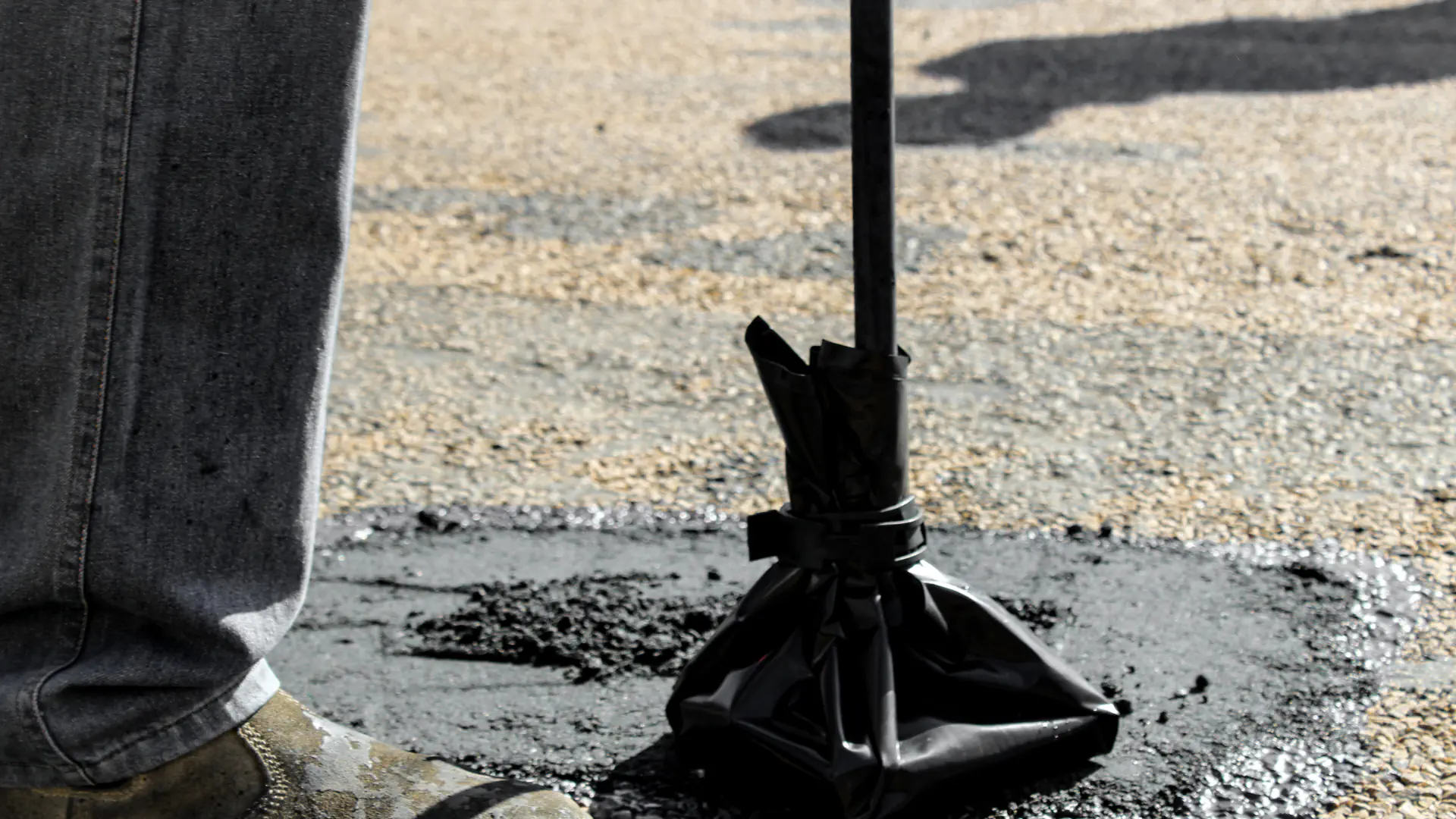
Early fall, particularly August and September, is often the sweet spot. Temperatures remain warm during the day, cool slightly at night without dropping below safe thresholds, and precipitation is typically manageable. This window also aligns well with post-winter repair needs, making it a natural time to combine asphalt paving in DENVER with any patching or maintenance work carried over from the previous season.
DMH Site Services recommends that commercial property owners plan paving projects in advance rather than waiting until deterioration becomes critical. A proactive schedule allows for proper material sourcing, site preparation, and installation within the ideal seasonal window, rather than rushing at the end of the season when conditions are less forgiving. For properties that also need concrete work, the team coordinates with concrete contractors in DENVER to sequence pavement and flatwork projects efficiently within the same seasonal window.
How Denver’s Climate Makes Timing Even More Critical
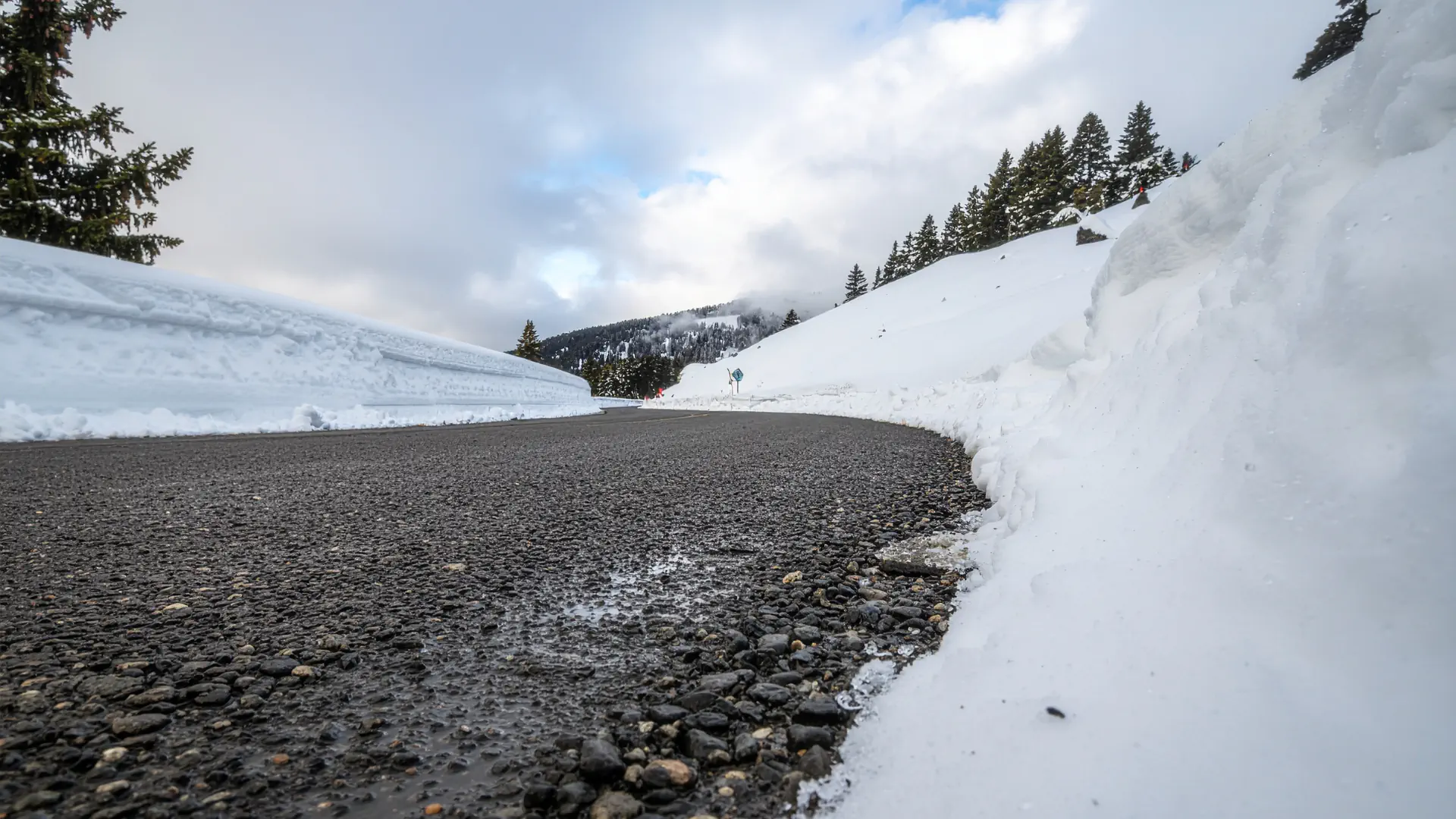
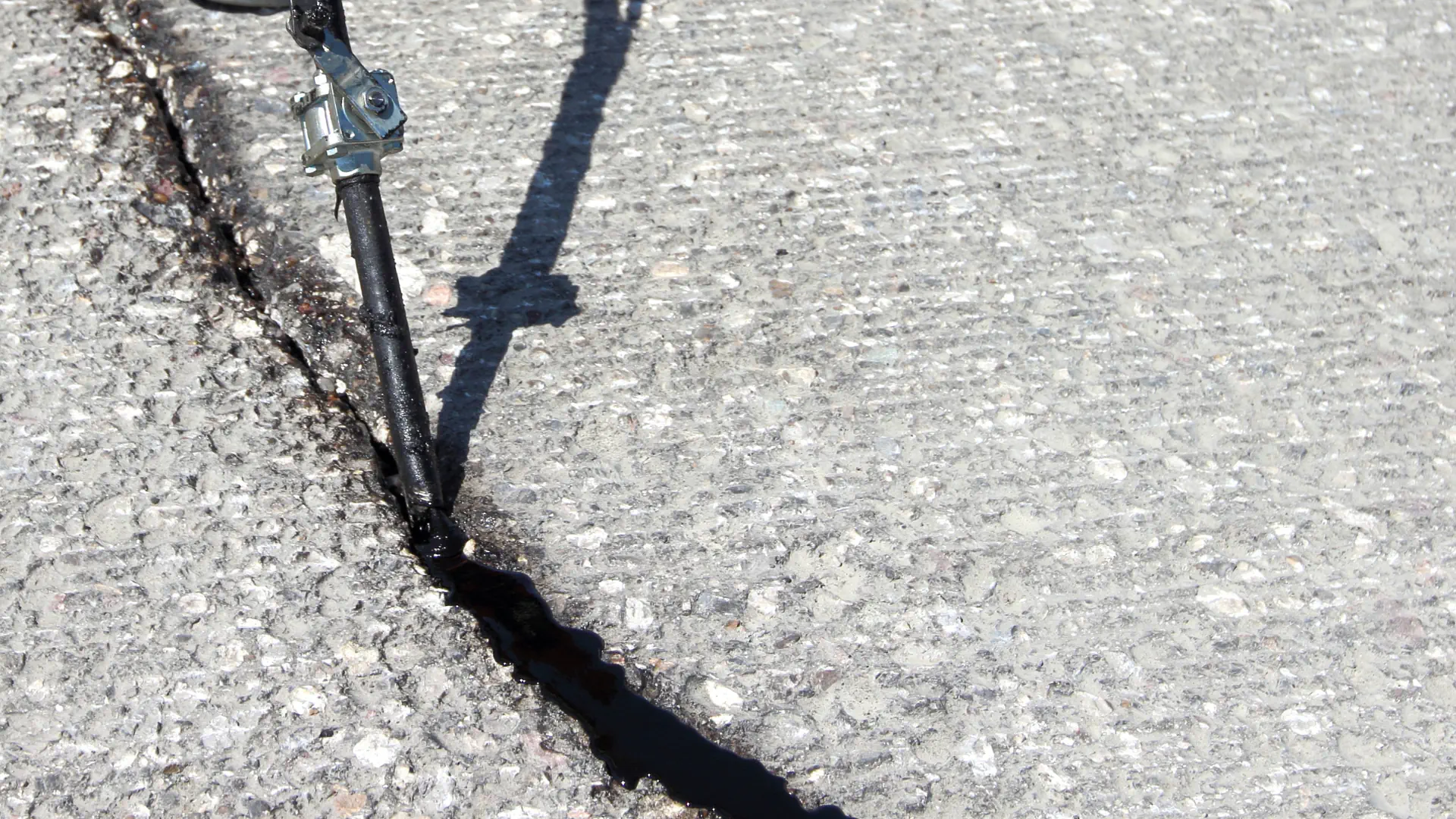
DENVER’s climate adds a layer of complexity that property owners in milder regions do not face. High altitude means more intense UV exposure, which accelerates asphalt oxidation and surface hardening year-round. Freeze-thaw cycles are frequent and significant, water that penetrates an asphalt surface in fall can expand repeatedly through the winter, widening cracks and weakening the base layer with each cycle.
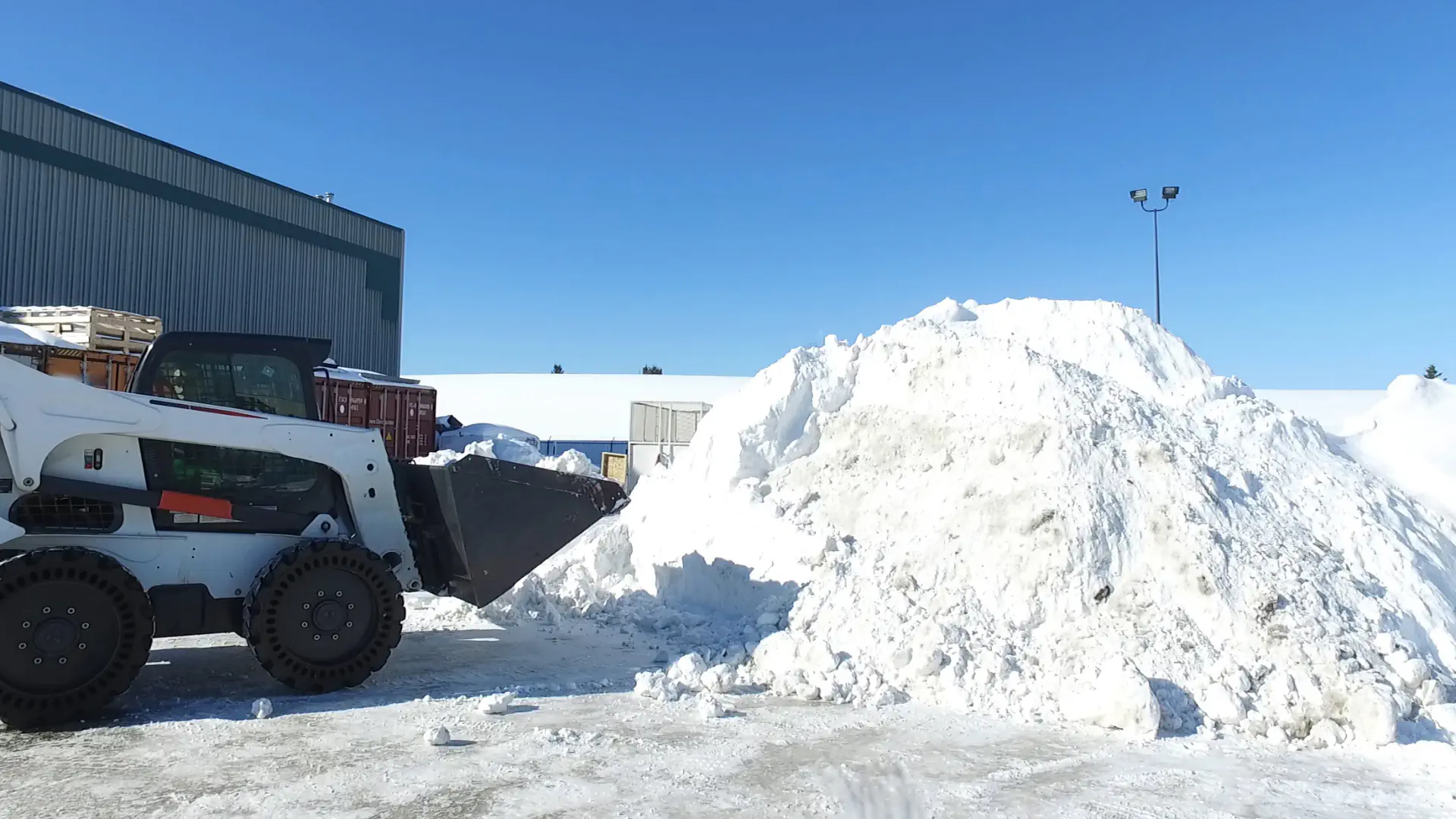
Commercial snow removal in DENVER, CO is essential for keeping lots and driveways safe through winter, but plow operations and ice-melting chemicals also contribute to surface wear. Properties that enter winter with well-compacted, properly cured asphalt, installed during the right seasonal window, consistently hold up better through snow clearing and spring thaw than surfaces paved too late in the year.
DMH Site Services takes a full-season perspective on pavement care, helping clients connect installation timing, asphalt maintenance in DENVER, CO, and commercial snow removal in DENVER, CO into a coordinated annual plan that keeps surfaces performing well across every season.
Plan Your Paving Project at the Right Time
If you are planning a driveway or parking lot project, timing the installation correctly makes a measurable difference in how long the surface lasts and how much maintenance it requires in the years ahead. DMH Site Services offers site evaluations to help property owners identify the right installation window, assess current surface conditions, and build a realistic project plan before the season closes.
Contact DMH Site Services today to schedule your evaluation and ensure your asphalt paving in DENVER is completed within the conditions it needs to perform at its best.