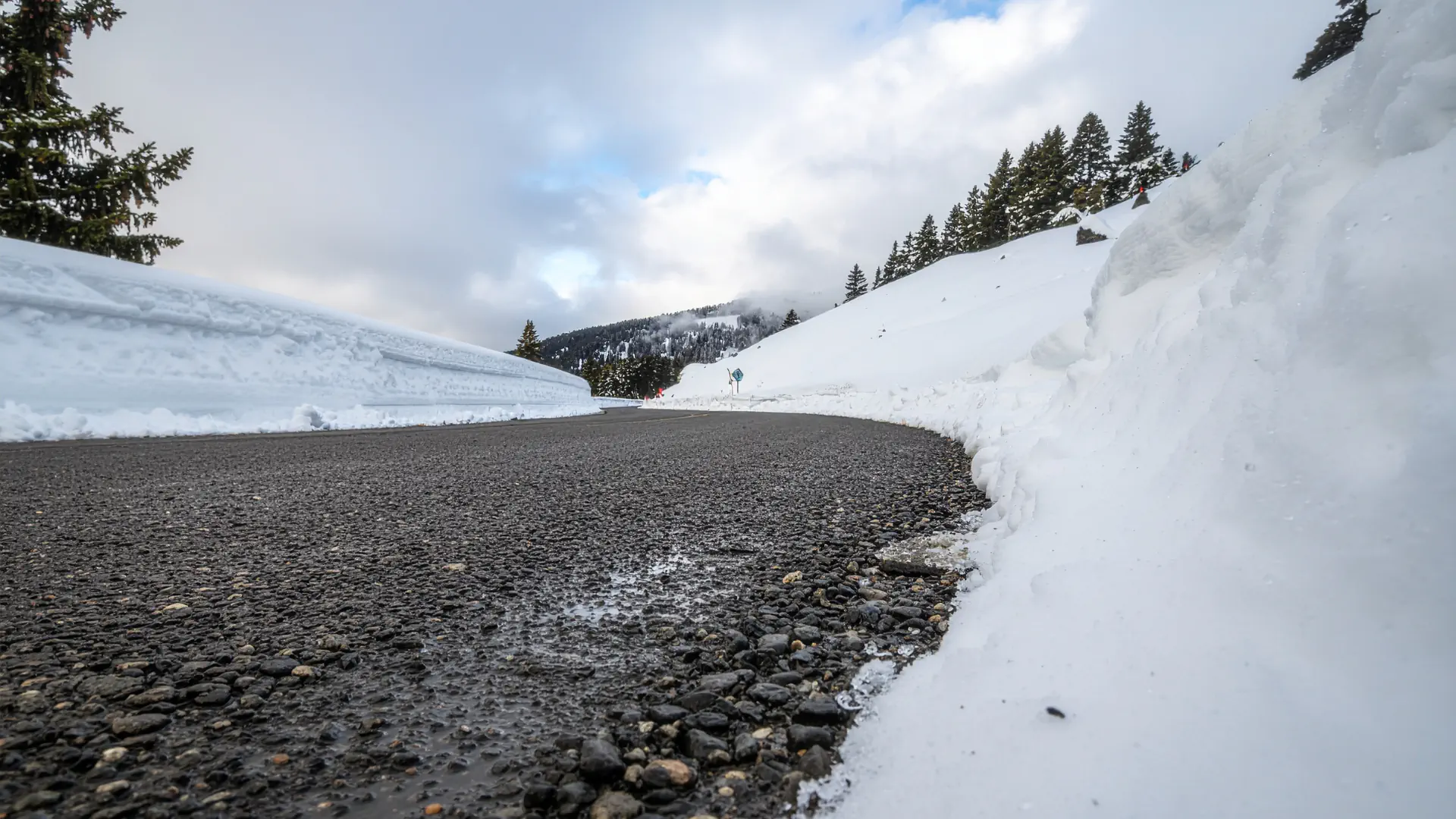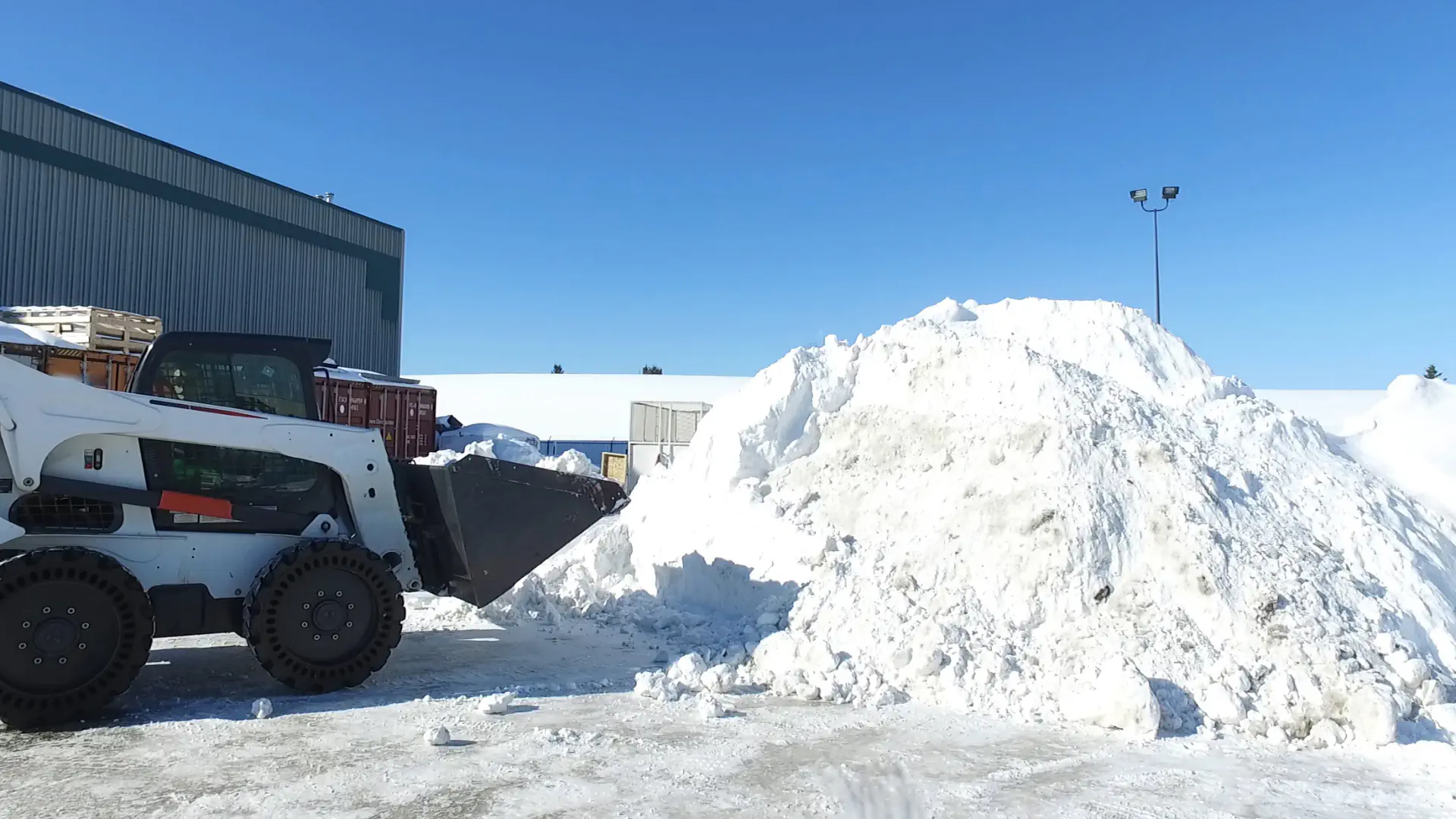
In Denver, asphalt does not fail quietly. It gives you warning signs first, small cracks, fading color, or rough edges that appear after a harsh winter. Most property owners notice the damage only when it becomes obvious, and by then, repairs cost significantly more than routine care would have. The reality is straightforward: asphalt is not a one-time installation. It is a long-term surface that depends on consistent maintenance, especially in Colorado’s climate, where freeze-thaw cycles, intense UV exposure, and sudden temperature swings all accelerate wear.
For homeowners and commercial property managers alike, asphalt maintenance in Denver, CO is about more than appearances. It is about protecting the structural base beneath the surface. Even a small, untreated crack can expand within a single winter as moisture freezes and forces the pavement apart. That is why the team at DMH Site Services recommends a maintenance routine that includes crack sealing every one to two years, protective sealcoating on the same schedule, and periodic inspections for drainage concerns and surface wear. When followed consistently, this approach can extend your asphalt’s lifespan to 15 to 25 years, even under the daily demands of high-traffic driveways and commercial parking areas.
Does Asphalt Need Maintenance?
Yes, and in Denver, the answer carries more urgency than in milder climates. Asphalt is a flexible surface that gradually breaks down under UV exposure, water intrusion, and traffic load. At Denver’s elevation, oxidation and UV degradation happen faster than most property owners expect. Without a structured maintenance plan, even quality asphalt paving in Denver begins to show brittleness, surface cracking, and color loss within just a few years.
Preventative care is not optional if you want long-term durability. DMH Site Services works with both residential and commercial clients across the Denver metro to establish maintenance schedules tailored to traffic levels, sun exposure, and seasonal conditions. As one of the trusted asphalt companies in Denver, the team understands how local climate patterns affect pavement, and how to get ahead of damage before it spreads.
The most important maintenance activities include:
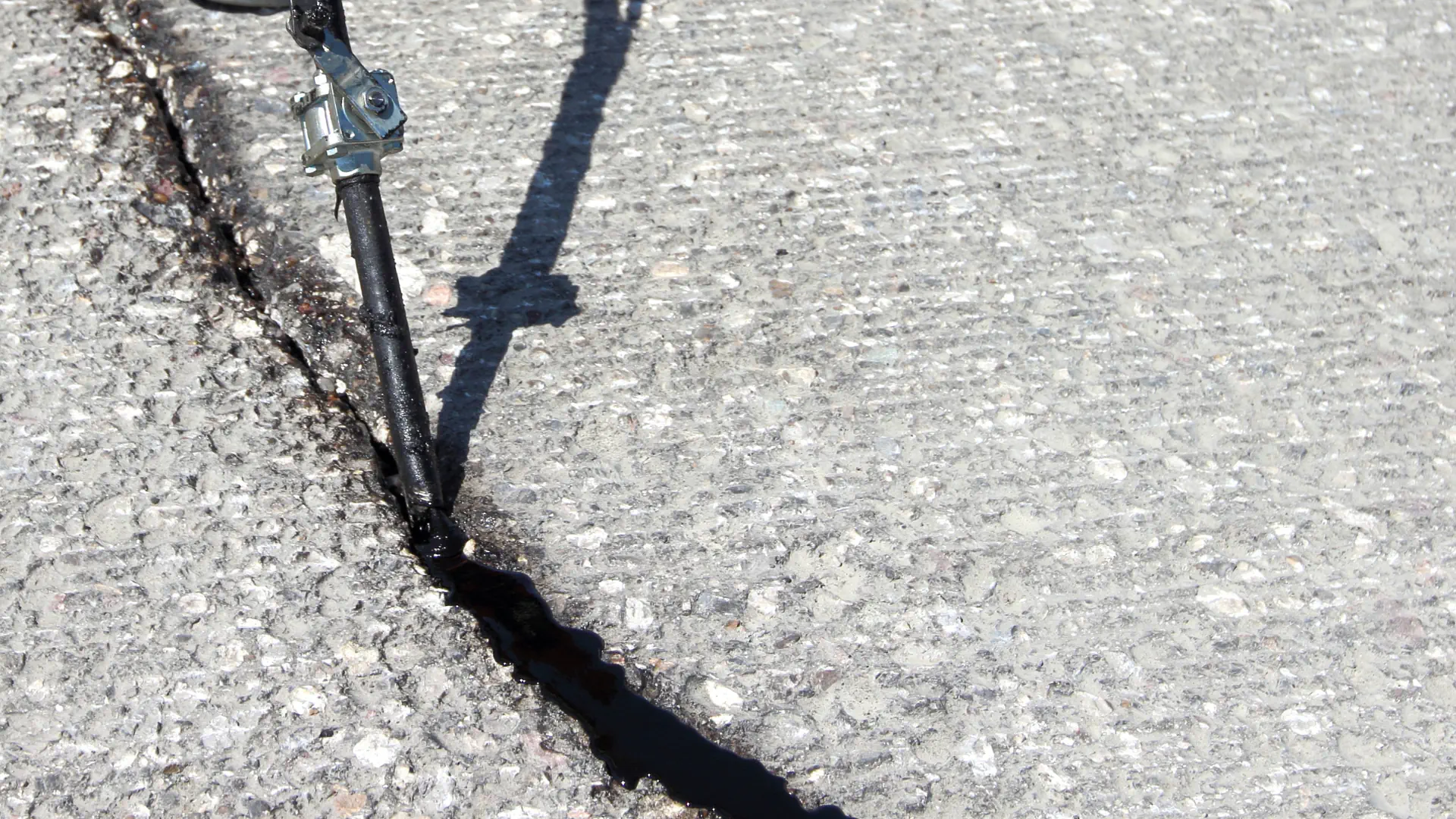
- Crack sealing: Prevents water from reaching the base layer, which is critical in a freeze-thaw climate where trapped moisture expands and creates potholes.
- Sealcoating: Acts as a protective barrier against UV rays and oxidation, both of which are especially intense at Denver’s altitude. Without sealcoating, asphalt loses flexibility and becomes prone to surface failure.
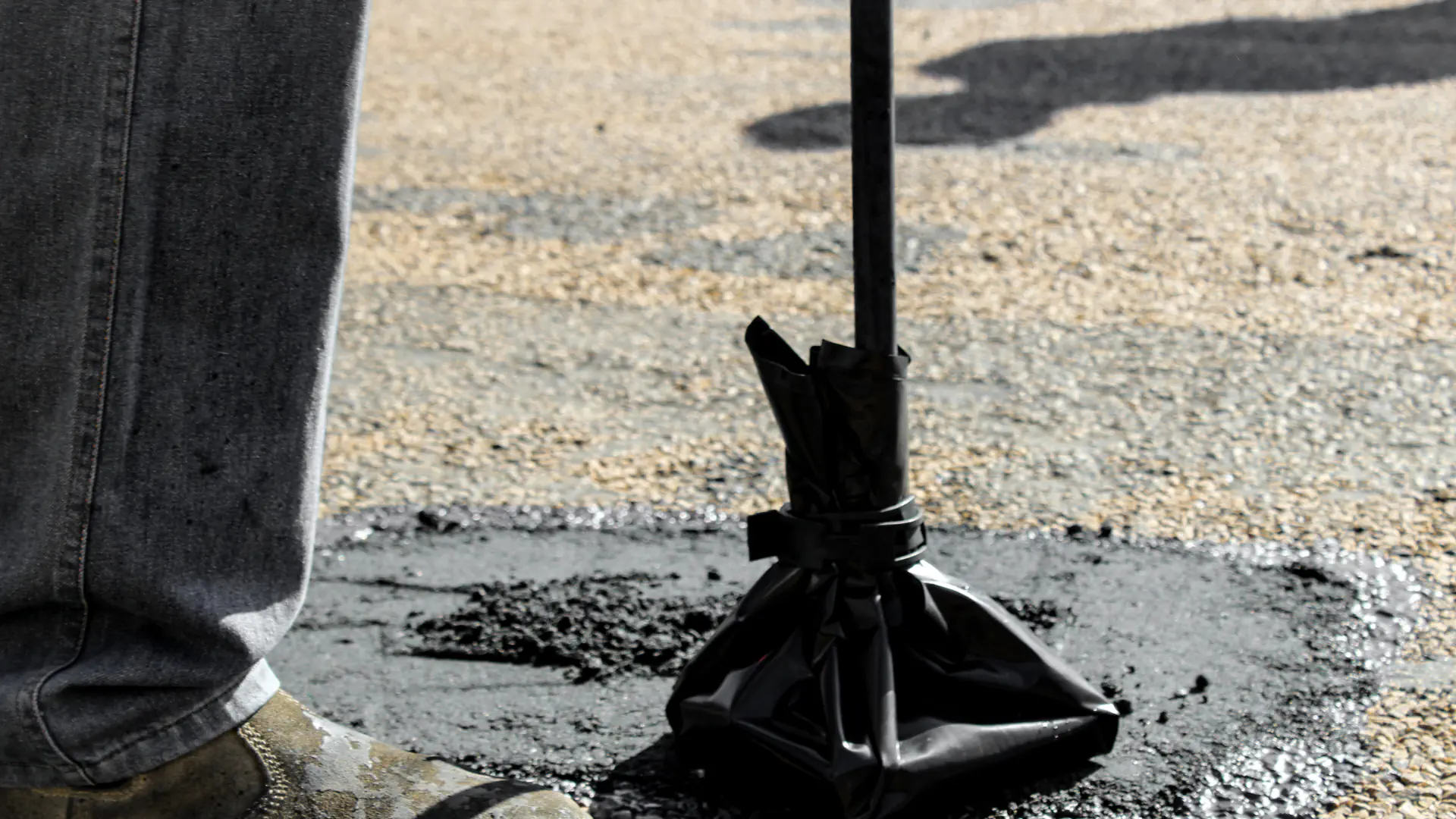
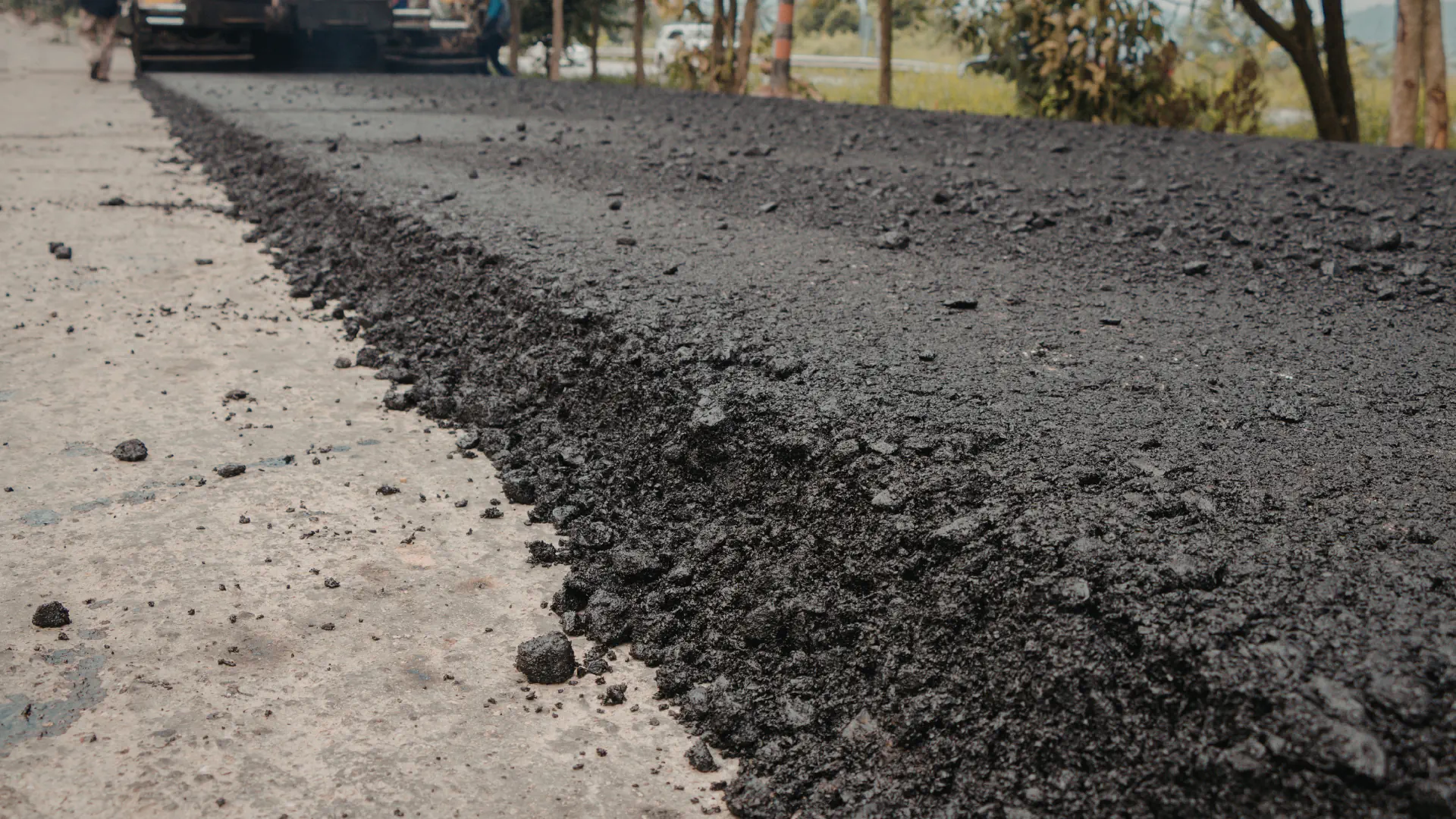
- Patch repairs: Small potholes and localized surface failures should be addressed immediately before they spread and compromise the surrounding pavement.
- Routine cleaning: Sweeping and debris removal matter more than most people realize. Dirt, gravel, and organic material can accelerate surface breakdown over time.
- Drainage inspections: Standing water is one of the most common and overlooked causes of premature asphalt failure, particularly in commercial lots.
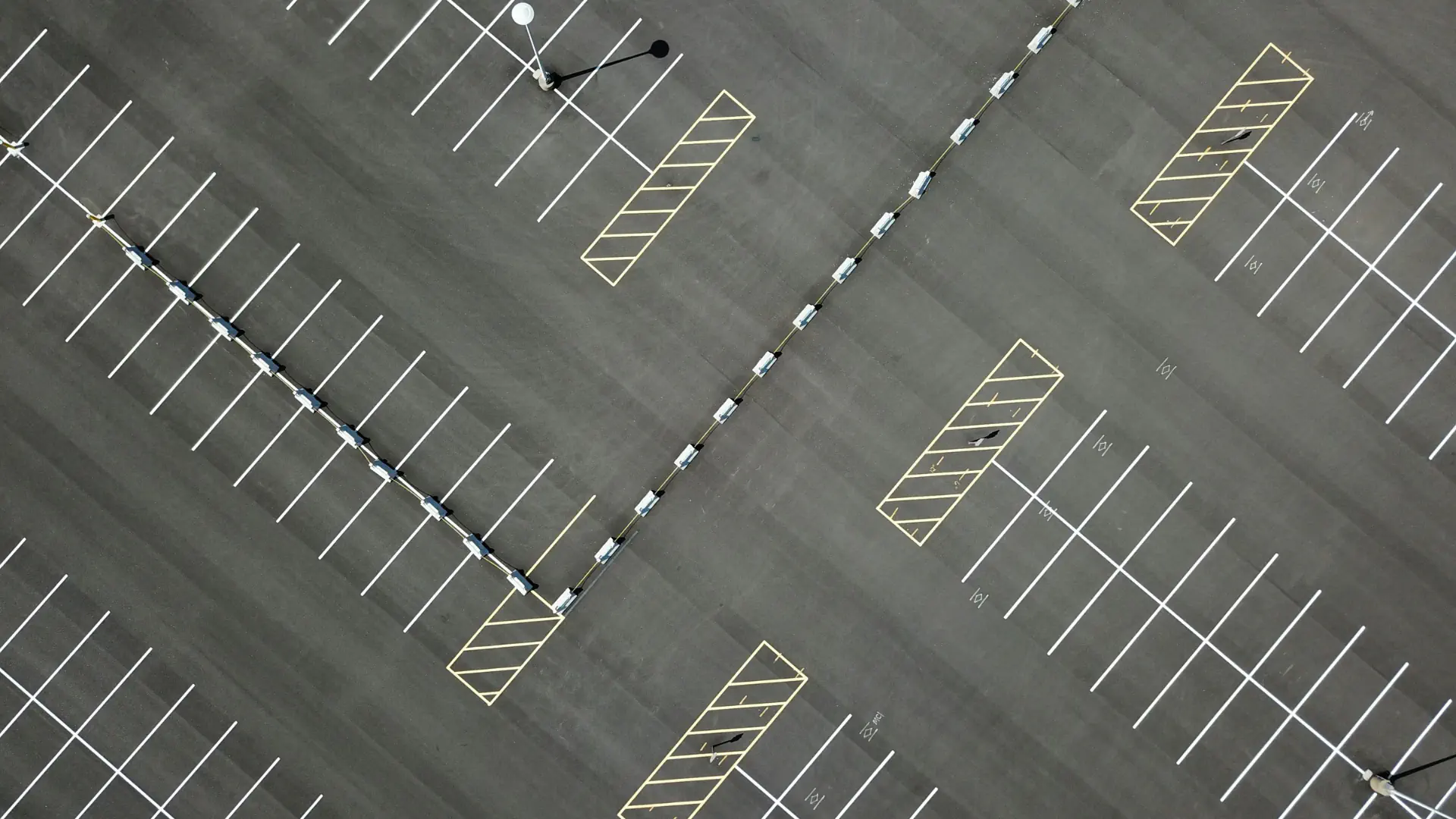
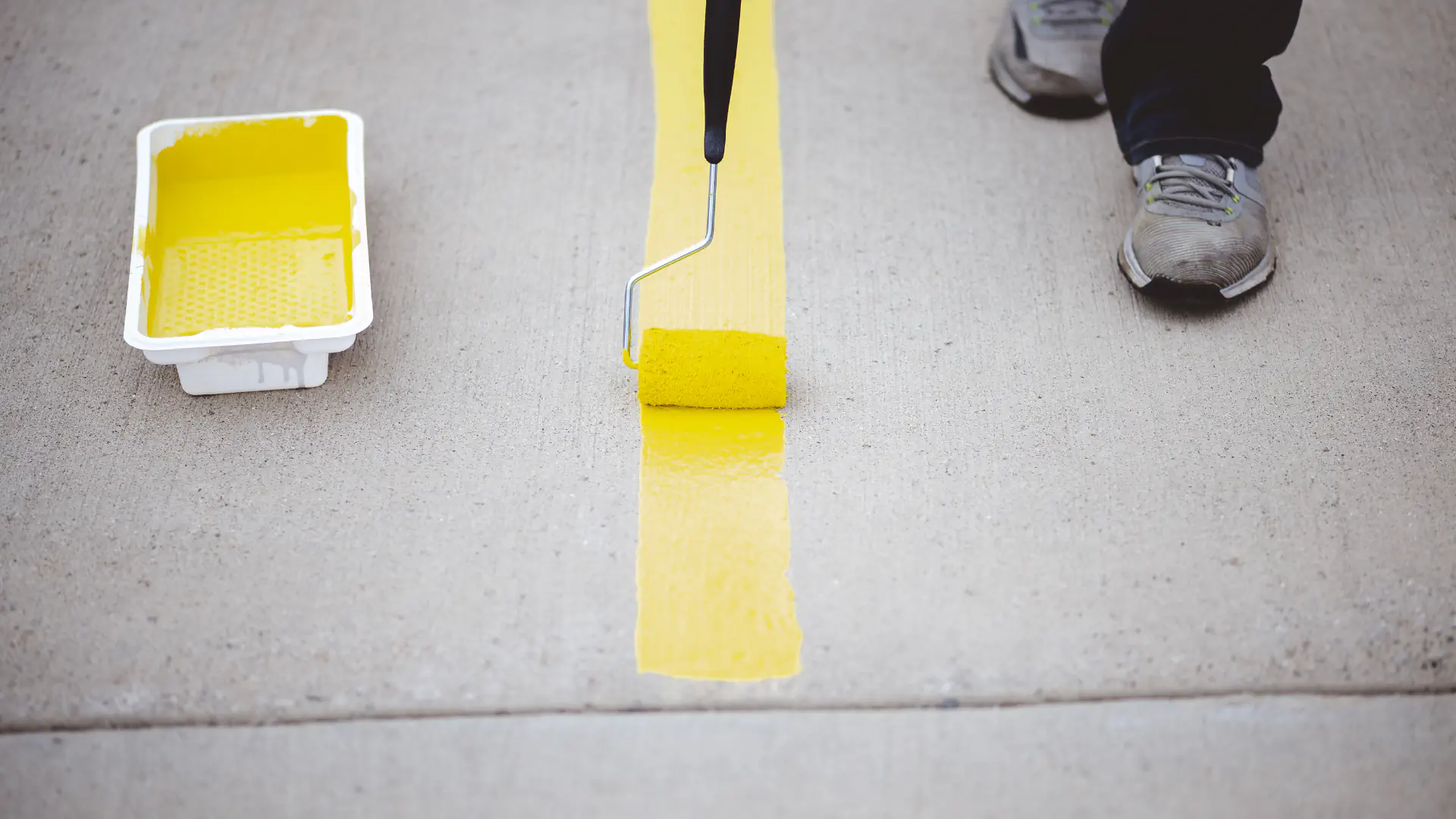
For commercial properties, DMH Site Services also handles parking lot striping in Denver to keep lots organized, compliant, and professionally maintained year-round. Faded or missing striping is not just an aesthetic issue, it creates liability concerns and reduces the efficiency of any commercial parking area.
How Much Does It Cost to Asphalt a 200 ft Driveway?
Costs vary based on base preparation, material thickness, grading requirements, and site access. Most standard residential driveways fall within a range that reflects the scope of ground preparation and the quality of materials used. What is consistent across projects is this: routine asphalt maintenance in Denver, CO is significantly more affordable than full resurfacing or replacement.
The team at DMH Site Services, a leading Denver commercial asphalt company, approaches every project with transparent pricing and clear communication about what your surface actually needs, whether that is a simple sealcoat application or a more involved base repair before resurfacing. Investing in early-stage maintenance is the most cost-effective strategy available to any property owner.
Should I Spray Water on My New Asphalt Driveway?
No. Fresh asphalt does not need water, it needs time. Proper curing requires the surface to harden naturally, and introducing water during this process can interfere with that. Unless your installer at DMH Site Services or another asphalt paving Denver contractor specifically advises it under unusual heat conditions, avoid spraying water on new asphalt during the curing period.
Give new pavement adequate time to set before allowing heavy vehicle traffic. Following your installer’s guidance during those first few weeks protects your investment from the very beginning.
Is It Okay to Pressure Wash an Asphalt Driveway?
Light cleaning is fine, but high-pressure washing is not recommended for asphalt surfaces. Excessive water pressure can loosen the aggregate embedded in the surface layer, weakening the pavement’s structural integrity over time. A low-pressure rinse or a thorough sweep is sufficient for routine maintenance without risking surface damage.
For commercial properties that require more involved cleaning or surface preparation before restriping or sealcoating, DMH Site Services handles that as part of a complete maintenance visit, ensuring the surface is ready for treatment without causing unnecessary wear.
Ready to Protect Your Asphalt This Season?
If your driveway or parking lot has not been inspected recently, now is the right time. A professional assessment from DMH Site Services can identify early cracks, drainage vulnerabilities, or sealcoat timing before small issues become expensive repairs. As an established Denver commercial asphalt company with experience across residential driveways, commercial parking lots, and mixed-use properties, DMH Site Services brings the local knowledge and practical expertise your pavement needs to last.
Contact DMH Site Services today to schedule your inspection and get a clear, honest evaluation of your asphalt’s current condition.