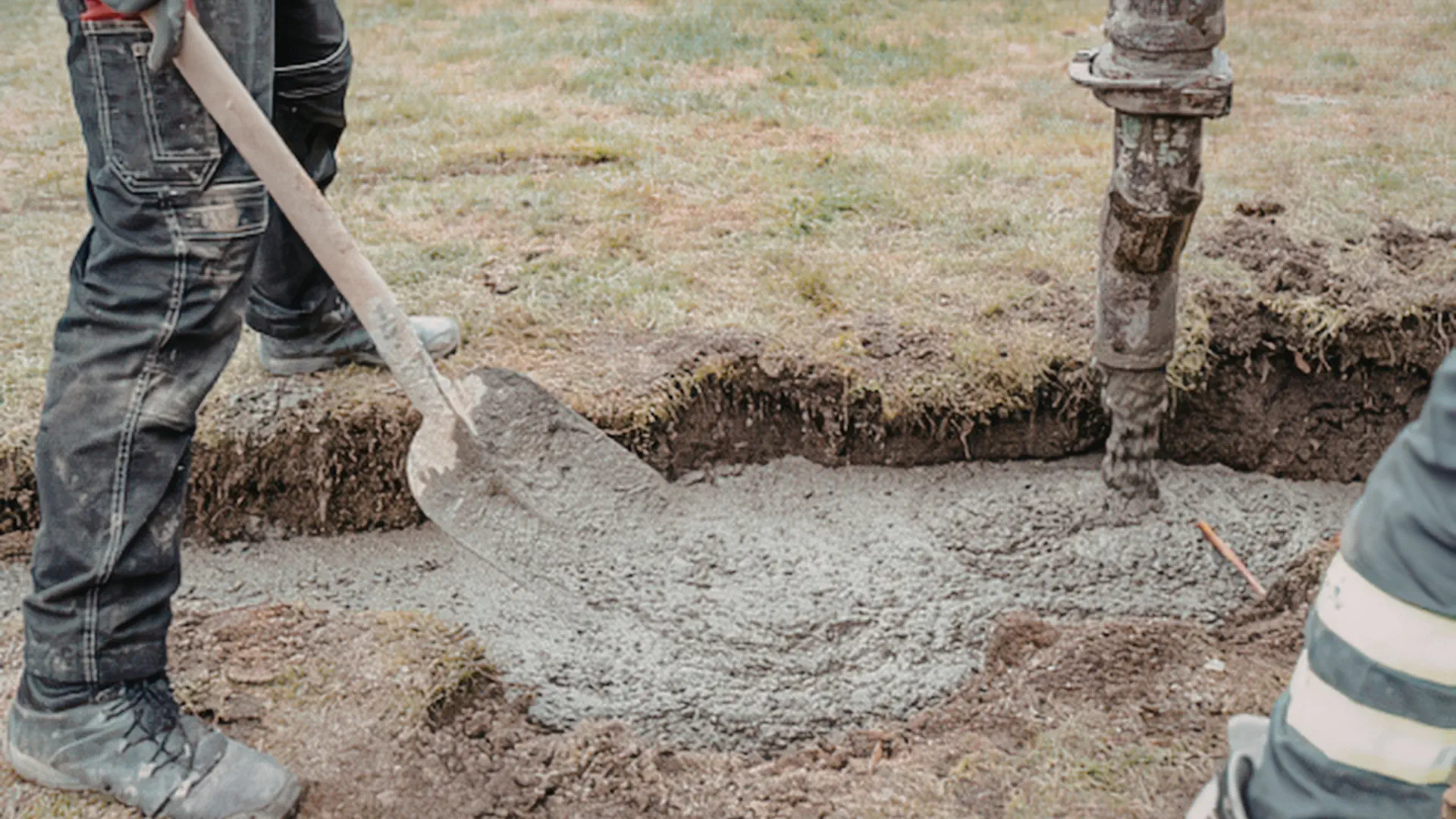
If you have ever watched a driveway being poured or a sidewalk getting finished, you already know the pace is relentless. A crew moves fast, leveling, smoothing, and shaping before the material sets. What you may not have noticed is that each person on that crew carries a different title, a different skill set, and a different level of responsibility.
“Concrete worker” is the umbrella term, but the industry is far more structured than that. At DMH Site Services, one of the most dependable concrete contractors Denver property owners and developers work with, every project is built on a crew where roles are clearly defined and expertise is matched to the task at hand. Understanding those roles helps you appreciate what goes into quality concrete work, and what to expect when you hire professionals.
What Do You Call Someone Who Pours and Finishes Concrete?
A person who works with concrete is generally called a concrete worker or concrete laborer, though the exact title depends on their role and experience level. Entry-level workers are typically referred to as concrete laborers. They handle site preparation, material mixing, tool transport, and pour assistance. More skilled workers carry the title of concrete finisher, responsible for smoothing, leveling, and applying finishing techniques to achieve the right surface texture and appearance.
At a higher level, a concrete foreman oversees the entire crew, manages job site operations, enforces quality standards, and coordinates scheduling and materials. Larger commercial projects may also include specialized roles such as form setters and concrete pump operators.
The concrete industry moves through a clear skill progression, from general labor to precision finishing work, and eventually into supervisory and project management positions. As experienced concrete contractors Denver clients count on for both residential and commercial work, DMH Site Services employs professionals at every level of that ladder.
What Is a Concrete Person Called?
Depending on what they do on site, a concrete worker may be called a concrete laborer, a concrete finisher, or a concrete foreman. Laborers handle the preparation and physical heavy lifting. Finishers take over once the pour is complete, shaping and smoothing the surface to specification. Foremen manage the full operation from start to finish.
DMH Site Services structures every crew with this hierarchy in mind. Whether it is a residential driveway, a commercial foundation, or a large-scale asphalt paving Denver project that includes flatwork, having the right person in the right role is what separates a clean finish from a costly redo.
Is Concrete Laborer a Hard Job?
It is one of the more physically demanding trades. Concrete laborers typically work long hours in outdoor conditions, carrying heavy materials, repeating the same motions under time pressure, and staying sharp on detail even as fatigue sets in. Concrete does not wait. Once a pour begins, the window to finish correctly is narrow.
That physical intensity is part of why experienced crews are worth the investment. The asphalt companies Denver and Denver metro area property managers consistently trust are the ones with trained, disciplined laborers who treat every pour as a precision task, not just physical output. At DMH Site Services, that standard applies to every job, whether it is a small residential pad or a full commercial lot.
How Do You Become a Concrete Foreman?
Most concrete foremen work their way up through years of hands-on experience, starting as laborers or finishers, then gradually taking on more responsibility as their skills develop. The transition to foreman requires more than technical ability. It demands the capacity to read project plans, manage crew dynamics, coordinate with suppliers, and keep jobs on schedule.
Leadership and reliability are what separate a skilled finisher from a foreman. At DMH Site Services, that same leadership philosophy carries across all service lines. The supervisors who oversee concrete contractors Denver projects also coordinate with our asphalt maintenance Denver CO and commercial snow removal Denver CO teams during multiservice jobs, because site coordination at that level requires genuine cross-trade experience.
What Is the Highest Paying Concrete Job?
The highest-paying roles in the concrete industry typically include concrete superintendent, project manager, and decorative or specialty finisher working on high-end commercial builds. Pay scales sharply with experience, certifications, and the scope of projects under management.
For those working in the Denver metro market, alignment with a reputable Denver commercial asphalt company and concrete services firm like DMH Site Services opens doors to larger, better-compensated projects. Commercial contracts, including parking lot striping Denver, full lot resurfacing, and coordinated flatwork, require crews with layered expertise and a track record that clients can verify.
Concrete professionals who build that track record within a company that handles diverse site services also gain exposure to adjacent trades, asphalt paving Denver, commercial snow removal Denver CO, and large-scale concrete contractors Denver projects, making them more versatile and more valuable in the long run.
Want Honest Answers About Your Concrete Project Before You Commit?
Whether you are exploring a career in concrete or planning to hire a crew for your next project, understanding how roles are structured gives you a clearer picture of what quality looks like and what it costs. DMH Site Services brings together experienced laborers, skilled finishers, and seasoned foremen for residential and commercial concrete work across Denver.
Reach out to DMH Site Services for a straightforward conversation about your project, no pressure, just honest guidance from a team that does this work every day.