Most people assume asphalt companies simply “lay pavement.” In reality, commercial asphalt work is far closer to long-term property infrastructure management than basic paving.
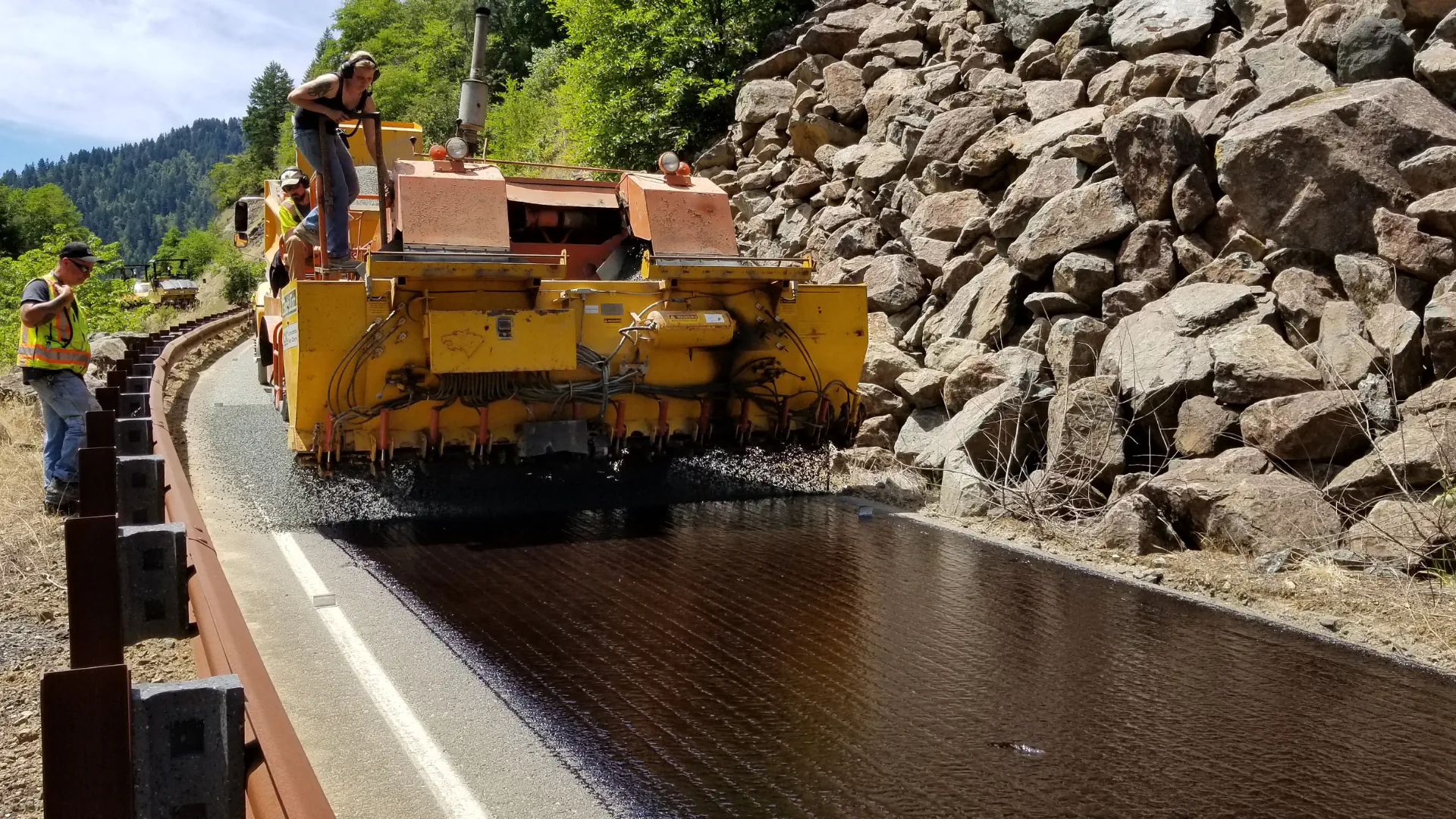
A Denver commercial asphalt company helps businesses, property managers, HOAs, warehouses, retail centers, and industrial facilities maintain safe, durable, and professional-looking paved surfaces. That scope includes everything from parking lot paving and sealcoating to crack repair, ADA-compliant striping, drainage correction, snow management, and long-term pavement maintenance planning.
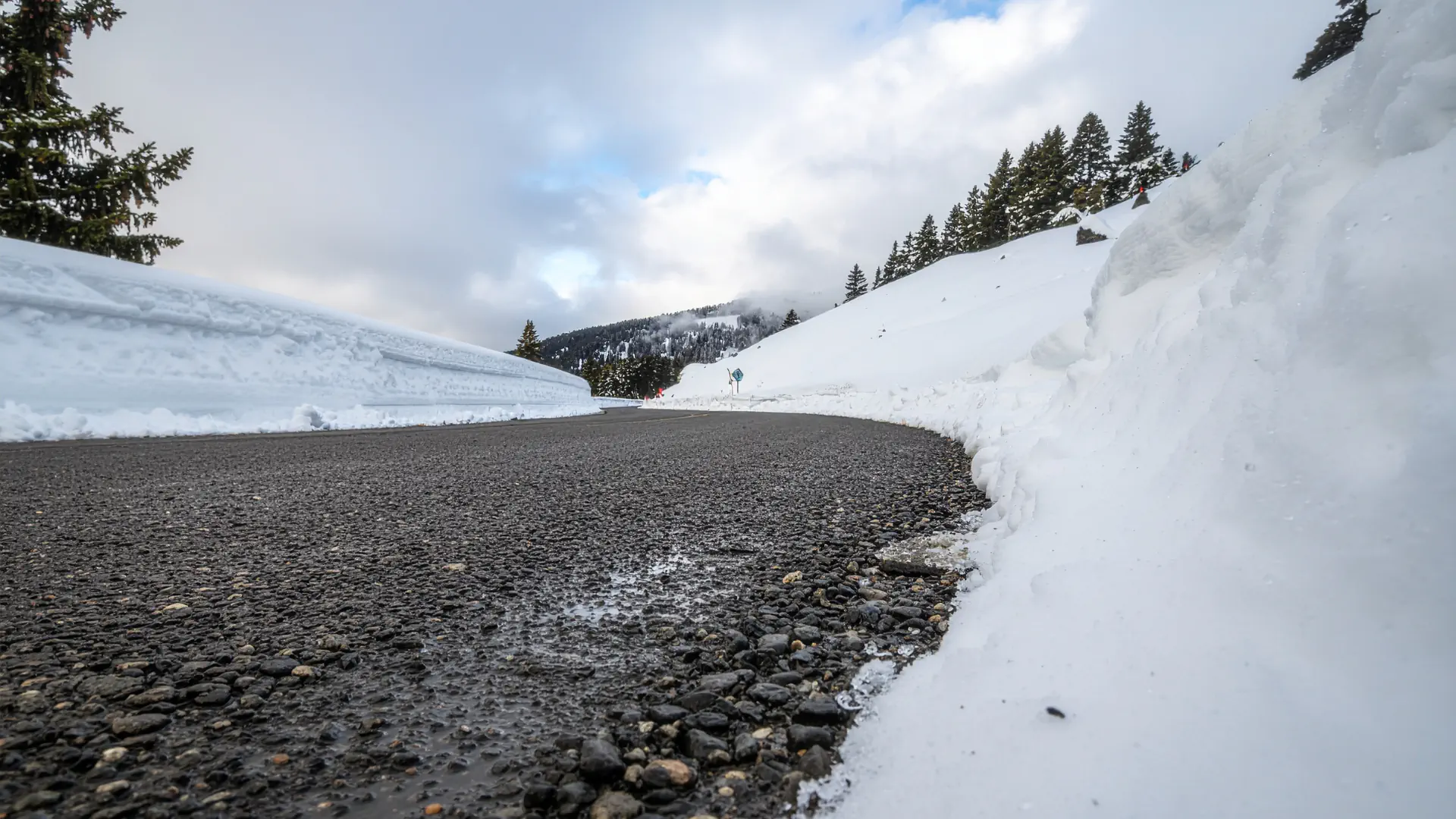
In Denver, where freeze-thaw cycles and intense UV exposure accelerate pavement wear faster than in most U.S. cities, commercial asphalt maintenance becomes especially critical. A neglected parking lot doesn’t just hurt appearance, it creates liability risks, drainage failures, vehicle damage, and costly structural deterioration that compounds every winter.
DMH Site Services operates as a full-service commercial pavement partner across the Denver metro, helping property owners stay ahead of that deterioration rather than react to it after damage is already done.
What Is the Difference Between Commercial and Residential Asphalt?
The most significant differences between commercial and residential asphalt work come down to scale, traffic demand, and structural engineering requirements.
Residential asphalt projects typically involve driveways, small private roads, and basic parking pads with relatively low vehicle traffic. Commercial asphalt projects are a different category entirely, commonly covering shopping center parking lots, apartment complexes, industrial facilities, loading zones, distribution centers, and large private roadways.
Commercial pavement must handle significantly heavier traffic loads, including delivery trucks, dumpsters, emergency vehicles, and continuous daily vehicle movement. Because of those demands, the asphalt base layers are thicker and engineered to different load-bearing standards than residential surfaces.
Commercial projects also carry compliance requirements that residential work does not, including ADA regulations, drainage planning, traffic flow design, fire lane markings, and local municipal codes. Any reputable Denver commercial asphalt company builds those requirements into the project from the planning stage, not as an afterthought once striping day arrives.
In Denver, commercial contractors also have to engineer for harsh freeze-thaw conditions that can quickly destroy poorly installed or inadequately maintained pavement. That’s why the most experienced asphalt companies in Denver emphasize preventative maintenance programs rather than purely reactive repair cycles. DMH Site Services structures every commercial relationship around that same principle, because protecting what’s already in the ground is almost always more cost-effective than replacing it.
Do Asphalt Companies Make Good Money?
Commercial asphalt is a stable and consistently in-demand industry, especially in growing metro areas like Denver where construction, logistics, and property development remain active year-round. But the real value for property owners isn’t in the paving itself, it’s in the ongoing relationship.
The most effective asphalt companies in Denver generate reliable, recurring value through structured service programs that include sealcoating, parking lot striping in Denver, crack sealing, commercial snow removal in Denver CO, and comprehensive commercial maintenance contracts. When a single contractor manages that full lifecycle, property managers avoid the fragmentation and communication gaps that come with juggling multiple vendors for the same property.
DMH Site Services positions every client relationship around that long-term model. Rather than completing a single project and moving on, the team provides maintenance planning that accounts for Denver’s seasonal demands, pavement age, and the specific traffic patterns of each property.
How Much Would a 200 ft Asphalt Driveway Cost?
Project costs vary based on size, grading requirements, excavation needs, drainage complexity, asphalt thickness, and current material pricing. In the Denver area, larger asphalt projects can range from several thousand dollars to significantly more when major site preparation or drainage corrections are required.
Factors that consistently influence asphalt paving in Denver project pricing include:
- Existing surface removal and disposal
- Soil stability and sub-base condition
- Slope grading and drainage planning
- Base layer preparation and compaction
- Asphalt thickness specifications
- Equipment access and site logistics
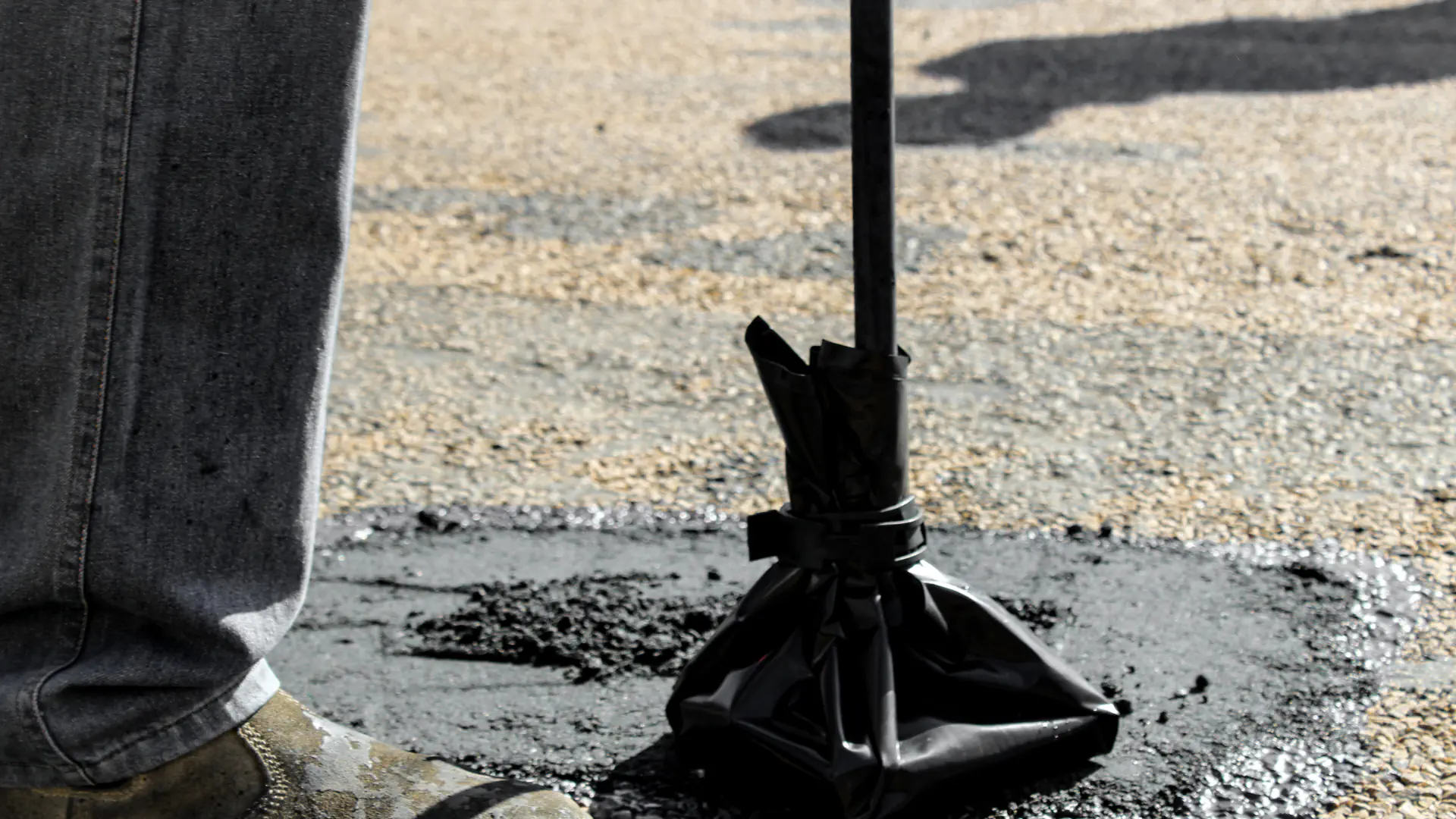
Colorado’s climate directly impacts installation standards in ways that affect long-term cost. Because freeze-thaw cycles stress pavement foundations repeatedly throughout the year, proper grading and compaction are critical to preventing premature cracking and pothole formation. Installations that skip foundational preparation tend to make that shortcut visible after one or two winters, often requiring repairs that cost more than the savings generated upfront.
Experienced concrete contractors in Denver working alongside asphalt crews apply the same standard of base preparation to curb, sidewalk, and structural flatwork, because in Colorado’s climate, the foundation determines the lifespan.
How Long Does it Take Commercial Asphalt to Cure?
Commercial asphalt begins hardening almost immediately after installation, but full curing typically takes six to twelve months depending on weather conditions, traffic exposure, and the specific asphalt mix used.
Most parking lots can accommodate light vehicle traffic within 24 to 72 hours after paving. Heavy truck traffic typically requires additional waiting time beyond that window.
During the curing process, asphalt continues releasing oils and gradually consolidates under traffic and temperature cycles. In Denver’s high-altitude climate, intense sunlight and rapid temperature swings influence curing speed and surface hardening in ways that differ from lower-elevation installations.
Newly paved surfaces should generally avoid:
- Sharp or stationary turning movements
- Heavy dumpster or equipment placement
- Motorcycle kickstands on hot days
- Sealcoating application before adequate cure time
- Parking in identical spots repeatedly during early curing
A professional asphalt paving in Denver contractor provides specific post-installation guidance to help property owners protect the investment during that critical early window. DMH Site Services includes those recommendations with every installation so nothing is left to guesswork.
Why Asphalt Maintenance in Denver CO Demands a Proactive Approach
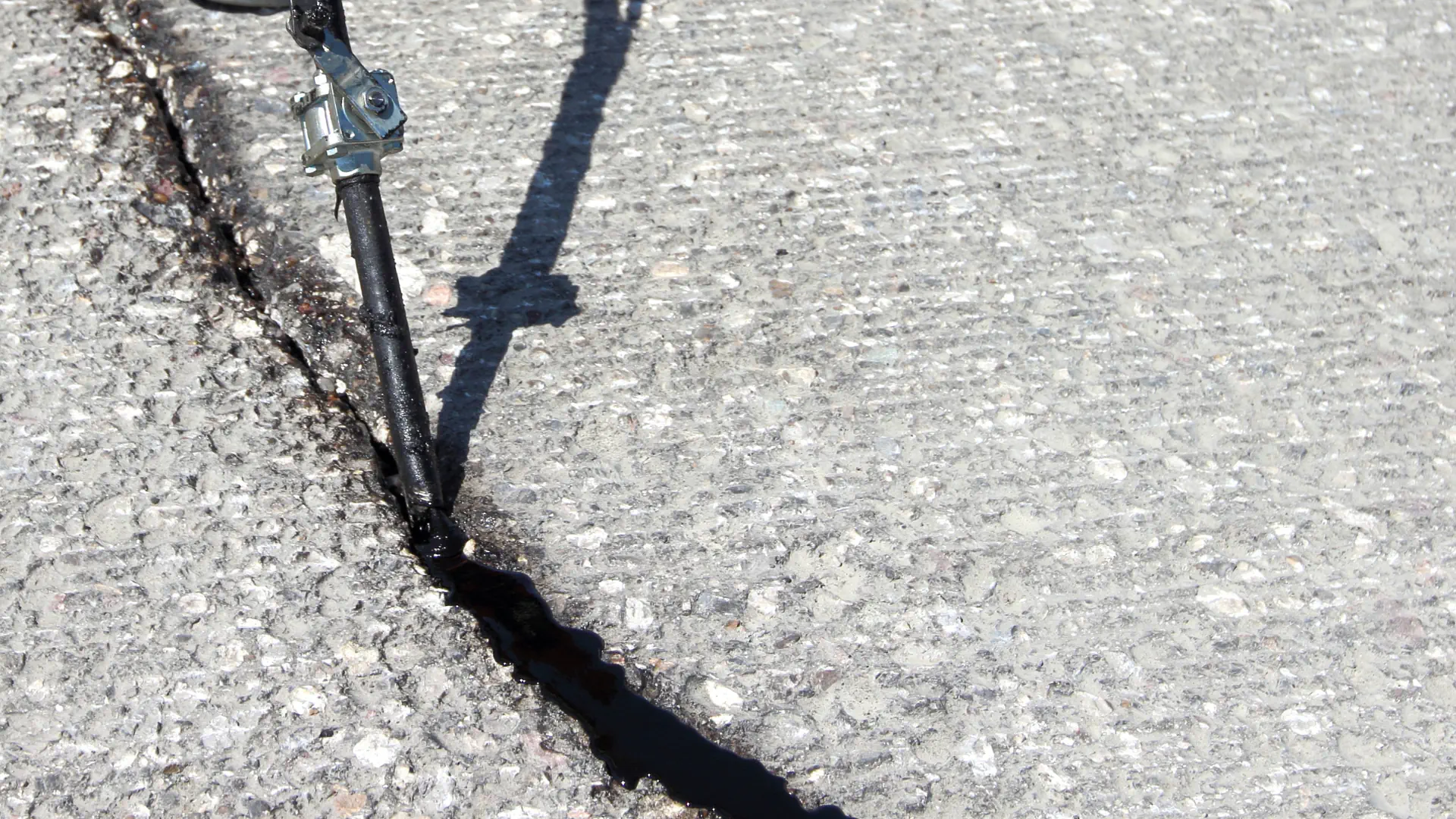
In Denver, asphalt deterioration rarely happens all at once. It starts with a thin crack after one winter. Then minor edge cracking near drainage points. Then faded striping that was already marginal heading into fall. By the time the problem looks serious, the structural damage beneath the surface is often already weeks or months old.
Commercial property owners who stay proactive with asphalt maintenance in Denver CO consistently avoid the much larger costs associated with resurfacing or full replacement. That’s especially true for parking lots, where poor pavement conditions directly affect customer perception, on-site safety, and liability exposure simultaneously.
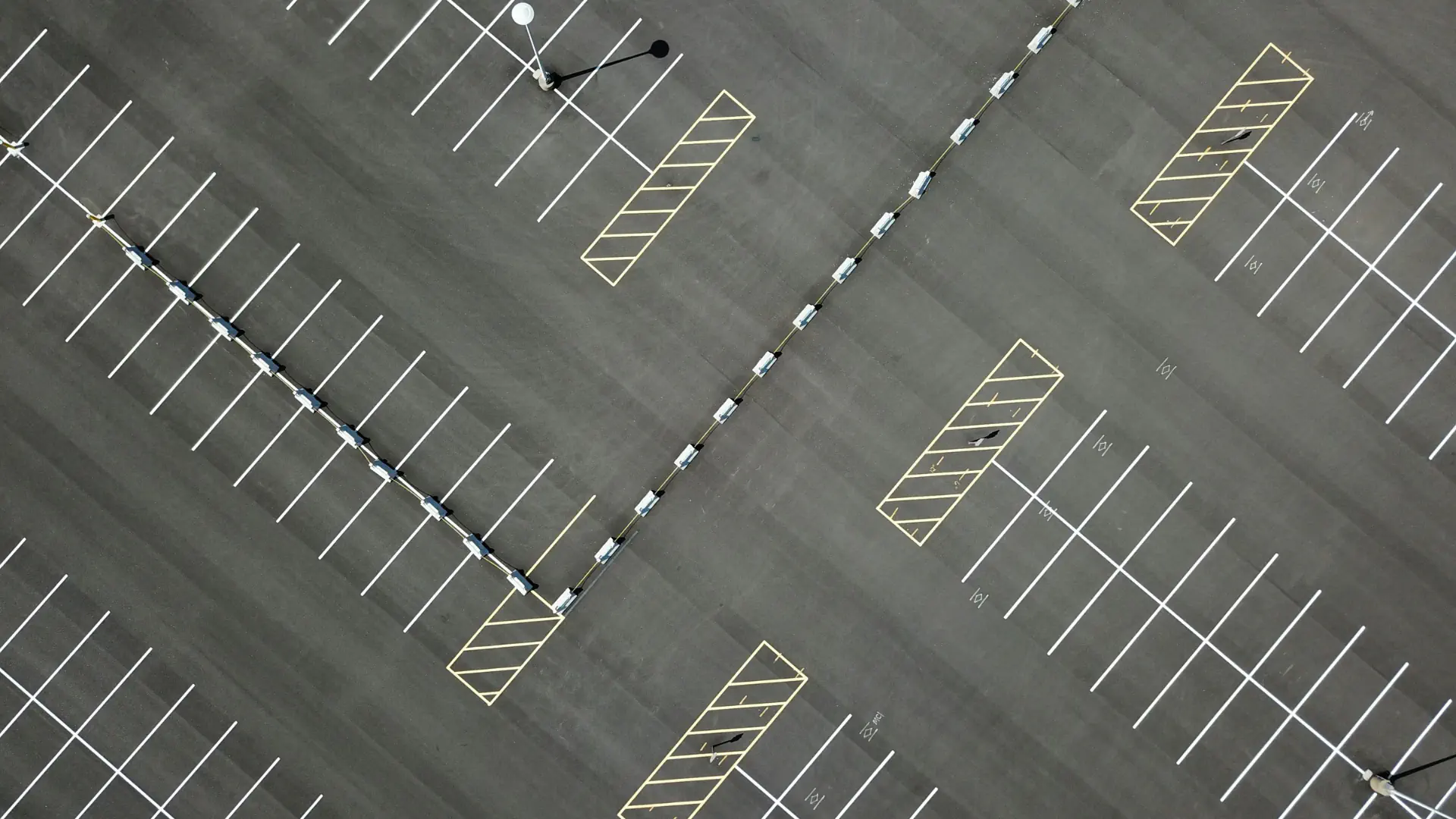
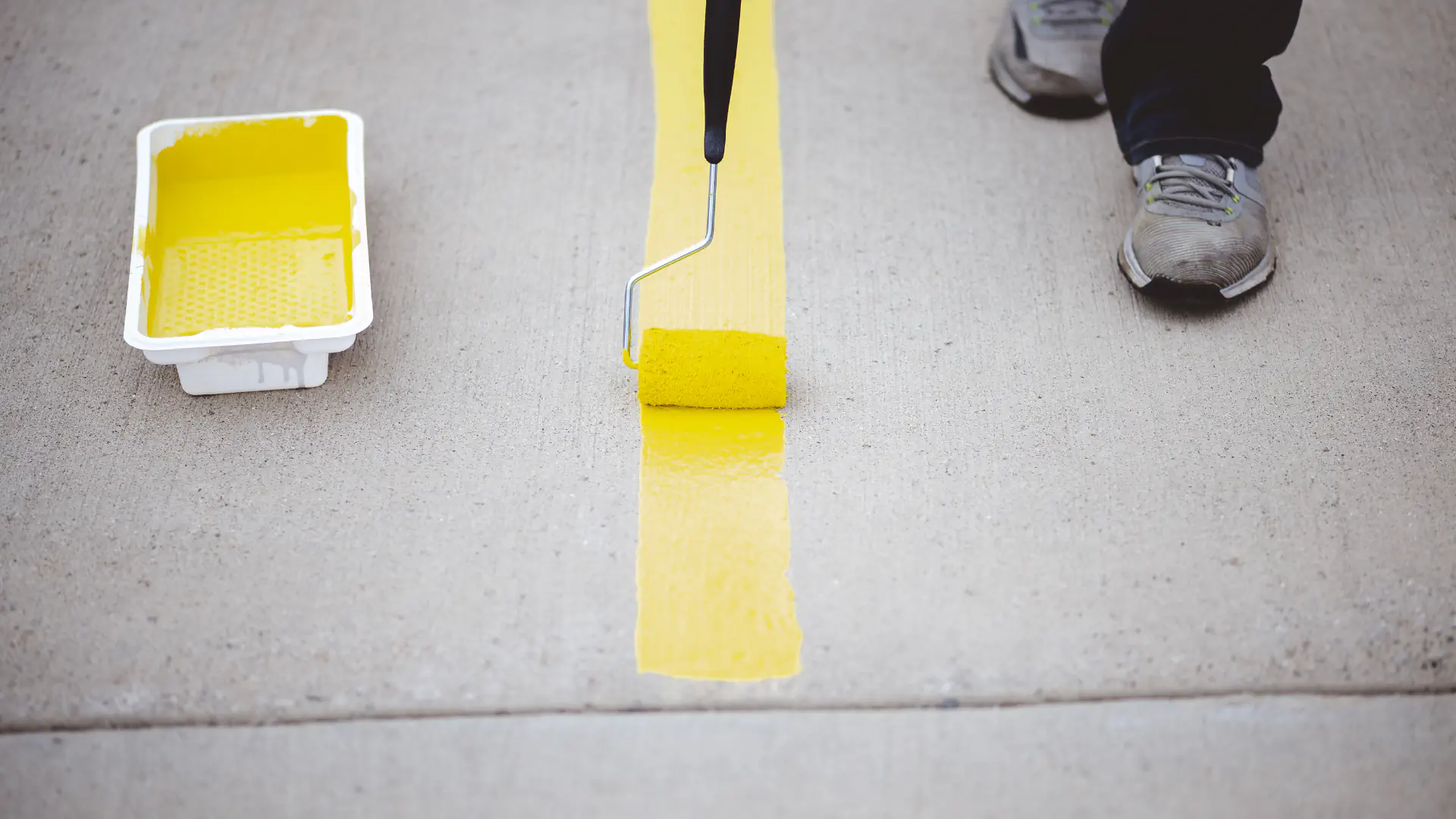
Parking lot striping in Denver is part of that same maintenance picture. Markings that fade or disappear create navigation confusion and ADA compliance gaps that carry their own risk, independent of the pavement condition beneath them. Coordinating striping with sealcoating and crack repair as part of a single maintenance schedule reduces downtime, cost, and the number of vendors a property manager needs to coordinate.
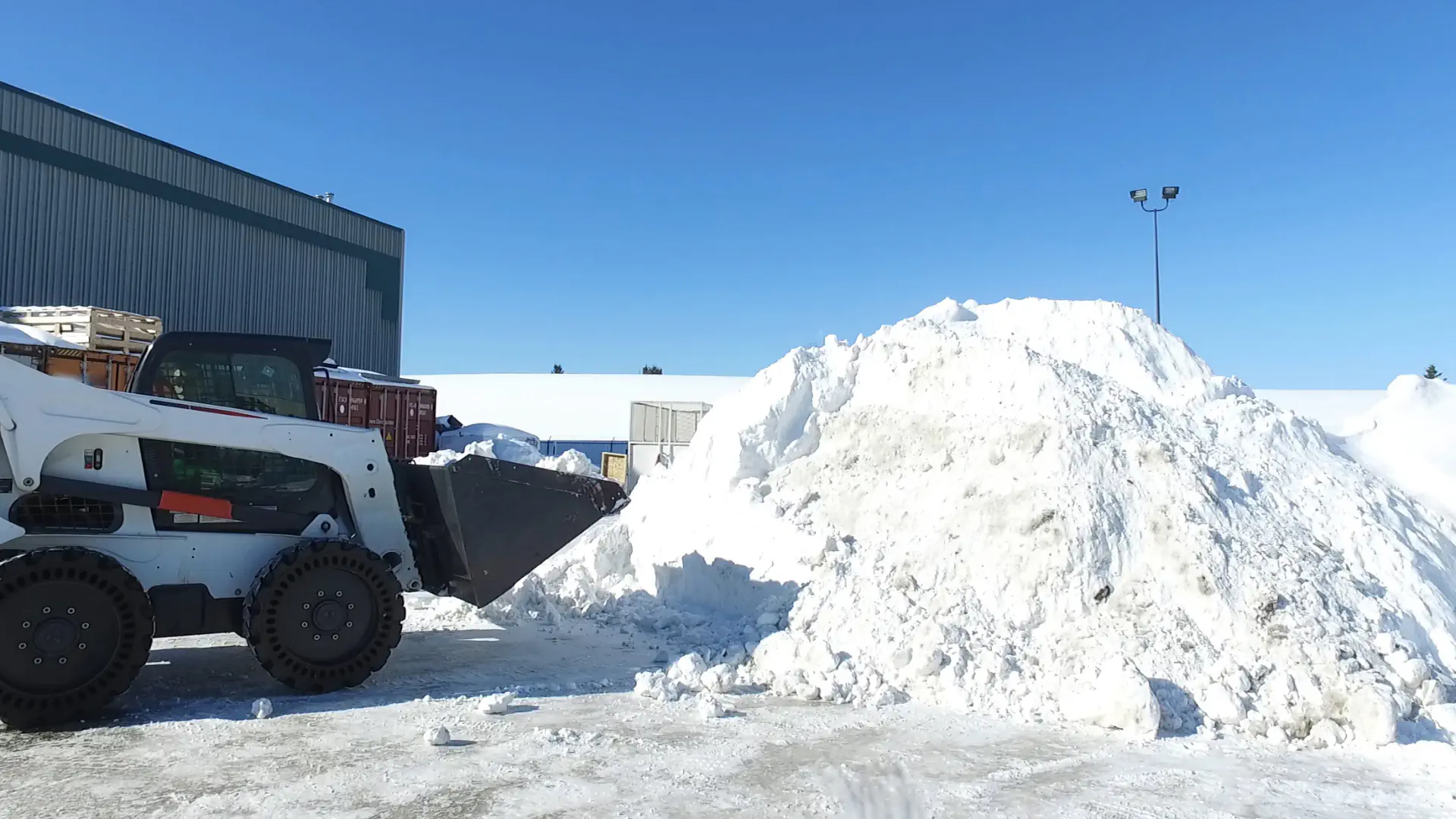
For properties that also require commercial snow removal in Denver CO, integrating that service with pavement maintenance means the team clearing your lot in January understands the markings, grades, and drainage patterns they’re working around, which protects both the people on the property and the pavement beneath the snow.
Protecting Commercial Pavement for the Long Term
A commercial asphalt company does far more than install blacktop. The right contractor helps businesses protect pavement investments, improve on-site safety, maintain regulatory compliance, and reduce long-term repair costs through strategic maintenance planning built around real local conditions.
DMH Site Services delivers that full scope as one of Denver’s experienced commercial site services providers. From asphalt paving in Denver and asphalt maintenance in Denver CO to parking lot striping in Denver, commercial snow removal in Denver CO, and coordination with concrete contractors in Denver for curb and structural work, the team manages the complete exterior pavement lifecycle so property owners don’t have to.
If you manage a commercial property in Denver and want a clear picture of your pavement’s current condition and what it will need over the next one to three years, contact DMH Site Services for a professional site assessment. Identifying issues early is almost always the least expensive option available.