Dirty asphalt sends the wrong signal. Oil stains, tire marks, dirt buildup, and mildew make a driveway or parking lot look neglected, even when the surface is structurally sound. In Denver, dust from construction activity, residue from snowmelt, and vehicle fluids accelerate that worn appearance faster than many property owners expect.
Cleaning asphalt the right way does more than improve appearance. It helps you spot cracks early, prepares the surface for sealcoating, and extends the pavement’s usable life. The key is using methods that remove grime without damaging the asphalt itself, something many DIY approaches and inexperienced contractors get wrong.
At DMH Site Services, we often tell clients that proper cleaning is the first step in any smart asphalt maintenance Denver plan. Whether you’re preparing for fresh parking lot striping Denver regulations require or getting ready for professional sealcoating, starting with a clean surface makes every subsequent step more effective.
The Right Way to Clean Asphalt in Denver
The best way to clean asphalt is to start gently and only increase intensity when needed. For most driveways and parking lots, this means sweeping away loose debris, applying a mild asphalt-safe cleaner to stained areas, and rinsing with low to moderate water pressure. This progressive approach removes dirt, dust, mildew, and light stains without stripping the asphalt’s protective oils or disturbing the surface aggregate.
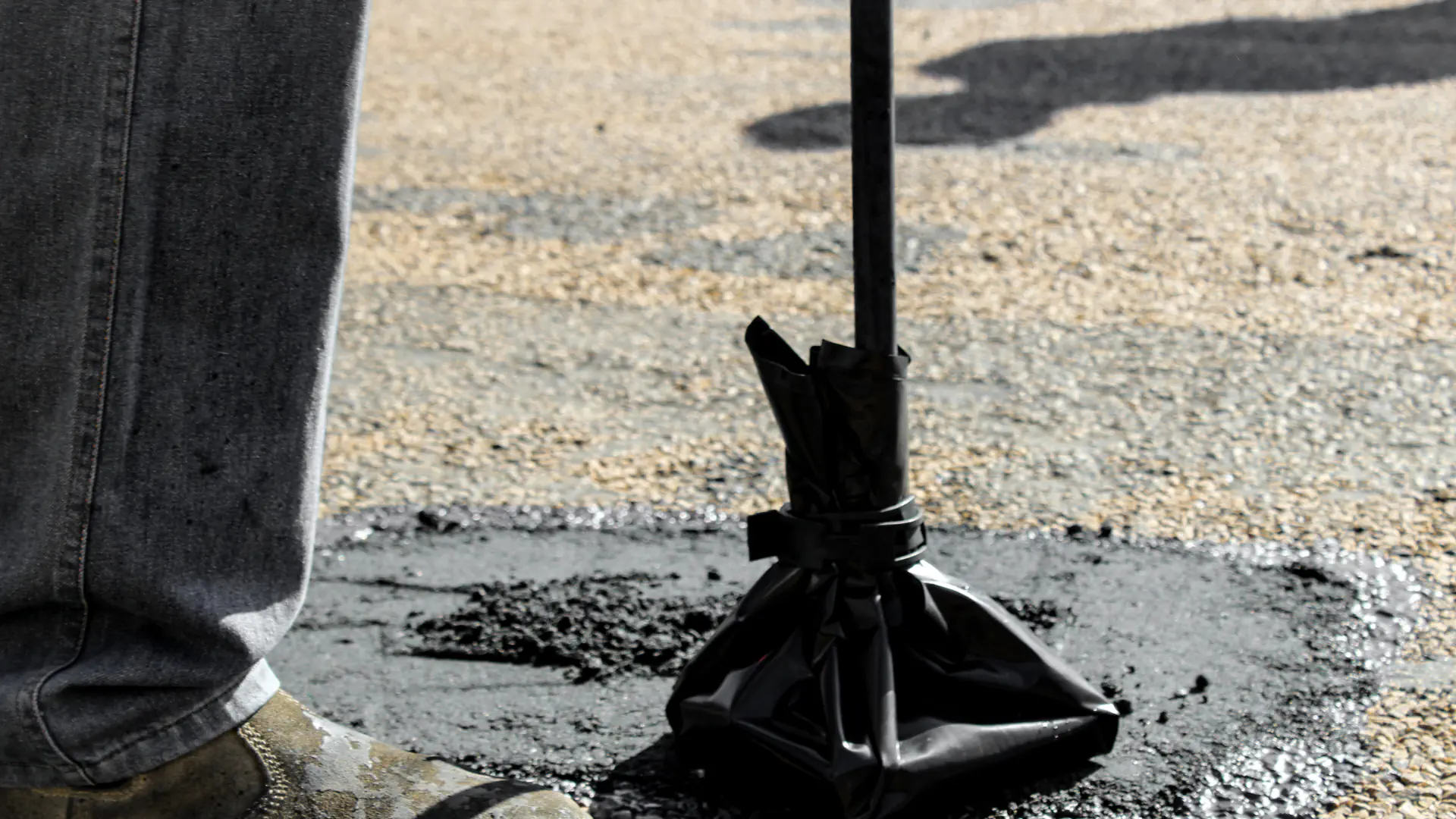
Oil and grease stains require targeted treatment. For fresh spills, absorb the liquid immediately with cat litter, baking soda, or commercial absorbent products, letting oil soak into asphalt makes removal much harder later. Once absorbed, scrub the area with a degreaser specifically designed for asphalt surfaces. Avoid harsh chemicals and petroleum-based solvents, which dry out asphalt and make it brittle over time.
Pressure washing is acceptable when done carefully, using wide spray tips (25-40 degrees), controlled pressure (below 3000 PSI), and constant nozzle movement. High-pressure washing can strip fine aggregate from the surface, create texture irregularities, and accelerate wear, essentially causing the damage you’re trying to prevent through asphalt maintenance Denver practices.
Cleaning alone won’t fix cracks or restore faded color permanently, but it prepares the surface for the treatments that do. When done correctly, routine cleaning improves appearance, slows deterioration, and helps asphalt last longer in Denver’s high-UV, freeze-thaw environment.
As a trusted Denver commercial asphalt company serving both residential and commercial properties, DMH Site Services integrates cleaning into comprehensive maintenance programs. We’ve learned that properties maintaining clean surfaces consistently identify small problems before they become expensive repairs, catching a minor crack before winter prevents major spring damage.
For commercial properties, cleaning often coordinates with other services. If you’re scheduling parking lot striping Denver updates or working with concrete contractors Denver businesses trust on sidewalk cleaning, combining these services creates operational efficiencies and ensures your entire property presents a unified, well-maintained appearance.
Why Denver’s Environment Makes Cleaning More Important
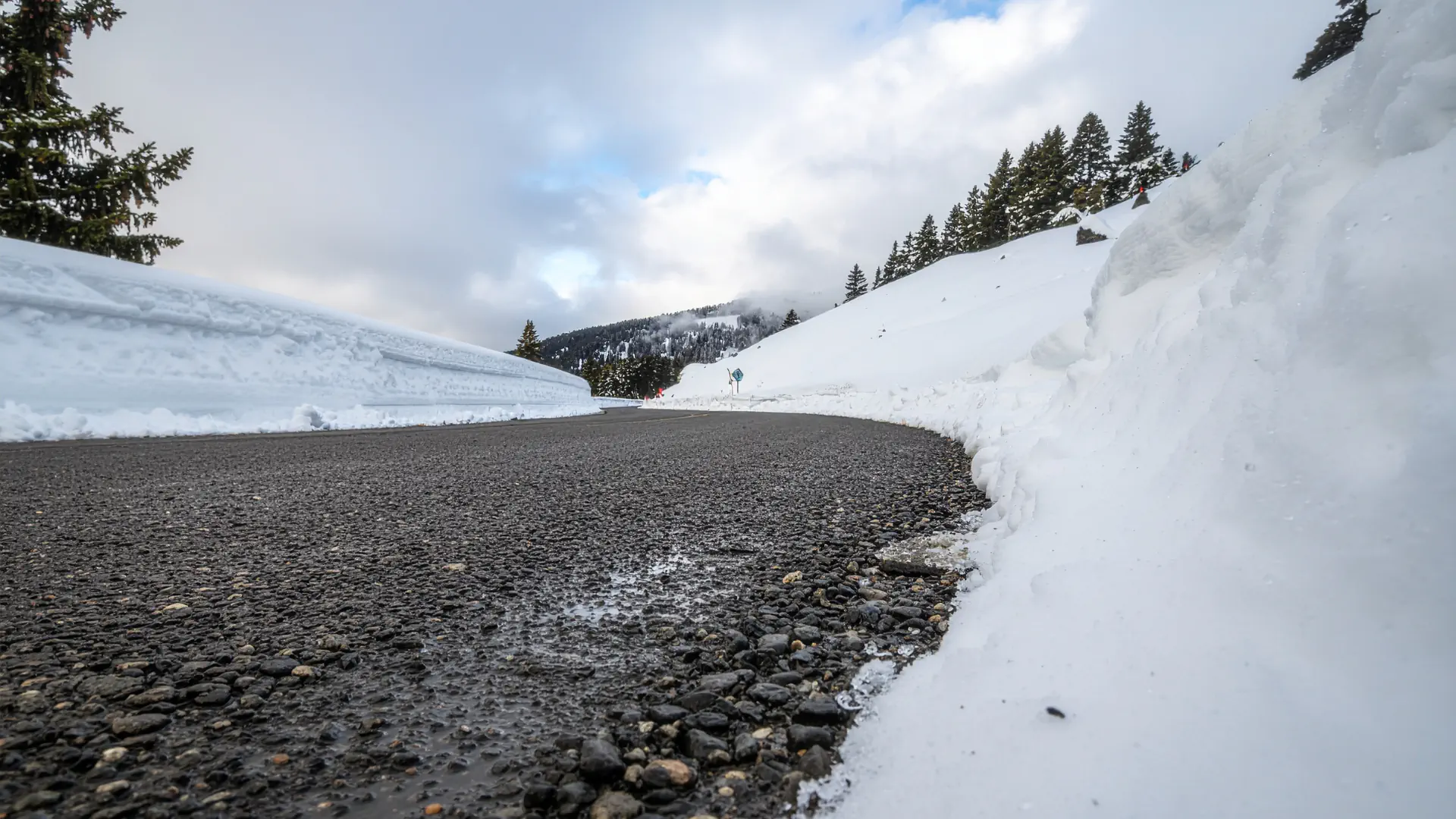
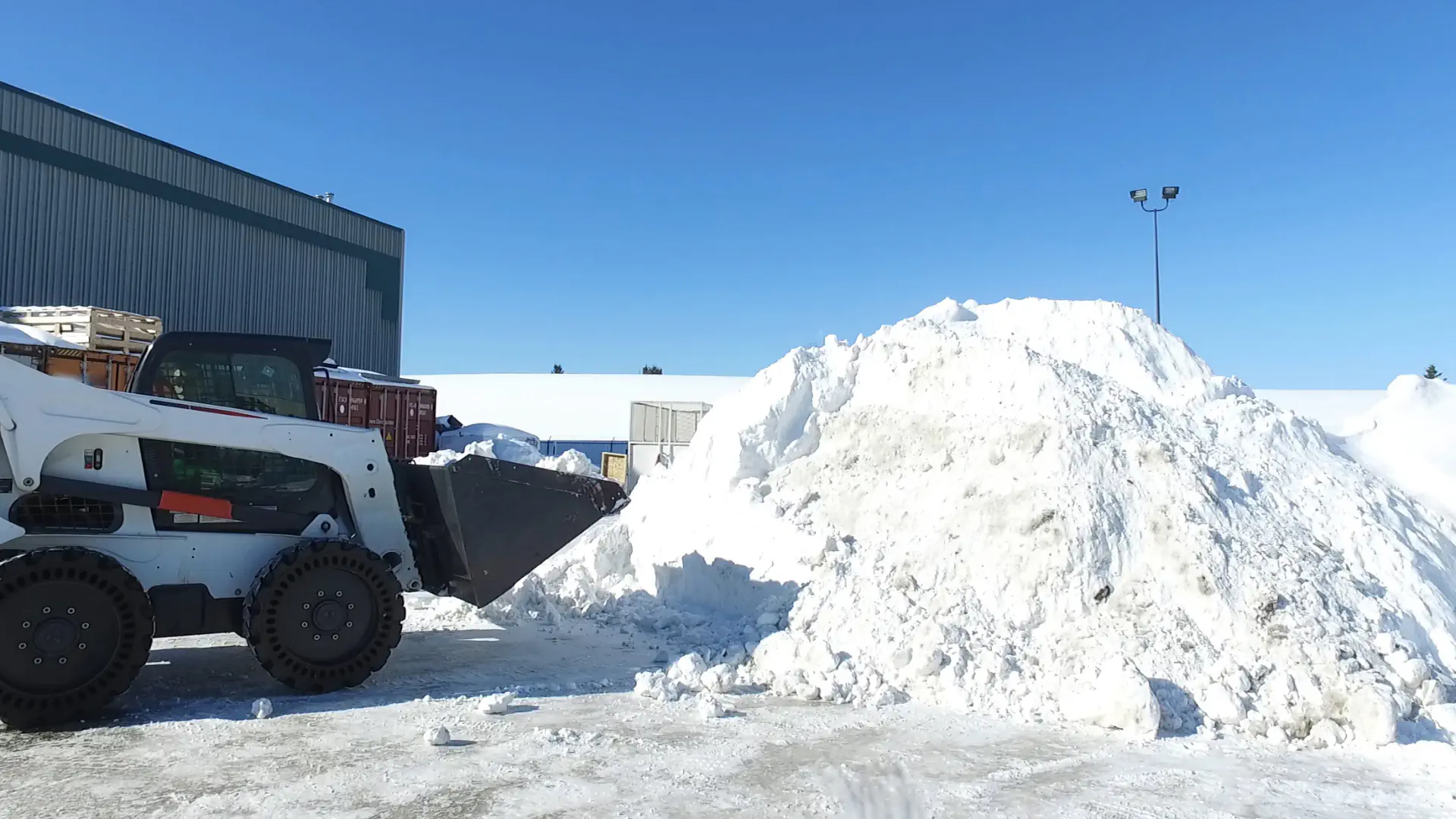
In Denver, many parking lots and driveways look dirtiest in early spring. Winter commercial snow removal Denver CO operations leave behind sand, de-icing chemical residue, and oil deposits pulled to the surface by snowmelt. Wind-driven dust from Colorado’s dry climate settles into surface texture, and organic debris accumulates along pavement edges.
At DMH Site Services, we often recommend spring cleaning as part of comprehensive asphalt maintenance Denver protocols, before conducting detailed inspections or planning maintenance work. Once the surface is clean, underlying issues like hairline cracks, small potholes, or drainage problems become easier to identify and address early, before water intrusion causes base damage.
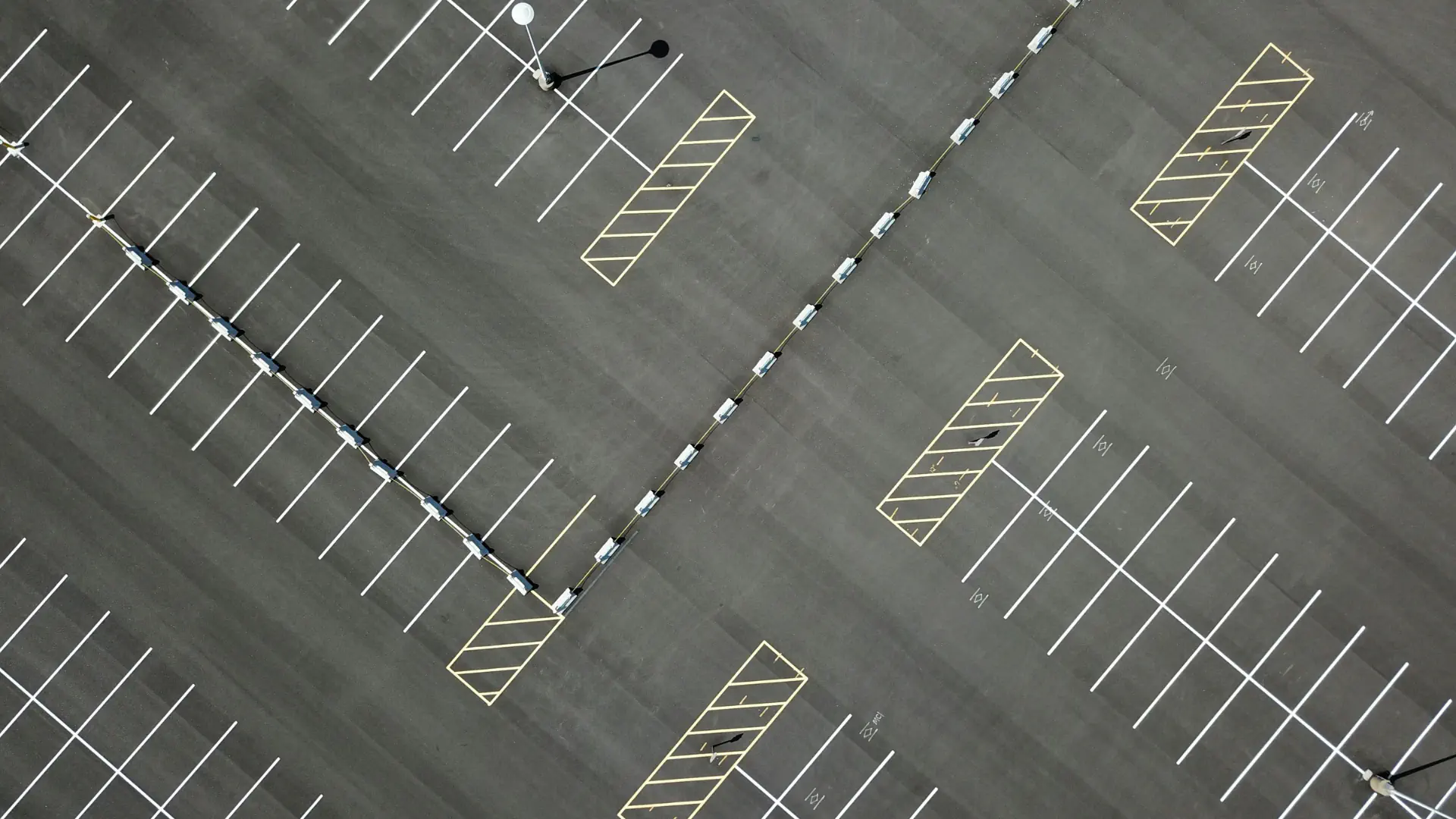
This seasonal approach also makes sense for properties coordinating multiple services. Spring is when most commercial properties refresh parking lot striping Denver markings that faded over winter, schedule asphalt paving Denver repairs, and assess whether sealcoating makes sense for the coming season. Starting with thorough cleaning ensures every subsequent investment performs optimally.
The cleaning process itself reveals valuable information. Persistent oil stains may indicate vehicle maintenance issues or loading dock problems worth addressing. Areas that stay perpetually dirty might signal drainage concerns that require grading adjustments, work often coordinated with experienced concrete contractors Denver teams who handle related site improvements.
What’s the best cleaner for asphalt?
The best cleaners for asphalt are mild, biodegradable detergents or products specifically labeled safe for asphalt and pavement surfaces. Citrus-based degreasers work particularly well for oil and grease stains, they break down petroleum products without damaging the asphalt binder.
Avoid bleach, gasoline, diesel fuel, or harsh chemical solvents. These products weaken the asphalt binder that holds aggregate together, accelerate oxidation, and ultimately shorten pavement life. What might seem like effective cleaning in the short term actually compromises the surface you’re trying to protect.
Professional asphalt companies Denver contractors work with, including DMH Site Services, use commercial-grade, pH-balanced cleaners that effectively remove contaminants while preserving asphalt integrity. For property owners handling their own cleaning between professional asphalt maintenance Denver services, stick with products from reputable pavement supply companies rather than generic hardware store chemicals.
For commercial properties with high-traffic areas or those requiring frequent commercial snow removal Denver CO services that deposit contaminants, establishing a regular cleaning schedule prevents buildup that becomes progressively harder to remove. Light cleaning every few months beats aggressive cleaning once a year, both in results and in protecting your pavement investment.
Is it okay to pressure wash asphalt?
Yes, but only with proper technique and equipment settings. Use low to moderate pressure (1500-2500 PSI for residential driveways, up to 3000 PSI for commercial lots), a wide fan tip (25-40 degrees), and keep the nozzle moving constantly. High pressure concentrated in one spot can strip fine aggregate, loosen the surface layer, and create premature wear patterns.
Pressure washing works best for rinsing after applying a cleaner, not as the first or only cleaning step. The cleaner does the chemical work of breaking down contaminants; pressure washing simply removes the loosened material. This two-step approach is gentler on asphalt while delivering better cleaning results.
Distance matters as much as pressure. Keep the nozzle 6-12 inches from the surface and maintain a consistent height as you work. Moving too close or lingering in one spot can damage even well-maintained asphalt. Experienced asphalt paving Denver contractors understand these nuances, it’s why many property owners outsource cleaning rather than risk damage from improper technique.
For properties preparing surfaces for parking lot striping Denver updates or sealcoating applications, DMH Site Services includes careful pressure washing in our preparation protocols. We’ve seen too many otherwise successful projects compromised by aggressive cleaning that roughened the surface or created texture inconsistencies that affected material bonding.
How to make asphalt look new again?
Cleaning restores uniform color and removes surface buildup, but sealcoating is what makes asphalt look truly new again. After thorough cleaning and necessary crack repairs, professional sealcoating darkens the surface to near-original black, improves visual appeal dramatically, and adds UV protection and moisture resistance.
The cleaning-before-sealcoating sequence is critical. Sealcoat bonds to clean asphalt but can delaminate from dirty, oily surfaces. This is why reputable asphalt companies Denver property managers trust always include surface preparation in sealcoating projects, skipping this step to save time invariably leads to premature failure.
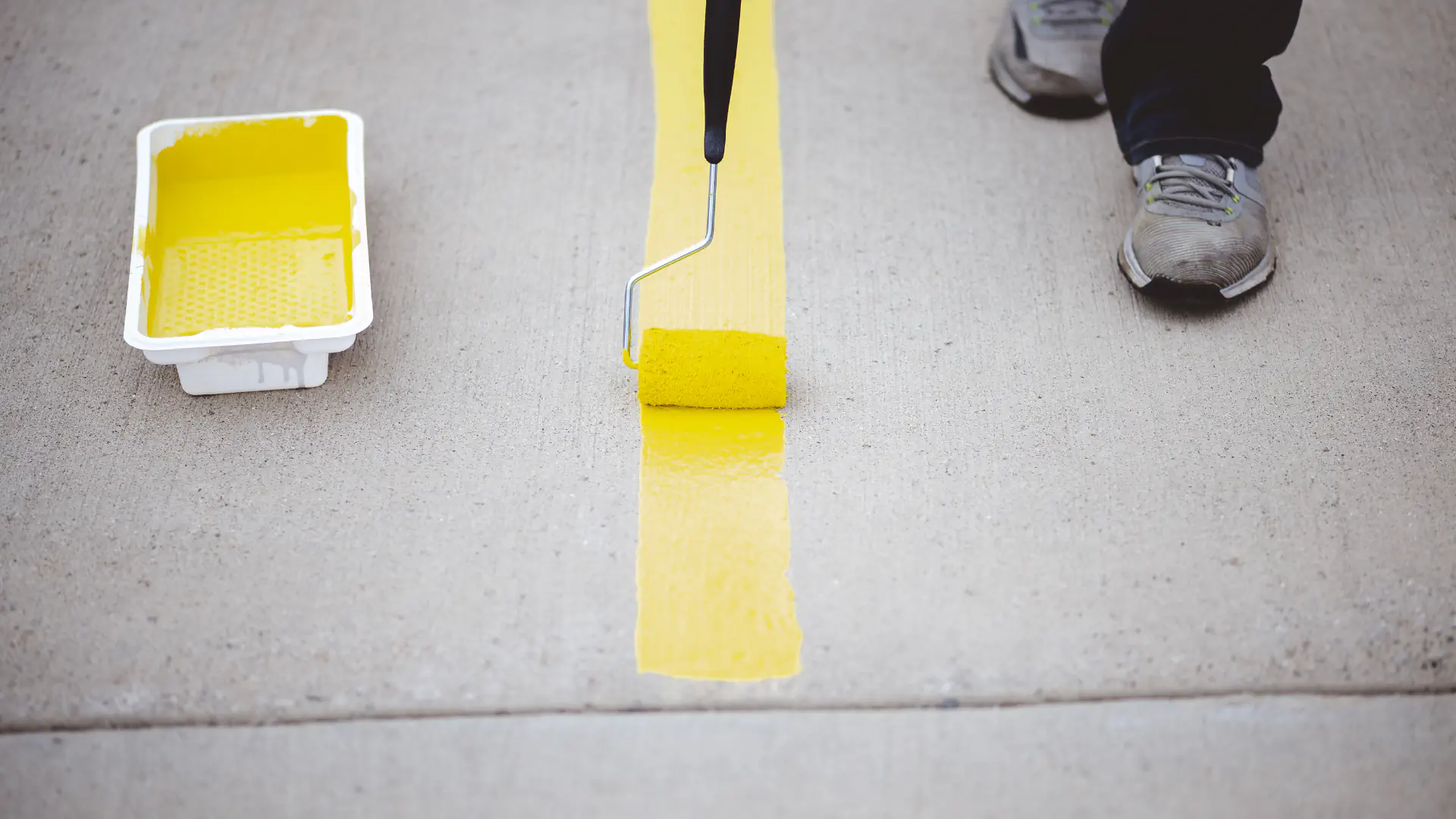
For commercial properties, combining cleaning, repairs, and sealcoating with updated parking lot striping Denver layouts creates dramatic transformation. The contrast between fresh black sealcoat and bright striping makes properties look professionally maintained and signals to customers or tenants that management cares about details.
At DMH Site Services, we’ve developed streamlined workflows that coordinate these services efficiently. Rather than scheduling cleaning one month, repairs the next, and sealcoating months later, integrated scheduling compresses timelines and reduces disruption, particularly valuable for commercial properties where every day of limited access affects revenue.
This comprehensive approach to asphalt maintenance Denver conditions demand also identifies opportunities to address related needs. If sidewalks need attention, we connect you with trusted concrete contractors Denver businesses rely on. If winter preparations are approaching, we discuss commercial snow removal Denver CO contracts that protect your newly sealed surface from plow damage.
How to clean dirty asphalt?
Start by sweeping away loose debris, leaves, dirt, sand, and surface material. This seems obvious, but thoroughly removing loose material before applying water or cleaners prevents you from grinding contaminants deeper into asphalt pores.
Apply an asphalt-safe cleaner to visibly stained areas. Let it dwell for the time recommended by the manufacturer (typically 5-15 minutes), allowing the chemicals to break down oils and grime. Scrub stubborn spots with a stiff-bristled broom or brush, avoid wire brushes, which can damage the surface.
Rinse gently but thoroughly, working from high areas to low areas to avoid trapping dirty water in depressions. For heavy oil stains, you may need to repeat the cleaning process 2-3 times. Some stains, particularly old, deeply penetrated oil, may not fully remove but will lighten significantly with proper treatment.
Allow the surface to dry completely (typically 24-48 hours in Denver’s dry climate) before any sealing, parking lot striping Denver work, or repairs. Moisture trapped under sealcoat or paint causes bonding failures and premature deterioration.
For large commercial properties or properties preparing for professional asphalt paving Denver work, DMH Site Services offers cleaning services as standalone solutions or as part of comprehensive asphalt maintenance Denver programs. Our commercial equipment and experienced crews handle projects from small residential driveways to extensive parking facilities efficiently and safely.
Protecting Your Investment Through Smart Cleaning
If your asphalt looks worn but still feels structurally solid, cleaning is often the right first step, and sometimes the only step currently needed. If you’re in Denver, DMH Site Services can help you determine whether cleaning alone is enough or if sealcoating, parking lot striping Denver updates, or structural repairs make sense next.
We approach every property assessment honestly. Sometimes cleaning reveals that asphalt is in better condition than owners expected, and major work can wait. Other times, cleaning exposes damage that requires attention before it worsens. Either way, you get clear information that protects your budget and prevents unnecessary work.
As one of the established asphalt companies Denver commercial property managers and homeowners trust, we’ve built our reputation on transparent recommendations and quality work. Whether you need basic cleaning guidance, comprehensive asphalt maintenance Denver programs, or coordination with related services like concrete contractors Denver sidewalk work or commercial snow removal Denver CO planning, we’re here to help.
Contact DMH Site Services for a complimentary property evaluation. We’ll assess your asphalt’s condition, recommend appropriate cleaning methods or services, and help you develop a maintenance plan that keeps your pavement looking great and performing reliably for years to come.