When an Asphalt Overlay Makes Sense for Your Denver Property
When asphalt starts to crack and fade, many property owners look for a fix that avoids full removal. An asphalt overlay often comes up as the faster, more affordable option. In Denver, where sun exposure and freeze-thaw cycles accelerate wear, this question carries real financial weight.
An overlay can restore appearance and performance quickly, but it doesn’t work in every situation. The success depends on what caused the damage and what still lies beneath the surface. At DMH Site Services, we guide clients through this decision with a clear focus on long-term value rather than short-term savings. As one of the experienced asphalt companies Denver property owners trust, we’ve seen both successful overlays and premature failures, the difference always comes down to honest upfront assessment.
When Does an Asphalt Overlay Make Sense?
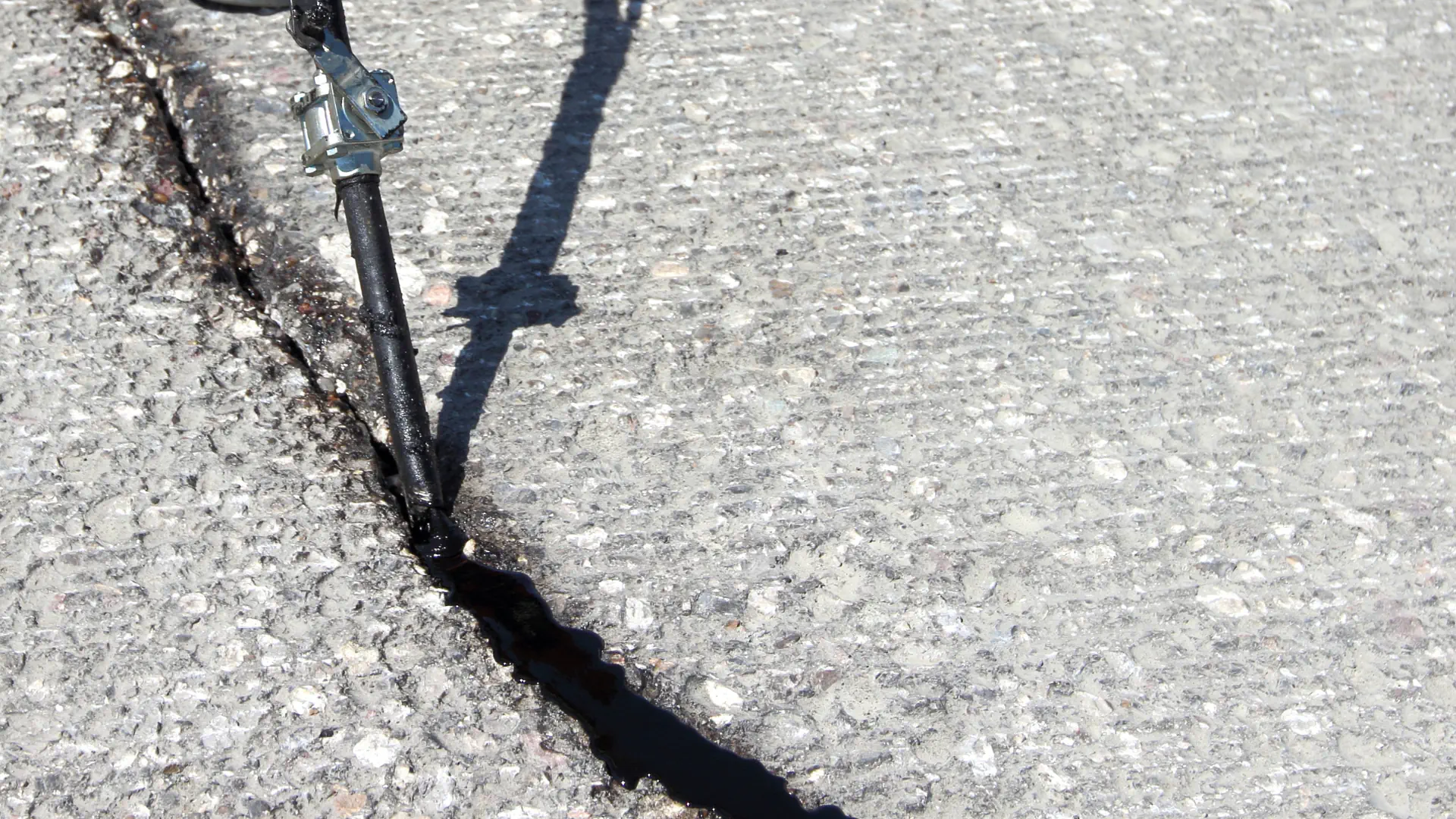
Yes, you can install a new layer of asphalt over old asphalt. This process is called an asphalt overlay (or resurfacing), and it works when the existing pavement remains structurally sound. Professional asphalt paving Denver contractors clean the surface, repair cracks and weak spots, apply a tack coat for bonding, and place a new asphalt layer that adheres to the old surface during compaction.
In Denver, overlays perform best when damage stays at the surface level. UV exposure and minor freeze-thaw cracking respond well to overlays, these are cosmetic and shallow problems that don’t compromise the foundation. However, overlays don’t correct base failure. If water has weakened the foundation beneath your pavement, cracks will reflect back through the new layer over time, sometimes within just a few months.
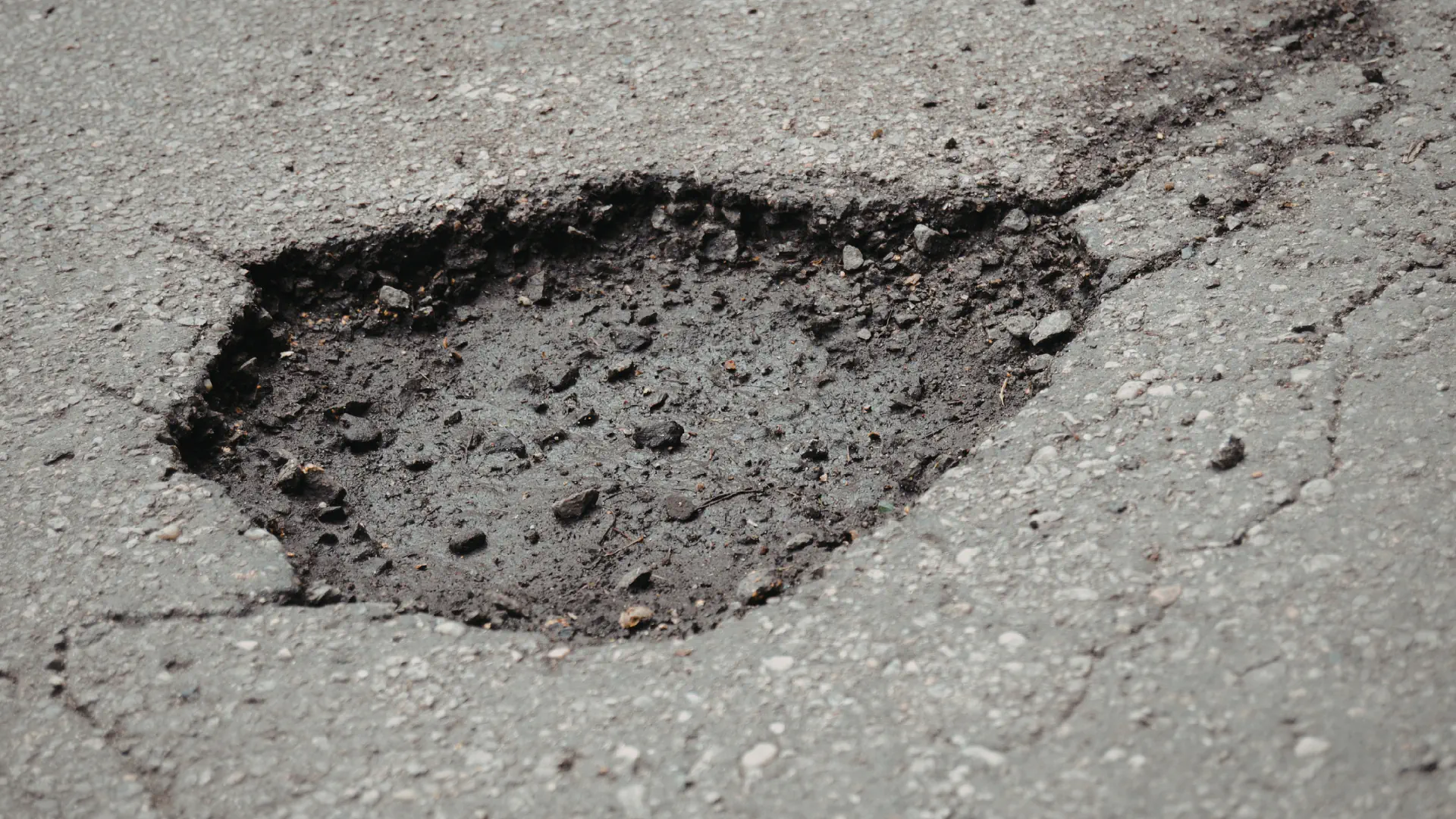
That’s why evaluation matters before any asphalt paving Denver project begins. Experienced contractors look for telltale signs: alligator cracking (interconnected cracks resembling reptile skin), widespread potholes, areas where pavement moves underfoot, and persistent drainage problems. These indicate base-level failure that overlays can’t fix.
When conditions are right, an overlay improves ride quality, restores appearance, and extends pavement life without the cost and disruption of full removal and replacement. When conditions are wrong, full replacement saves money by preventing repeat work within a few years.
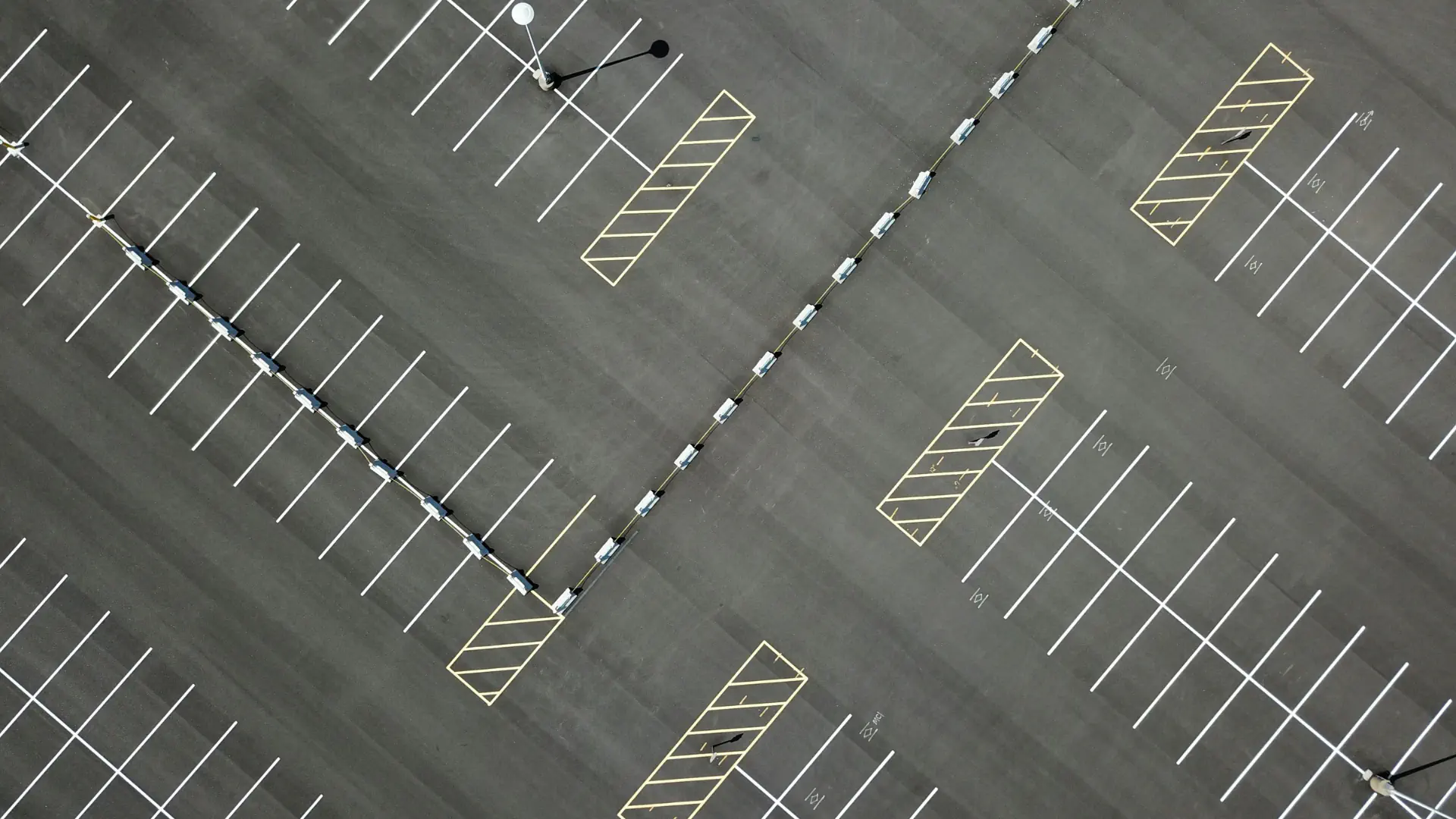
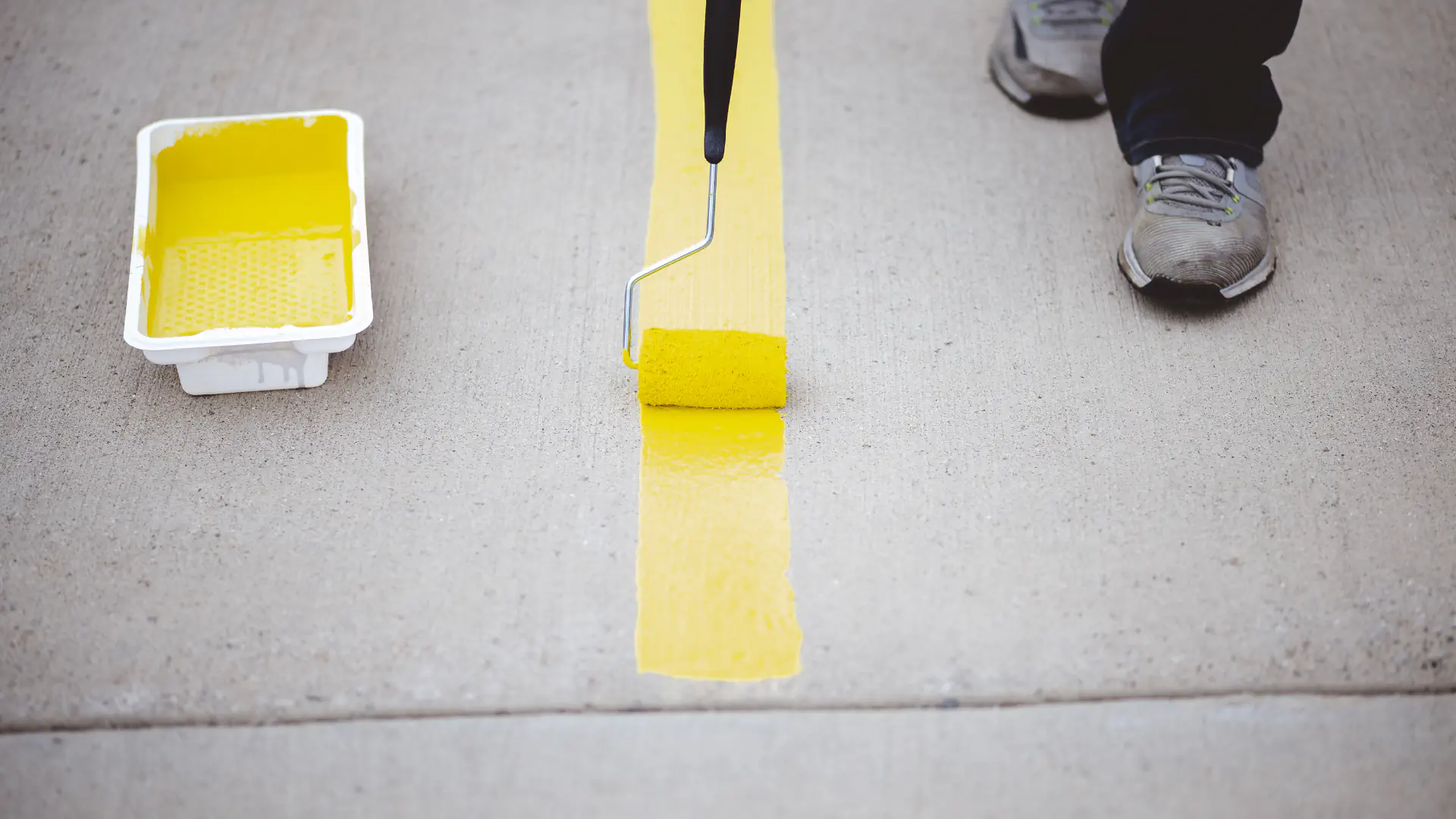
At DMH Site Services, we’ve developed a systematic evaluation process for Denver properties considering overlays. We assess base stability, drainage patterns, crack types, and traffic loads. We also coordinate with related services, if your property needs updated parking lot striping Denver codes require or improved drainage from qualified concrete contractors Denver businesses work with, we factor these into the overlay decision to maximize your total investment value.
The Denver Overlay Challenge: What Makes Our Climate Different
Denver overlays often fail when moisture issues go unchecked. Snowmelt enters cracks during winter and weakens the base layer beneath the surface. By spring, the top surface looks acceptable, but hidden damage remains, essentially, you’re looking at a cosmetically decent surface hiding a compromised foundation.
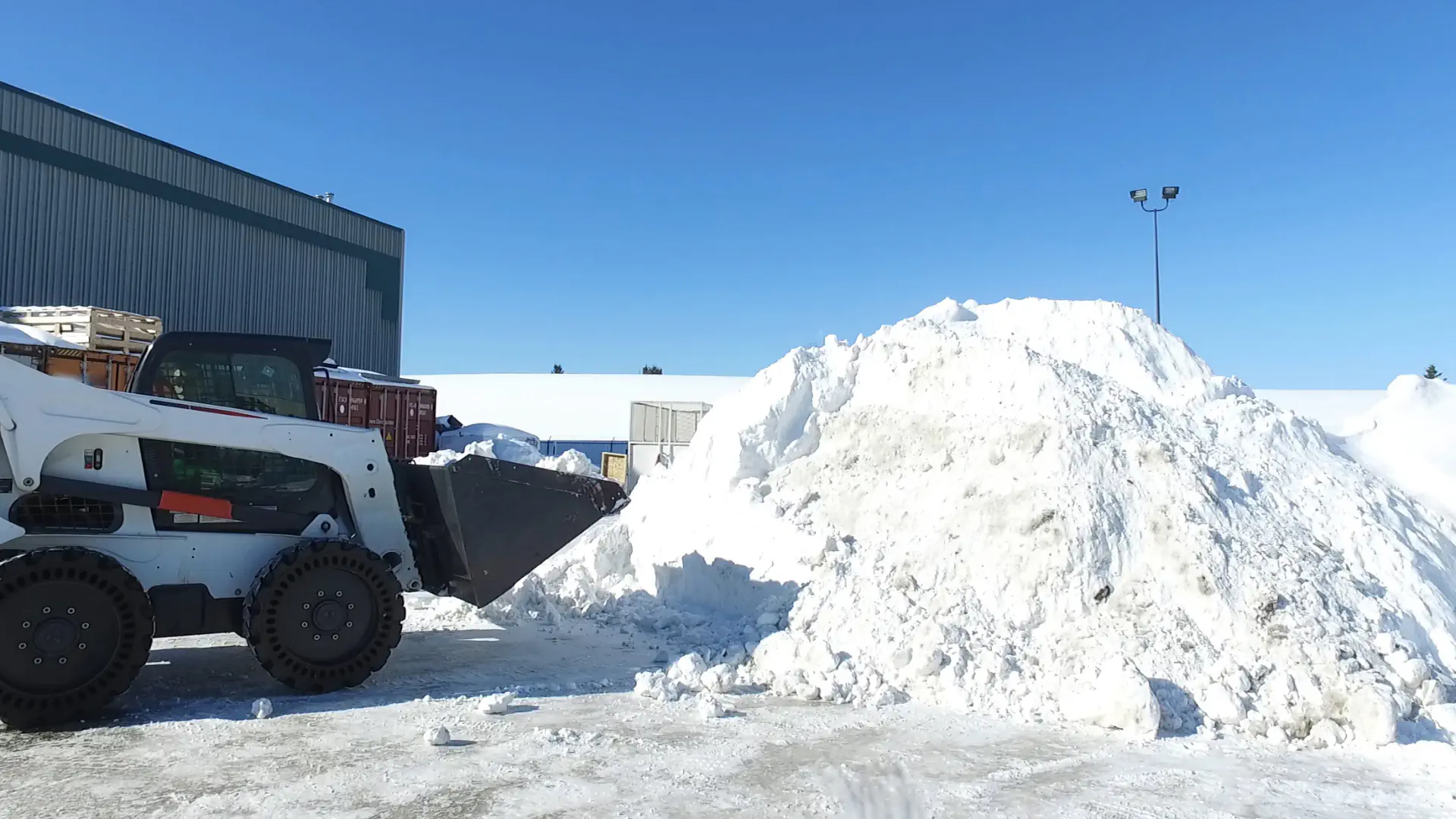
At DMH Site Services, we assess pavement movement and drainage first, especially for properties requiring commercial snow removal Denver CO services that may have experienced plow damage or repeated freeze-thaw exposure in high-traffic areas. Successful Front Range overlays almost always include comprehensive crack repair and water management improvements before new asphalt paving Denver standards require goes down.
This is also why timing matters. Properties that skip regular asphalt maintenance Denver protocols often reach a point where they’ve waited too long for an overlay to work effectively. The most cost-effective approach is catching damage early, before water compromises the base, and using overlays to extend life rather than attempting to rescue failed pavement.
Smart property managers also coordinate overlay projects with complementary improvements. If you’re investing in resurfacing, it’s often the ideal time to upgrade parking lot striping Denver layouts for better traffic flow, improve curb transitions with help from experienced concrete contractors Denver teams, or address drainage issues that contributed to the original failure.
Can asphalt be put over old asphalt?
Yes. Asphalt can go over existing asphalt if the old surface still supports traffic without shifting or showing signs of base failure. Professional asphalt companies Denver contractors work with follow a specific preparation process: repair cracks and structural weak spots, remove any loose or damaged material, clean the surface thoroughly to remove dirt and debris, and apply a bonding tack coat before the new layer.
This preparation allows the new layer to perform as part of a single integrated system rather than as a separate surface that might delaminate over time. When asphalt paving Denver specialists skip these steps to save time or reduce costs, the overlay typically fails prematurely.
The key question isn’t whether asphalt can go over old asphalt, it’s whether it should in your specific situation. That determination requires honest assessment from a reputable Denver commercial asphalt company that prioritizes long-term performance over quick sales.
Is asphalt overlay a good idea?
An overlay works well when pavement shows cosmetic wear rather than structural failure. It costs 40-60% less than full replacement and installs much faster, often in a day or two instead of a week. For commercial properties, this means minimal operational disruption compared to complete reconstruction.
However, overlays don’t work when the base has failed, when drainage remains inadequate, or when cracks show significant movement indicating ongoing foundation problems. In those cases, replacement delivers better long-term value even though the upfront cost is higher.
Experienced asphalt companies Denver property managers trust, like DMH Site Services, will tell you honestly when an overlay isn’t appropriate. We’ve turned down overlay projects because we knew they’d fail within a few years, recommending proper reconstruction instead. This approach protects both our reputation and our clients’ budgets.
The decision often depends on your timeline and goals. If you’re planning to hold a property for 8-10 more years, a properly executed overlay combined with consistent asphalt maintenance Denver schedules can provide excellent return on investment. If you need 20+ years of service, or if the current pavement shows signs of base failure, replacement makes more financial sense.
For commercial properties, consider the total project scope. If you’re already updating parking lot striping Denver compliance requirements or working with concrete contractors Denver specialists on sidewalk improvements, combining these with an overlay or replacement creates efficiencies and reduces overall costs.
Does new asphalt stick to old asphalt?
Yes, when installed correctly. New asphalt bonds to old asphalt through a specialized tack coat, an adhesive emulsion sprayed on the cleaned, prepared surface. Heat from the fresh asphalt and compaction during installation help the layers adhere and function as a single unit.
Proper cleaning and preparation are non-negotiable. Any dirt, vegetation, loose material, or petroleum contamination prevents bonding and creates weak spots where the overlay can separate or fail prematurely. This is why quality-focused asphalt paving Denver contractors spend considerable time on surface prep rather than rushing straight to paving.
At DMH Site Services, we often encounter properties where previous overlays failed due to inadequate preparation. The surface may have looked fine initially, but within 1-2 seasons, delamination began, sections of the new layer separating from the old, creating hollow spots that crack and fail under traffic.
The bonding process also depends on timing and weather. Asphalt paving Denver work needs appropriate temperatures for proper adhesion. Installing overlays too late in fall or during cold snaps compromises bonding, which is why reputable asphalt companies Denver contractors schedule overlay work carefully within the optimal temperature window.
How long will an asphalt overlay last?
In Denver, a properly installed overlay typically lasts 8 to 15 years. Several factors influence longevity: traffic load and weight, overlay thickness (typically 1.5 to 2 inches), underlying base condition, drainage effectiveness, and, critically, ongoing asphalt maintenance Denver commitment.
Regular crack sealing and sealcoating help overlays reach the upper end of that 15-year range. Without maintenance, even well-installed overlays deteriorate faster. Properties that treat an overlay as a “set it and forget it” solution often see failures in 5-7 years.
Commercial properties with heavy traffic or properties requiring commercial snow removal Denver CO services face additional wear. Plow blades, heavy de-icing chemical use, and concentrated traffic patterns in loading areas accelerate surface wear. For these properties, DMH Site Services recommends slightly thicker overlays (2-2.5 inches) and more frequent maintenance inspections to maximize lifespan.
The overlay lifespan also depends on whether complementary work happens simultaneously. Updating parking lot striping Denver regulations require, addressing drainage with help from skilled concrete contractors Denver businesses trust, and fixing crown or slope issues all contribute to overlay longevity by protecting against water intrusion, the primary enemy of asphalt performance.
As a trusted Denver commercial asphalt company serving both residential and commercial clients, we’ve tracked overlay performance across hundreds of properties. The consistent pattern: overlays combined with preventive asphalt maintenance Denver programs consistently outperform overlays that receive no ongoing care by 5-8 years.
Making the Right Decision for Your Property
If you’re in Denver and considering an asphalt overlay, DMH Site Services can evaluate your pavement and explain whether an overlay or replacement makes more sense for your specific situation. A clear assessment protects your budget and helps you avoid the costly mistake of repeat work within a few years.
We look beyond surface appearance to assess base stability, drainage patterns, and structural integrity. We’ll also help you understand how the decision fits within your broader property plans, whether you’re coordinating with concrete contractors Denver teams on related work, planning parking lot striping Denver updates, or preparing for winter with commercial snow removal Denver CO contracts.
Our goal isn’t to sell you a service, it’s to recommend the approach that delivers the best long-term value. Sometimes that’s an overlay. Sometimes it’s replacement. Sometimes it’s aggressive asphalt maintenance Denver intervention that buys you another 3-5 years before any major work becomes necessary. Contact DMH Site Services for a complimentary overlay evaluation. We’ll give you an honest assessment and clear options, no pressure, just professional guidance from one of the most established asphalt companies Denver property owners rely on.