How Thick Should Your Asphalt Driveway Be for Long-Lasting Results in Denver
If you’re planning an asphalt driveway, thickness matters more than most homeowners realize. A driveway that looks great on day one can crack, rut, or sink years earlier than expected if the asphalt layer is too thin for the load and soil beneath it. On the other hand, overbuilding adds unnecessary cost without much extra benefit. The goal is to install the right thickness for how the driveway will actually be used.
This guide breaks down asphalt thickness in clear, practical terms. You’ll see what works for typical residential driveways, when extra thickness makes sense, and how thickness ties directly to cost, weight limits, and long-term performance. Whether you’re working with asphalt companies denver for a new installation or considering a driveway replacement, understanding these fundamentals helps you make informed decisions.
How Much Weight Can 3 Inches of Asphalt Hold?
Three inches of properly compacted asphalt over a solid base can handle standard passenger vehicles and light trucks without issue. It performs well under loads up to roughly 6,000 to 8,000 pounds when weight distributes evenly across the surface.
Problems arise when heavy vehicles park in the same spot repeatedly. Garbage trucks, delivery trucks, and RVs concentrate weight on small areas, which can cause depressions or cracking over time. If your driveway will see frequent heavy loads, adding an extra inch of asphalt offers meaningful protection against premature wear.
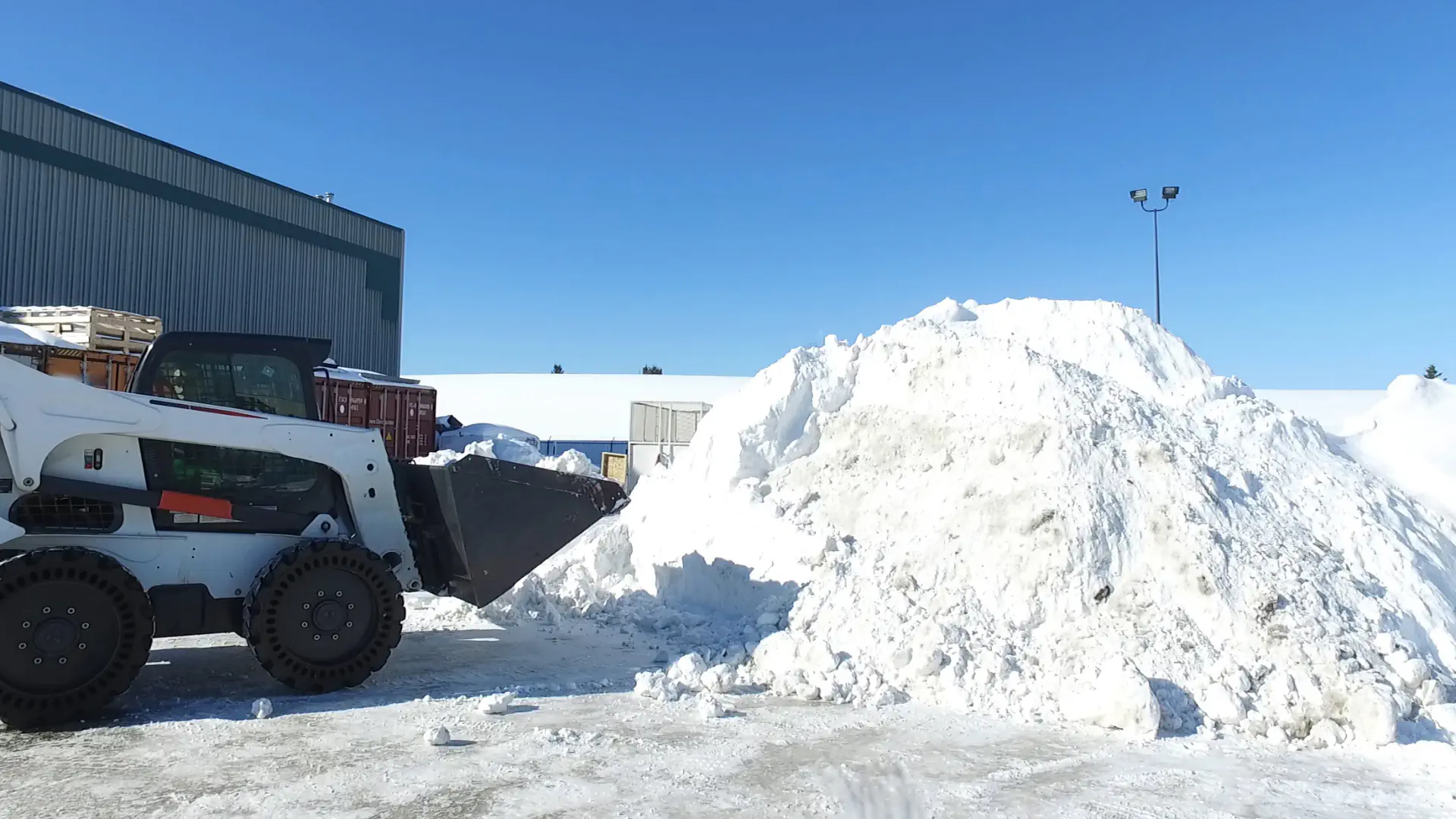
This is why commercial properties and businesses often work with a denver commercial asphalt company for parking areas that handle delivery vehicles, the structural requirements differ significantly from residential driveways. Similarly, commercial snow removal denver co operations can place significant stress on thinner asphalt during plowing season.
Is 2 Inches of Asphalt Enough?
Two inches of asphalt is generally not enough for a residential driveway. Contractors sometimes use this thickness as an overlay on existing asphalt, but as a full driveway surface, it wears out quickly. Thin asphalt flexes under weight, which leads to cracks, raveling, and early failure.
Homeowners who choose 2 inches often face repairs or replacement much sooner than expected. In most cases, spending slightly more upfront for 3 to 4 inches saves money over the life of the driveway. This is one area where asphalt maintenance denver costs multiply when the initial installation cuts corners.
Think of it this way: saving $500-$1,000 on thinner asphalt today often leads to spending $3,000-$5,000 on premature replacement in 5-7 years instead of getting 15-20 years from a properly constructed driveway.
How Thick Should Asphalt Be for a Parking Lot?
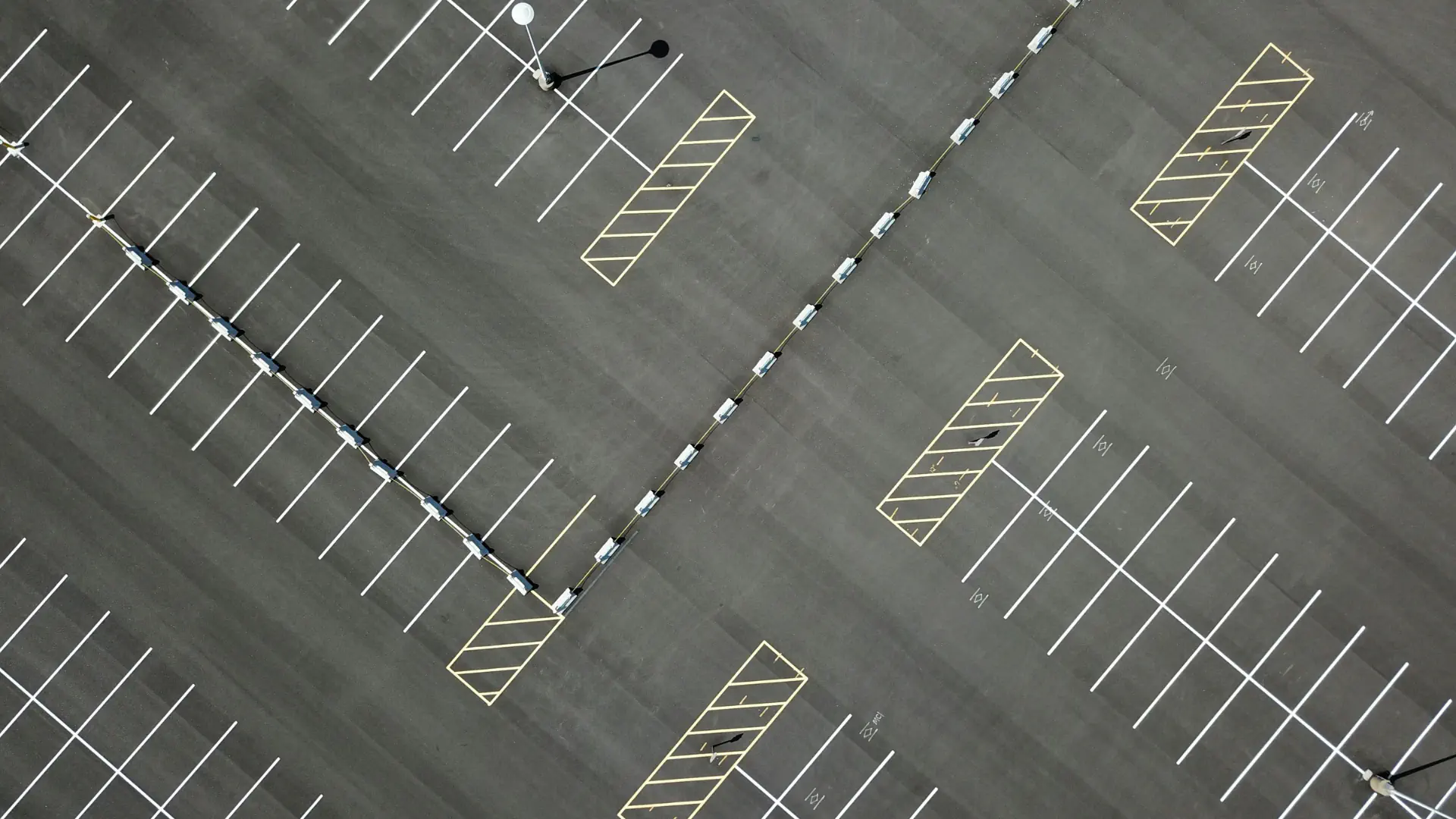
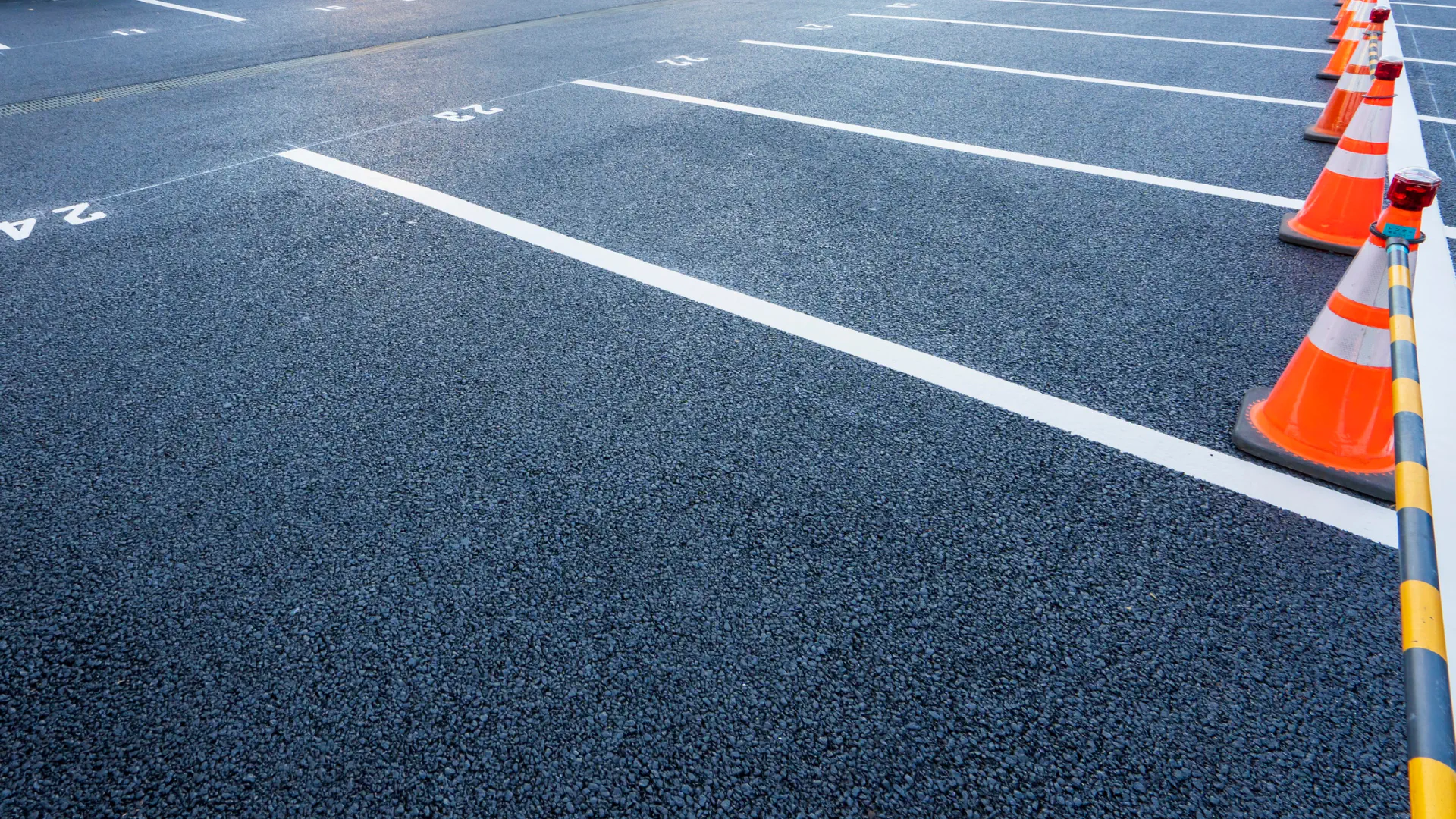
Parking lots require more thickness than residential driveways. Most commercial parking lots need 6 inches of asphalt, depending on traffic volume and vehicle weight. Areas used by delivery trucks or buses may need even more, along with reinforced base layers.
Commercial projects also involve stricter standards for drainage, parking lot striping denver for traffic flow and ADA compliance, and long-term wear considerations. Thickness decisions usually tie directly to engineering assessments and usage patterns rather than appearance alone. Working with an experienced denver commercial asphalt company ensures these commercial specifications are met.
For businesses managing commercial properties, coordinating asphalt maintenance denver, parking lot striping denver, and seasonal commercial snow removal denver co services with one contractor can streamline maintenance schedules and extend pavement life.
Get Expert Advice on Your Denver Driveway Project Today
Asphalt thickness is about matching structure to real-world use. For most homeowners, 3 to 4 inches of asphalt over a solid 6-8 inch gravel base strikes the right balance between cost and durability. Thinner surfaces save money short term but cost far more over time.
If you’re planning a new driveway or replacing an old one, ask your contractor how thickness, base prep, and vehicle load factor into the design. A clear, detailed explanation is often a good sign that the driveway will last as long as you expect.
Ready to discuss your driveway project? DMH Site Services brings the same engineering standards used for commercial asphalt work to every residential project. Our team evaluates soil conditions, drainage patterns, and intended use to recommend the right thickness and base preparation for your specific situation, because a driveway is only as good as what’s underneath it.
Whether you need a new driveway, asphalt maintenance denver services for your existing pavement, or guidance on the best approach for your property, we’re here to provide honest assessments and quality workmanship that stands the test of time.