Whether you need one or two coats of asphalt sealer is not a universal answer, it depends on the current condition of your surface, the type of sealer being used, and the level of protection you need going into the season.
For most residential driveways in good condition, a single properly applied coat of professional-grade sealer delivers the protection the surface needs. Two coats become worth considering when the asphalt shows visible wear, significant oxidation, or early signs of porosity that will absorb the first coat faster than expected.
Here is what most homeowners get wrong: they focus entirely on the number of coats instead of the quality of the application. A rushed double coat applied without adequate drying time between layers can trap moisture, cause peeling, and produce an uneven cure that shortens the life of the sealcoat. A single coat applied over a well-cleaned, properly prepared surface, under the right weather conditions, almost always outperforms two coats applied carelessly.
DMH Site Services approaches every asphalt maintenance project in DENVER CO with that same principle: preparation and execution matter more than the number of passes. Sealcoating is a core part of what we do as a full-service Denver commercial asphalt company, and we treat every surface, residential or commercial, with the same standard of prep and product selection.
Should I Use One or Two Coats of Asphalt Sealer?
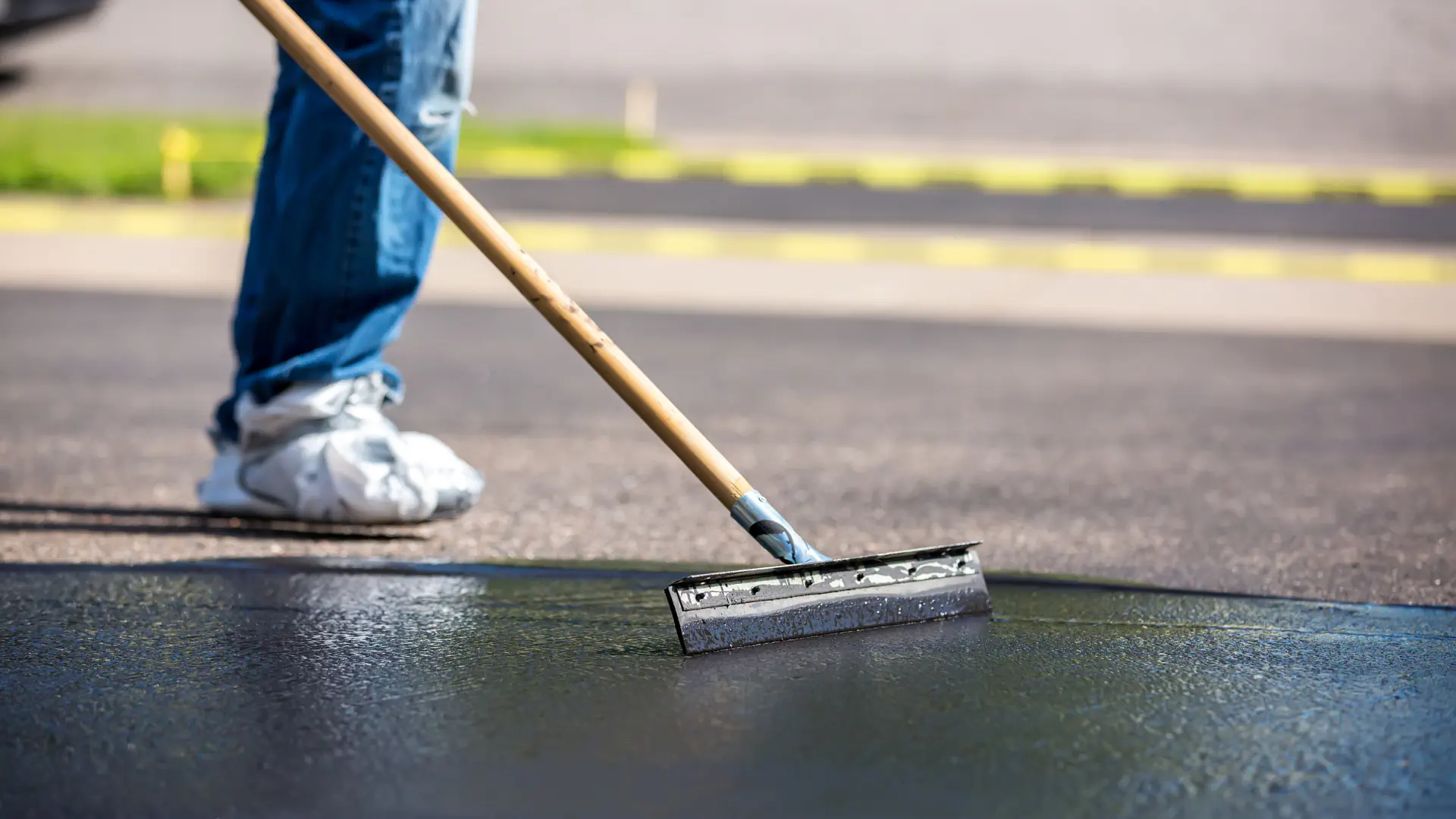
For most driveways, one coat is the standard and the right call, provided the sealer is professional grade and the surface has been properly prepared beforehand. A single even coat delivers reliable protection against UV degradation, moisture intrusion, and surface oxidation.
Two coats make sense in these specific situations:
- The asphalt has turned noticeably gray, indicating advanced oxidation
- The surface is older and more porous, meaning the first coat will be absorbed rather than form a protective film
- A thinner or water-based sealer is being used that requires layering for adequate coverage
- The product manufacturer specifically recommends multiple applications
The critical rule when applying two coats: allow the first coat to fully cure before adding the second. Applying a second coat too soon traps moisture underneath and prevents the lower layer from bonding correctly with the asphalt surface. Most professionals, including the crews at DMH Site Services, apply one thorough coat and evaluate the surface after curing before determining whether a second pass adds real value.
For commercial properties in DENVER managing large lots, this same discipline applies. Asphalt maintenance in DENVER CO on parking lots and drive lanes requires the same attention to product selection, surface prep, and curing windows as any residential job, often more so, because the square footage and traffic volume make errors more costly to correct.
What Are The Most Common Driveway Sealing Mistakes
Most sealcoating failures do not come from the product, they come from preparation and timing errors that compromise adhesion and curing before the sealer even has a chance to work. Here are the mistakes DMH Site Services sees most often on driveways across DENVER:
Skipping surface cleaning. Oil stains, dirt, and debris sitting on the asphalt prevent the sealer from bonding properly. A clean surface is the single most important step in the process.
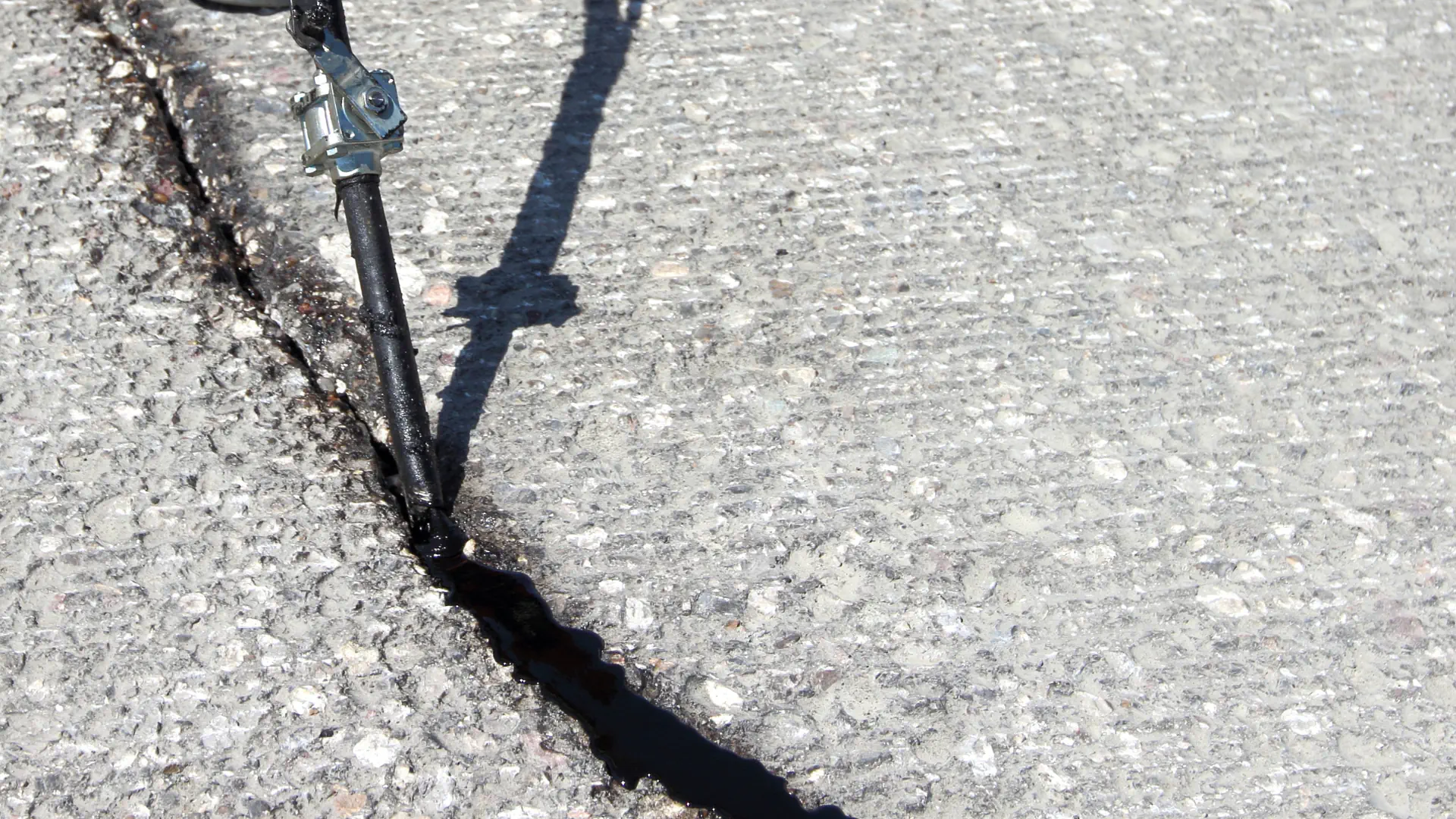
Sealing too soon after repairs. Crack filling and patching need full cure time before sealer is applied over them. Rushing this step causes the sealer to fail at the repair site first.
Applying in extreme temperatures. Sealer applied in intense heat can dry too fast and crack. Applied in cold conditions, it may not cure at all. In DENVER, timing the application to avoid early-season cold snaps or peak summer heat is part of good scheduling.
Using too much product in one pass. Thick application in a single area leads to peeling and surface cracking as the sealer dries unevenly.
Ignoring the weather forecast. Rain on fresh sealer before it has cured is one of the fastest ways to waste a sealcoating investment. More on that below.
Not allowing adequate dry time between coats or before traffic. Opening a sealed driveway too soon causes tire marks, surface displacement, and premature wear.
These mistakes shorten sealcoat life faster than environmental damage does, which is exactly why working with experienced asphalt companies in DENVER matters. DMH Site Services builds weather windows, surface prep, and curing schedules into every job before a crew arrives on site.
How Much Will a 5 Gallon Bucket of Asphalt Sealer Cover?
Coverage rates vary based on surface condition and application thickness, but a standard 5-gallon bucket of asphalt sealer covers approximately:
- Smooth, newer asphalt: up to 500 square feet per coat
- Older or moderately porous asphalt: 250 – 350 square feet per coat
- Heavily worn or very porous surfaces: less than 250 square feet, as the material absorbs into the surface rather than forming a protective film
Estimating material accurately before starting is essential. Underestimating leads to thin spots that offer inconsistent protection, and those thin areas are typically where cracking and water infiltration begin first.
For commercial properties, this calculation scales significantly. A large parking lot requiring asphalt maintenance in DENVER CO may need hundreds of gallons of sealer, applied in carefully measured passes to ensure even coverage across the entire surface. Asphalt companies in DENVER that handle commercial-scale sealcoating use spray equipment for consistent application rates, something a roller or squeegee cannot reliably achieve on a large lot.
DMH Site Services calculates material requirements as part of every estimate, so property owners know exactly what is going into the job before it starts, no surprises mid-project.
What Happens if It Rains 24 Hours After Sealing a Driveway?
The outcome depends on how far along the curing process was before the rain arrived.
- Light rain after full curing (24+ hours in warm, dry conditions): typically no damage to the sealcoat
- Heavy rain or exposure before the sealer has fully set: streaking, washout, and surface damage are likely, and may require reapplication in affected areas
- Cool or humid weather: extends curing time significantly beyond the standard 24-hour window, making early rain exposure riskier
Most professional-grade asphalt sealers need at least 24 to 48 hours of dry, warm conditions to cure completely. In DENVER, where late afternoon summer storms can appear with little warning, weather monitoring is a real part of scheduling asphalt maintenance in DENVER CO correctly. A sealer applied on a warm morning can be compromised by an afternoon thunderstorm if the timing is not planned carefully.
DMH Site Services tracks weather windows before scheduling any sealcoating work, residential or commercial. It is one of the details that separates a sealcoat that lasts five years from one that starts failing after the first winter. DENVER’s climate, with its combination of UV intensity, freeze-thaw cycles, and unpredictable precipitation, makes that planning more important here than in many other markets.
Final Takeaway
Two coats of asphalt sealer are not automatically better, one well-executed coat over a properly prepared surface delivers the protection most driveways need. The number of coats is far less important than the quality of preparation, the choice of product, and the conditions under which the sealer is applied and allowed to cure.
If your driveway is older or heavily worn, a second coat may extend protection, but only when applied at the right time, over a fully cured first layer, and with a weather window that allows complete drying before any rain or traffic exposure.
DMH Site Services handles every aspect of asphalt maintenance in DENVER CO, from sealcoating and crack repair to full asphalt paving in DENVER, parking lot striping in DENVER, and commercial snow removal in DENVER CO. Whether you manage a residential driveway or a commercial lot that needs the attention of a proven Denver commercial asphalt company, we bring the preparation, product knowledge, and scheduling discipline that DENVER’s climate demands.
Contact DMH Site Services before the season closes and protect your pavement investment the right way.