When asphalt starts to crack or fade, most property owners ask a practical question first: Can we put new asphalt over what’s already there? In Denver, that question carries significant financial weight because sun exposure and freeze-thaw cycles punish pavement faster than many property owners expect.
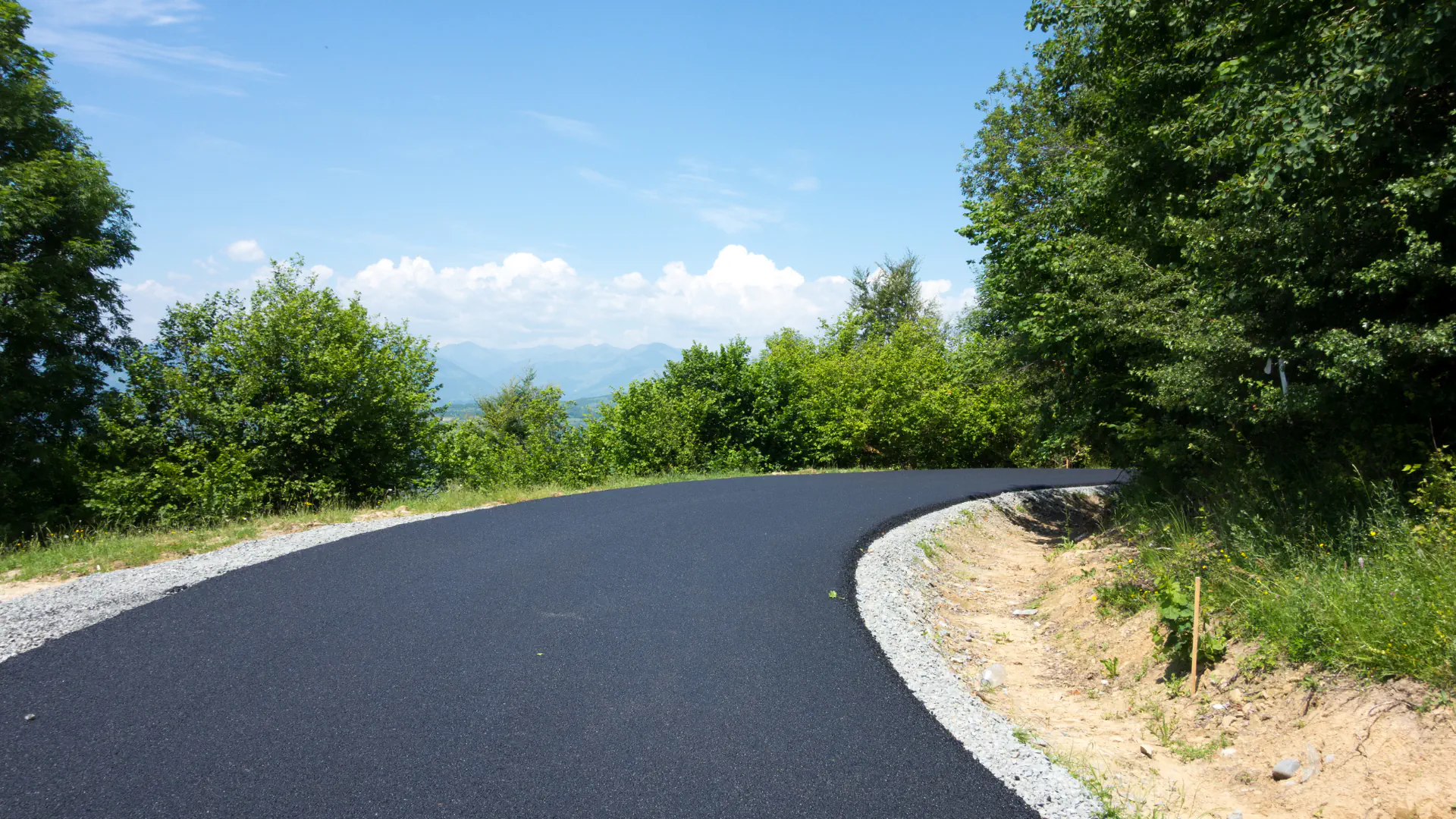
A well-executed overlay can save substantial time and money compared to full replacement. A poorly planned one can fail quickly and ultimately cost more in the long run. The difference comes down to bonding science, thorough preparation, and honest assessment of whether the existing pavement can still perform its structural role.
At DMH Site Services, we help clients understand when new asphalt will bond successfully to old asphalt, and when it won’t. As one of the experienced asphalt companies Denver property owners trust for technical guidance, we’ve seen both successful overlays that last 15+ years and premature failures that occur within months. The determining factor is always proper evaluation before work begins.
The Science of Asphalt Bonding
Yes, new asphalt can stick to old asphalt when contractors prepare the surface correctly and the existing pavement remains structurally sound. Asphalt bonds through a combination of heat, mechanical pressure, and a specialized bonding agent called tack coat. The process isn’t mysterious, it’s chemistry and physics working together when conditions are right.
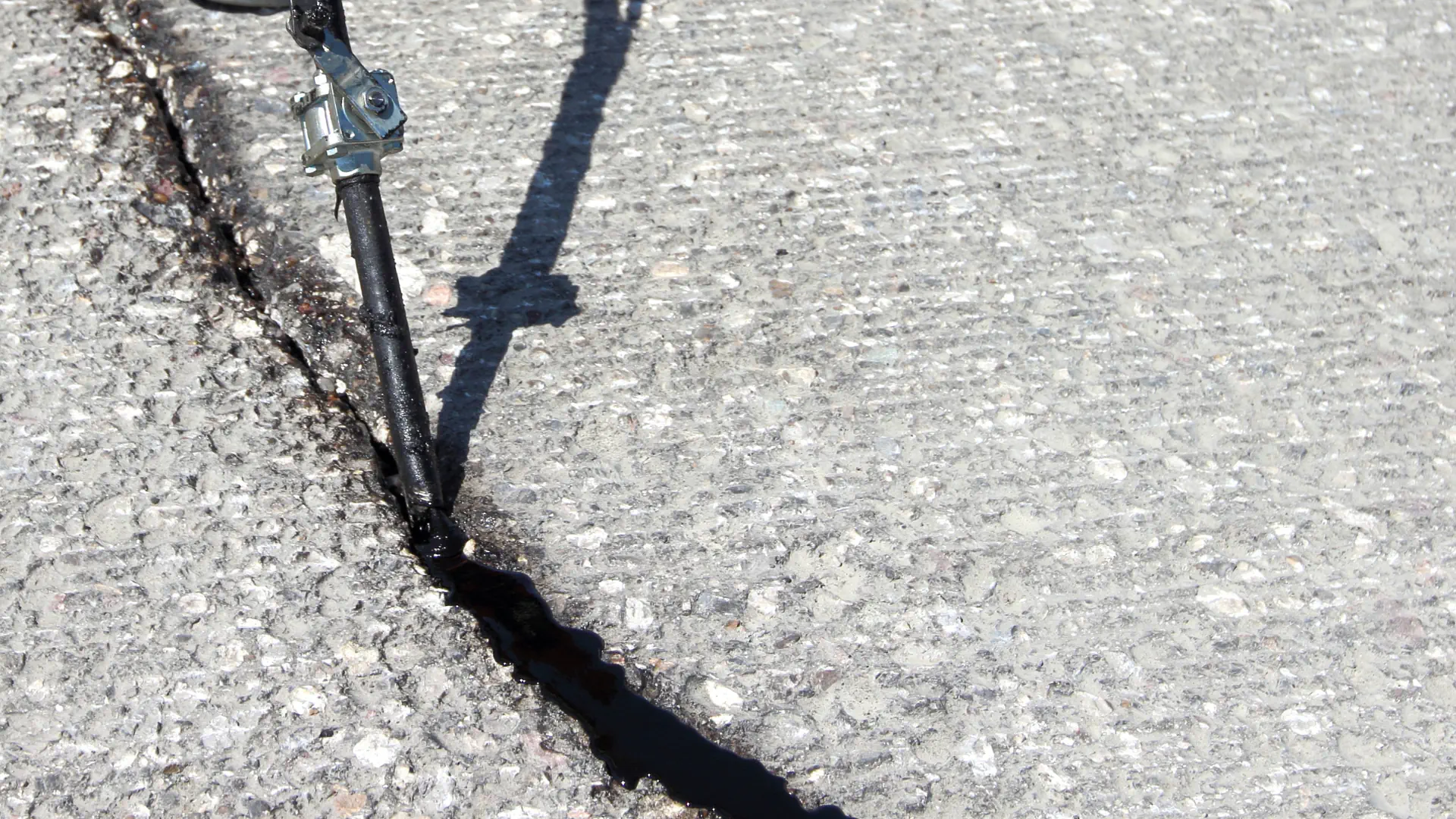
Before installation, professional asphalt paving Denver crews clean the old asphalt thoroughly, repair cracks and structurally weak areas, and apply tack coat to create adhesion between layers. This tack coat is a liquid asphalt emulsion that acts like industrial-strength glue specifically formulated for pavement applications. When hot asphalt (typically 275-325°F at placement) is laid over properly prepared and tack-coated old asphalt, then compacted with heavy rollers, the new layer fuses to the old surface and behaves as one integrated system rather than two separate layers.
In Denver, this bonding process works best when damage stays at the surface level, cosmetic cracking from UV exposure, minor freeze-thaw surface cracks, or fading that doesn’t indicate deeper problems. These conditions respond well to overlays because the foundation beneath remains stable and supportive.
Bonding fails when the base layer underneath the old asphalt has already weakened or failed. Water intrusion that reaches the aggregate base, freeze-thaw expansion that compromises foundation stability, and poor drainage that keeps the base perpetually saturated cause movement and instability that no bonding layer can fix. In those cases, cracks reflect back through the new asphalt, sometimes within a single winter season, because the problem originates below the surface where overlays can’t address it.
Successful bonding depends on surface preparation quality, base stability assessment, and correct installation temperatures. When those conditions align, overlays extend pavement life efficiently and cost-effectively. When they don’t, full replacement delivers better long-term performance and ultimately costs less than repeated overlay failures.
As a reputable Denver commercial asphalt company serving both residential and commercial properties, DMH Site Services uses systematic evaluation protocols before recommending overlays. We test for pavement movement, assess drainage patterns, evaluate crack types, and honestly determine whether bonding will succeed or whether we’re setting clients up for disappointment and wasted investment.
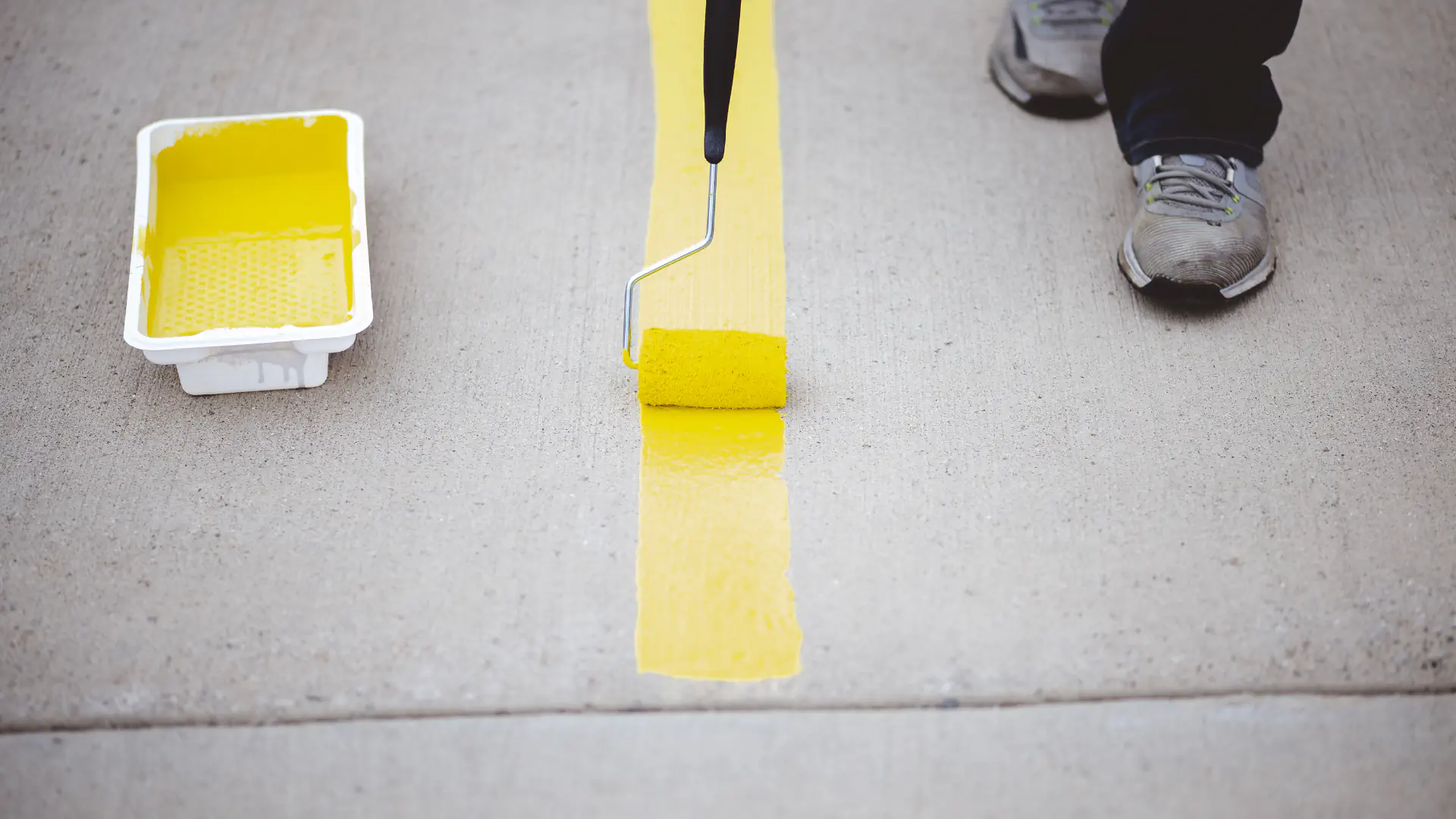
This evaluation often connects to broader property considerations. For commercial properties scheduling parking lot striping Denver updates or working with concrete contractors Denver businesses depend on for sidewalk repairs, understanding overlay viability affects project sequencing and budget allocation. There’s no point investing in fresh striping over pavement that won’t hold up.
Why Denver’s Climate Tests Bonding More Than Most Regions
Local Insight
Many failed overlays in Denver look fine for the first year, even through summer and fall. Then winter arrives with its characteristic overnight temperature swings. Moisture trapped below the overlay surface freezes and expands overnight when temperatures plummet. By spring, cracks reappear in exactly the same locations as before the overlay, often wider than the original cracks.
At DMH Site Services, we test for pavement movement and drainage adequacy before recommending overlays to avoid this predictable outcome. Properties that experience this failure pattern often face a difficult choice: attempt another overlay (which will likely fail again), or invest in proper replacement that addresses the root cause.
This is particularly relevant for properties requiring commercial snow removal Denver CO services. Repeated plow passes, de-icing chemical applications, and heavy vehicle traffic during winter operations place additional stress on overlay bonds. If bonding isn’t perfect, winter operations accelerate separation and failure.
Smart asphalt maintenance Denver programs recognize these local realities. Properties in areas with poor drainage, heavy shade that keeps surfaces frozen longer, or exposure to significant winter operations need especially careful evaluation before overlay decisions. Sometimes waiting one more season to budget for proper replacement saves money compared to an overlay that fails prematurely.
The evaluation process also reveals opportunities to address contributing factors. Poor drainage often requires coordination with concrete contractors Denver teams who can rebuild curbs, adjust grades, or install proper site drainage before any asphalt paving Denver work begins. Addressing root causes rather than symptoms is always the more cost-effective long-term approach.
Is it okay to put new asphalt over old asphalt?
Yes, if the existing asphalt still supports traffic without shifting, sinking, or showing signs of base failure. Professional asphalt companies Denver contractors work with follow specific criteria: the surface must be structurally sound, drainage must be adequate, and any cracks or deterioration must be repairable without full reconstruction.
Contractors must repair cracks thoroughly, patch weak areas to restore surface integrity, remove any loose or deteriorated material, and clean the surface before overlaying. Skipping these steps to save time or money virtually guarantees premature failure, the overlay may look good initially, but bonding weaknesses appear quickly once weather and traffic stress the surface.
If the base has failed, indicated by alligator cracking, areas that move underfoot, persistent standing water, or sections that have sunk below surrounding pavement, replacement makes more sense than overlay. Experienced asphalt paving Denver specialists can identify these conditions during evaluation.
At DMH Site Services, we sometimes recommend delaying overlay work to observe pavement behavior through one more season, particularly if we’re evaluating in fall or winter when base problems may not be fully visible. This conservative approach protects clients from investing in work that won’t perform as expected.
For commercial properties coordinating multiple improvements, perhaps updating parking lot striping Denver layouts, scheduling commercial snow removal Denver CO contracts, or working with concrete contractors Denver professionals on site improvements, understanding overlay feasibility early in planning prevents costly mid-project changes or disappointed expectations.
How do you bond old asphalt to new asphalt?
Professional crews bond asphalt layers using tack coat, a sticky, emulsified asphalt binder sprayed onto the cleaned, prepared old surface at specific application rates (typically 0.05-0.10 gallons per square yard). This isn’t optional; it’s the critical component that enables bonding.
Heat from the new asphalt (placed at 275-325°F) and mechanical compaction from heavy steel drum rollers activate the tack coat bond. As the new asphalt cools, the tack coat creates a permanent adhesive connection between layers. Clean surfaces and proper installation temperatures (ambient temperatures above 50°F, rising) ensure strong adhesion that withstands traffic stress and temperature cycling.
Reputable asphalt companies Denver property managers trust, like DMH Site Services, never skip tack coat application or try to overlay during marginal weather conditions. These shortcuts create weak bonds that fail prematurely, forcing expensive re-work and damaging contractor reputations.
The bonding process also requires timing precision. Tack coat must cure to the right tackiness, not too wet (which prevents proper bonding) and not too dry (which loses adhesive properties). Experienced asphalt paving Denver crews monitor weather, adjust application rates for conditions, and schedule paving to hit optimal tack coat cure windows.
For large commercial projects requiring parking lot striping Denver coordination, this timing matters for project scheduling. Striping can only occur after the overlay has cooled and cured adequately, typically 24-48 hours depending on thickness and weather. Properties coordinating multiple trades or working around commercial snow removal Denver CO equipment storage need realistic timelines that account for proper bonding procedures.
Does asphalt stick to asphalt?
Yes. Asphalt naturally bonds to asphalt when installed correctly, it’s chemically compatible in ways that other material combinations aren’t. Poor bonding usually results from skipped preparation steps, contaminated or dirty surfaces, installation during cold temperatures, or underlying base failure rather than any material incompatibility.
Common bonding failures we see at DMH Site Services include:
Contaminated surfaces: Oil, dirt, vegetation, or standing water prevent tack coat adhesion
Cold installation: Paving when temperatures fall below 50°F or when the old surface is cold prevents proper heat transfer and bonding activation
Inadequate tack coat: Under-application or allowing tack coat to completely dry before paving
Base movement: Unstable foundations cause flex and stress that breaks even good bonds
Rushing the process: Not allowing adequate time for proper surface preparation and tack coat application
This is why choosing experienced asphalt companies Denver businesses rely on matters significantly. The difference between 15-year overlay performance and 2-year failure often comes down to preparation discipline and installation technique rather than material costs.
Properties committed to comprehensive asphalt maintenance Denver programs understand that bonding success begins before the overlay truck arrives. Regular crack sealing, addressing drainage issues promptly, and maintaining clean surfaces all contribute to conditions that support successful overlays when the time comes.
For commercial properties with complex needs, perhaps coordinating parking lot striping Denver updates, managing commercial snow removal Denver CO contracts, or working with concrete contractors Denver specialists on integrated site improvements, bonding reliability affects project success and budget predictability across all trades.
How long does an asphalt overlay last?
In Denver, a properly installed asphalt overlay typically lasts 8 to 15 years. Several factors influence where your overlay falls within that range: traffic load and vehicle weights, overlay thickness (typically 1.5-2 inches, though 2-2.5 inches for heavy commercial use), underlying base condition, drainage effectiveness, and critically, ongoing asphalt maintenance Denver commitment after installation.
Regular crack sealing (every 1-2 years) and sealcoating (every 2-3 years) help overlays reach the upper end of that 15-year range by preventing moisture intrusion and UV damage. Without maintenance, even perfectly installed overlays deteriorate faster, typically failing in 7-10 years instead of 12-15 years.
Commercial properties with heavy traffic, properties requiring commercial snow removal Denver CO operations, or high-traffic loading zones face accelerated wear. For these applications, DMH Site Services often recommends slightly thicker overlays and more frequent maintenance intervals to maximize lifespan.
The overlay lifespan also depends on whether complementary work happens simultaneously. Properties that combine overlays with drainage improvements, updated parking lot striping Denver layouts that improve traffic flow, and coordinated work with experienced concrete contractors Denver teams on related site improvements consistently see longer overlay performance.
As a trusted Denver commercial asphalt company tracking performance across hundreds of projects, we’ve observed clear patterns: overlays on well-maintained properties with good drainage routinely exceed 15 years, while overlays on neglected properties or those with persistent drainage issues rarely make it past 10 years regardless of installation quality.
This long-term performance data informs how we guide clients through overlay vs. replacement decisions. Sometimes an 8-year overlay makes perfect financial sense for a property with medium-term plans. Other times, investing in full replacement that delivers 20+ years of service is the smarter choice, even with higher upfront costs.
Making Confident Bonding Decisions
If you’re in Denver and wondering whether an overlay will hold or fail on your property, DMH Site Services can evaluate your asphalt and explain the best path forward based on actual conditions, not sales targets. A clear assessment now helps you avoid repeat work later and protects your long-term pavement investment.
Our evaluation process examines surface condition, base stability, drainage adequacy, crack patterns, and how your property’s specific conditions, traffic loads, exposure, maintenance history, affect overlay success probability. We’ll tell you honestly when overlays make sense and when they don’t, even if replacement recommendations mean smaller immediate projects for us.
This honest approach extends across all services. Whether you need guidance on asphalt maintenance Denver scheduling, recommendations on parking lot striping Denver compliance, connections to qualified concrete contractors Denver professionals for related work, or asphalt paving Denver solutions that match your budget and timeline, we provide transparent assessments that put your interests first.
We understand that property owners are evaluating multiple needs simultaneously, perhaps coordinating commercial snow removal Denver CO contracts for the coming winter while planning pavement work for spring. Our role is helping you sequence decisions logically and invest resources where they’ll deliver maximum return.
Contact DMH Site Services today for a complimentary bonding evaluation. We’ll assess whether your asphalt can support a successful overlay or whether other approaches make more sense. No pressure, no sales tactics, just professional guidance from one of the most established asphalt companies Denver property owners have trusted for decades.