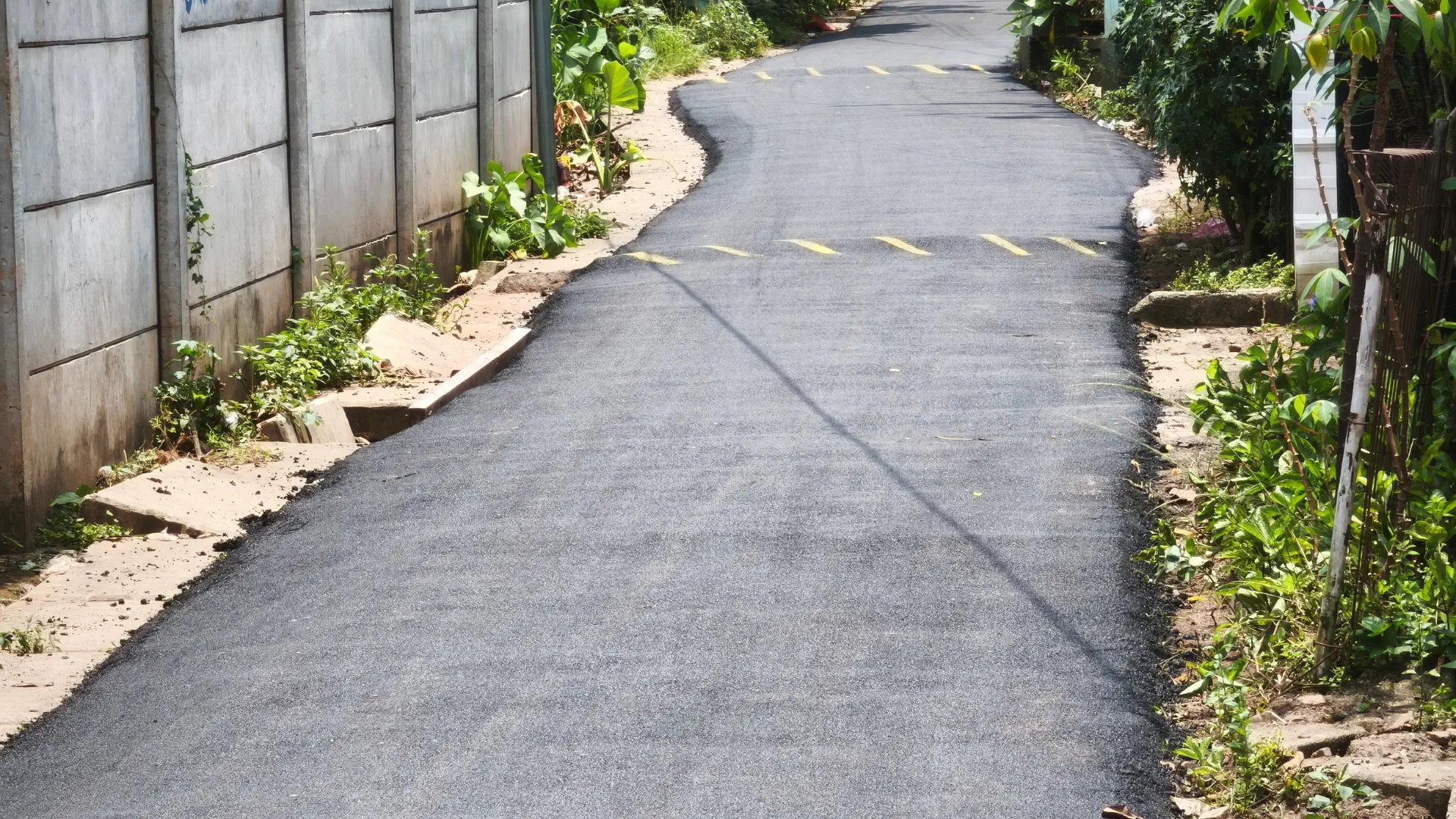
When you walk through a shopping center, office park, or apartment complex in Denver, the smooth, dark pavement beneath your feet is almost certainly commercial asphalt, a specialized mix engineered to handle heavy traffic, extreme weather, and years of continuous use. It’s not the same material used on a residential driveway, and that distinction matters more than most property managers realize.
Unlike residential asphalt, which is typically thinner and designed for light-duty applications, commercial asphalt is built for durability, load-bearing strength, and longevity under real operational pressure. Delivery trucks, full parking lots, service vehicles, and daily foot traffic all place constant stress on a surface. Commercial asphalt is specifically engineered to absorb that stress without cracking, rutting, or breaking down prematurely.
As a full-service Denver commercial asphalt company, DMH Site Services works with property managers, HOAs, and commercial developers across the metro to specify, install, and maintain the right asphalt systems for their sites, because getting the material and the process right from the start is what separates a 20-year lot from one that needs repairs within five.
What Makes Commercial Asphalt Different?
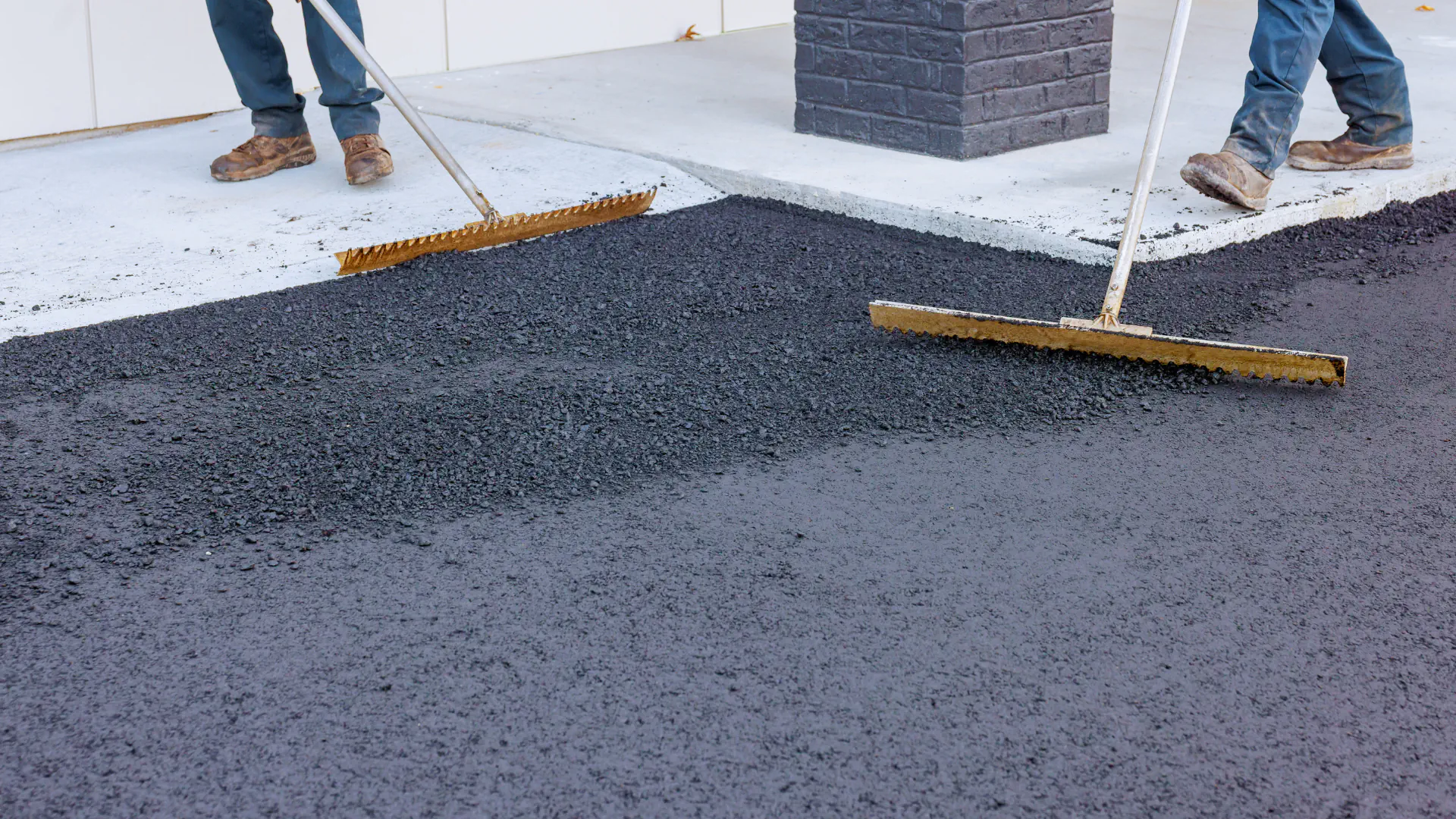
Commercial asphalt is made from a combination of high-quality aggregates and bitumen, applied in thicker layers than residential mixes to distribute load and resist deformation. But the material itself is only part of the equation. Proper installation requires a well-compacted subbase and carefully planned drainage systems, both of which are critical in Denver’s climate.
At high altitude, UV exposure accelerates surface oxidation faster than in most other regions. Denver’s freeze-thaw cycles create repeated stress on any pavement that retains moisture, and without the right subbase preparation, water infiltration during winter months can undermine even a well-installed surface from below. Experienced asphalt companies in Denver account for all of these variables during design and installation, not as optional upgrades, but as baseline requirements for a lot that performs over the long term.
Commercial asphalt, in short, isn’t just paving material. It’s a long-term infrastructure investment that protects property value, reduces liability, and keeps a site functional through decades of use.
Is Commercial Grade Asphalt Better?
For high-traffic environments, yes, commercial grade asphalt is the clear choice. It delivers greater durability, smoother performance under heavy loads, and a significantly longer service life than standard residential mixes. The upfront cost is higher, but the reduced maintenance frequency and extended lifespan make it more economical over a typical ownership horizon.
Businesses, HOAs, and municipal clients throughout the Denver metro rely on commercial-grade asphalt paving in Denver to protect their parking lots, drive aisles, and service roads from the potholes, surface cracking, and premature wear that come with using the wrong material for the job. When the pavement is specified and installed correctly, the long-term cost of ownership drops substantially, and the need for emergency repairs decreases just as significantly.
For property managers evaluating bids, the grade of asphalt being proposed is one of the most important questions to ask. Not all asphalt companies in Denver specify the same mix designs, and those differences compound over time. DMH Site Services walks clients through material selection before any project begins, ensuring the spec matches both the site’s traffic demands and Denver’s environmental conditions.
How Much Does 2000 Square Feet of Asphalt Cost?
Costs vary based on thickness, material specifications, subbase requirements, and current labor rates in the local market. In Denver, paving a 2,000 square foot lot typically runs between $3,000 and $6,000. That range reflects differences in mix design, site prep complexity, and whether the project involves a new installation or an overlay on an existing surface.
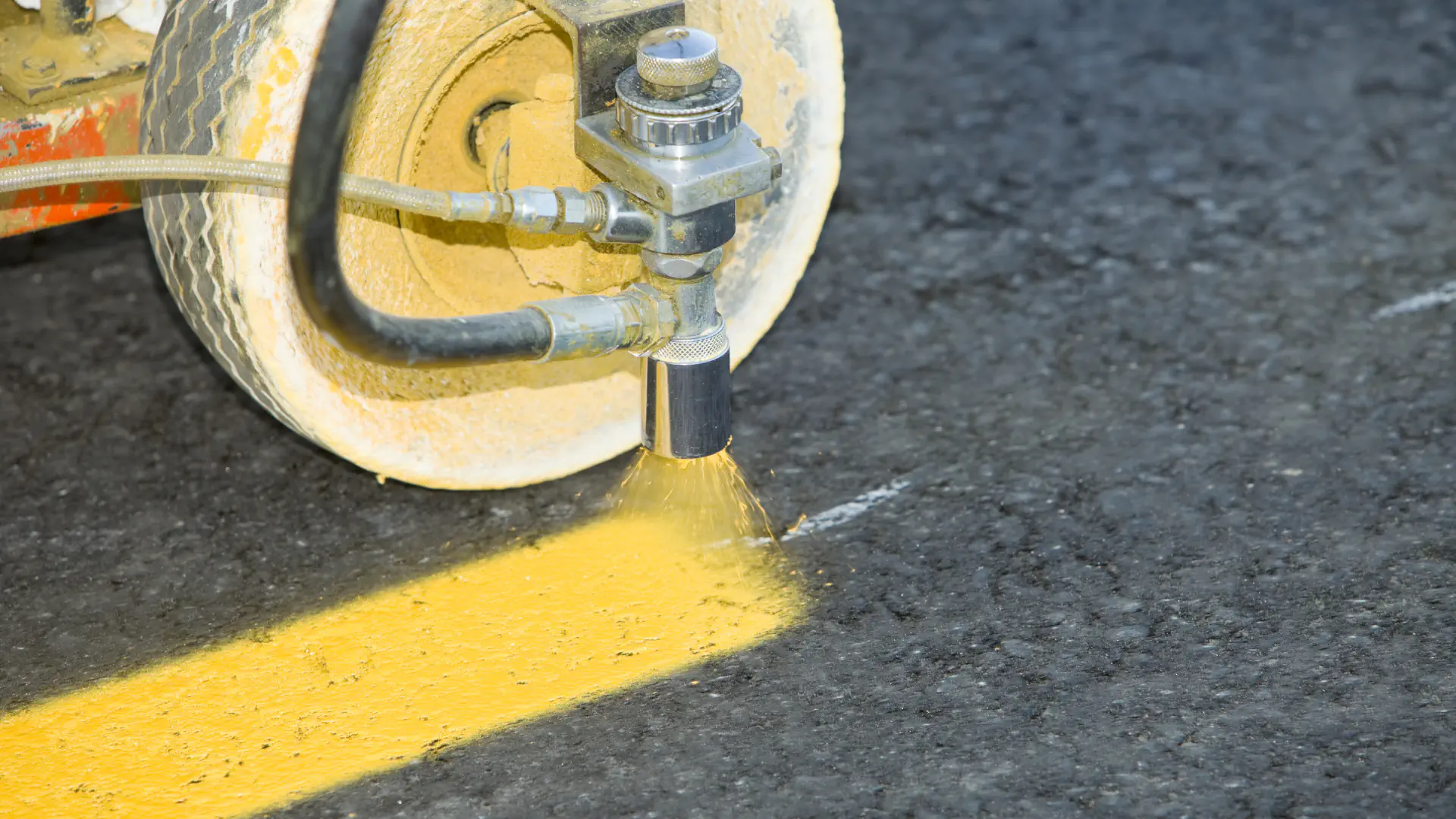
Additional services layered onto the base paving cost, sealcoating, parking lot striping in Denver, ADA-compliant stall markings, and directional arrows, add several hundred to over a thousand dollars depending on scope. Those additions are worth budgeting for upfront. They extend the pavement’s service life, maintain compliance, and reduce the frequency of return visits for re-striping or surface repairs.
For larger commercial sites or projects that involve curb work and drainage infrastructure, coordinating with experienced concrete contractors in Denver alongside your asphalt crew ensures that both systems are designed to work together. Poorly matched transitions between asphalt and concrete are a common source of edge cracking and drainage failures, problems that are straightforward to prevent at installation and expensive to fix afterward.
What Type of Asphalt Is Used for Parking Lots?
Most commercial parking lots in Denver are paved with hot mix asphalt (HMA), a blend of aggregates and bitumen mixed and applied at high temperatures. HMA delivers excellent load-bearing capacity, a smooth finished surface, and the long service life that commercial properties require. It’s the industry standard for a reason.
For Denver’s specific climate demands, contractors often incorporate modified binders or specify thicker overlay systems to combat the region’s UV oxidation, hail impact, and freeze-thaw cycling. These modifications allow a well-built lot to remain fully functional for 15 to 20 years with consistent asphalt maintenance in Denver CO, including periodic sealcoating, crack filling, and re-striping as needed.
Asphalt paving in Denver for commercial applications also requires careful attention to drainage slope and compaction depth. Lots that pool water after rain or snowmelt are accelerating their own deterioration with every wet cycle. Getting the grading right during installation is one of the most cost-effective investments a property manager can make, and it’s a standard part of how DMH Site Services approaches every commercial paving project.
Is October Too Late to Seal a Driveway?
Timing matters significantly when it comes to sealcoating, and Denver’s climate creates a narrower application window than many property managers expect. The optimal season for sealing runs from May through September, when daytime temperatures hold consistently above 50°F and below 90°F, conditions that allow the sealant to cure evenly and bond properly to the surface.
October can still work, but it requires careful weather monitoring. Cooler temperatures, early-season frosts, and increased precipitation all create conditions where sealant may not cure fully, leaving the surface vulnerable to streaking, uneven coverage, and reduced protection against winter moisture and UV damage. Property managers who miss the ideal window in a given year are better served waiting until the following spring than rushing a late-season application that won’t perform as intended.
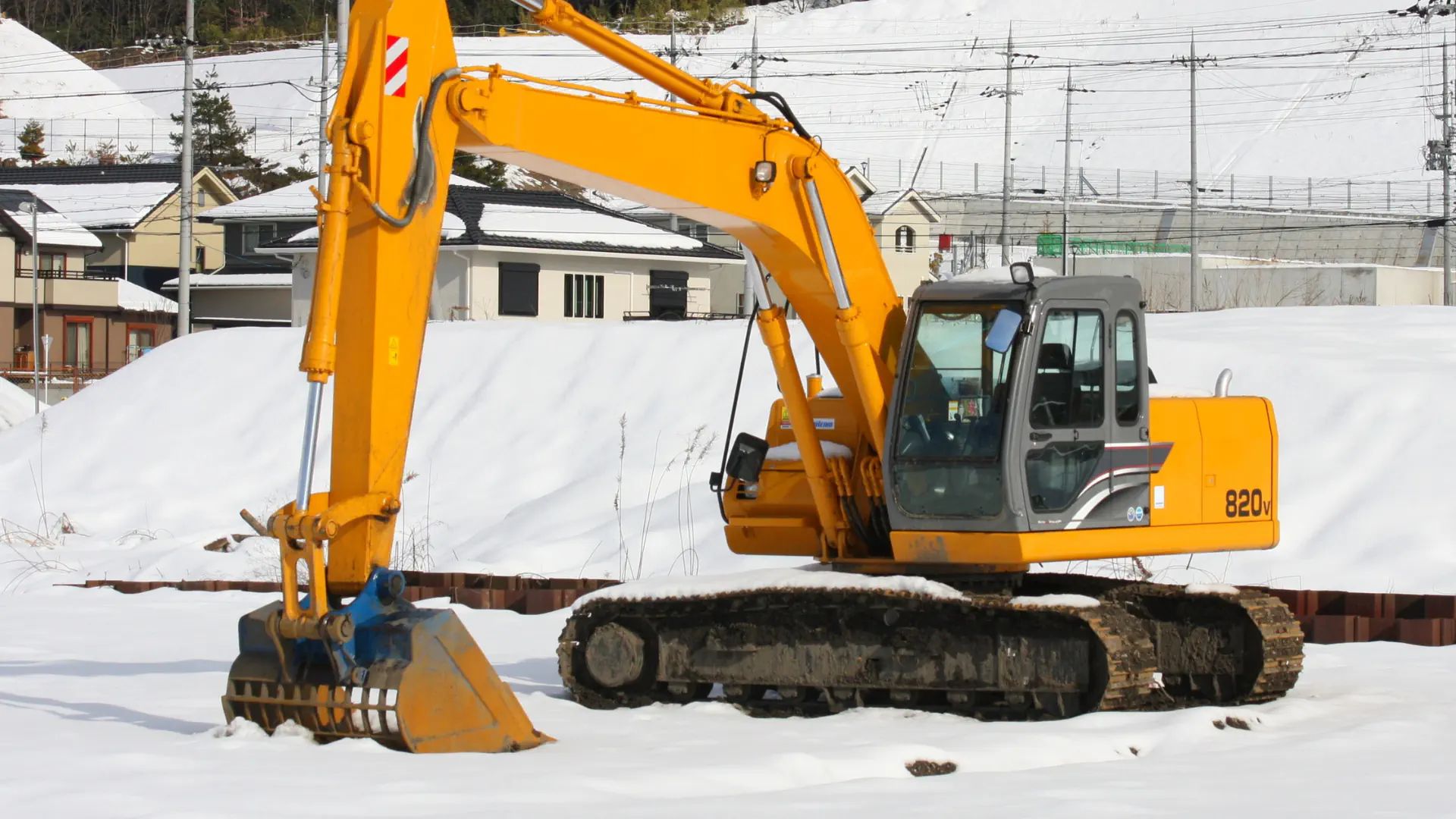
For commercial properties that rely on commercial snow removal in Denver CO throughout the winter, timing sealcoating correctly in the fall is especially important. Plow blades and ice melt chemicals both accelerate wear on asphalt surfaces, and a properly sealed lot enters the snow season with significantly more protection than one that was missed or sealed too late to cure. DMH Site Services helps clients plan their asphalt maintenance in Denver CO calendars proactively, coordinating sealcoating schedules with parking lot striping in Denver and seasonal snow removal services to keep properties protected year-round.
Building a Pavement Plan That Lasts
Commercial asphalt is only as good as the system supporting it, the subbase, the drainage, the maintenance schedule, and the contractors managing each phase. Property managers who treat pavement as a one-time installation rather than an ongoing asset consistently face higher long-term costs and more disruptive repairs.
A smarter approach integrates asphalt paving in Denver with regular asphalt maintenance in Denver CO, coordinated parking lot striping in Denver, seasonal commercial snow removal in Denver CO, and site infrastructure work handled by qualified concrete contractors in Denver. That full-service perspective is what DMH Site Services brings to every client relationship, whether you’re managing a single commercial lot or a multi-property portfolio across the metro.
Ready to build a pavement plan that performs for the long haul? Contact DMH Site Services today for a site assessment and a clear, honest recommendation on materials, timing, and maintenance, from one of Denver’s most trusted names in commercial pavement.