If you’re planning a driveway, patio, or slab project in Denver, one of the first questions that comes up is straightforward, but the answer rarely is: how much is this actually going to cost? Size, thickness, site conditions, and local climate all factor into the final number. In Denver, where soil conditions and freeze-thaw cycles add real stress to poured surfaces, proper preparation isn’t optional, it’s what separates a slab that lasts decades from one that starts cracking within a few seasons. The experienced concrete contractors in Denver at DMH Site Services build that preparation into every project from the start.
What Most Denver Homeowners Need to Know?
Most contractors charge between $6 and $12 per square foot to pour concrete for residential projects. That range covers everything from a basic utility slab to a reinforced driveway built for long-term vehicle use.
Here’s how the range typically breaks down by application:
| Application | Cost Per Sq Ft |
| Basic slab (light use) | $6–$8 |
| Standard driveway or patio | $8–$10 |
| Heavy-duty or reinforced slab | $10–$12+ |
In Denver, costs tend to land toward the higher end of these ranges. Soil preparation, steel reinforcement, and the added engineering required to handle seasonal freeze-thaw movement all contribute to that. Any qualified team of concrete contractors in Denver will account for these conditions in their quote, and any quote that doesn’t should raise a flag.
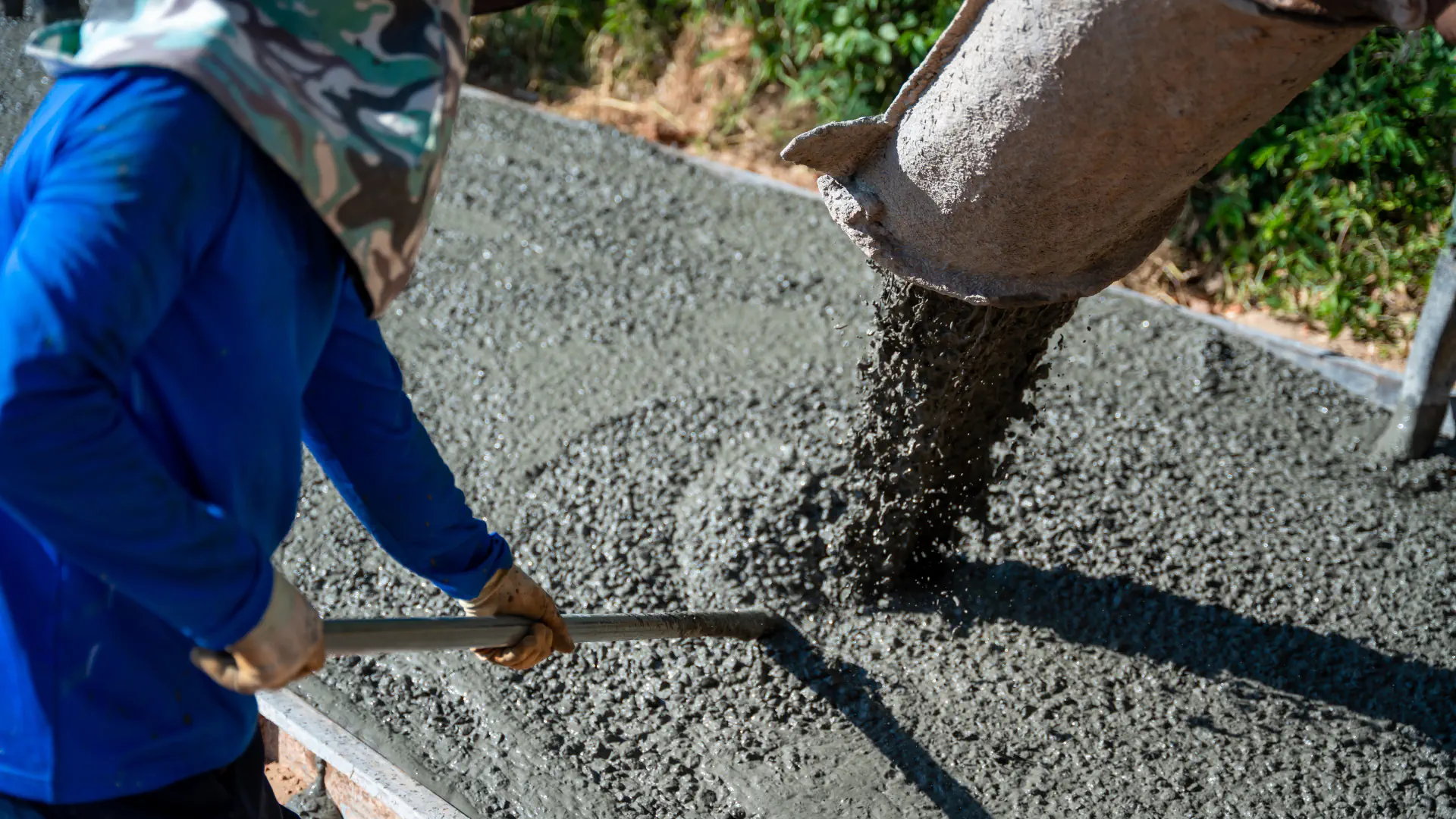
Concrete is typically priced as a complete package that includes site prep and grading, forms and framing, reinforcement (rebar or wire mesh), pouring and finishing, and curing and cleanup. The thicker and more reinforced the slab, the higher the cost, but also the longer the lifespan under real-world conditions.
How Much Does a 400 Sq Ft Concrete Slab Cost?
A 400 square foot slab, a common size for a backyard patio, small workshop base, or shed foundation, typically costs:
- $2,400 to $4,800 in Denver
The final number depends on several variables: thickness (4 inches versus 6 inches), reinforcement requirements, site accessibility, and finishing type. A standard broom finish costs less than decorative stamped or colored concrete, which adds both material and labor time.
This size is considered one of the more cost-efficient concrete projects, the mobilization and setup costs are spread across a surface area large enough to make the per-square-foot rate work in the homeowner’s favor.
How Much Does a 20×20 Concrete Slab Cost?
A 20×20 slab is 400 square feet, identical in area to the example above, and falls in the same range:
- $2,400 to $5,000+
When this slab is intended for vehicle parking or driveway use, professional concrete contractors in Denver typically recommend:
- 4–6 inch thickness depending on vehicle weight
- Reinforced steel mesh or rebar throughout the slab
- Proper gravel base compaction before any concrete is poured
Without adequate base preparation, even a well-poured slab can crack prematurely, especially in Colorado, where ground movement from freeze-thaw cycles exerts significant upward pressure. DMH Site Services addresses base preparation as a non-negotiable step, not a line item to cut when budgets get tight.
How Much Does a 6 Inch Concrete Slab Cost?
A 6-inch slab uses more material and is designed to carry heavier loads, which is reflected in the pricing:
- $8 to $14 per square foot
- For a 400 sq ft surface: $3,200 to $5,600+
This thickness is the standard choice for:
- Residential and commercial driveways
- Garages and carports
- Equipment pads and loading areas
- Applications where vehicle traffic is frequent or heavy
In Denver, the DMH Site Services team recommends 6-inch slabs for any surface expected to support vehicles long-term. Frost heave, the upward ground movement caused by freezing moisture, puts real structural stress on thinner slabs over time. Building in the right thickness from the start is far less expensive than repairing or replacing a slab that wasn’t spec’d correctly.
Is It Cheaper to Concrete or Asphalt a Driveway?
This is one of the most common decisions Denver homeowners face, and the right answer depends on your priorities and timeline.
Asphalt paving in Denver:
- $3–$7 per square foot
- Lower upfront installation cost
- Easier and less expensive to repair
- Typical lifespan of 15–25 years with proper maintenance
Concrete:
- $6–$12 per square foot
- Higher upfront cost
- More structurally stable and durable
- Typical lifespan of 25–40+ years
The short version: asphalt costs less to install. Concrete costs less over time if you plan to stay in the property long-term.
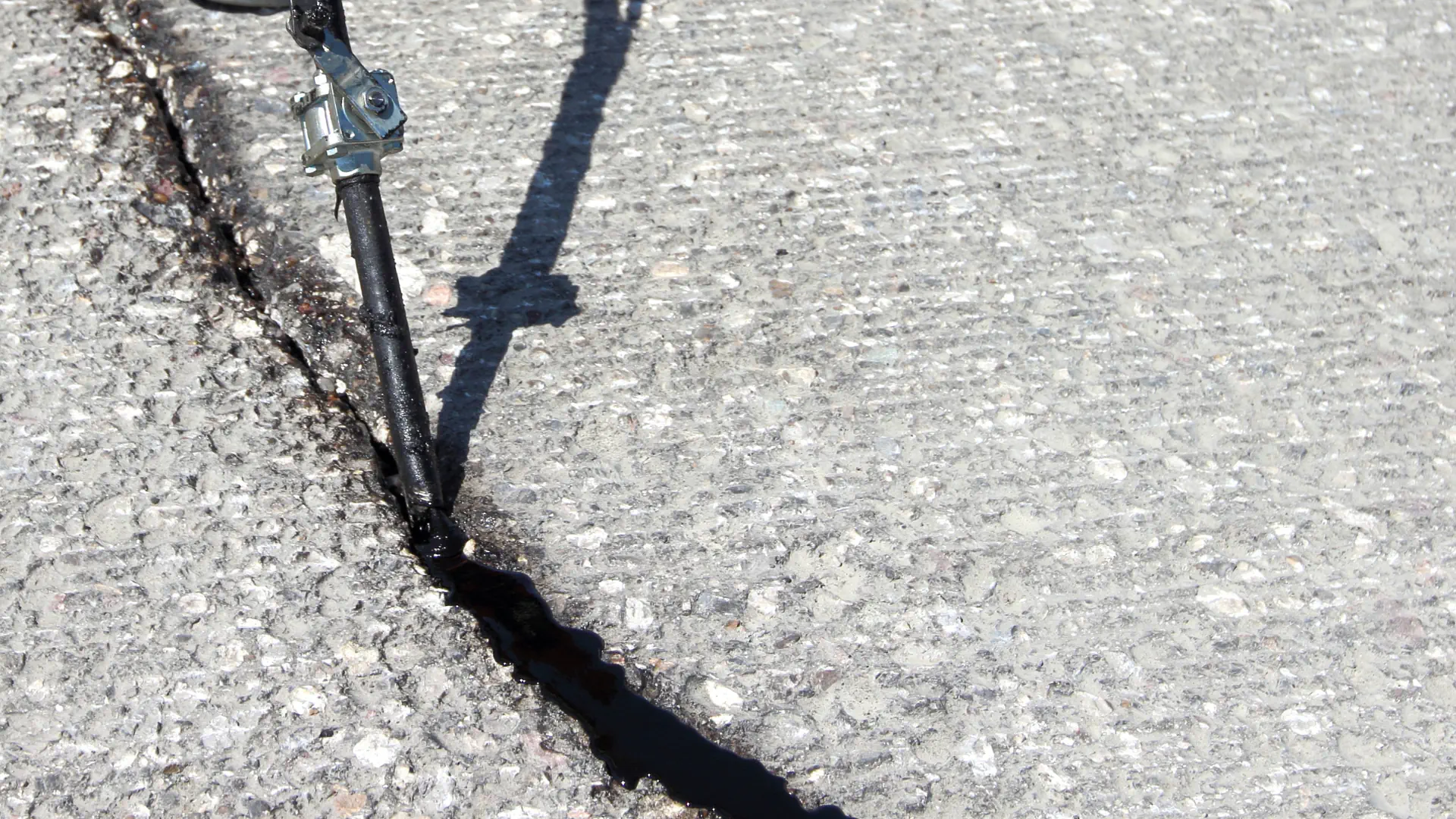
In Denver’s climate, concrete resists rutting and surface softening during summer heat better than asphalt, but it’s more vulnerable to surface cracking without proper joint placement and sealing. Asphalt, on the other hand, benefits significantly from consistent asphalt maintenance in Denver, CO, including sealcoating and crack filling, to reach its full lifespan potential.
Both materials perform well when installed correctly. Both underperform when they’re not. DMH Site Services handles both, which means property owners get an honest comparison based on their specific site, not a recommendation shaped by what’s easier to sell.
If You’re in Denver, Here’s the Smartest First Step
Concrete is one of the most durable building materials available for driveways, patios, and slabs, but its performance is directly tied to how well it’s installed. In Denver, where weather conditions stress surfaces through freeze-thaw cycles, summer heat, and UV exposure, cutting corners on base prep or slab thickness isn’t a savings, it’s a delayed cost.
DMH Site Services provides site-specific estimates for concrete projects across Denver, giving homeowners and property managers a clear picture of what their soil, slope, and design actually require before any work begins. Whether the project is a residential patio, a commercial equipment pad, or a full driveway replacement, the approach is the same: assess the site, spec the project correctly, and build it to last.
Reach out to DMH Site Services for a straightforward consultation. The right plan, developed before the first form is set, is what determines whether your concrete investment performs for decades, or starts showing problems within a few seasons.