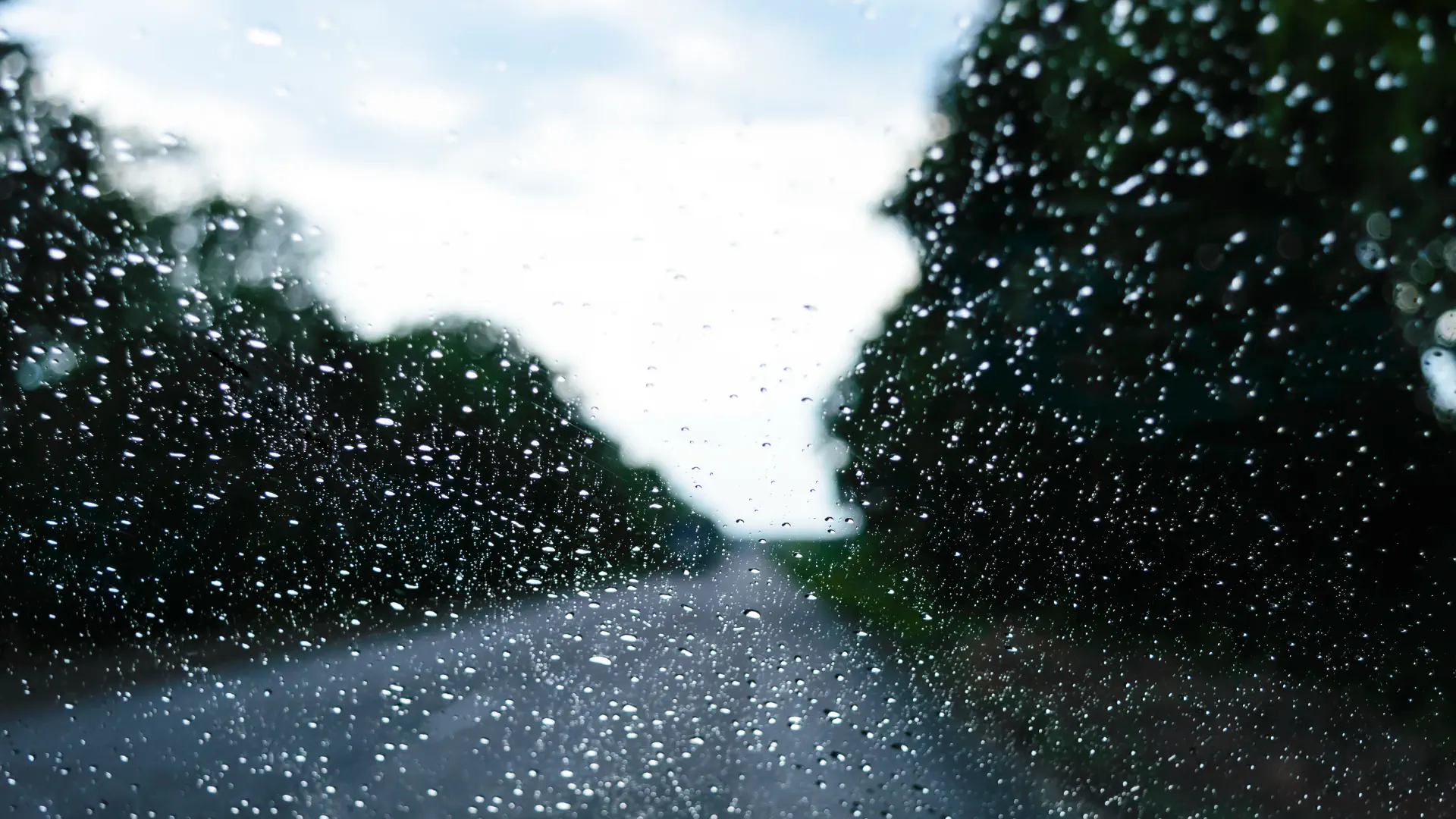
When you’ve just invested in a brand-new asphalt driveway or parking lot in Denver, seeing dark clouds roll in can be nerve-wracking. You might be asking yourself: “Will this rain ruin everything I just paid for?” The answer isn’t a simple yes or no, rain can affect asphalt, but the level of risk depends on timing, the mix used, and how recently it was laid.
New asphalt needs time to compact, cure, and harden. In Denver’s high-altitude, freeze-thaw-prone environment, that curing window is especially critical. Light rain shortly after paving usually won’t destroy the surface, but heavy, sustained rainfall in the first 12 to 24 hours can interfere with proper compaction, leaving the surface softer and far more prone to future ruts and cracks. Sealants applied too early before rainfall can also wash away, reducing protection against oxidation and UV damage.
The good news? Rain is primarily a concern during those first few hours after paving, not days later. Taking simple preventive steps, like covering small sections or delaying foot and vehicle traffic, can go a long way in protecting your investment. As a trusted Denver commercial asphalt company, DMH Site Services helps homeowners and property managers plan smart, weather-aware paving schedules from the start.
Denver’s Climate: Why It Matters for Asphalt
Denver’s weather doesn’t follow a script. Even in late spring or summer, afternoon thunderstorms can appear without much warning. Asphalt laid in the morning could face sudden, heavy rain by early afternoon, a reality that shapes how experienced asphalt companies in Denver approach every project.
Contractors in this region typically schedule paving work around dry windows of at least 24 hours to allow for optimal curing. Driveways and lots poured during wet or unpredictable weather often settle unevenly or develop minor cracking within the first year, not because of poor materials, but because moisture disrupted the initial bonding process.
Understanding this helps homeowners and commercial property owners set realistic expectations. It also underscores why partnering with a reputable Denver commercial asphalt company like DMH Site Services, one that monitors forecasts and plans accordingly, makes a measurable difference in the long-term performance of your pavement. Whether you need asphalt paving in Denver for a residential driveway or a full commercial lot, scheduling around the weather is a non-negotiable part of the process.
What Happens If New Asphalt Gets Rained On?
The impact of rain on fresh asphalt changes significantly depending on when the rain arrives:
Within the first 12 hours: Heavy rain can prevent proper compaction, creating soft spots throughout the surface. These weak zones often develop visible indentations once vehicles begin using the pavement regularly.
Between 12 and 24 hours after paving: Light showers are less destructive but can still reduce surface adhesion. Avoid driving or parking on wet areas until the asphalt has fully cured.
After 24 to 48 hours: Asphalt generally handles rain without significant issue at this stage. High-traffic zones may remain slightly soft, so caution is still advisable, especially for heavier vehicles.
Proper asphalt maintenance in Denver CO starts before the first crack ever appears. Being thoughtful about early exposure to rain is one of the simplest ways to extend the life of your pavement.
How Long Before Rain on a New Asphalt Driveway?
Denver contractors, including the team at DMH Site Services, follow these general guidelines for post-paving protection:
- 24 hours minimum before exposure to heavy rain
- 48 to 72 hours before driving standard passenger vehicles on the surface
- 7 days before allowing large trucks or heavy equipment, giving the subgrade and binder layers time to fully stabilize
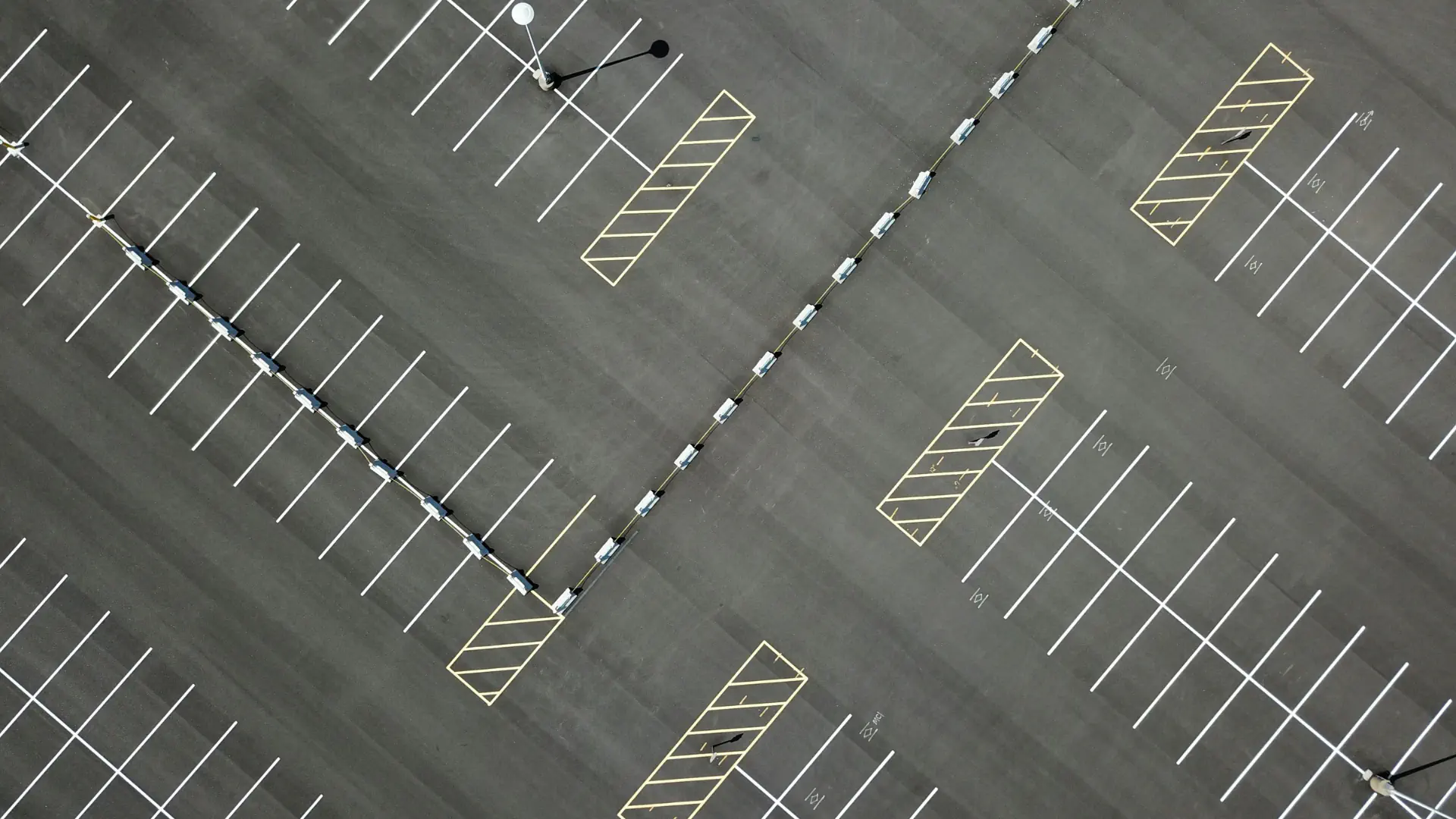
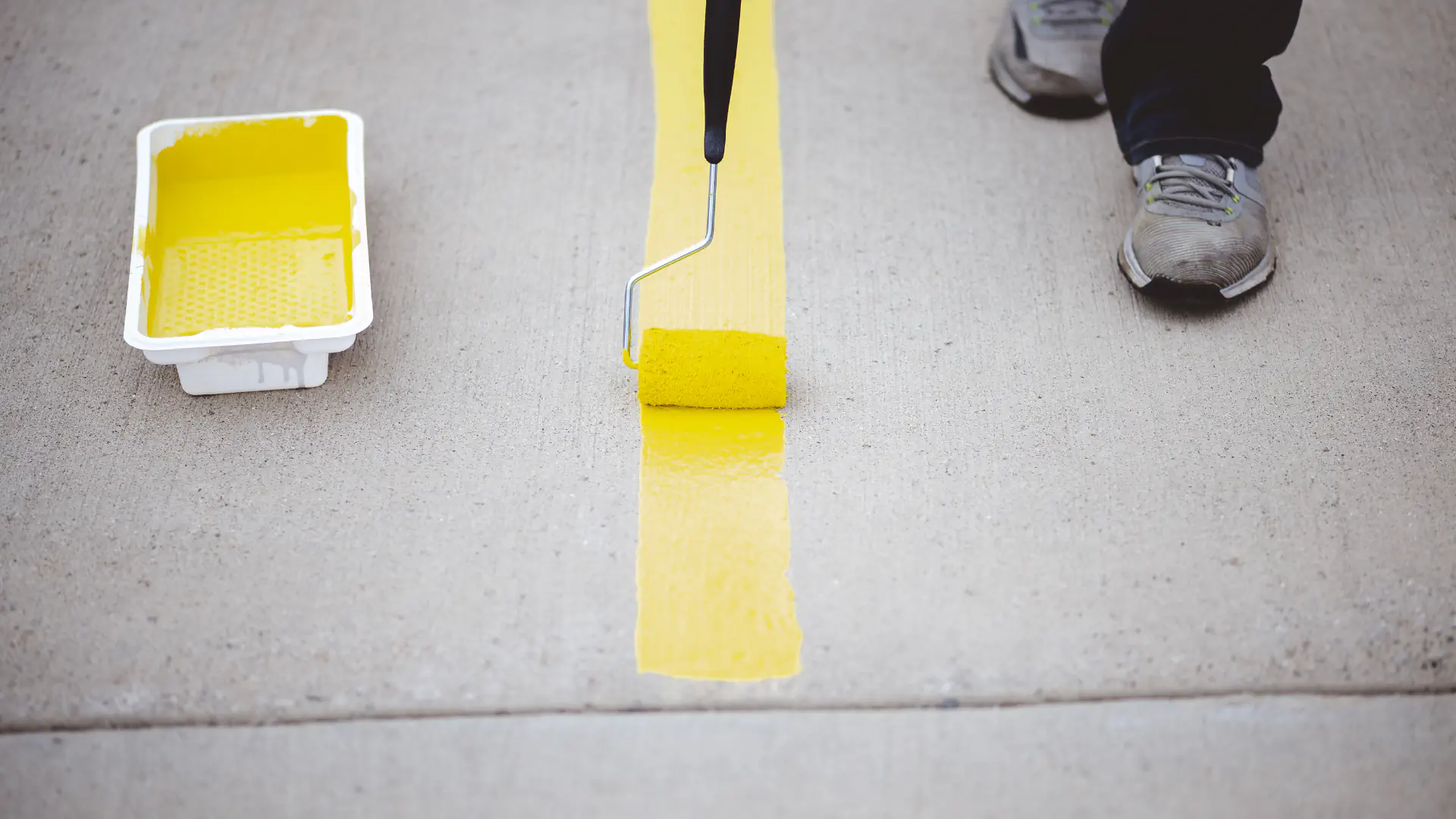
These timelines apply to both residential driveways and larger commercial projects like parking lot striping in Denver, where pavement integrity must be solid before line markings and final finishes are applied. Rushing any of these stages, especially in a climate as variable as Denver’s, risks undermining an otherwise well-executed job.
What Happens if It Rains 12 Hours After Sealing a Driveway?
Sealcoat creates a protective barrier that shields asphalt from UV oxidation, water infiltration, and surface wear. When rain arrives within 12 hours of application, it can wash away portions of the sealant, leaving streaks, thin spots, and uneven coverage across the surface.
If this happens, don’t panic. Experienced asphalt companies in Denver typically recommend allowing the surface to dry completely, usually 24 to 48 hours, before scheduling a reapplication. A full second coat ensures even, reliable protection across the entire driveway or commercial lot.
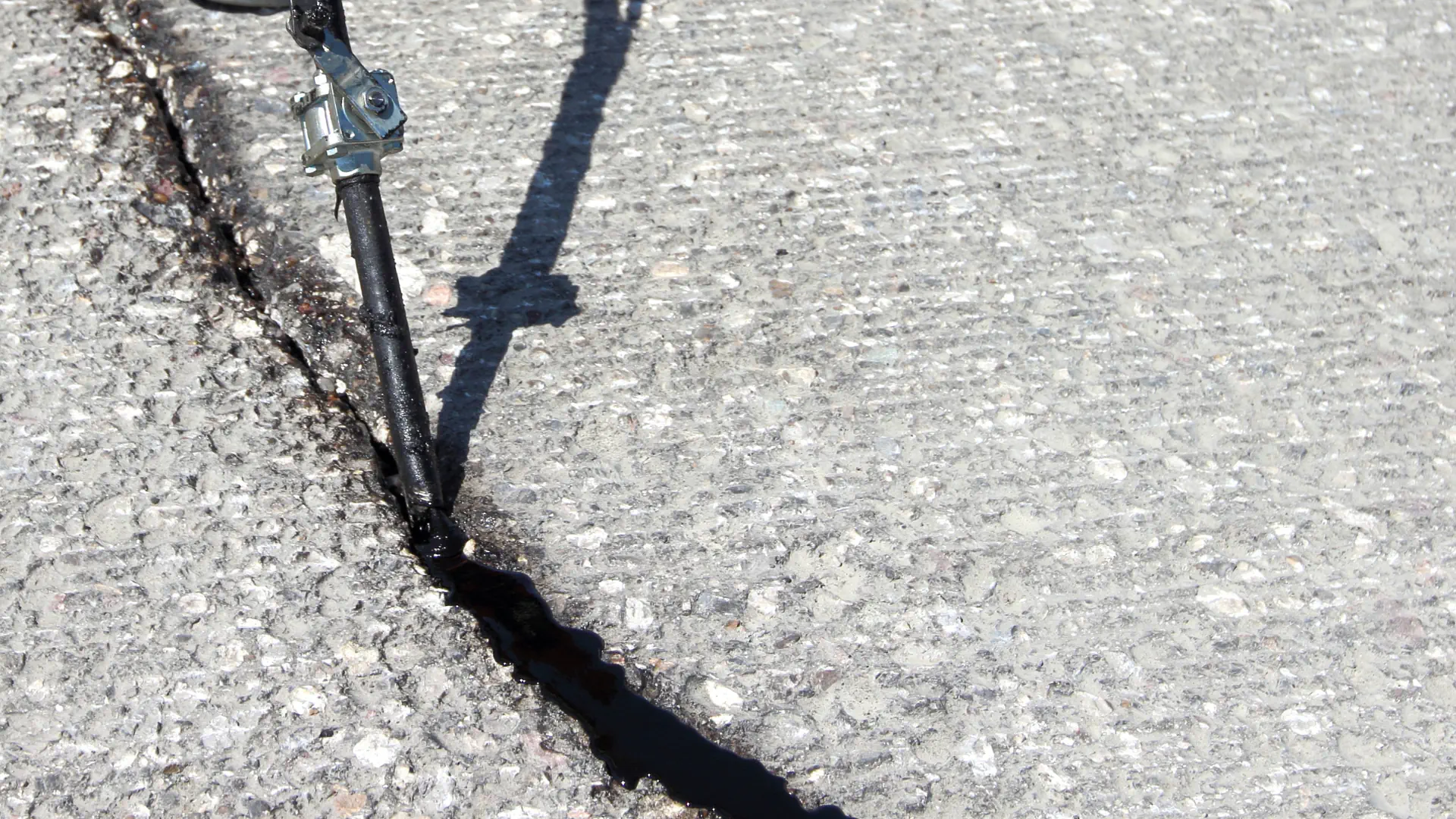
This kind of responsive service is part of what sets DMH Site Services apart as a go-to name for asphalt paving in Denver and ongoing pavement care. Whether it’s sealing, crack filling, or surface repairs, the goal is always a result that holds up through Denver’s demanding seasons.
How Long Does 2 Inches of Asphalt Last?
In Denver, a properly installed 2-inch asphalt layer typically lasts 15 to 20 years under standard residential use, provided it receives consistent upkeep. That means periodic crack filling, asphalt maintenance in Denver CO on a regular schedule, and sealcoating every one to two years to combat oxidation and surface degradation.
High-traffic commercial areas may require resurfacing sooner, particularly if the asphalt was exposed to heavy rain or snow during its early curing period. For larger properties, working with experienced concrete contractors in Denver and asphalt specialists ensures that both the pavement and surrounding hardscape systems are built to complement each other and drain properly.
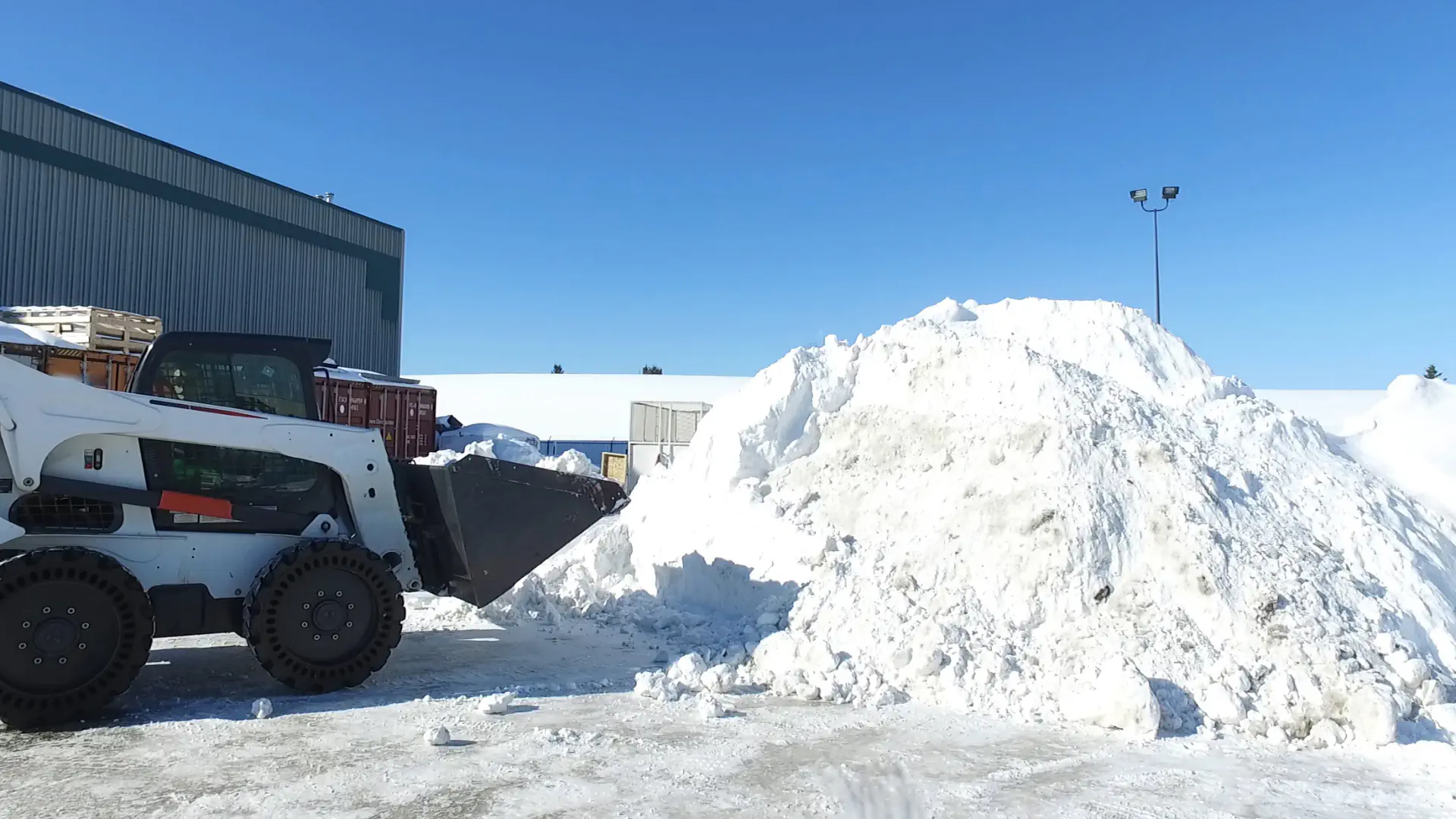
It’s also worth noting that Denver winters can be punishing. If your property requires commercial snow removal in Denver CO, the mechanical stress of plowing equipment on aging or poorly cured asphalt can accelerate wear. Keeping your surface in peak condition through proactive sealing and timely repairs reduces that risk considerably.
Protect Your Pavement Before the Storm Hits
Rain isn’t always avoidable, but damage from it usually is. With the right timing, proper materials, and a knowledgeable crew managing your project, new asphalt can cure properly, even in Denver’s unpredictable climate.
From residential driveways to full-scale parking lot striping in Denver, DMH Site Services brings the local expertise and weather-aware planning that every paving project deserves. As a full-service Denver commercial asphalt company, the team also handles commercial snow removal in Denver CO, works alongside concrete contractors in Denver on complex site projects, and provides ongoing asphalt maintenance in Denver CO to keep your surfaces performing year after year.
Ready to protect your investment from day one? Contact DMH Site Services today for a consultation and find out why Denver property owners trust us with their pavement, rain or shine.