Understanding the Lifespan of Asphalt in Denver
Asphalt is one of the most common paving materials in Denver, yet many property owners don’t know how long it’s actually supposed to last. Some driveways fail in under a decade, while others hold up for more than twenty years. The difference usually comes down to climate, traffic, and asphalt maintenance Denver property owners prioritize, not luck.
In a region like Denver, where intense sun and freeze-thaw cycles work against pavement year after year, understanding asphalt lifespan helps you plan smarter. Instead of reacting to cracks and potholes, you can make decisions that extend the life of your surface and control long-term costs.
At DMH Site Services, we help clients think of asphalt as a long-term asset, not a short-term fix. As one of the established asphalt companies Denver residents trust, we’ve seen firsthand how proactive care transforms pavement performance.
How Long Does Asphalt Really Last in Denver?
The average lifespan of asphalt in Denver is 15 to 25 years when it’s properly installed and regularly maintained. Residential driveways with light traffic often reach the upper end of that range, while commercial parking lots and high-traffic areas tend to fall closer to 15 years. Denver’s climate plays a major role in determining longevity.
High-elevation UV exposure dries out asphalt, making it brittle and prone to cracking. Meanwhile, repeated freeze-thaw cycles widen existing cracks and allow moisture to damage the base layer beneath the surface. This is why professional asphalt paving Denver contractors emphasize quality base preparation and ongoing asphalt maintenance Denver schedules, both directly impact how long your investment lasts.
Without maintenance, asphalt lifespan drops significantly. In many cases, unmaintained asphalt in Denver fails in 7 to 12 years. Small cracks allow water to seep into the pavement structure. When that moisture freezes overnight, it expands and weakens the base, leading to potholes and surface collapse. Once the base fails, patching no longer works, and full asphalt paving Denver replacement becomes necessary.
Asphalt rarely fails suddenly.. it deteriorates in stages. Routine crack sealing, sealcoating, and drainage management slow that process and keep replacement on your timeline rather than becoming an emergency expense. Working with a qualified Denver commercial asphalt company like DMH Site Services means getting honest assessments about where your pavement sits in its lifecycle and what interventions make financial sense.
For commercial properties, lifespan planning should also account for complementary services. Regular parking lot striping Denver codes require needs renewal every few years, and coordinating this with asphalt maintenance Denver inspections maximizes efficiency. Similarly, properties that experience heavy winter use benefit from coordinated commercial snow removal Denver CO operations that minimize pavement damage from plows and de-icing chemicals.
What Shortens Asphalt Life in Denver?
Local Insight
After winter, many Denver property owners are surprised by how much their asphalt has changed. What looked fine in fall shows spreading cracks and uneven areas by spring. In most cases, the damage started months earlier during dry summer conditions when UV exposure created microscopic surface cracks.
Properties that invest in seasonal asphalt maintenance Denver professionals recommend often avoid this cycle entirely. At DMH Site Services, we consistently see longer pavement life when maintenance happens before winter rather than after damage appears. This preventive approach also protects related investments, when you’ve already invested in fresh parking lot striping Denver standards require, protecting the underlying asphalt makes financial sense.
Smart property managers also coordinate pavement care with other site services. For instance, if you’re working with concrete contractors Denver properties depend on for sidewalk repairs, scheduling these projects together often reveals drainage issues affecting both surfaces. Similarly, properties requiring commercial snow removal Denver CO winters demand should choose service providers who understand how winter operations impact long-term pavement integrity.
Which lasts longer, asphalt or concrete?
Concrete generally lasts 30 to 40 years, which is longer than asphalt. However, concrete costs significantly more upfront, and repairs become expensive once cracks form. Asphalt costs less to install, repairs more easily, and handles ground movement better, critical advantages in Denver’s expansive clay soils.
When comparing these materials, experienced asphalt companies Denver contractors work with emphasize that lifespan alone doesn’t determine value. Budget, usage patterns, and maintenance expectations matter just as much. For many commercial applications, asphalt’s lower initial cost and easier maintenance make it the smarter long-term investment, especially when paired with professional asphalt maintenance Denver programs.
Many property owners choose a hybrid approach, using concrete contractors Denver specialists for high-visibility entryways and decorative elements while relying on cost-effective asphalt paving Denver experts for larger surface areas like parking lots and service drives. This strategy balances aesthetics, durability, and budget.
How much does a 20×20 asphalt driveway cost?
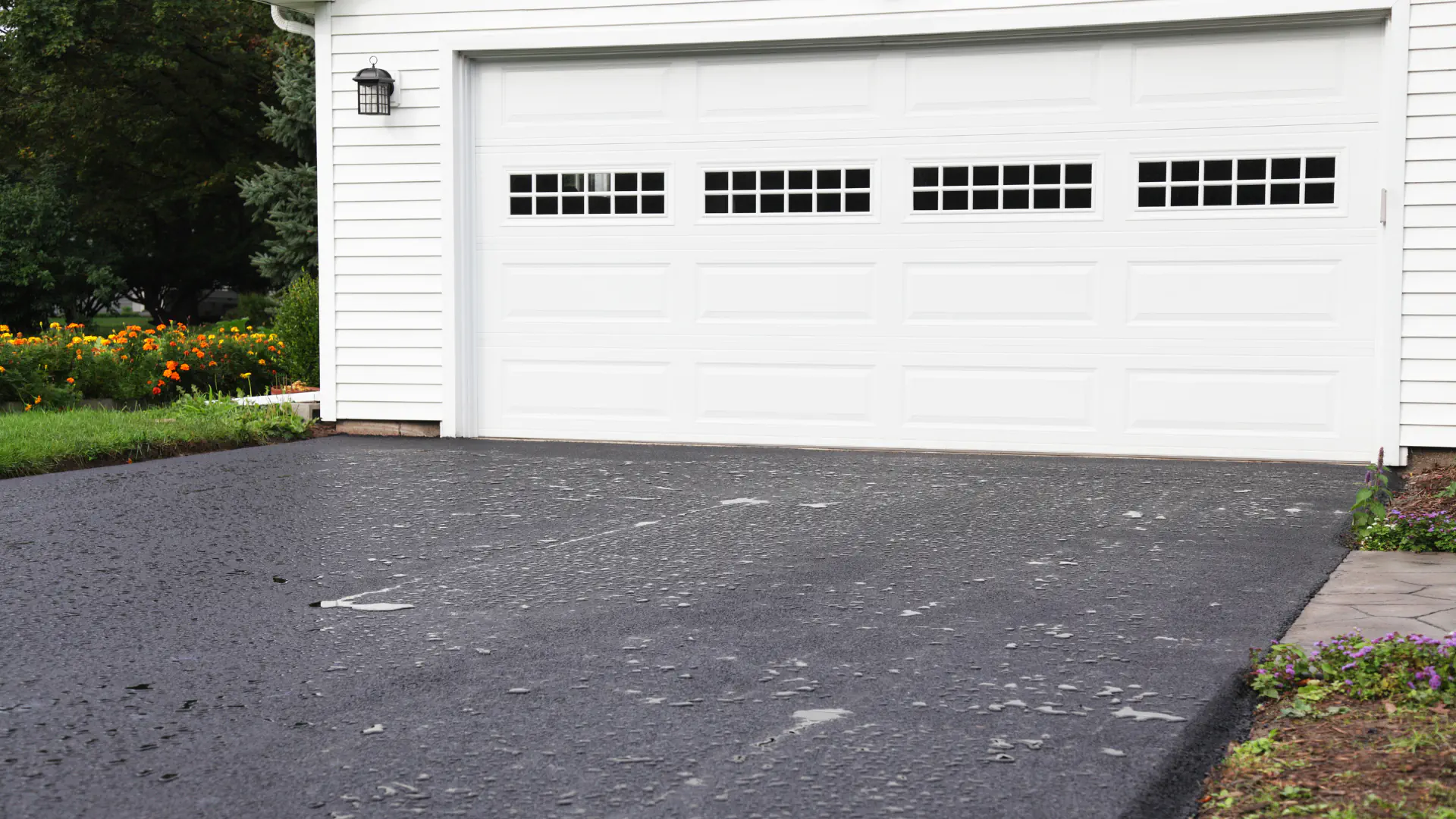
A 20×20 driveway equals 400 square feet. In Denver, asphalt driveways typically cost $7 to $15 per square foot, placing total costs between $3,000 and $6,000. Pricing depends on thickness, base preparation, site access, and drainage requirements.
Investing in proper base work at installation often adds 5-10 years to the driveway’s lifespan, making it one of the most valuable decisions you can make. As a trusted Denver commercial asphalt company serving both residential and commercial clients, DMH Site Services emphasizes foundation quality over surface appearance. A beautiful driveway on a weak base fails quickly, while a well-built foundation supports decades of service.
After installation, budget for ongoing asphalt maintenance Denver costs, typically a few hundred dollars every couple years for crack sealing and sealcoating. This preventive care protects your initial investment and delays the need for costly replacement.
How often should asphalt be replaced?
Asphalt is usually replaced every 15 to 25 years with proper maintenance. Without asphalt maintenance Denver property owners commit to, replacement may be needed in 10 years or less. Resurfacing or overlays can extend life if the base remains structurally sound. Full replacement becomes necessary once the base layer experiences structural failure.
Reputable asphalt companies Denver businesses trust will honestly assess whether your pavement needs maintenance, resurfacing, or full replacement. At DMH Site Services, we don’t recommend replacement unless it’s genuinely necessary. When the base is solid, a fresh overlay combined with updated parking lot striping Denver regulations require can deliver years of additional service at a fraction of replacement cost.
Timing replacement strategically also matters. For commercial properties, coordinating asphalt paving Denver projects with other site improvements, like upgraded lighting, new parking lot striping Denver layouts, or enhanced drainage, maximizes value and minimizes disruption to your operations.
What are the disadvantages of asphalt driveways?
Asphalt requires ongoing maintenance, this is its primary disadvantage. It fades under UV exposure, softens in extreme heat, and cracks when water penetrates the base. It also doesn’t last as long as concrete. These drawbacks are manageable with consistent care, but ignoring asphalt maintenance Denver climate demands shortens lifespan dramatically.
Other considerations include:
- Temperature sensitivity: Asphalt becomes pliable in Denver’s hot summer afternoons, making it vulnerable to impressions from heavy vehicles or trailer stands
- Aesthetic limitations: While asphalt paving Denver contractors can create clean, professional surfaces, asphalt offers fewer decorative options than stamped concrete
- Seasonal installation windows: Cold weather limits installation options, sometimes requiring property owners to wait until spring
- Chemical sensitivity: De-icing salts and petroleum products can degrade asphalt, requiring careful commercial snow removal Denver CO practices that minimize chemical damage
Despite these limitations, asphalt remains the preferred choice for many Denver properties because of its cost-effectiveness, repairability, and performance in Colorado’s variable climate. Working with experienced asphalt companies Denver property managers rely on, like DMH Site Services, helps you navigate these challenges and maximize pavement performance.
For properties with mixed paving needs, combining asphalt with concrete creates resilient, cost-effective solutions. Partnering with both skilled asphalt paving Denver specialists and qualified concrete contractors Denver sites trust ensures each material gets used where it performs best.
Make Informed Decisions About Your Pavement Investment
If you’re in Denver and unsure where your asphalt falls in its lifespan, DMH Site Services can help you assess its condition and plan ahead. A clear evaluation often saves money and prevents surprise repairs. Whether you need guidance on asphalt maintenance Denver scheduling, advice on replacement timing, or coordination of services like parking lot striping Denver compliance, we provide transparent assessments without sales pressure.
Our team understands how Denver’s unique climate affects pavement performance. We’ve helped hundreds of property owners extend asphalt life through strategic maintenance, and we’re ready to help you do the same.
Contact DMH Site Services today for a complimentary pavement evaluation. Let’s develop a plan that protects your investment and fits your budget.