At first glance, asphalt looks the same everywhere, black, smooth, and built to last. But if you’ve ever compared a residential driveway to a busy commercial parking lot, you’ll notice they age very differently. That’s not by accident. The distinction starts at installation and runs all the way through material composition, structural design, and long-term maintenance. At DMH Site Services, it’s one of the most common questions we field, and the answer matters more than most property owners expect.
What Most Denver Property Owners Need to Know?
Yes, residential and commercial asphalt are meaningfully different, primarily in thickness, composition, and structural capacity. Residential asphalt is designed for lighter loads like passenger vehicles and small SUVs. Commercial asphalt is engineered to handle heavy traffic, delivery trucks, and constant daily use without breaking down prematurely.
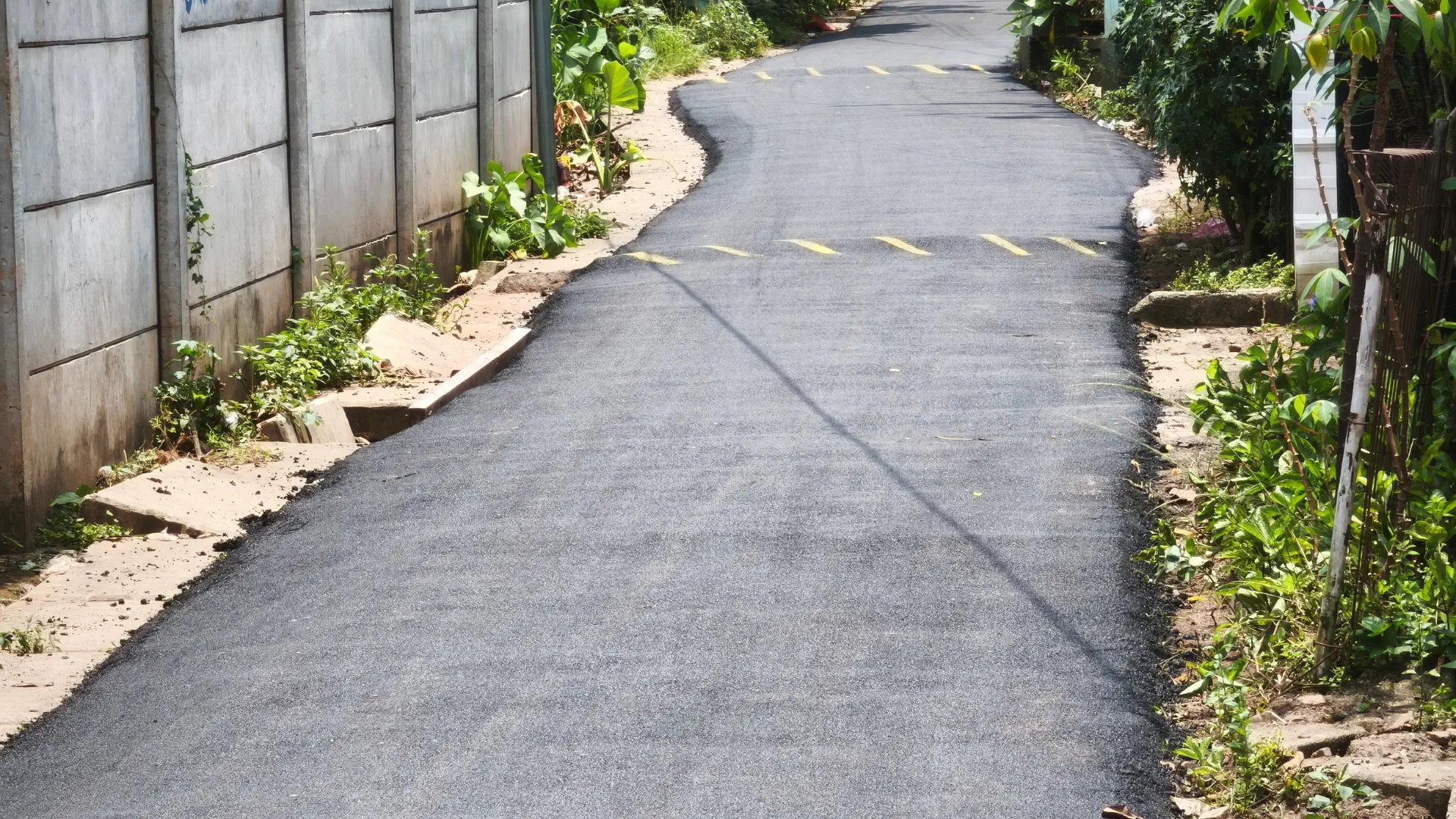
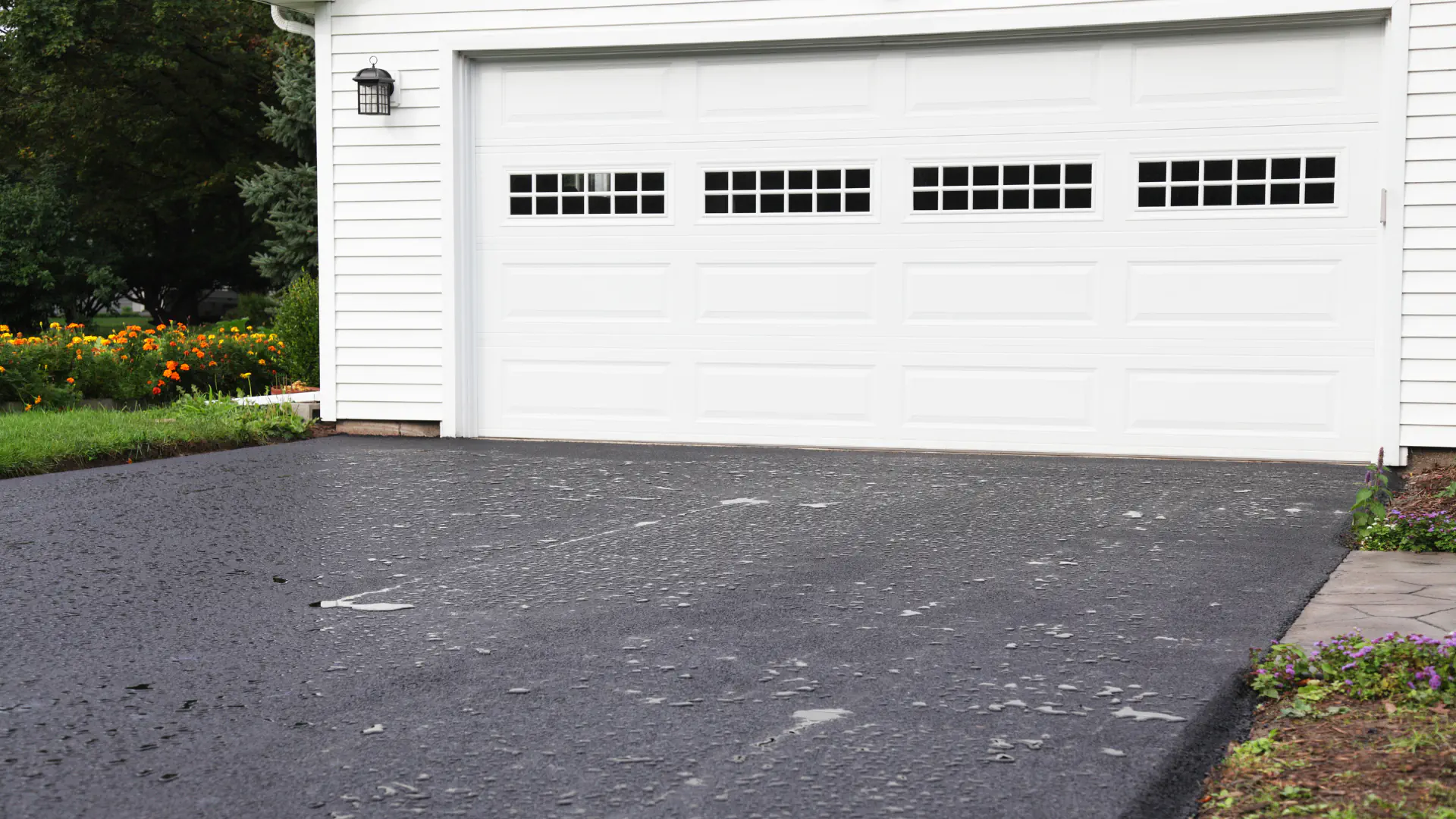
In practical terms, a residential driveway in Denver is typically installed at 2–3 inches thick, using a mix optimized for flexibility and cost-efficiency. Commercial asphalt, by contrast, is often 4–6 inches or more, built on a stronger aggregate base with a mix specifically designed to resist deformation under heavy loads.
Denver’s freeze-thaw cycles and high-altitude UV exposure compound the difference. Commercial asphalt tends to incorporate more durable binders and higher-quality aggregates, giving it better resistance to cracking, rutting, and oxidation over time. Sound asphalt maintenance in Denver, CO extends the life of both types, but the foundation has to be right from the start.
The bottom line: it’s not about one being universally superior, it’s about using the right type for the right application. Installing residential-grade asphalt in a commercial setting leads to premature failure. Using commercial-grade asphalt for a home driveway often means paying for strength you don’t need.
A Local Perspective: Why the Difference Matters in Denver
Think of it like footwear. You wouldn’t wear running shoes on a construction site, and you wouldn’t need steel-toe boots for a walk around the block. The right tool for the right environment is what determines performance.
In Denver, DMH Site Services has worked with homeowners who assumed that upgrading to commercial-grade asphalt would make their driveway last indefinitely. While commercial asphalt is structurally stronger, that added cost doesn’t always translate into proportional value for residential use. What matters more, especially with Colorado’s climate putting constant stress on the surface, is proper installation, correct thickness for the application, and consistent upkeep.
Whether you’re managing a single-family driveway or working with a Denver commercial asphalt company for a large parking facility, the principle is the same: match the material to the load it has to carry.
Is Commercial Grade Asphalt Better?
“Better” is the wrong question. The right question is: better for what?
For heavy-duty applications, yes, commercial asphalt handles delivery trucks, high-volume traffic, and constant wear far more effectively than residential mixes. For a typical home driveway, residential asphalt performs well when it’s properly installed and maintained. Overbuilding, applying commercial specs to residential projects, often adds significant cost without meaningful lifespan benefits.
The asphalt companies in Denver worth trusting will tell you this upfront. At DMH Site Services, we don’t recommend more than what your property actually needs. That approach saves clients money and builds long-term relationships based on honest guidance.
What Are the Three Types of Asphalt?
Most asphalt falls into three primary categories, each suited to different conditions and applications:
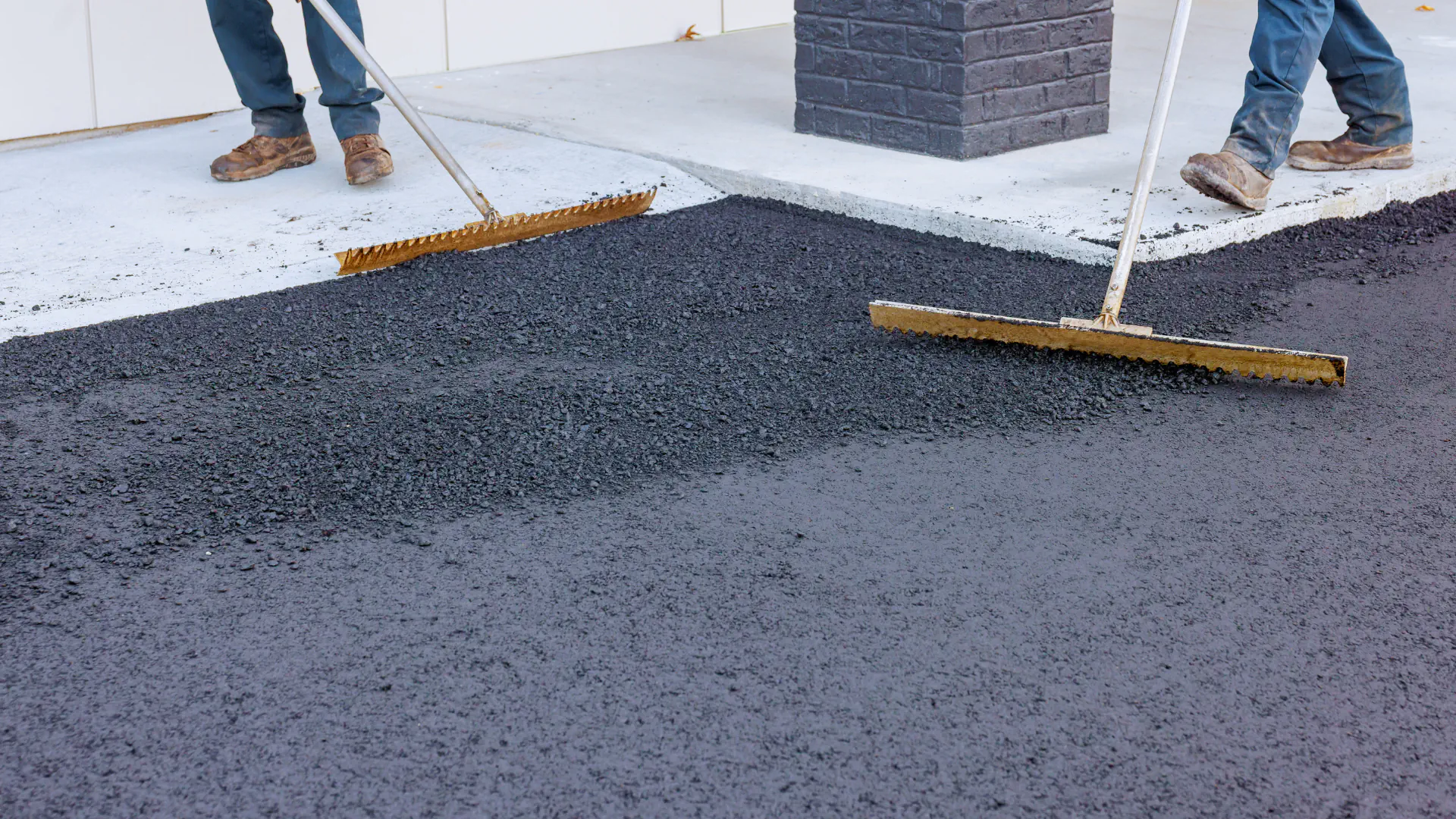
Hot Mix Asphalt (HMA) The most widely used type across both residential and commercial projects. Produced and applied at high temperatures, HMA is durable, weather-resistant, and the standard choice for asphalt paving in Denver where performance across seasons matters most.
Warm Mix Asphalt (WMA) Produced at lower temperatures than HMA, making it more environmentally friendly and easier to work with in cooler conditions. An increasingly practical option for Denver projects where temperature windows can be tight.
Cold Mix Asphalt Primarily used for temporary repairs and patch work. Not suitable for full driveways or commercial parking lots, but useful as a short-term fix until permanent resurfacing can be scheduled.
For the majority of projects, residential or commercial, hot mix asphalt is the primary material. The differences lie in mix design, aggregate quality, and application thickness, not the category of asphalt itself.
Are Parking Lots Paved with Asphalt?
Yes, the majority of commercial parking lots are paved with asphalt, and Denver is no exception. The reasons are practical and well-established:
- More cost-effective than concrete for large surface areas
- Faster installation and curing, minimizing business disruption
- Easier and less expensive to repair and maintain over time
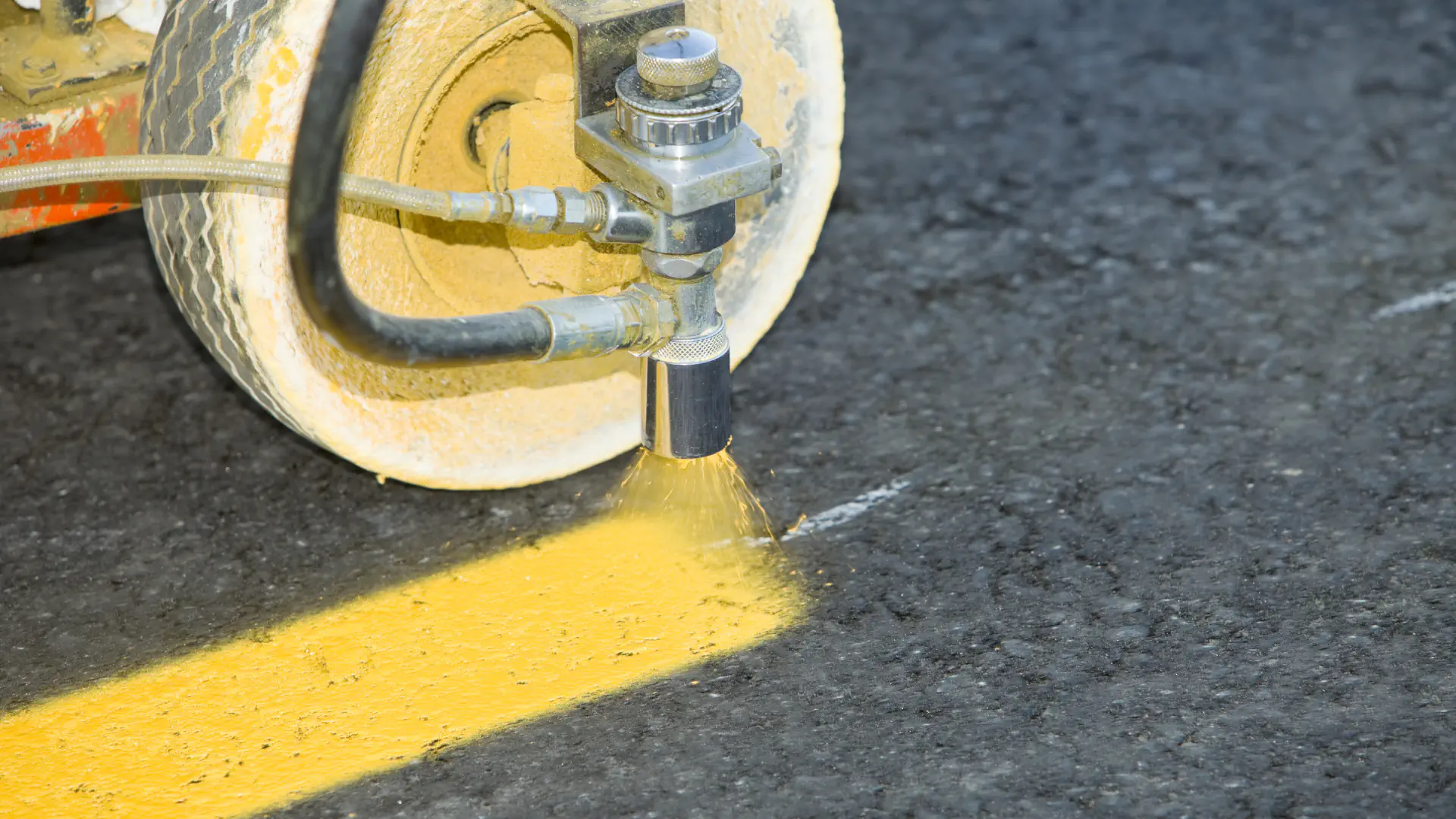
That said, commercial parking lots require significantly more engineering than a residential driveway. Thicker asphalt layers, stronger base preparation, proper drainage planning, and parking lot striping in Denver for safety and compliance are all part of a complete commercial installation, not optional add-ons.
This is precisely why commercial parking surfaces fall under commercial-grade asphalt systems. A residential approach applied to a commercial lot will fail under load and weather stress far sooner than the investment warrants.
How Much Would a 20×20 Asphalt Driveway Cost?
For a standard 20×20 driveway (400 sq ft) in Denver, residential asphalt installation typically runs:
- $2,500 to $6,000+, depending on grading requirements, base preparation, and site accessibility
Choosing commercial-grade asphalt for the same footprint increases costs considerably due to additional material thickness, heavier base layers, and more labor-intensive installation. For most homeowners, residential-grade asphalt provides the best balance of cost and performance, assuming the installation is done correctly from the start.
For commercial properties investing in asphalt paving in Denver at scale, full parking lots, access roads, or loading zones, the per-square-foot cost shifts, and the structural requirements are entirely different. DMH Site Services scopes both types of projects and provides transparent estimates based on actual site conditions, not rough ballpark figures.
If You’re in Denver, Here’s How to Make the Right Call
Choosing between residential and commercial asphalt in Denver isn’t just a material question, it’s a long-term investment decision. Use the wrong grade and you’ll be back to repair it sooner than expected. Use more than you need and you’ve overspent on performance that your property will never demand.
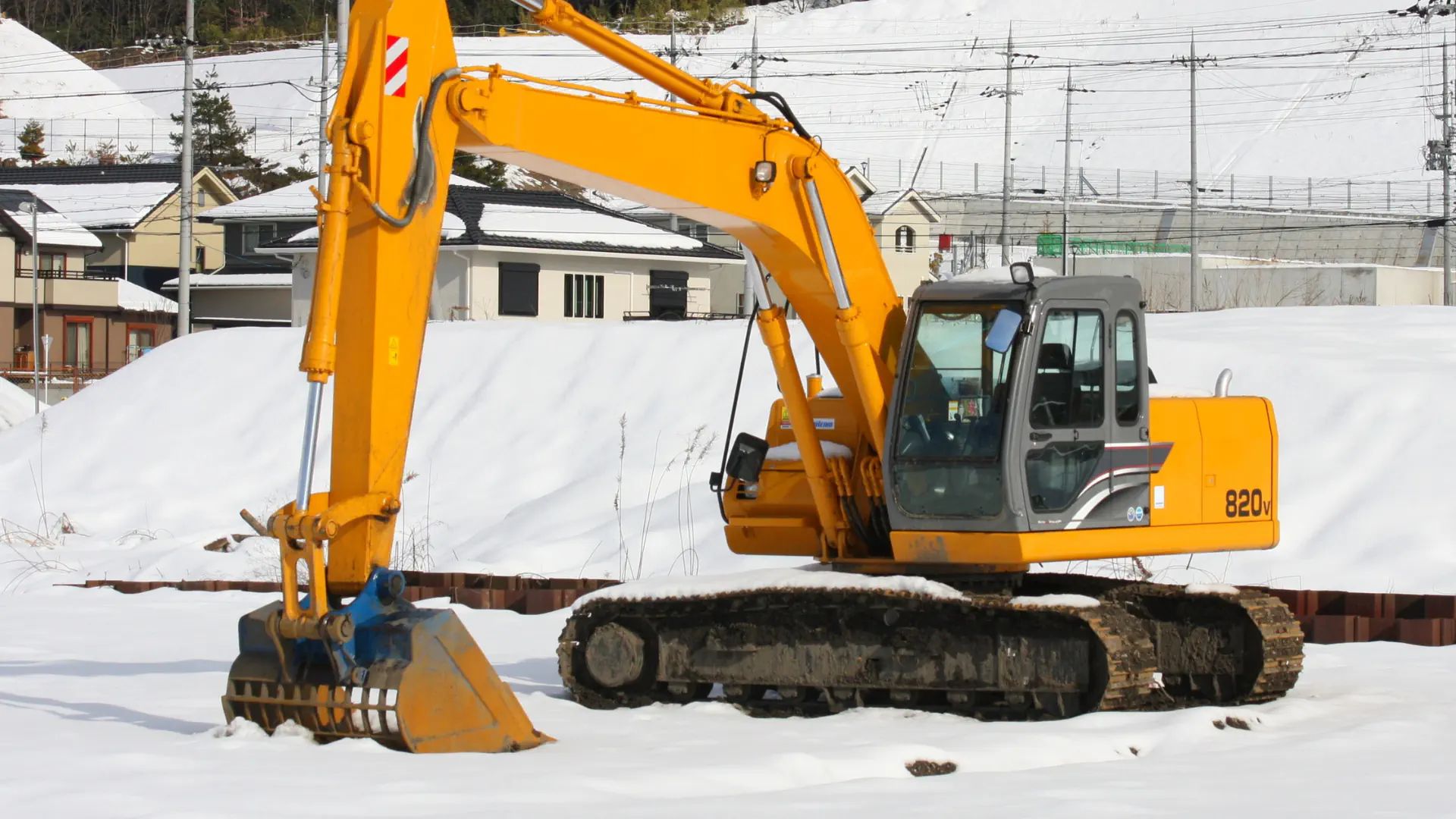
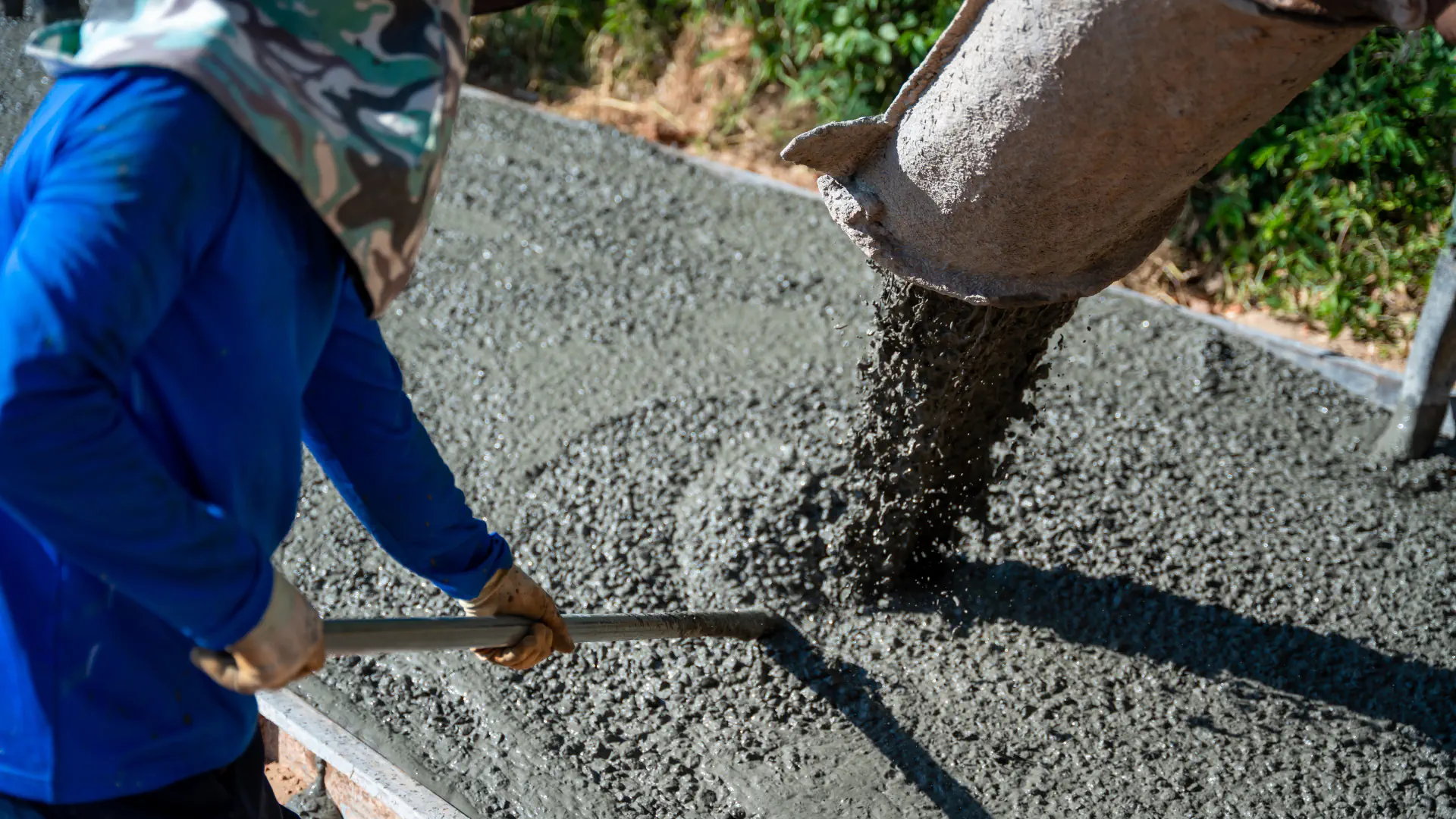
DMH Site Services works with both homeowners and commercial property managers across Denver to match the right asphalt solution to the right application. From asphalt paving in Denver and surface repairs to parking lot striping, commercial snow removal in Denver, CO, and coordination with concrete contractors in Denver, the full scope of property maintenance is handled under one roof.
A quick site assessment can clarify the right thickness, mix, and maintenance plan for your property, so you’re neither overpaying nor underbuilding. Reach out to DMH Site Services for a straightforward, no-pressure evaluation.
With asphalt, the goal isn’t just to build. It’s to build for the conditions the surface has to survive, and keep performing long after the first winter tests it.