If you’ve lived through a few Colorado winters, you already know, your driveway takes a beating. The real question isn’t if it will wear down, but when you should step in before small cracks turn into costly repairs. At DMH Site Services, we’ve seen what happens when homeowners wait too long, and what consistent care can prevent.
What Most Denver Homeowners Need to Know
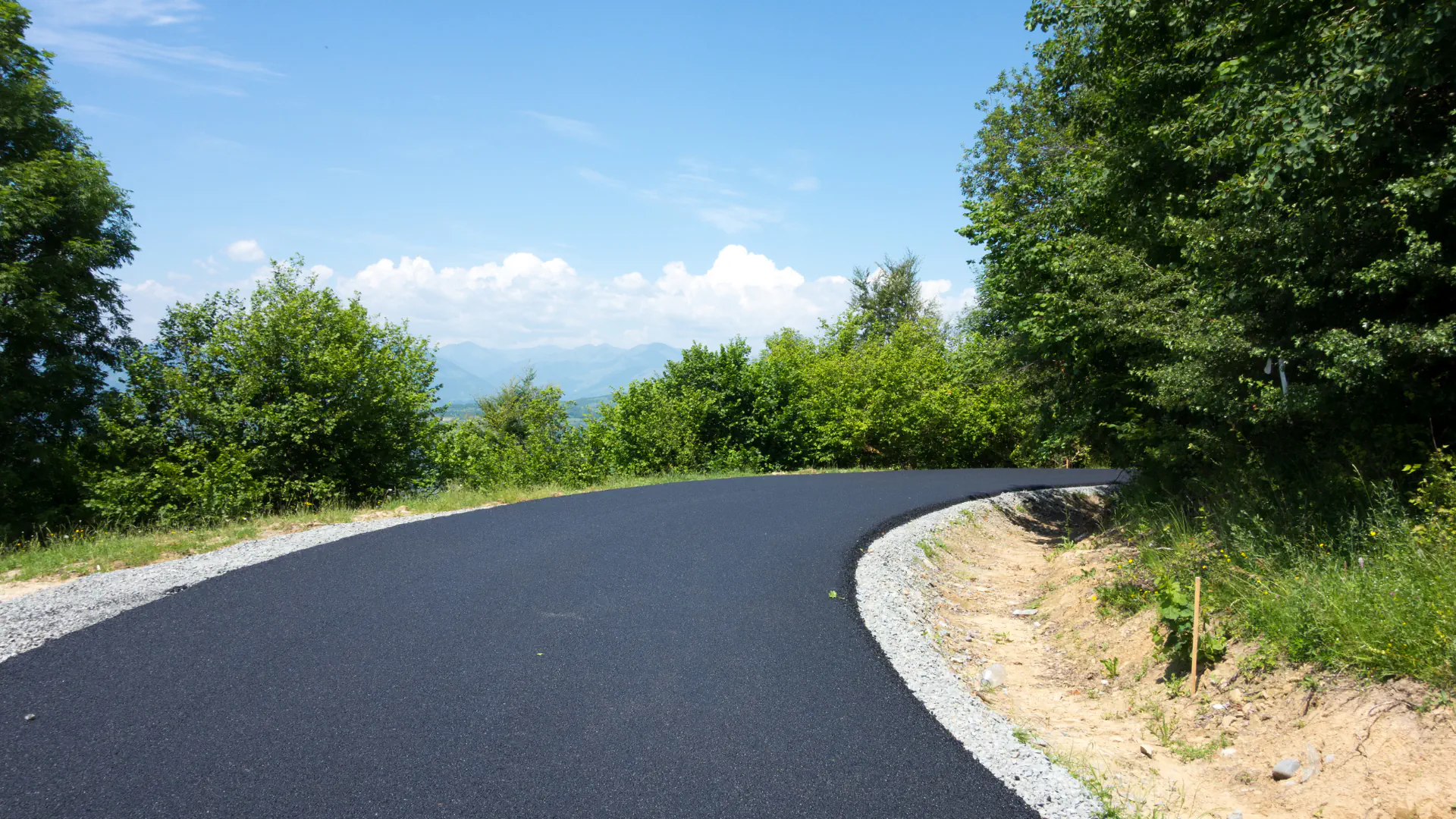
In Denver, an asphalt driveway typically needs resurfacing every 8 to 10 years, but only if it’s properly maintained. Without regular sealcoating and crack filling, that timeline can shrink to as little as 5–7 years. On the other hand, a well-maintained driveway that’s sealed every one to two years and inspected regularly can stretch closer to 12–15 years before resurfacing becomes necessary.
Why the variation? It comes down to Denver’s unique climate. The freeze-thaw cycle allows moisture to seep into tiny cracks, freeze overnight, and expand, gradually weakening the asphalt from within. Add in high-altitude UV exposure that dries and oxidizes the surface, and your driveway ages faster here than it would in milder regions. Sound asphalt maintenance in Denver, CO isn’t optional, it’s what separates a driveway that lasts from one that crumbles ahead of schedule.
The key takeaway: resurfacing isn’t on a fixed schedule. It depends on condition, maintenance history, and environmental stress. If you’re seeing widespread cracks, fading, or minor potholes, resurfacing is usually the most cost-effective step before full replacement becomes unavoidable.
A Local Perspective: Why Denver Driveways Age Faster
Think of your driveway like a roof. In places with stable weather, it lasts predictably. In Denver, it’s constantly expanding, contracting, and drying out, and the damage adds up faster than most homeowners expect.
The team at DMH Site Services has worked with homeowners across the Front Range who skipped sealcoating for just a couple of seasons, only to find their driveway brittle and cracking after a single harsh winter. Meanwhile, others who stayed consistent with maintenance were able to delay resurfacing by several years.
Whether it’s a residential driveway or a commercial lot that needs parking lot striping in Denver refreshed after a rough season, the principle is the same: timing your upkeep around the climate is what protects your investment. It’s not about over-maintaining, it’s about doing the right thing at the right time.
How Often Should I Redo an Asphalt Driveway?
“Redo” can mean different things depending on your driveway’s condition, either resurfacing or full replacement.
- Resurfacing: Every 8–10 years (when the base is still structurally sound)
- Full replacement: Every 15–25 years (depending on structural condition and base integrity)
If your driveway has deep cracks, drainage issues, or base failure, resurfacing alone won’t solve the problem. But if the foundation is still intact, resurfacing can restore both appearance and function at a fraction of replacement cost. DMH Site Services evaluates both options honestly, so you only pay for what your driveway actually needs.
For businesses weighing larger-scale work, partnering with a trusted Denver commercial asphalt company ensures the assessment is thorough and the recommendation is grounded in real-world experience, not upselling.
What Is the Average Cost to Resurface a Driveway?
In Denver, resurfacing typically costs:
- $3 to $7 per square foot
- For a standard 20×20 driveway (400 sq ft): approximately $1,200 to $2,800 total
Costs vary based on the current condition of the surface, the amount of prep work required, and the accessibility or slope of the driveway. Compared to full replacement, resurfacing can save up to 50% or more, making it a practical middle-ground solution for driveways with a solid base.
When you factor in asphalt paving in Denver at replacement scale, that savings gap becomes even more significant. DMH Site Services helps homeowners and property managers understand exactly where they stand before committing to either option.
How Much Would a 20×20 Asphalt Driveway Cost?
If you’re starting from scratch or considering full replacement:
- New asphalt driveway (20×20): $2,500 to $6,000+ in Denver
This includes grading, base preparation, and installation. While it’s a larger upfront investment, full replacement is sometimes the right call when structural damage has compromised the existing surface beyond repair.
For property owners managing larger commercial surfaces, the scope, and the stakes, are higher. That’s where working with experienced asphalt companies in Denver makes a measurable difference in both quality and long-term durability.
How Much Does It Cost to Have an Asphalt Driveway Resealed?
Sealcoating is your first line of defense, and it’s the most affordable step in any asphalt maintenance plan in Denver, CO:
- $0.15 to $0.30 per square foot
- Around $60 to $120 for a 20×20 driveway
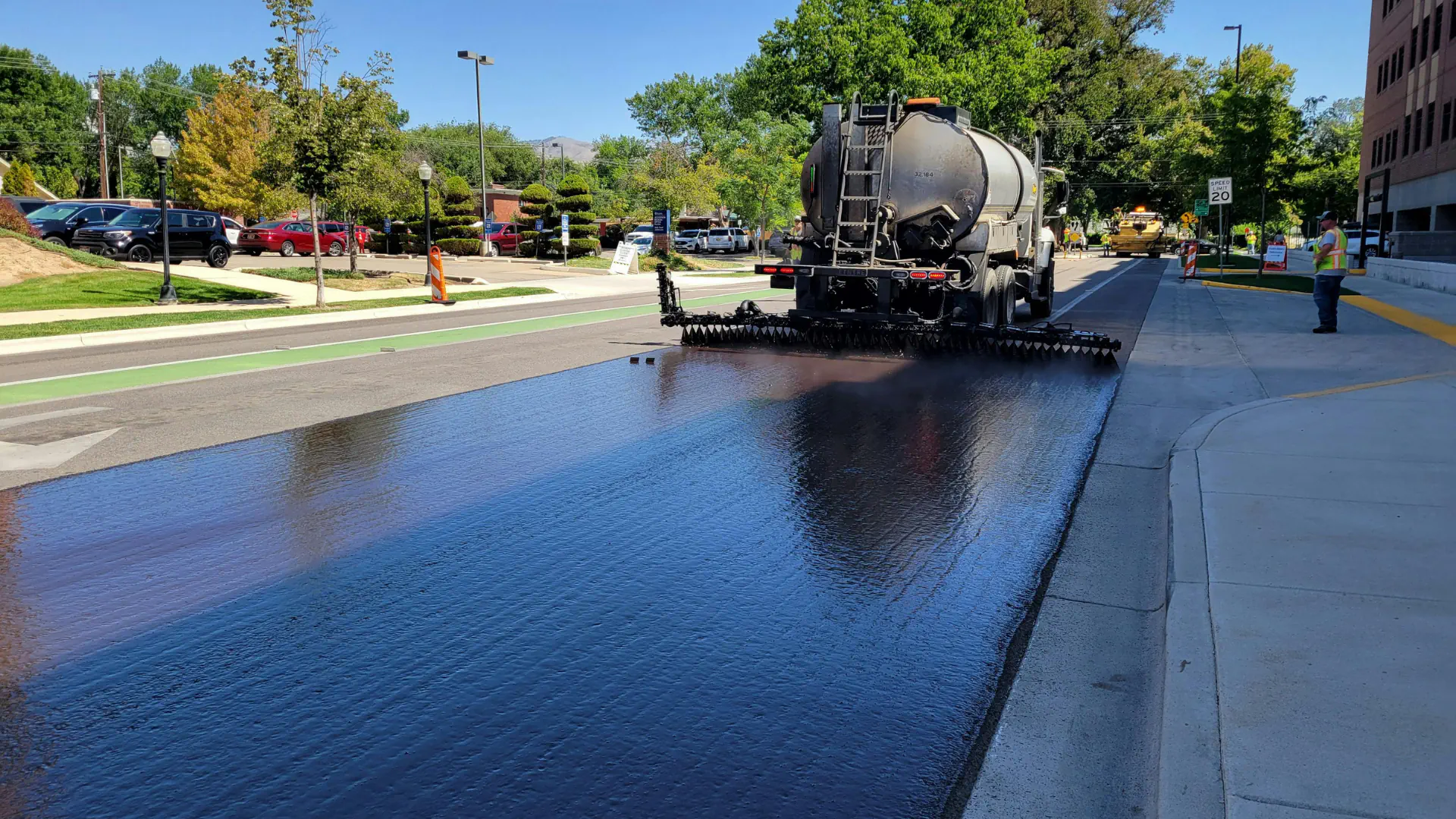
In Denver’s climate, resealing every one to two years is strongly recommended. It protects against UV damage, prevents water from penetrating the surface, and extends the life of your asphalt significantly. DMH Site Services offers sealcoating as part of a broader maintenance approach, keeping small problems from becoming expensive ones.
If You’re in Denver, Here’s How to Stay Ahead
Staying proactive with asphalt maintenance in Denver, CO isn’t just about curb appeal, it’s about avoiding bigger, more expensive repairs down the line. Whether you’re a homeowner watching a few cracks appear or a property manager responsible for a full commercial lot, the approach is the same: catch it early, maintain consistently, and work with a team that knows Denver’s climate.
DMH Site Services provides honest assessments, quality workmanship, and a full range of services, from residential resurfacing and sealcoating to asphalt paving in Denver, commercial snow removal in Denver, CO, parking lot striping, and support from skilled concrete contractors in Denver.
A quick inspection today can tell you whether you need simple sealing, targeted repairs, or a full resurfacing plan. Reach out to DMH Site Services for a no-pressure evaluation tailored to your property’s condition and Colorado’s demands.
Sometimes, it’s not about doing more, it’s about doing the right thing at the right time.