If you’re planning a long driveway, you’ve probably realized quickly, cost isn’t just about length. It’s about width, site preparation, and how well the driveway is built to survive Denver’s climate. At DMH Site Services, long driveways are some of the most involved residential projects we take on, and the difference between a driveway that lasts and one that doesn’t almost always comes down to what happens before the asphalt is even poured.
What Most Denver Homeowners Need to Know?
A 200-foot asphalt driveway in Denver, Colorado typically costs between $6,000 and $18,000+, depending on width and site conditions. Most residential driveways run about 10–12 feet wide, which puts the total surface area around 2,000–2,400 square feet.
With asphalt paving in Denver averaging $3 to $7 per square foot, your final cost is shaped by several key variables: grading, excavation, base preparation, drainage planning, and site accessibility. If your property requires significant leveling or has poor soil conditions, common in parts of the Front Range, costs can rise quickly and for good reason.
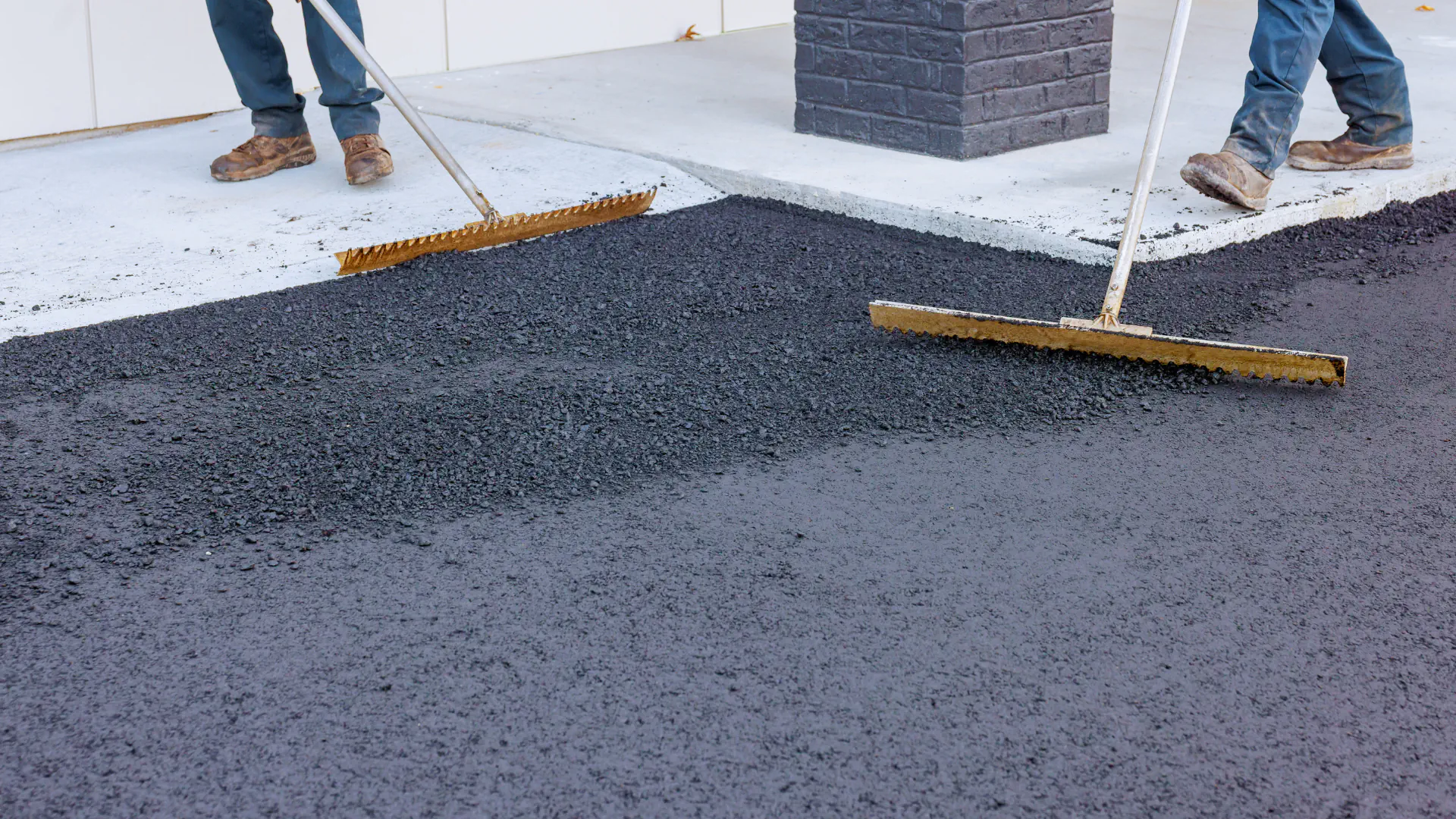
Denver’s freeze-thaw cycles make proper base installation non-negotiable. A lower quote that cuts corners on this step may look attractive upfront, but it typically leads to cracking, sinking, and expensive repairs within just a few seasons. The asphalt companies in Denver worth hiring will always prioritize the base, because that’s where driveway longevity is actually built.
The key takeaway: for long driveways, the foundation matters just as much as the asphalt surface itself. Investing in proper installation saves money over time.
A Local Perspective: Why Long Driveways Cost More Than Expected
A 200-foot driveway isn’t just “twice as long”, it’s often significantly more complex to build.
DMH Site Services has worked on properties around Denver where long, sloped driveways required additional grading, drainage channels, and thicker base layers just to prevent water damage and erosion over time. In those cases, installation costs increased, not because of the asphalt material alone, but because of the groundwork required to make the surface perform in Colorado’s conditions.
This is a distinction that separates experienced asphalt companies in Denver from low-bid contractors who skip the site evaluation. The surface you see is only as good as the preparation underneath it.
How Much Would a 300 ft Asphalt Driveway Cost?
For a 300-foot driveway at similar width and site conditions, costs typically fall in the range of:
- $9,000 to $27,000+
The same cost drivers apply, site preparation, slope management, drainage solutions, and base quality. Longer driveways amplify every one of these factors. A small complication that adds $500 to a short driveway can add several thousand dollars to a 300-foot project. Getting a detailed, itemized quote from a qualified team before committing is essential.
What Is the Cost of a 1500 Square Ft Asphalt Driveway?
For homeowners who prefer to think in total surface area rather than linear footage, which is actually how contractors price work, a 1,500 square foot driveway in Denver typically runs:
- $4,500 to $10,500
This framing is often more useful because driveway shape varies. An L-shaped or curved driveway at 1,500 sq ft may have a very different linear measurement than a straight one, but the material and labor costs are based on the total area being paved. DMH Site Services provides estimates this way to give homeowners a clearer, more accurate picture from the start.
Should I Build a 2 or 3 Inch Asphalt Driveway?
For most residential driveways in Denver, the recommended thickness depends on intended use:
- 2 inches: Suitable for light use, passenger vehicles only, minimal traffic
- 3 inches: Recommended for better long-term durability and resistance to Denver’s freeze-thaw stress
Given Colorado’s climate, most experienced contractors, including the team at DMH Site Services, recommend erring toward 3 inches for residential driveways. The added thickness provides meaningful protection against the ground movement and moisture cycles that accelerate surface deterioration in this region.
If you expect heavier vehicles, RVs, work trucks, or frequent deliveries, going thicker or reinforcing the aggregate base is a smart move that pays off over the life of the driveway.
What’s the Best Time of Year to Pave a Driveway?
Timing matters more than most homeowners expect, and Denver’s climate creates a defined paving window.
The ideal period for asphalt paving in Denver is late spring through early fall, roughly May through September. During this window:
- Temperatures consistently stay between 50°F and 90°F, which allows asphalt to cure and compact properly
- The risk of moisture interference or sudden temperature drops is minimal
- Crews can work efficiently without weather-related delays
Paving outside this window, particularly in late fall or winter, risks poor compaction and reduced adhesion, which directly shortens the driveway’s lifespan. DMH Site Services schedules projects to align with Denver’s optimal paving conditions, and we’re transparent with homeowners when timing could affect the final result.
If You’re in Denver, Here’s How to Plan Smart
Building a long asphalt driveway in Denver is less about the surface material and more about what’s underneath it, and who’s installing it. The right base, the right thickness, and the right timing all determine whether your driveway holds up through five Colorado winters or starts showing problems after one.
DMH Site Services provides detailed, transparent site evaluations before any project begins. We assess grading, drainage, soil conditions, and thickness requirements, so you go into the project with a clear plan and no surprises after installation.
Reach out to DMH Site Services for a straightforward estimate and site consultation. With a driveway this size, the smartest investment isn’t just in the asphalt, it’s in getting it right the first time.