Why Choosing the Right Concrete Contractor Matters in Denver
Concrete looks permanent, but the results depend entirely on who installs it. Two contractors can pour the same slab and deliver very different outcomes a year later. One stays level and clean. The other cracks, settles, and becomes an expensive redo.
Choosing a concrete contractor isn’t about finding the lowest price. It’s about finding someone who understands site prep, mix design, curing, and local conditions. In places like Denver, temperature swings and soil movement expose weak workmanship quickly.
At DMH Site Services, we see most concrete failures trace back to poor contractor selection rather than bad materials. Whether you’re evaluating concrete contractors Denver options or looking for a full-service provider that also handles asphalt paving Denver and site work, a few smart checks upfront can save years of frustration.
The Questions That Reveal Concrete Contractor Quality
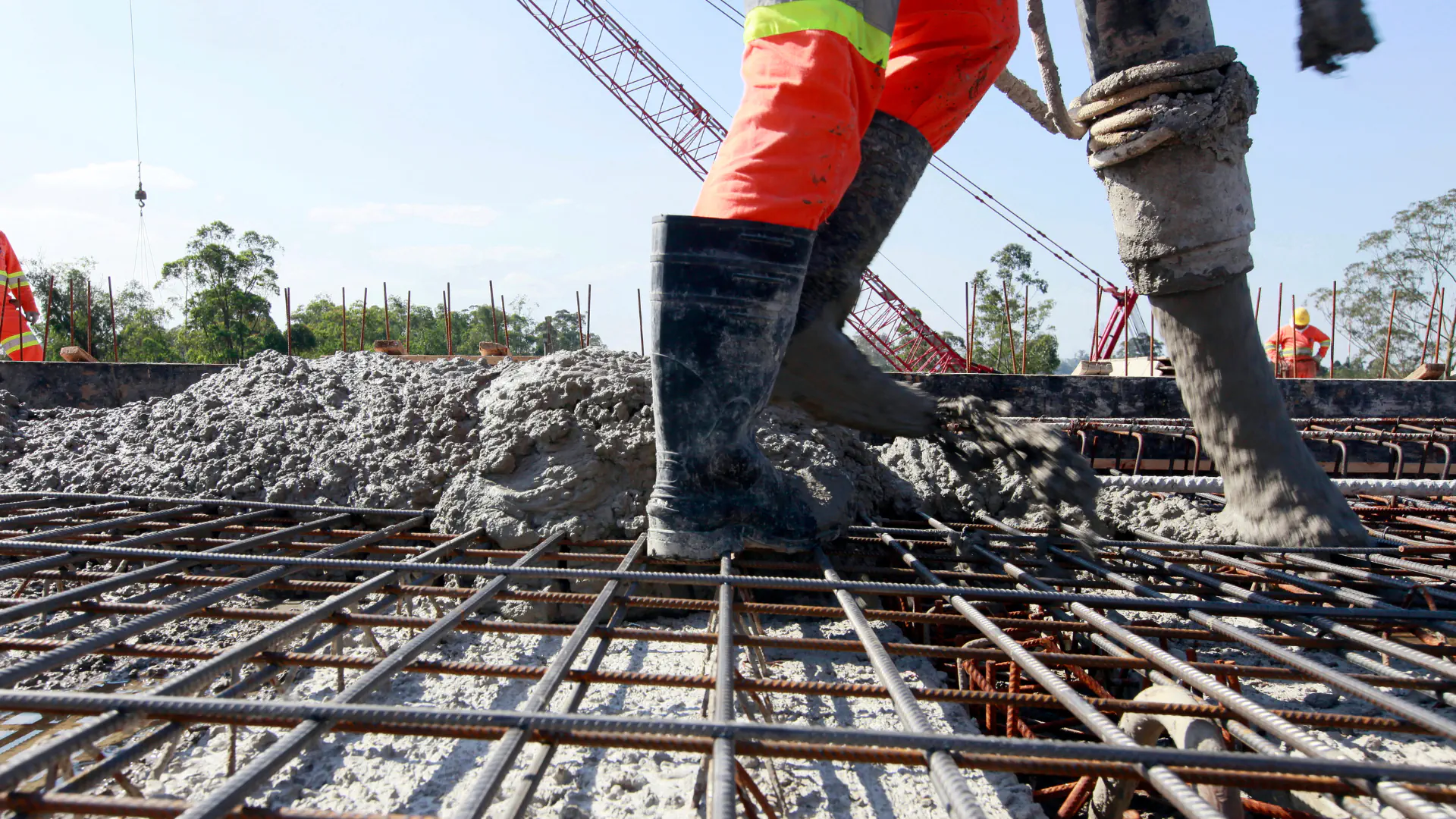
To choose a concrete contractor, focus on experience, process, transparency, and local knowledge. Start by confirming the contractor specializes in the type of project you need, whether it’s residential driveways, commercial slabs, sidewalks, or complex flatwork. Ask how they handle site preparation, reinforcement, thickness specifications, and curing protocols. These steps matter more than the pour itself.
Always verify licensing and insurance, and request recent local references from projects similar to yours. A reliable contractor explains their estimate clearly, including excavation, base work, reinforcement, finishing, and cleanup. Vague quotes often hide shortcuts that lead to premature failure.
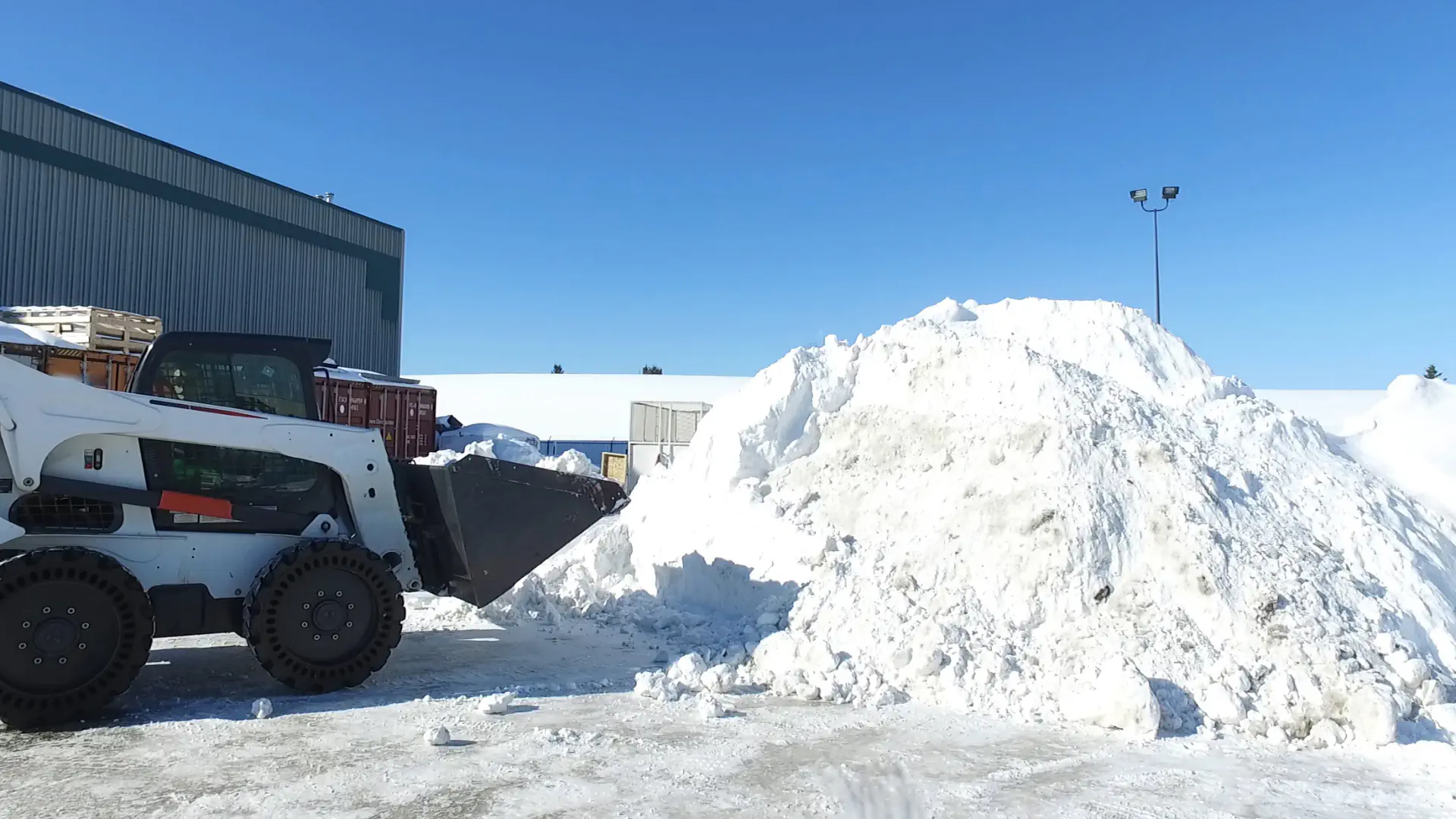
Ask how they handle weather delays and curing time, especially in climates with freeze-thaw cycles like Denver’s. Many of the best concrete contractors Denver professionals also offer complementary services, such as asphalt maintenance Denver, parking lot striping Denver, or commercial snow removal Denver CO, which indicates depth of site work expertise.
Avoid contractors who rush decisions or promise unrealistic timelines. Quality concrete work requires planning and patience. When you choose based on process and accountability rather than price alone, concrete lasts longer and performs as expected.
Why Site-Specific Planning Prevents Repeat Repairs
In Denver, we often see slabs fail because contractors skipped proper base compaction or poured during poor weather windows. At DMH Site Services, we prioritize ground prep and curing schedules because those steps determine long-term performance more than surface appearance.
Our experience across multiple disciplines, from asphalt paving Denver projects to concrete installations, gives us a comprehensive understanding of how different materials perform in Colorado’s climate. We’ve seen how the same site conditions that challenge concrete work also affect asphalt maintenance Denver schedules, which is why we approach every project with site-specific planning.
For commercial clients, this integrated expertise means we can coordinate concrete foundations, parking lot striping Denver layouts, and commercial snow removal Denver CO plans as a unified site strategy rather than disconnected services.
How to pick the right concrete contractor?
Look for a contractor who:
- Has proven experience with projects similar to yours (residential vs. commercial, decorative vs. structural)
- Explains their process clearly without dodging technical questions about base prep, reinforcement, or mix design
- Provides written estimates with detailed scope breakdowns, not vague line items
- Offers local references you can actually contact and visit
- Understands local soil and climate conditions specific to Denver and the Front Range
The right contractor welcomes questions and answers them clearly. Be especially attentive to how concrete contractors Denver homeowners and businesses are considering discuss site preparation, this is where most quality issues originate.
At DMH Site Services, we also evaluate whether clients might benefit from complementary services. For instance, a commercial property getting a new concrete loading pad might also need parking lot striping Denver updates or a commercial snow removal Denver CO plan for the upcoming winter.
What should be considered prior to selecting a contractor?
Before hiring, consider:
Project-Specific Factors:
- Project scope and load requirements (light foot traffic vs. heavy vehicle use)
- Thickness and reinforcement needs based on intended use
- Drainage and grading to prevent water pooling or foundation undermining
- Timeline and weather risks (Denver’s season is shorter than many realize)
- Warranty or workmanship guarantees in writing
Contractor Evaluation Factors:
- Whether they offer multiple services (many asphalt companies Denver professionals also do concrete, providing broader site work expertise)
- Their reputation for follow-through on punch lists and warranty work
- How they handle change orders or unexpected site conditions
- Whether they coordinate with other trades if needed
Clear expectations prevent disputes later. If you’re working with a full-service Denver commercial asphalt company like DMH Site Services that handles both concrete and asphalt, you benefit from streamlined coordination and consistent quality standards across all site work.
What is the 10/20/30/40 rule when making concrete?
The 10/20/30/40 rule is a basic guideline some use to explain concrete proportions by volume. It typically refers to approximate ratios of cement, sand, aggregate, and water. While helpful for understanding how concrete mixes work conceptually, professional concrete contractors Denver teams rely on engineered mix designs that meet specific strength (measured in PSI) and durability requirements rather than simple ratios.
Modern concrete contractors specify mixes based on:
- Intended load and structural requirements
- Exposure conditions (freeze-thaw resistance for Denver)
- Cure time and seasonal constraints
- Special performance needs (early strength, low permeability, etc.)
At DMH Site Services, we work with local batch plants that provide engineered mixes appropriate for Colorado’s climate, the same attention to material specification we apply to asphalt paving Denver projects.
What is poor man’s concrete?
“Poor man’s concrete” usually refers to compacted gravel or crushed stone used as a low-cost alternative to concrete. It works for temporary surfaces, shed foundations, or very low-load areas but doesn’t offer the durability, strength, or longevity of true concrete. It’s a budget compromise, not a long-term solution.
When poor man’s concrete might work:
- Temporary access roads or staging areas
- Underlayment or base material beneath actual concrete or asphalt
- Very light-use pathways in low-visibility areas
- Interim solutions while budgeting for permanent work
When you need real concrete:
- Driveways and parking areas with regular vehicle traffic
- Structural foundations or load-bearing slabs
- Any surface where you want a finished, permanent appearance
- Areas subject to heavy use or weather exposure
For property owners on tight budgets, experienced concrete contractors Denver professionals can sometimes suggest phased approaches, installing critical high-use areas first with quality materials, then adding secondary areas later. The same strategy works for properties combining concrete and asphalt paving Denver installations based on use case and budget priority.
Make the Right Contractor Choice From the Start
If you’re planning concrete work in Denver and want results that last, contractor choice matters more than any other decision. DMH Site Services can help you evaluate your options, understand what questions to ask, and plan a concrete project that balances cost, performance, and longevity.
As a full-service Denver commercial asphalt company with deep expertise in both concrete and asphalt work, we bring comprehensive site knowledge to every project. Whether you need concrete contractors Denver services, asphalt paving Denver installations, parking lot striping Denver updates, asphalt maintenance Denver programs, or commercial snow removal Denver CO planning, we provide the integrated approach that protects your investment.
A short conversation now often prevents costly repairs later. Contact DMH Site Services today to discuss your concrete project and explore how our multi-service capabilities can simplify your property management.